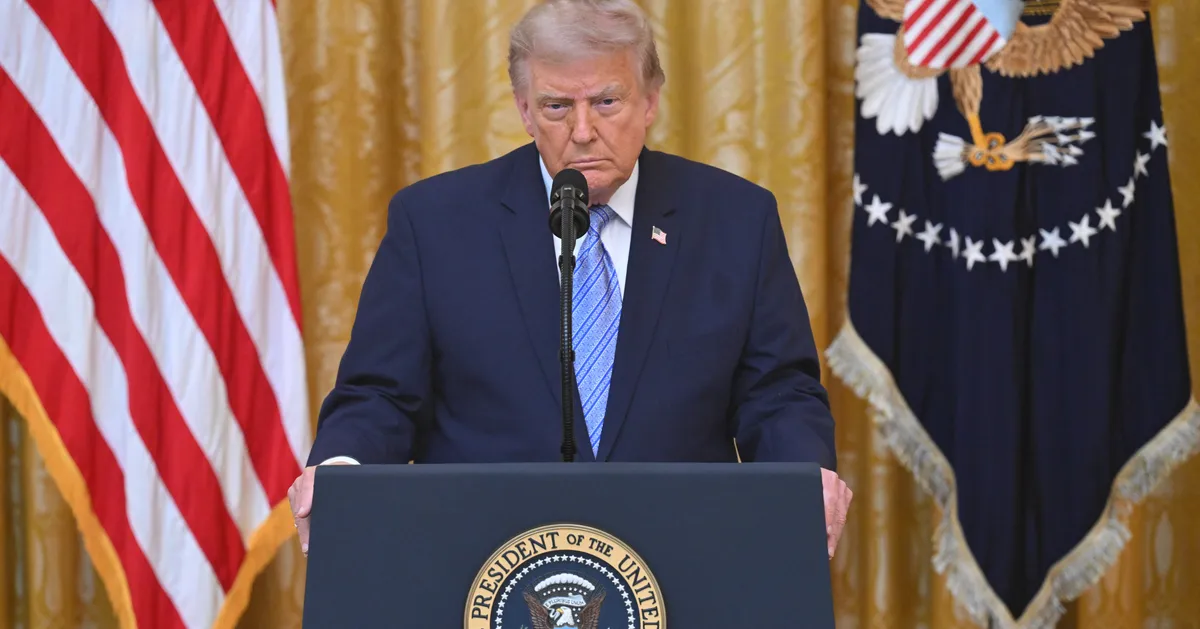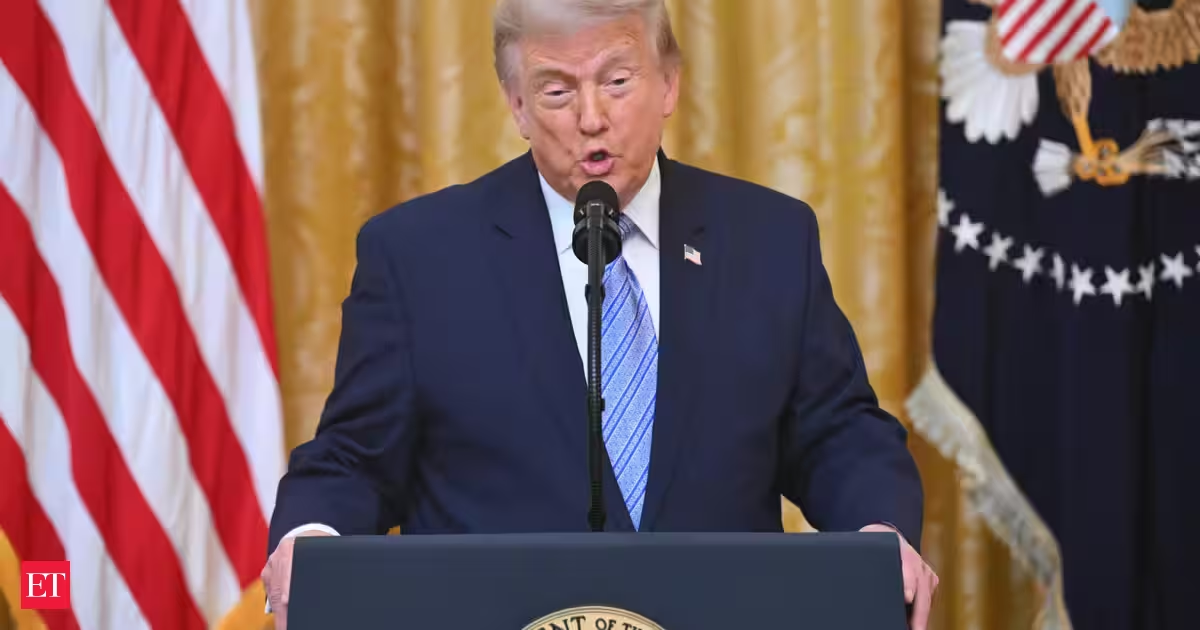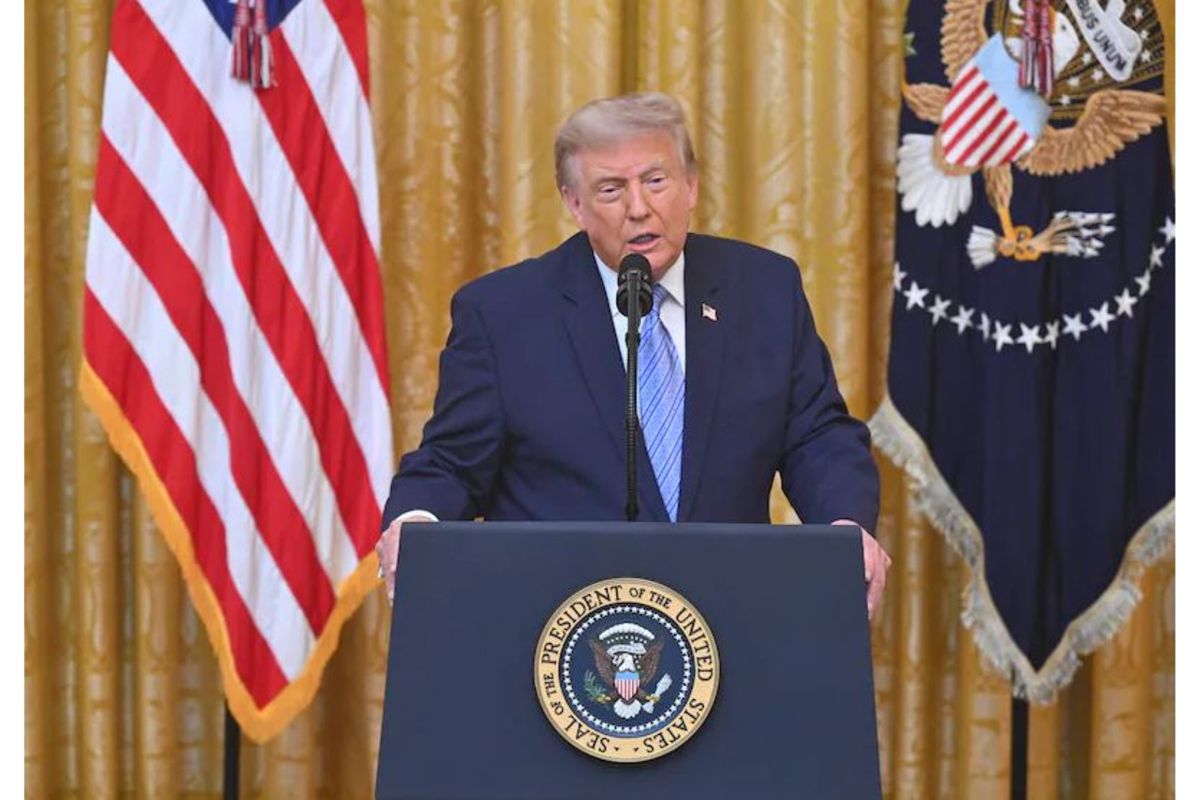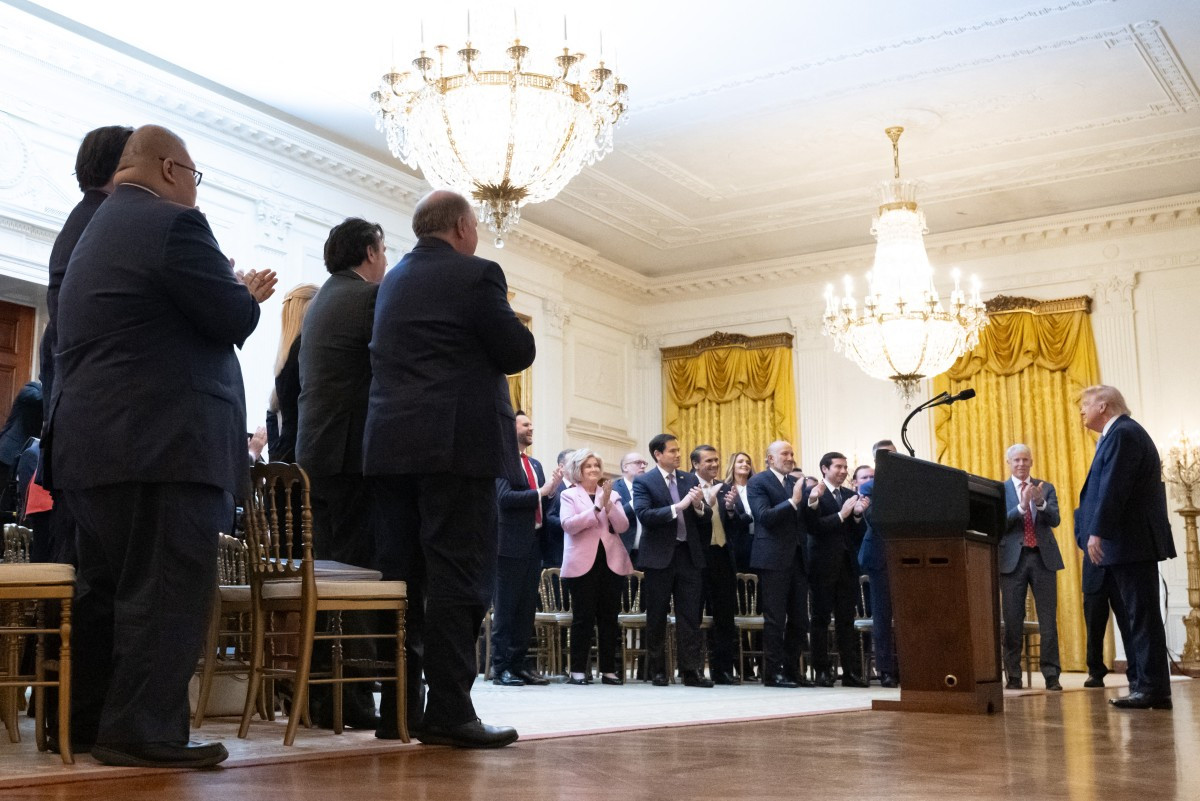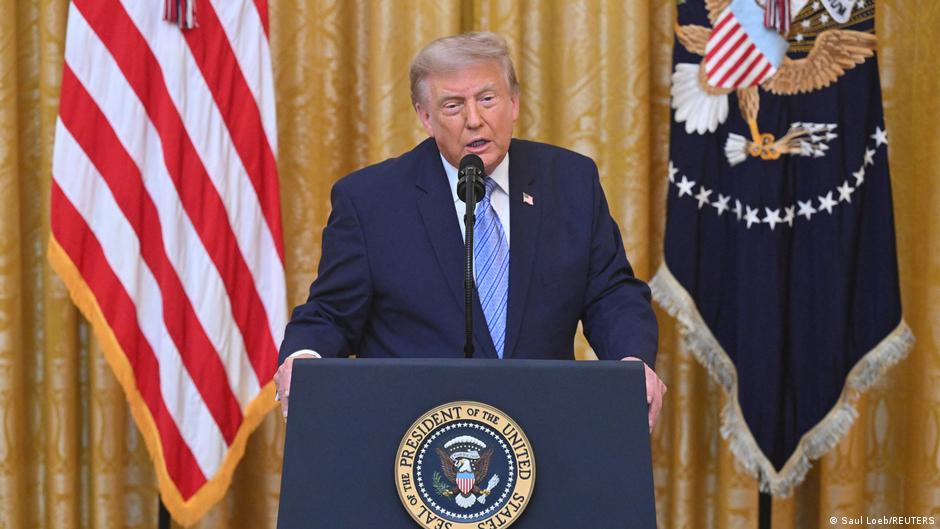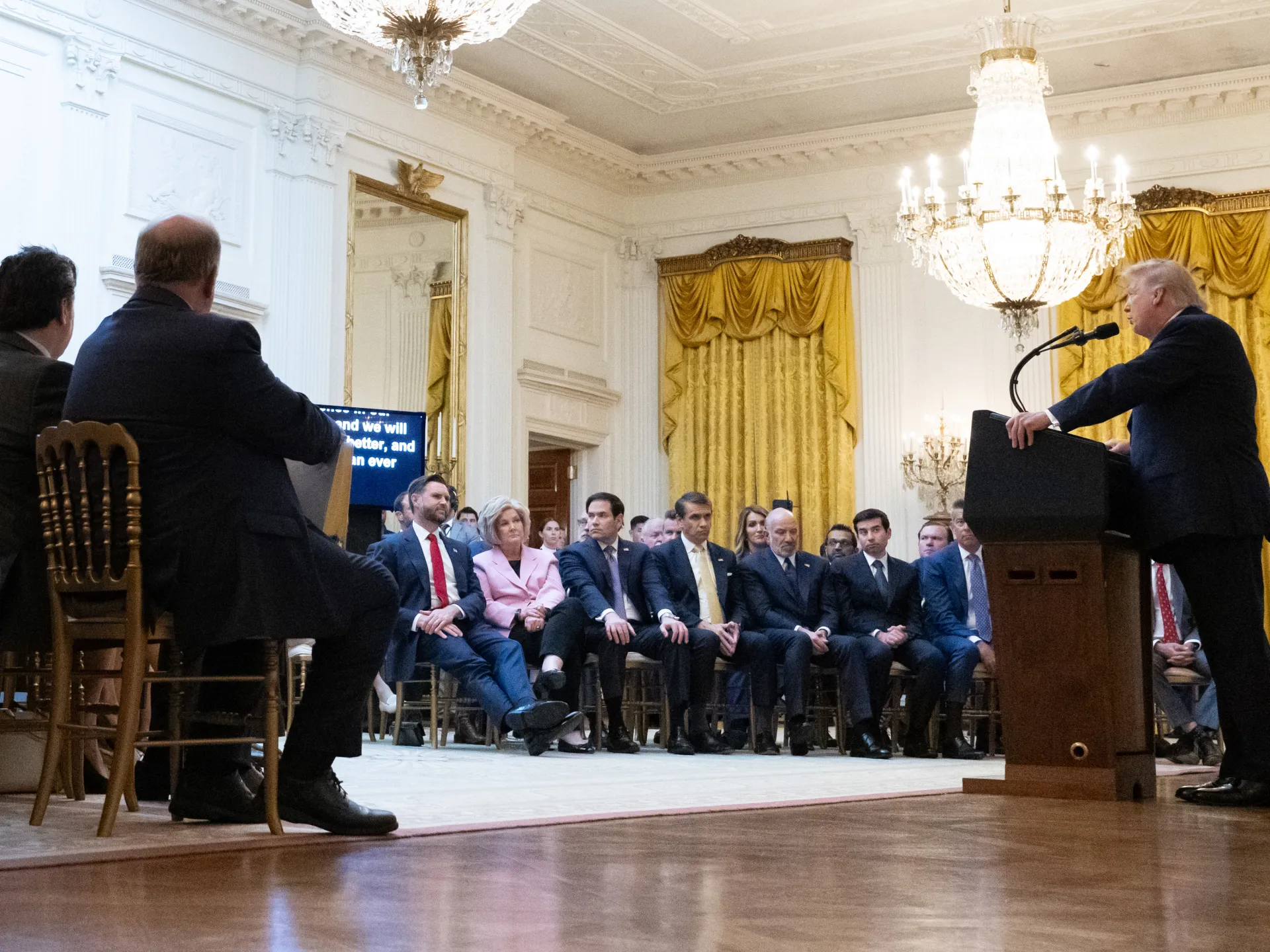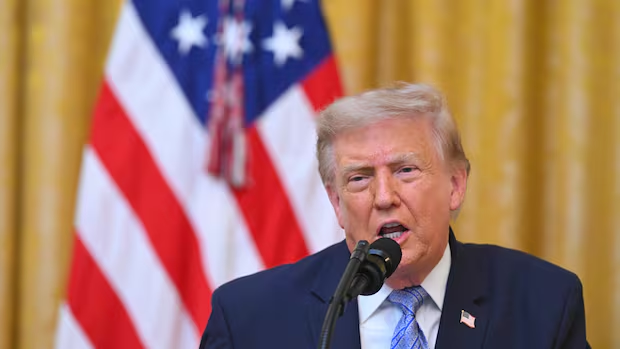
WorldU.S. President Donald Trump declassified intelligence on Thursday that he said in a prime-time address showed Chinese interference in U.S. elections, reviving his long-running attacks on election security despite a U.S. intelligence assessment that found no evidence Beijing altered the 2020 vote which he lost.Contradicts past U.S. intel assessment that found no evidence Beijing altered the voteThomson Reuters · Posted: Jul 16, 2026 10:35 PM EDT | Last Updated: 1 hour agoListen to this articleEstimated 6 minutesThe audio version of this article is generated by AI-based technology. Mispronunciations can occur. We are working with our partners to continually review and improve the results.U.S. President Donald Trump is seen speaking to Americans during a prime-time address on Thursday evening. (Saul Loeb/Getty Images)U.S. President Donald Trump declassified intelligence on Thursday that he said showed Chinese interference in U.S. elections, reviving his long-running attacks on election security despite a U.S. intelligence assessment that found no evidence Beijing altered the 2020 vote, which he lost.The 25-minute prime-time address underscored Trump's effort to make election security a central political issue ahead of November's midterm elections, when Republicans will be defending their congressional majorities and face the possibility of losing control of one or both chambers.Trump used his remarks to again press Republicans in Congress to pass legislation imposing new voter identification and citizenship requirements, despite longstanding findings that voter fraud in U.S. elections is rare. The bill has stalled in the Senate amid fierce Democratic opposition.Trump said the declassified documents would reveal "shocking vulnerabilities in our election infrastructure." But many appeared to show the opposite, or were not related to U.S. election infrastructure at all. The speech came at a challenging political moment for Trump and Republicans, with his approval rating weighed down by the unpopular Iran war and high energy prices. Trump only briefly mentioned the war at the outset, saying the U.S. was "winning big," while listing a series of domestic accomplishments, including tax cuts and his immigration crackdown, before turning to election security.The president said he was declassifying sensitive information showing China had illicitly acquired 220 million U.S. voter files, including names, addresses and other data used to register to vote.He also asserted that members of the U.S. intelligence community deliberately suppressed information about the extent of China's activities.His allegations contradict an unclassified 2021 U.S. intelligence community assessment that found no indications any foreign actor attempted to alter or succeeded in altering "any technical aspect" of the 2020 presidential election vote, including voter registrations, ballots, tabulations or results.The assessment was conducted under John Ratcliffe, then Trump's director of national intelligence and is now his CIA director.The report also found China had pursued an effort dating to at least 2008 to collect information on U.S. voters, public opinion, political parties, candidates and top government officials, likely aiming to use the material to predict election results.Two people familiar with the matter said that U.S. voter data obtained by China was not confidential — voter files are routinely purchased by political consultants — and could not be manipulated.Officials concerned Trump speech could misleadAhead of Trump's speech, some White House officials expressed concern that disclosing the China information could be misleading, sources told Reuters. WATCH | Democrats' alarm over Trump's call to 'nationalize' elections:Why Democrats are afraid Trump is about to rig the midterms | About ThatFebruary 4|Duration 2:54Andrew Chang explains U.S. President Donald Trump's call for the Republicans to 'nationalize' elections ahead of the upcoming midterms and how it's at odds with the reason given by his press secretary.
Trump says China meddled in 2020 vote despite intelligence findings | CBC News
U.S. President Donald Trump declassified intelligence on Thursday that he said in a prime-time address showed Chinese interference in U.S. elections, reviving his long-running attacks on election security despite a U.S. intelligence assessment that found no evidence Beijing altered the 2020 vote which he lost.
1,147 words~5 min read