Friday 17 July 2026 4:00 am
| Updated:
Thursday 16 July 2026 6:28 pm
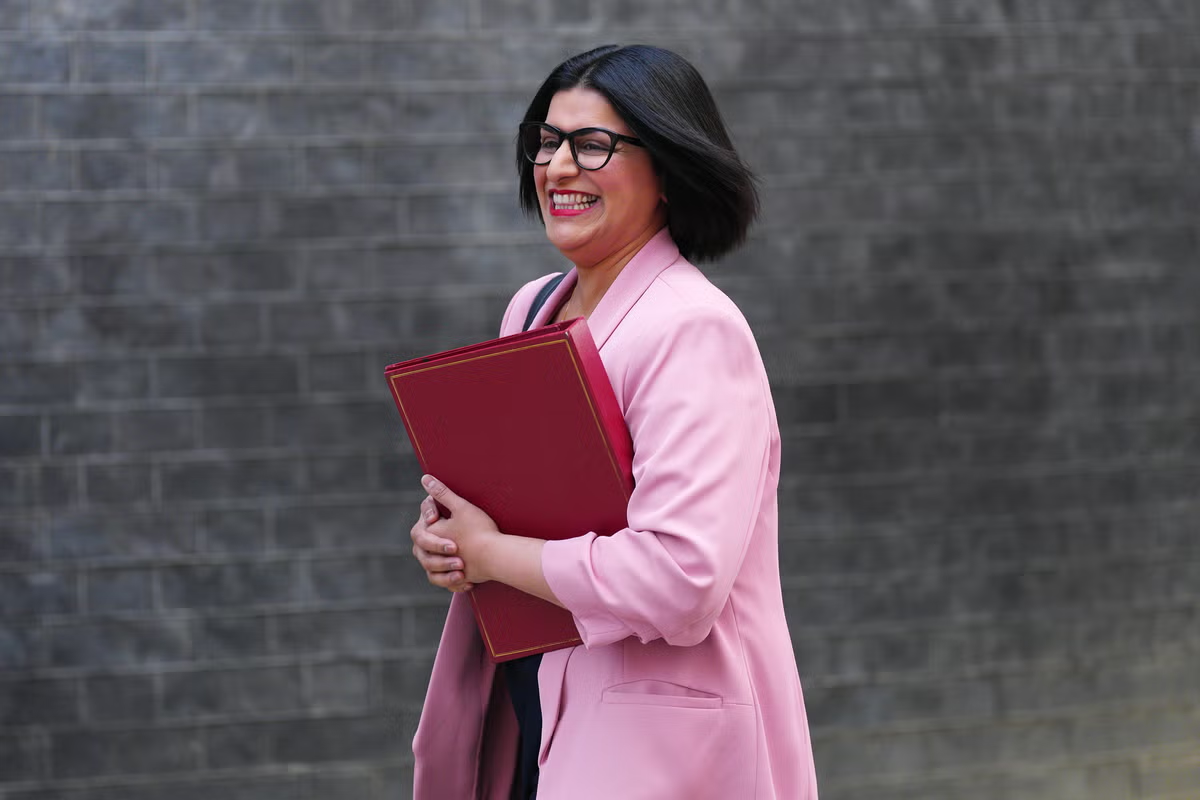
Mahmood had previously suggested she wanted to stay at the Home Office
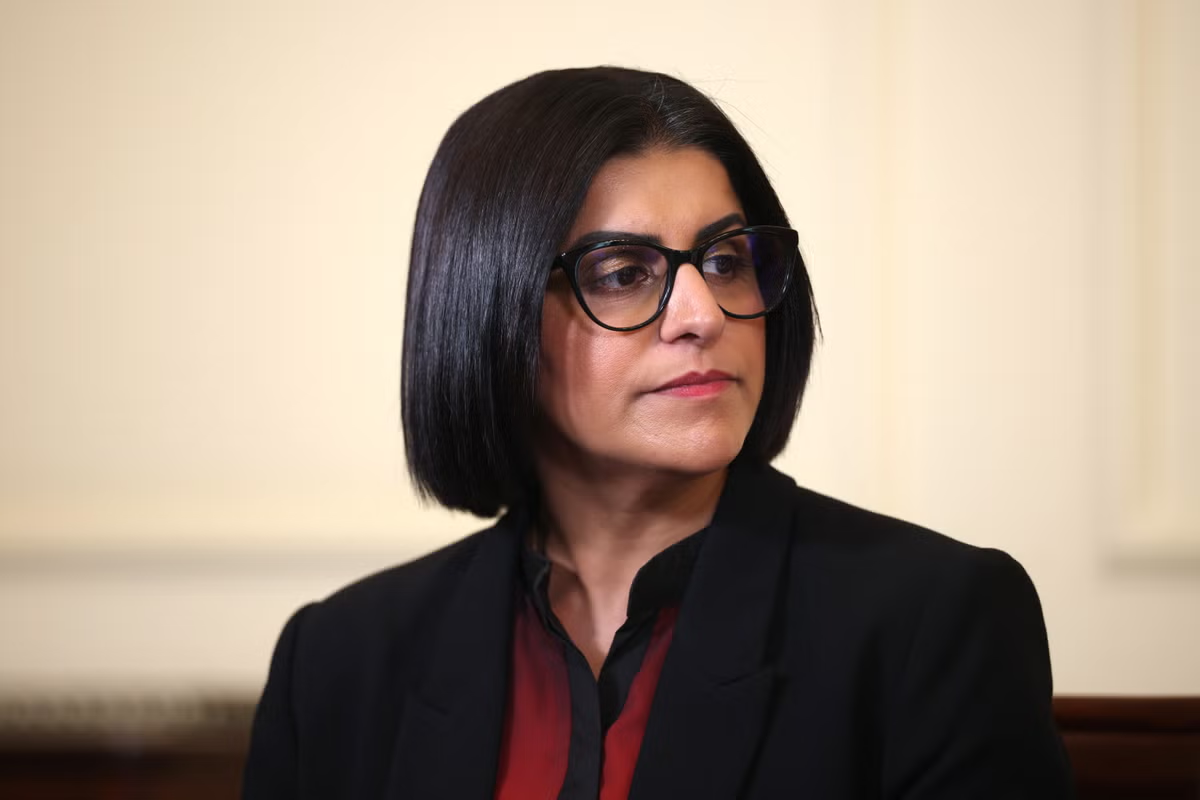
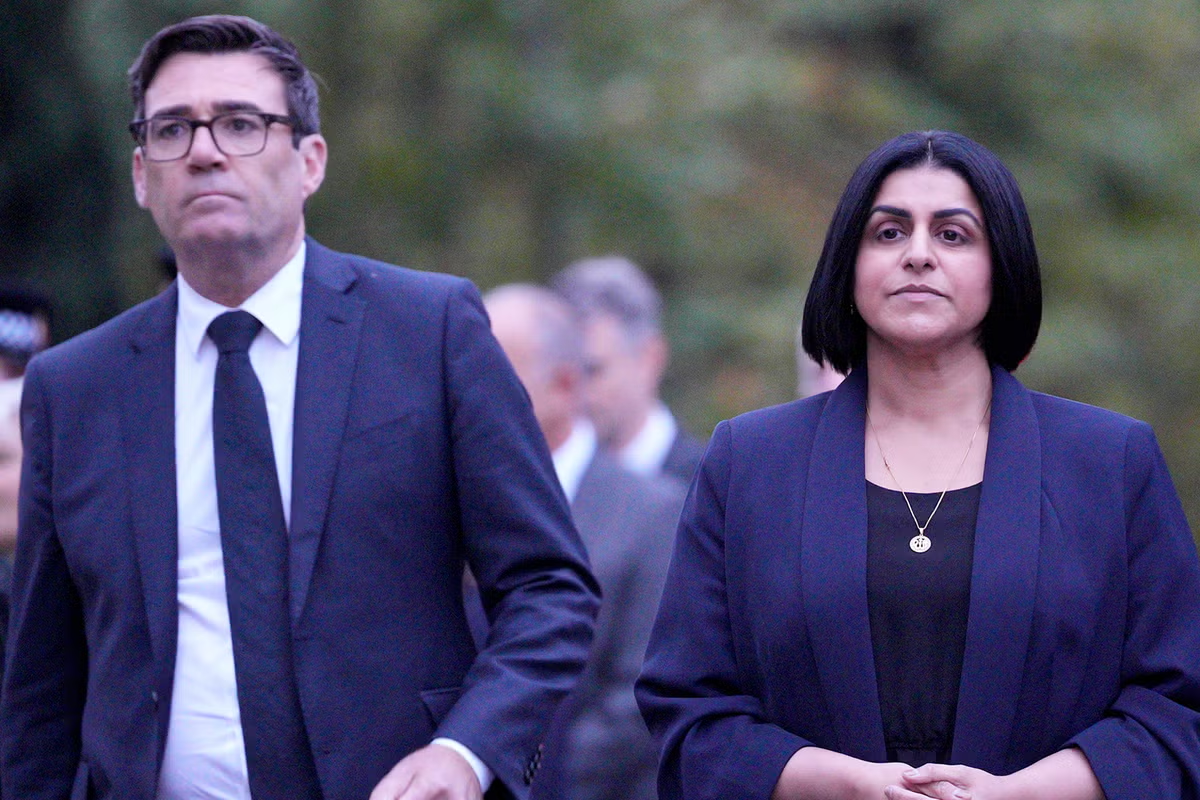
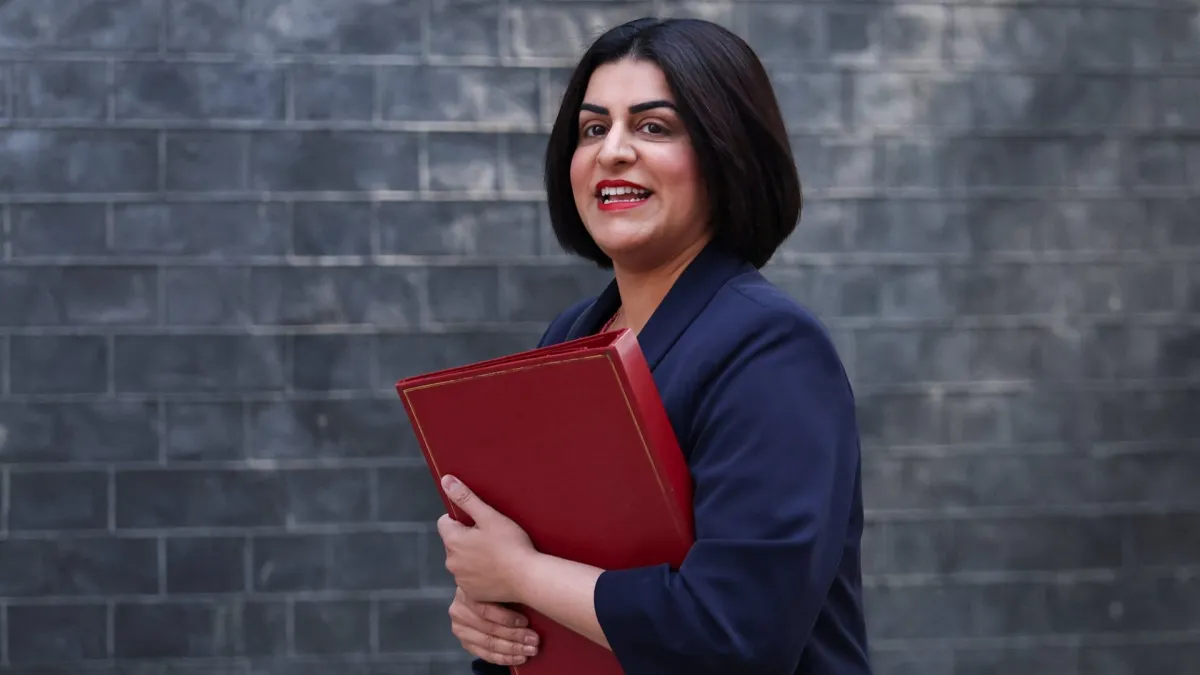
Executives and business groups have begun sizing up Shabana Mahmood and her past policy positions as they search for ways to engage with the woman tipped to become Andy Burnham’s Chancellor next week.The emergence of Mahmood, who hails from the right of the party and cracked down on immigration in her role as home secretary, has calmed businesses previously spooked by the prospect of Ed Miliband as chancellor.The energy secretary had been seen as the front runner until recent days but his candidacy was reportedly kiboshed due to concerns about his reputation with business.Markets reacted positively to the news of Mahmood’s reported appointment. The pound rallied to its its highest level in over a year and gilts outperformed their eurozone competitors.But firms now face the new challenge of working out the priorities of a minister with little economic record and minimal engagement with business in either opposition or government.“It’s not like Rachel [Reeves], where we engaged with her a lot in opposition and we could see what her priorities would be,” said one person at a business industry body. “We’re trying to work out what she’s about.”One bank executive said they were “speculating” about her economic views given the lack of evidence.“I’m not sure she is fully formed,” the person said.Mahmood has forged a reputation as a pragmatist since taking over as home secretary last year, with a series of reforms designed to slow the volume of small boats crossing the channel.But her record on economic policy is scant. Under Ed Miliband’s leadership she served for two years as shadow Treasury financial secretary before declining to serve on Jeremy Corbyn’s front bench due to differing views on the economy.‘Well, she’s not Ed’In 2014, she called for a 50p income tax rate on top earners and spoke several times on tax evasion. A year later, she backed a motion that called for a tax on banker bonuses to fund a guaranteed, paid starter job for young people who had been out of work for over a year. “The public remain rightly angry about the many banking scandals we have seen… they will be astonished if they see failure continue to be rewarded with sums of money so far out of the reach of working people on lower and middle incomes,” Mahmood said in the Commons.She pledged the next Labour government would restore “fairness, trust and transparency” to the banking sector.The policy proposed individuals pay a 50 per cent tax on their bonus, whilst banks would also pay a 50 per cent tax on the same bonuses. Critics at the time warned that coupled with the long list of levies on the sector, the effective tax rate on banks could reach 115 per cent. But her broad positioning on the right of the party has so far been enough to win round many in the Square Mile.“Well she’s not Ed. Anyone but Ed Miliband seems to be the mood in the city,” said Neil Wilson, a UK investment strategist at Saxo.Toni Meadows, head of investment at BRI Wealth Management, said: “It should be relatively well received as she is to the right of the Labour party. We just need someone that is sensible with the financial position they inherit.”But regardless of her record, analysts say Mahmood and Burnham will be judged on their delivery.“With two and a half years to the next election, the electorate will judge his government on three things,” said Sanjay Raja, chief UK economist at Deutsche Bank, “one, has the cost of living improved?; two, do people feel better off (ie have living standards improved?); and three, has Burnham changed politics for the better, reducing divisions within Parliament and working genuinely for the betterment of the whole country?”