If you've heard about LangChain and assumed it was a Python thing, that's fair. It mostly was.
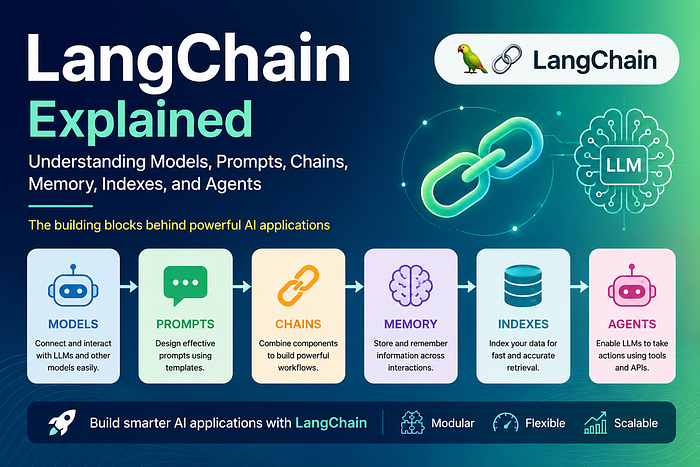
LangChain became popular because building with an LLM turns out to involve a lot of repetitive plumbing. You need to manage conversation history, split documents into chunks, generate embeddings, search a vector store, wire up functions the model can call, and parse whatever comes back. None of that is hard, but writing it from scratch for every project gets old fast. LangChain packaged those pieces into reusable components, and the pattern caught on.
The Java ecosystem has that now too, in two flavors. LangChain4j is a Java library built around the same idea, though it was written for Java from the ground up rather than ported over. Spring AI does the same job the Spring way, with auto-configuration and dependency injection, and it hit 2.0 this June.
Both are production ready. Your existing Spring Boot service can call an LLM in about six lines, and you don't need a Python sidecar or a separate service to do it.
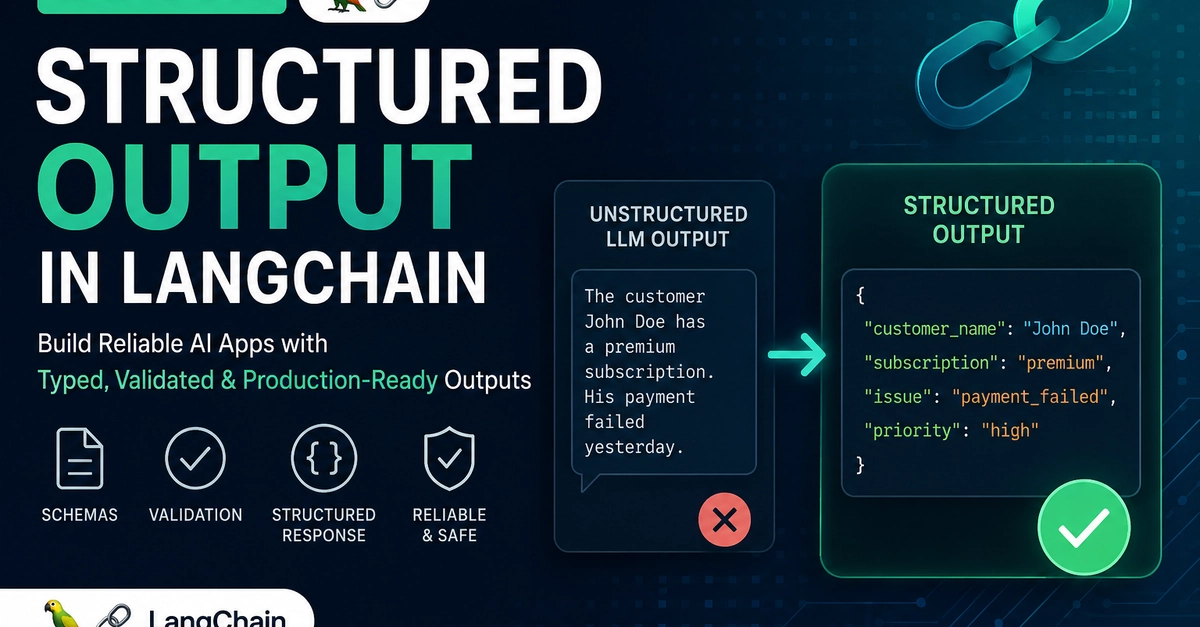
The six lines aren't the interesting part, though. What matters is the distance between a chat endpoint that echoes text back and something you'd actually ship: getting typed objects instead of strings, grounding answers in your own documentation, and letting a model trigger real code in your app.