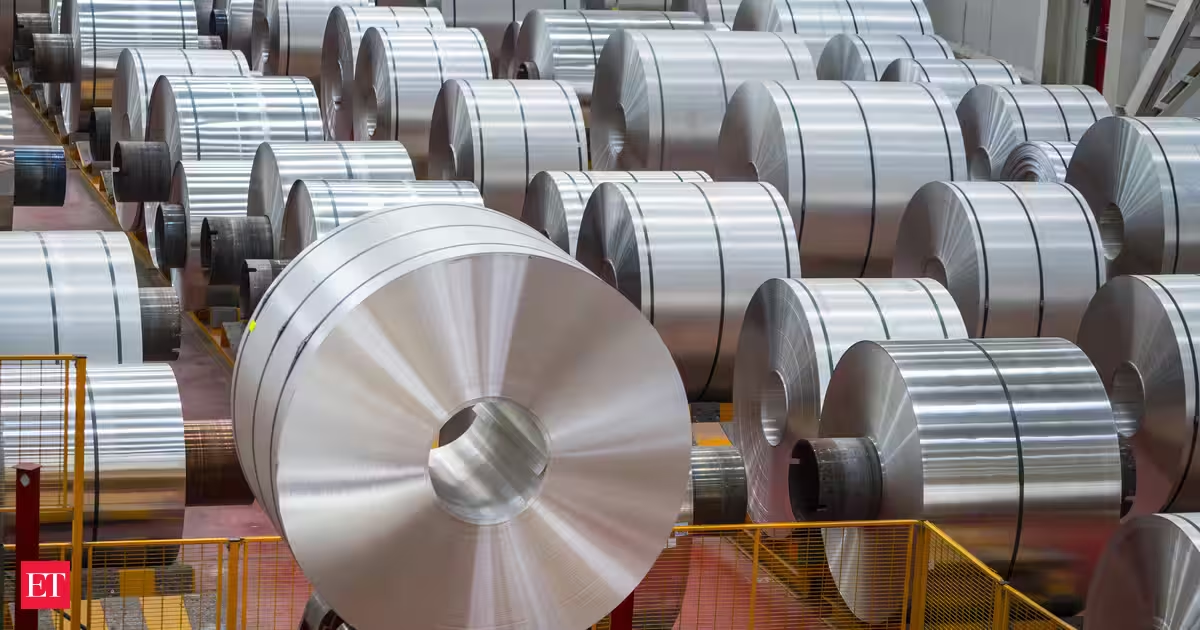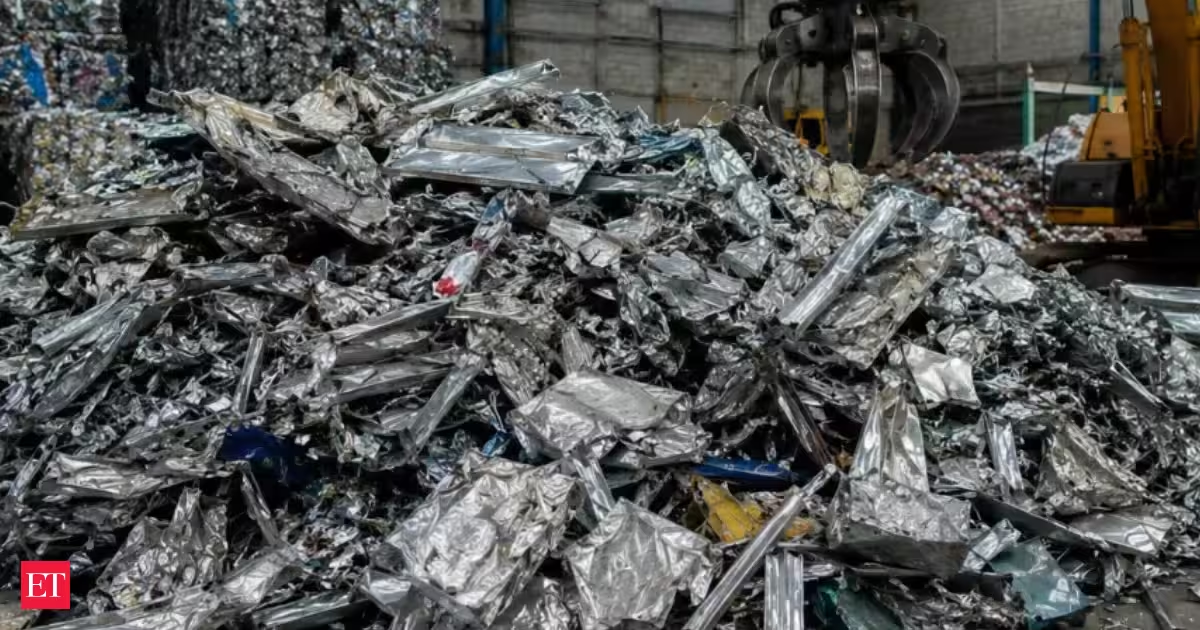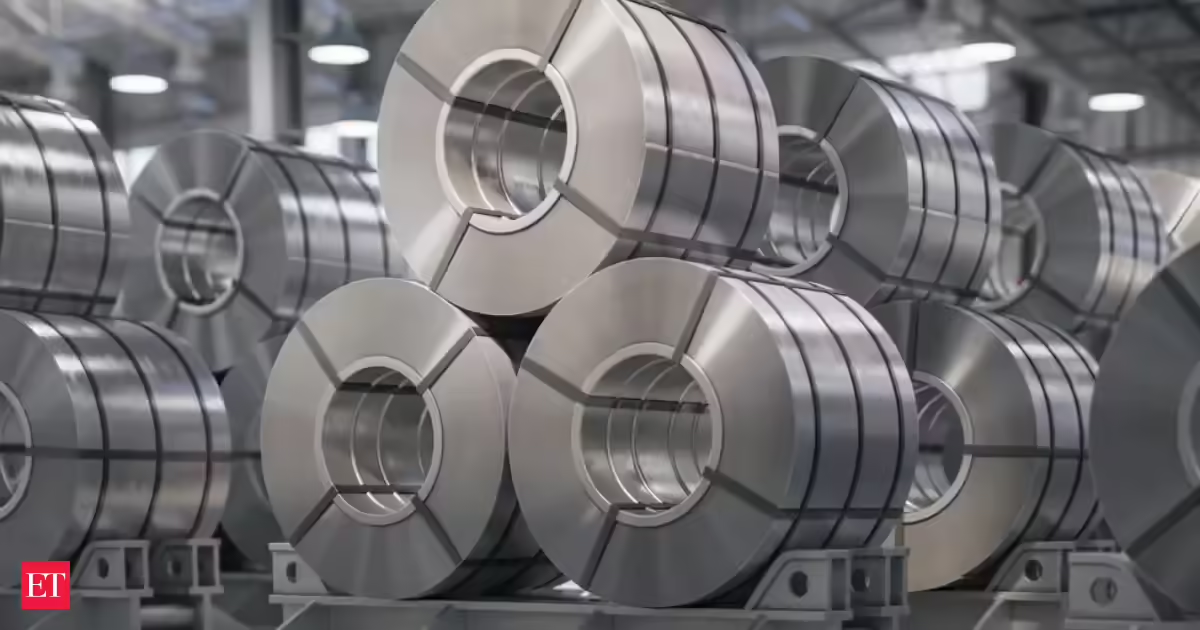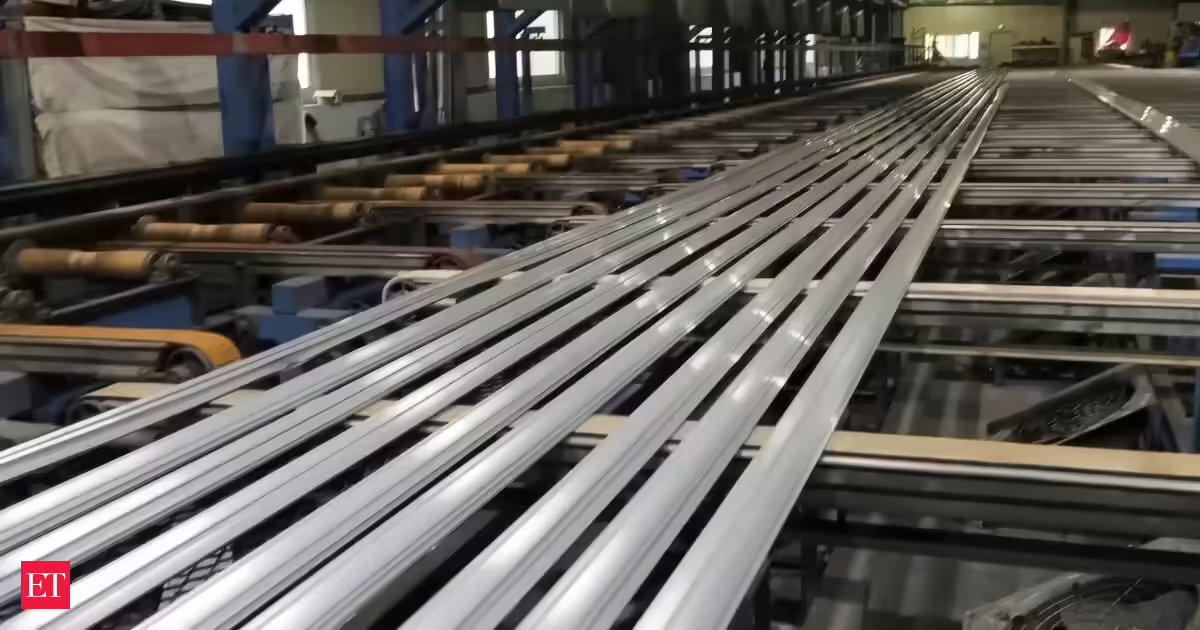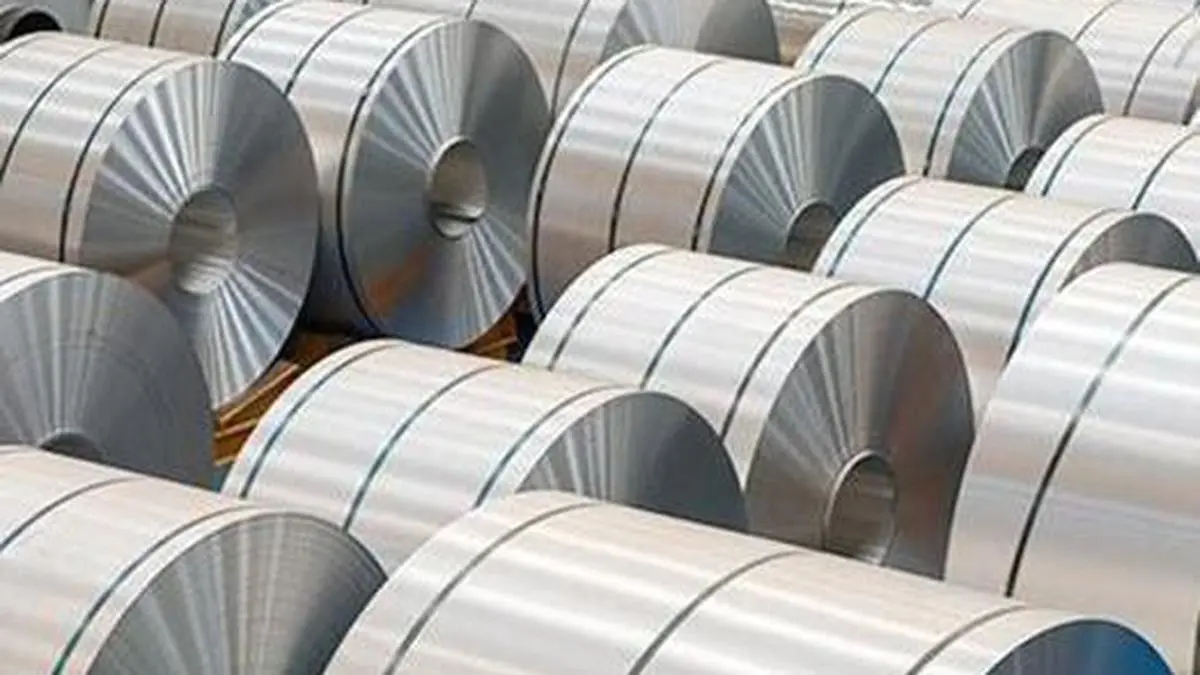
Tariffs, when calibrated properly, remain a legitimate policy instrument for managing international trade and fostering domestic industrialisation. Because the central goal of industrialisation is to maximize domestic value addition, an ideal tariff structure should impose lower duties on raw materials and intermediate goods, while levying higher duties on finished products.Cheaper inputs reduce domestic manufacturers’ production costs. At the same time, higher duties on final goods shield them from foreign competition.Together, these incentives encourage local firms to deepen value addition and concentrate on producing finished goods. When this tariff structure is reversed, with inputs facing higher tariffs than finished products, it is called an inverted duty structure (IDS). Under such a regime, the effective rate of protection for downstream firms can become negative, penalizing those segments engaged in higher value addition.India’s aluminium sector currently exhibits an inverted duty structure (IDS), though the inversion does not originate in the Most Favoured Nation (MFN) schedule, which remains — if only weakly — escalated: primary aluminum and intermediates attract a basic customs duty of 7.5 per cent, scrap 2.5 per cent, and finished products 7.5-10 per cent.FTA distortionThe distortion arises instead from India’s preferential trade agreements. Under the India-ASEAN FTA and the CEPAs with Japan and South Korea, duties on most downstream and finished aluminum lines have been eliminated, while primary aluminium — sourced predominantly from suppliers outside these agreements — continues to bear the full 7.5 per cent duty. The Social Welfare Surcharge, levied at 10 per cent of the basic customs duty, marginally widens this wedge: it raises the effective duty on primary metal to 8.25 percent, whereas a zero customs duty on FTA imports nullifies the surcharge altogether.Integrated GST, creditable as input tax, is broadly neutral, and quality-control measures apply uniformly. The net effect is unambiguous: finished goods from FTA partners arrive in India at lower landed costs than primary inputs from non-FTA suppliers, resulting in a case of duty inversion.Import data for FY 2023-24 and FY 2024-25 corroborate this hypothesis. The most pronounced expansion is in HS 7610 (aluminium structures), where imports nearly doubled over the year, from $234 million to $466 million. Four of the five largest source countries — Thailand, the United Arab Emirates, Malaysia, and Korea — are FTA partners that benefit from zero-duty access under a 10 per cent MFN rate.Comparable, if less dramatic, patterns appear in foil, tubes and pipes, and cans and drums, where the UAE-CEPA channel dominates. Imports of primary and intermediate goods, by contrast, originate predominantly from non-FTA countries — US, GCC states other than the UAE, Russia, and several EU members — all paying full MFN duties.This has two consequences: first, Indian downstream manufacturers pay higher prices for their imported primary and intermediate inputs; second, domestic upstream producers can price close to import parity, capturing the rents created by the tariff wall. While this benefits the upstream firms, it negatively affects the much larger universe of downstream firms that use different aluminium products as intermediate inputs.Moreover, another distinct competitive pressure operates in parallel. China is the leading source for nine of the 16 aluminum products (at HS4 digit level) imported by India. This happens with full MFN duties, in the absence of any FTA with India. Chinese cost competitiveness evidently overcomes the entire MFN barrier. Though independent of the FTA-driven inversion, it compounds the effect on lines where both pressures coexist — notably for flat rolled products and aluminium structures.Industry asymmetryThe persistence of this distortion reflects the underlying market structure of the Indian aluminum sector, marked by pronounced upstream-downstream asymmetry. India’s upstream aluminium segment is a four-player market, and together these producers account for virtually 100 per cent of domestic primary aluminum output. All these firms are vertically integrated from bauxite through alumina to smelting.The downstream segment presents a markedly different profile. Beyond the upstream majors’ integrated downstream arms, the segment comprises thousands of micro, small, and medium enterprises (MSMEs) engaged in extrusion, foil conversion, secondary recycling, and finished articles.Aggregate midstream and downstream capacity is approximately 4.2 million tonnes, but due to geopolitical issues leading to supply bottlenecks and fuel shortages, utilisation has fallen to 40-50 per cent, according to Aluminum Extruders’ Association, with extrusions alone running near 50 per cent.This structural asymmetry generates a corresponding asymmetry in political-economy outcomes. A small number of upstream firms, with concentrated economic interests and effective institutional representation, have proved capable of sustained advocacy; the fragmented MSME constituency in the downstream lacks comparable institutional capacity.Possibly this asymmetry has contributed to the inverted duty structure of the aluminium sector in India. It is notable that this duty structure disproportionately harms the large number of downstream MSMEs, but it affects upstream firms less, which have integrated downstream operations and hence depend less on imported inputs.External market conditions further compound the squeeze. Indian aluminium exports now face substantial entry barriers in two key destinations: the European Union’s Carbon Border Adjustment Mechanism and the US’ Section 232 tariffs.Given that primary aluminium accounts for approximately 80 per cent of downstream production costs, the equivalence of MFN and FTA rates at 7.5 per cent on primary inputs results in pricing disadvantages for exporting secondary manufacturers, particularly MSMEs. Imports from ASEAN continue to rise, and secondary producers report operating below capacity or withdrawing from particular segments.The policy implications are clear. The current tariff configuration is not completely aligned with the stated national objectives of value-added manufacturing, MSME development, and reduced import dependence. The Department of Commerce’s ongoing review of India’s FTAs with ASEAN and Korea represents an opportunity to address the inversion at its source.An alternative path — reduction of MFN duties on primary and intermediate goods — would likely encounter resistance from upstream incumbents. A precedent in the steel sector, the export parity price scheme for MSME downstream exporters, attempted to address an analogous distortion with limited success.What remains incontrovertible is that a competitive, MSME-driven downstream aluminium industry is integral to the success of India’s broader manufacturing strategy, and that correcting the FTA-driven inversion may be a necessary step in that direction.Pal is a Professor, Economics Group, IIM Calcutta; Gupta is former Executive Director, Engineering Export Promotion Council (EEPC), India. Views expressed are personalPublished on July 17, 2026
Inverted duty structure in aluminium, a concern
The FTA-driven inverted duty structure is impacting downstream MSMEs more than the bigger upstream firms. It should be reviewed
1,027 words~5 min read