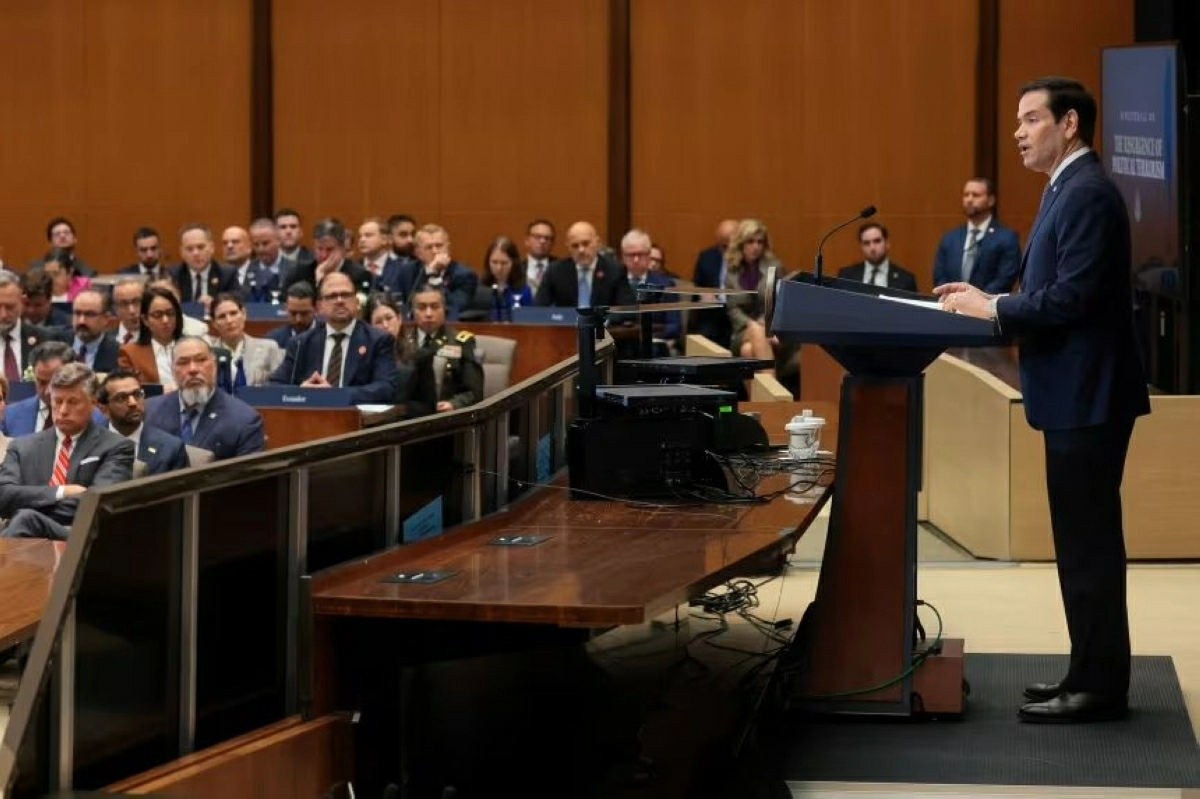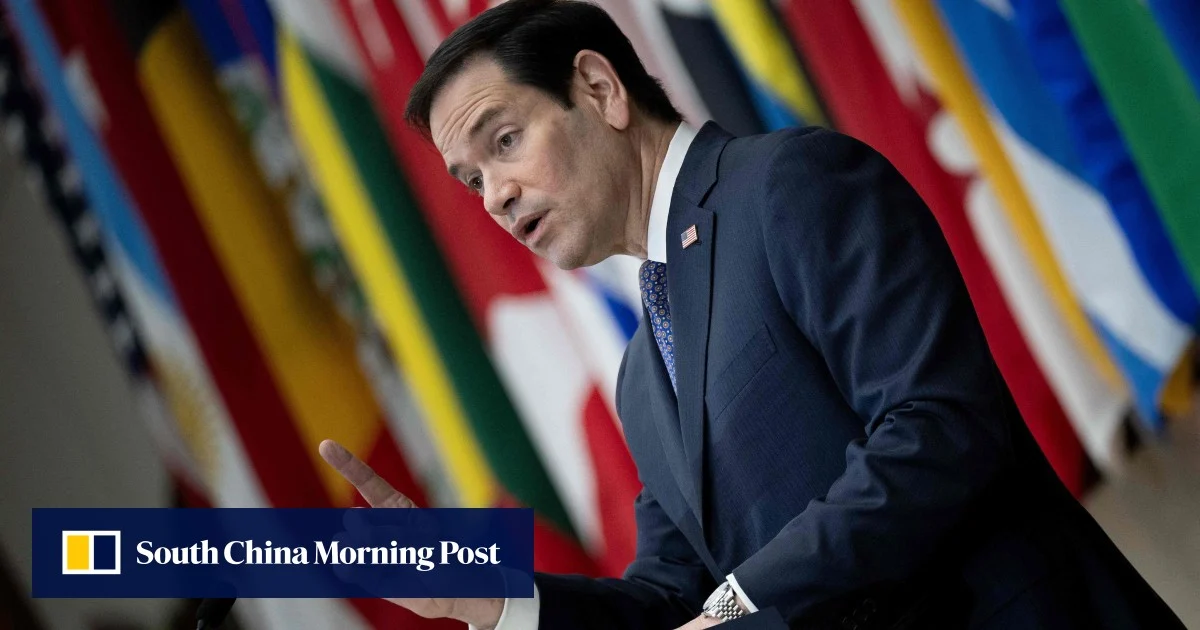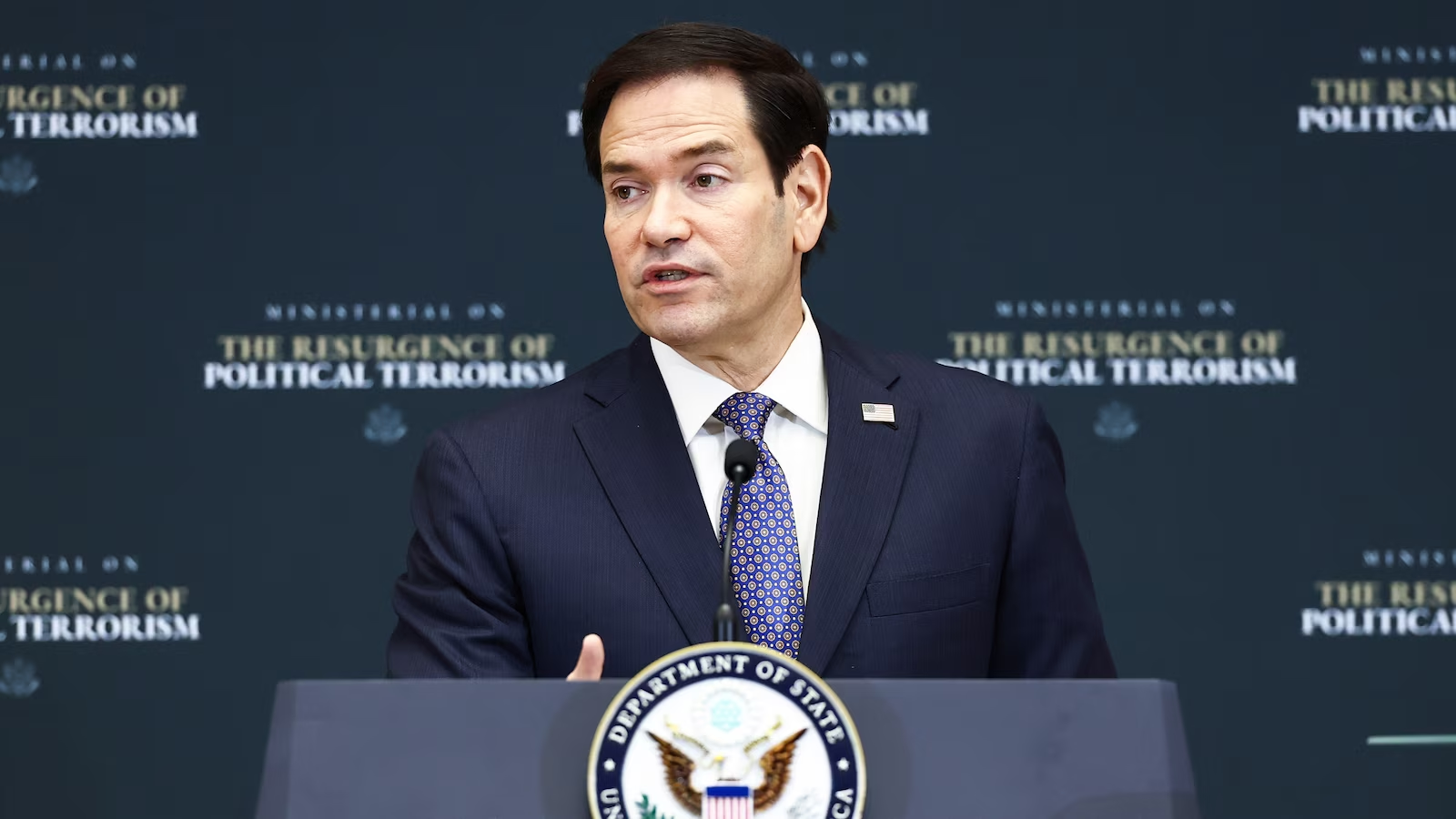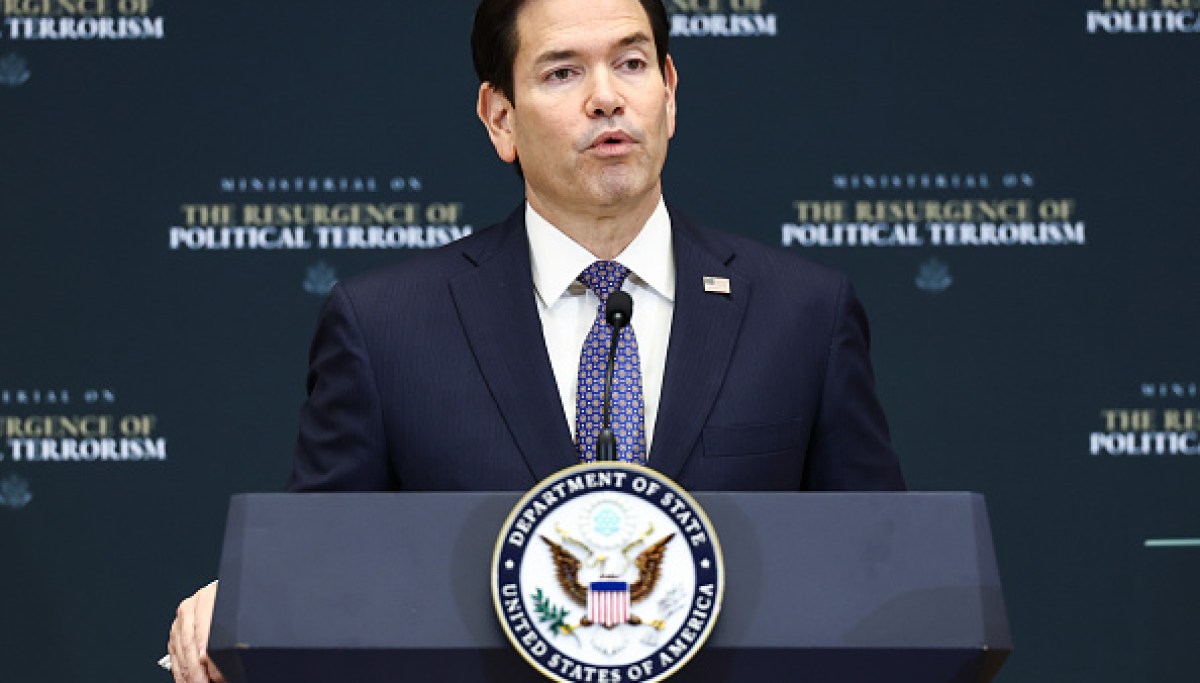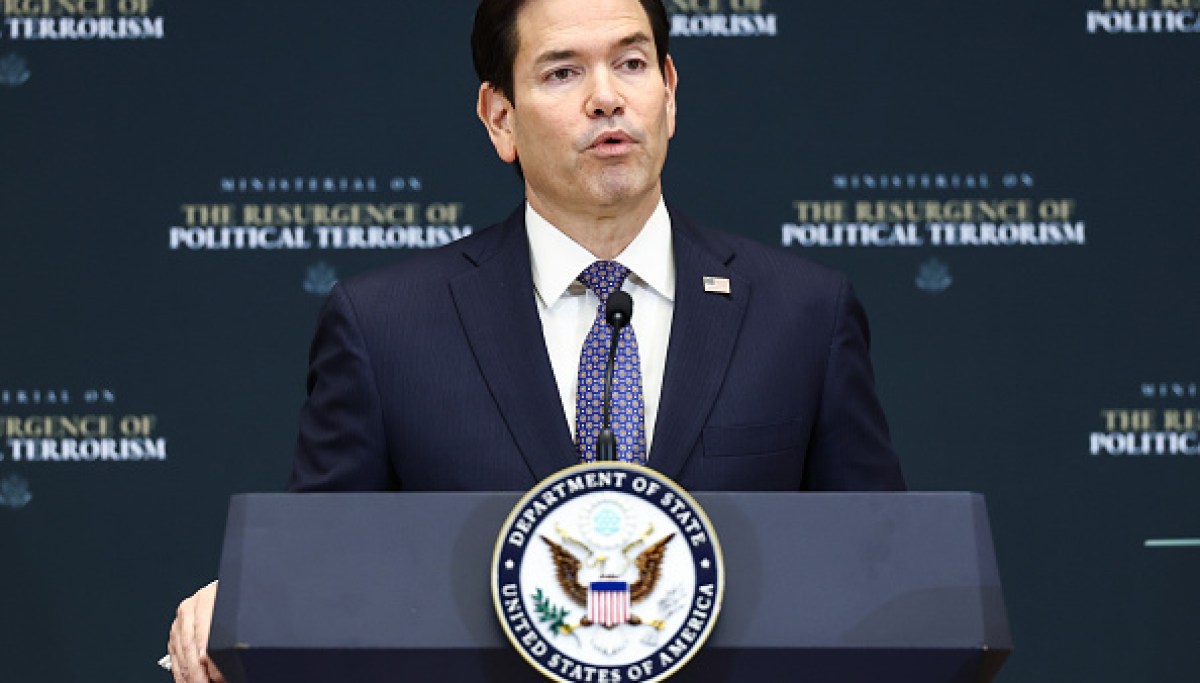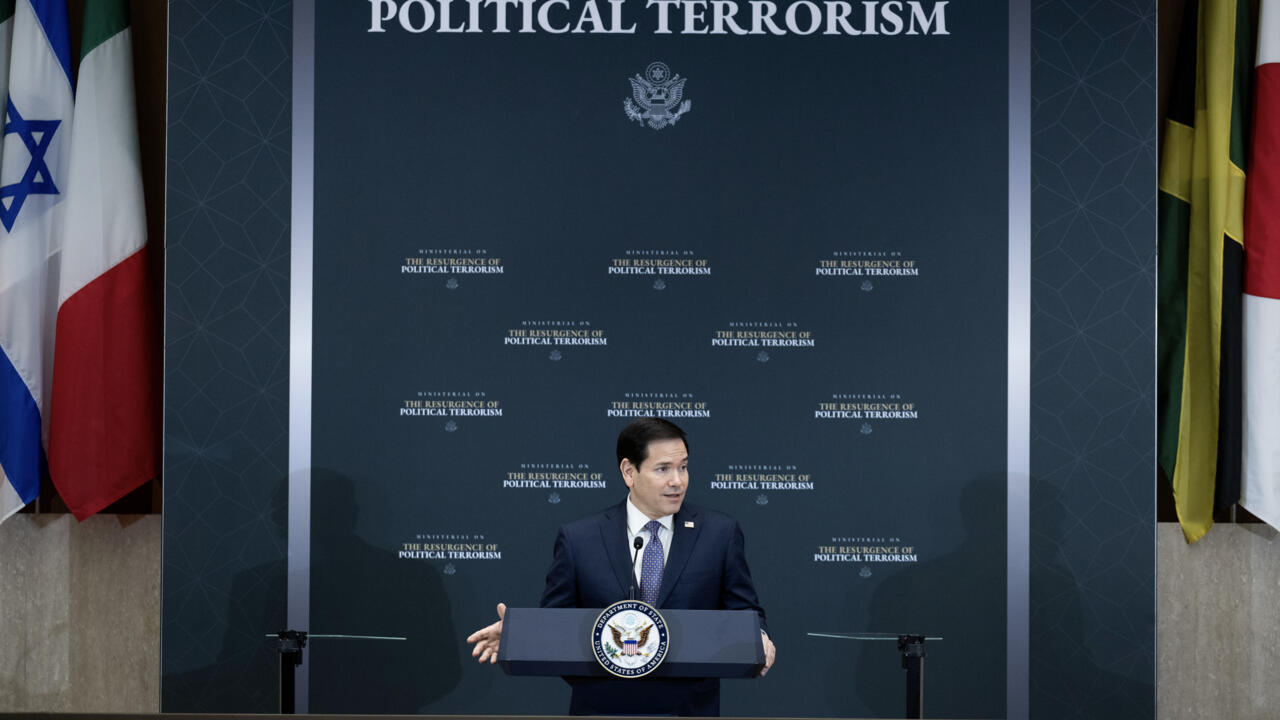
In opening remarks at a ministerial meeting on "The Resurgence of Political Terrorism," Rubio said that "far-left terrorism" had become a "blind spot" after the scrutiny on jihadist extremism following the September 11, 2001 attacks."Even today, the very idea that far-left terrorism could be a serious threat is treated as a right-wing fever dream or, worse, as a dangerous fascist conspiracy," he said.Citing an increase in leftist attacks in Europe and the United States since 2016, Rubio called for boosting cooperation to combat an ideology he described as "a poisonous resentment cloaked in the language of equality and justice."Rubio -- a fierce anti-communist whose parents fled Cuba -- said leftist extremism draws its inspiration from a "hatred for civilization itself."More than 60 delegations from Europe to Asia joined the event, where US Treasury Secretary Scott Bessent and White House Deputy Chief of Staff Stephen Miller also spoke."You are here because your political leaders are being attacked and stabbed and shot in your streets," Rubio told the delegates, "because your businesses have been bombed, because your railways have been sabotaged, because your police officers have been beaten and burned."Right-wing terror absentRubio and Miller made no mention, however, of right-wing violence which, according to a comprehensive 2025 report by the Center for Strategic and International Studies, has been a far larger problem in the United States the past 30 years.The CSIS report acknowledged there has been an increase in left-wing terrorist attacks and plots over the past decade. But it said "such violence has risen from very low levels and remains much lower than historical levels of violence carried out by right-wing and jihadist attackers."The administration of US President Donald Trump has targeted Europe in particular, calling it an "incubator of terrorist threats."Rubio gave several examples of violent acts blamed on leftist groups in Europe, including the sabotage of the French rail network for the opening of the 2024 Olympic Games in Paris and the killing of French far-right activist Quentin Deranque in February.According to a State Department fact sheet, there were 21 attacks in the European Union attributed to "far-left and anarchist terrorists" in 2024, compared to 24 attacks from jihadists.AntifaThe "Antifa" movement, short for "anti-fascist," has also been targeted by the Trump administration, which designated it a "domestic terrorist organization" last year after the assassination of conservative influencer Charlie Kirk. However, experts say it is a nebulous movement of left-wing activists that is more of a political ideology than an organized group.In the United States, the movement gained traction after Trump's first election in 2016, and many conservatives blamed riots and protests in 2020 after the death of George Floyd on anti-fascist protesters.
US wants to globalize fight against far-left 'terrorism'
The United States on Thursday launched a scathing attack on left-wing extremists, with Secretary of State Marco Rubio calling for global cooperation to fight a "new wave of this old evil."
631 words~3 min read