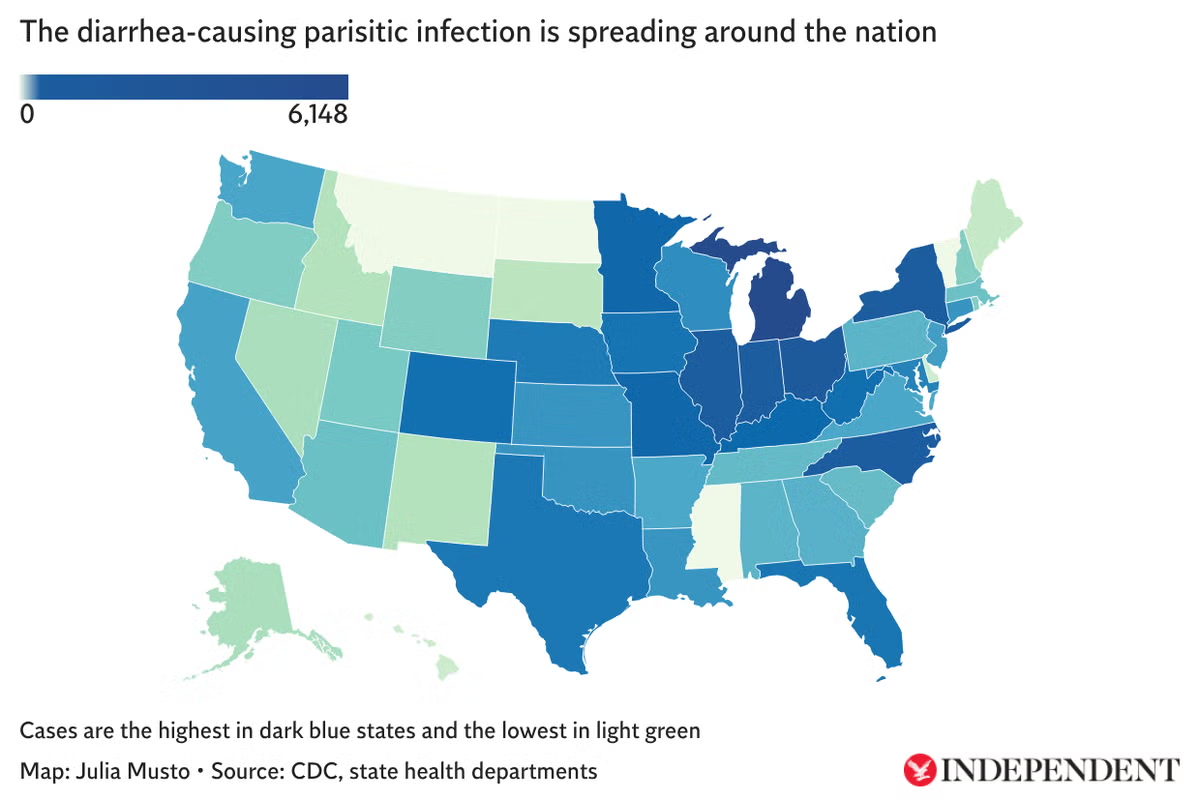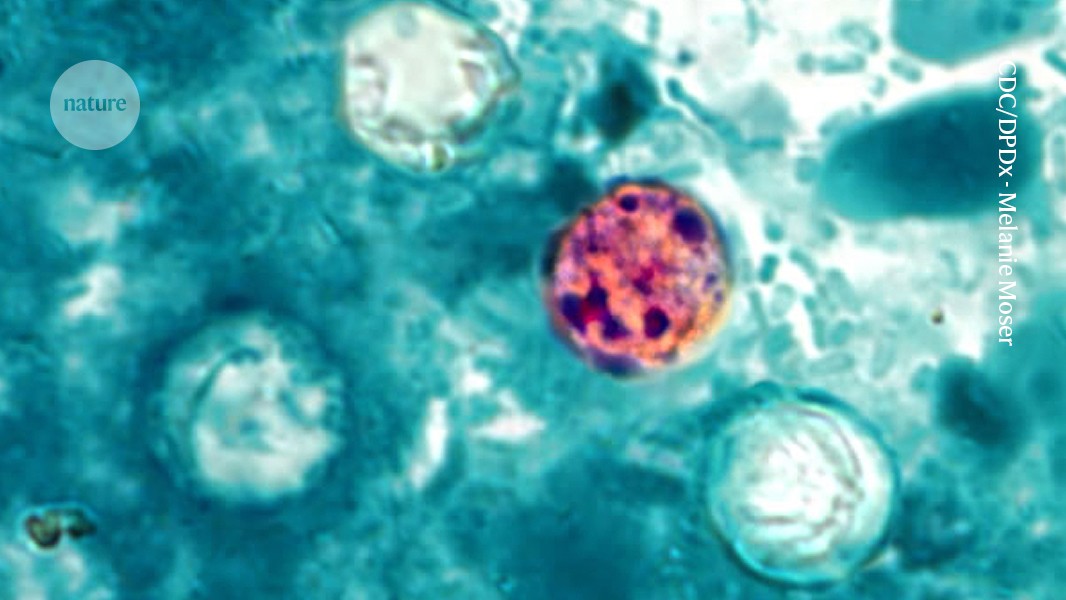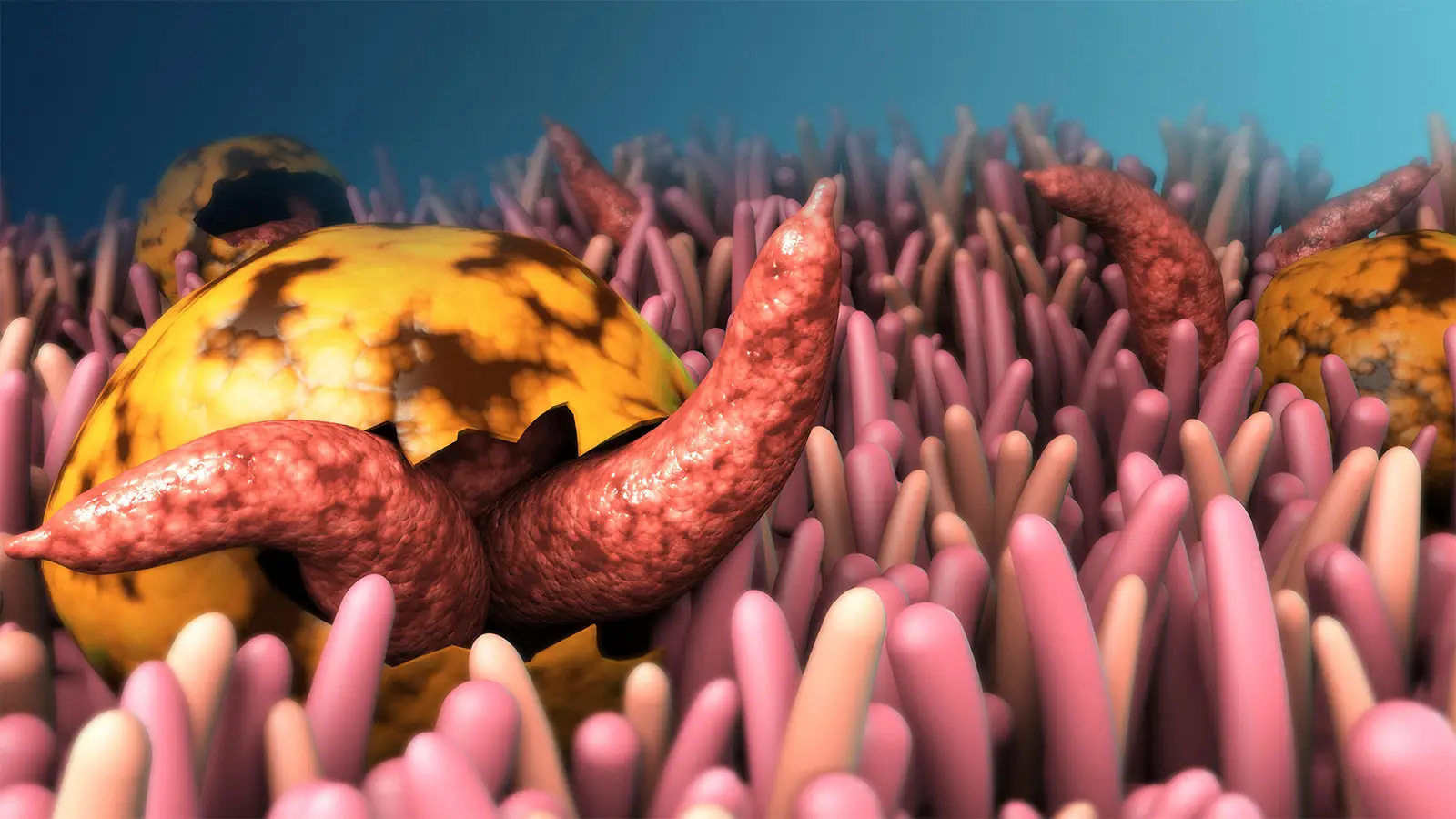
As health officials track cyclosporiasis cases in multiple states, experts note that there are plenty of other parasites that people can contract from food.
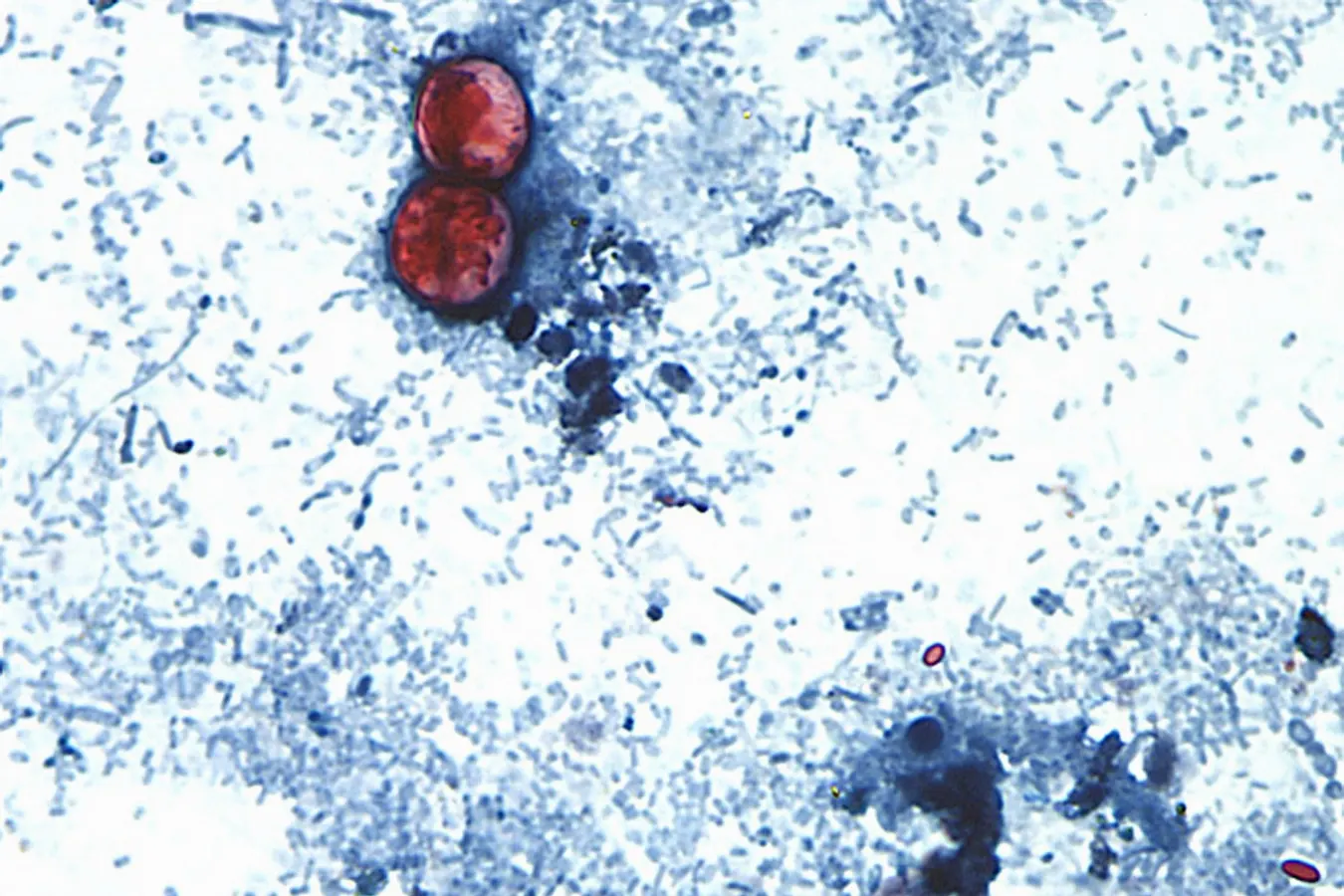
These fall into two main categories: protozoa -- like Cyclospora, the one causing "explosive diarrhea" right now -- and worms.
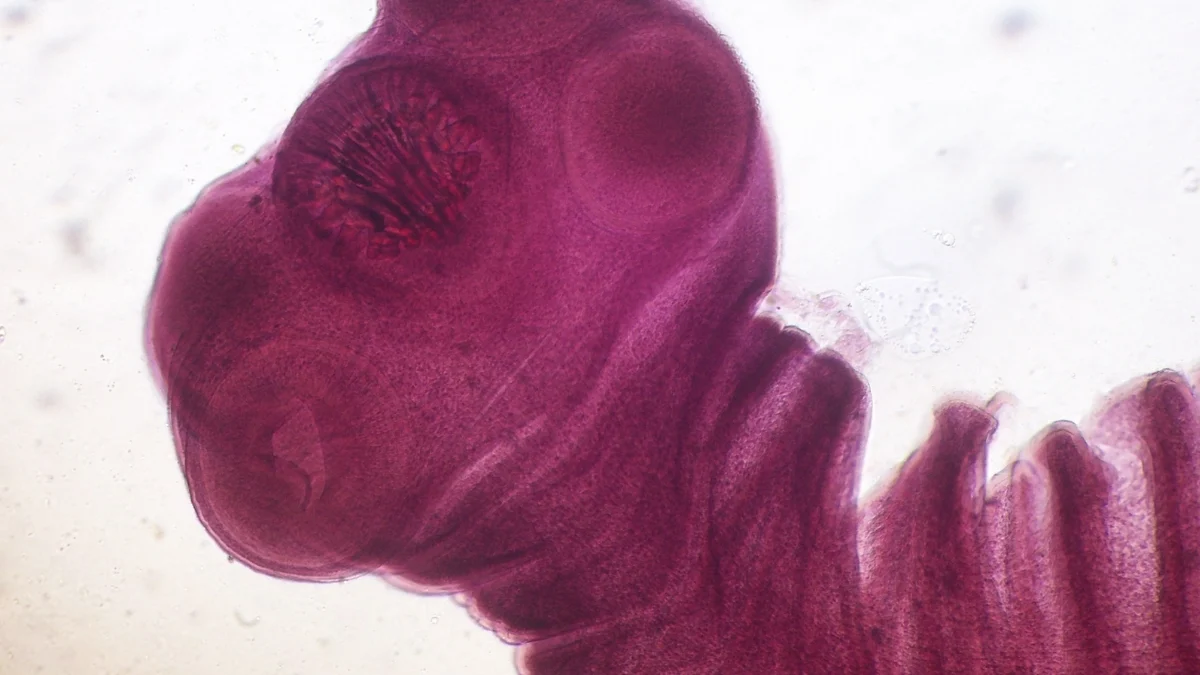
In the U.S., some of the most common foodborne parasites include Cryptosporidium spp., Giardia intestinalis, Cyclospora cayetanensis, and Toxoplasma gondii (all protozoa), as well as roundworms like Trichinella spp. and Anisakis spp., and tapeworms like Diphyllobothrium spp. and Taenia spp., according to the CDC.
"Protozoa will cause much more severe diarrhea," David Freedman, MD, professor emeritus of infectious diseases at the University of Alabama at Birmingham and spokesperson for the Infectious Diseases Society of America, told Medpage Today. "Worms can do other things because [they] can escape from the intestinal tract and end up in the liver and start blocking movements of fluids just because they're so physically big."
Indeed, Cryptosporidium spp., G. intestinalis, and C. cayetanensis "most commonly cause diarrhea and other gastrointestinal symptoms," according to the CDC. Meanwhile, worms can lead to abdominal pain, diarrhea, muscle pain, cough, skin lesions, malnutrition, weight loss, neurological and many other symptoms "depending on the particular organism and burden of infection."