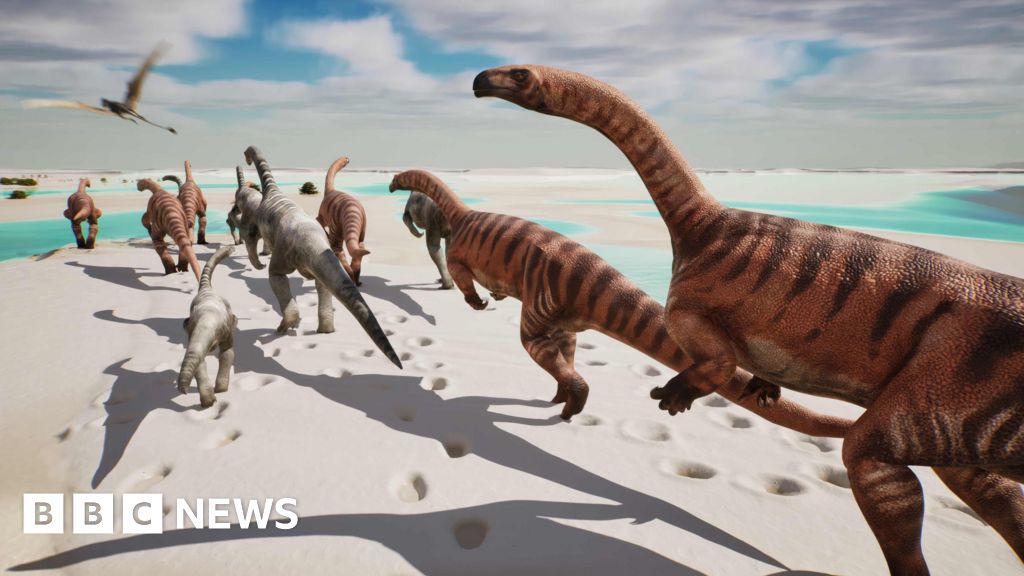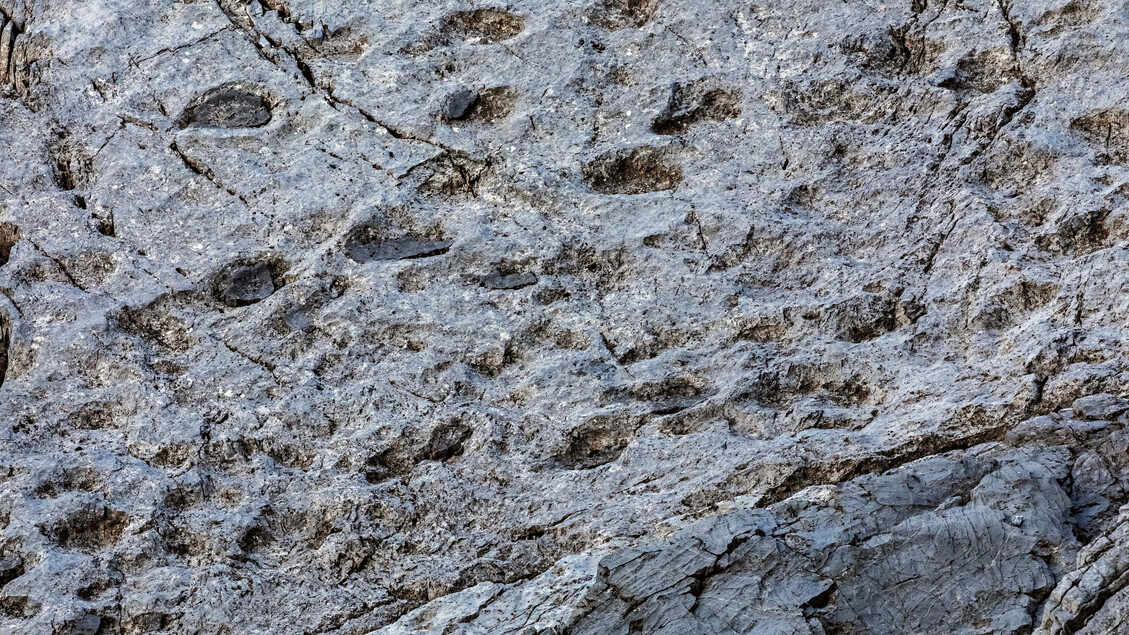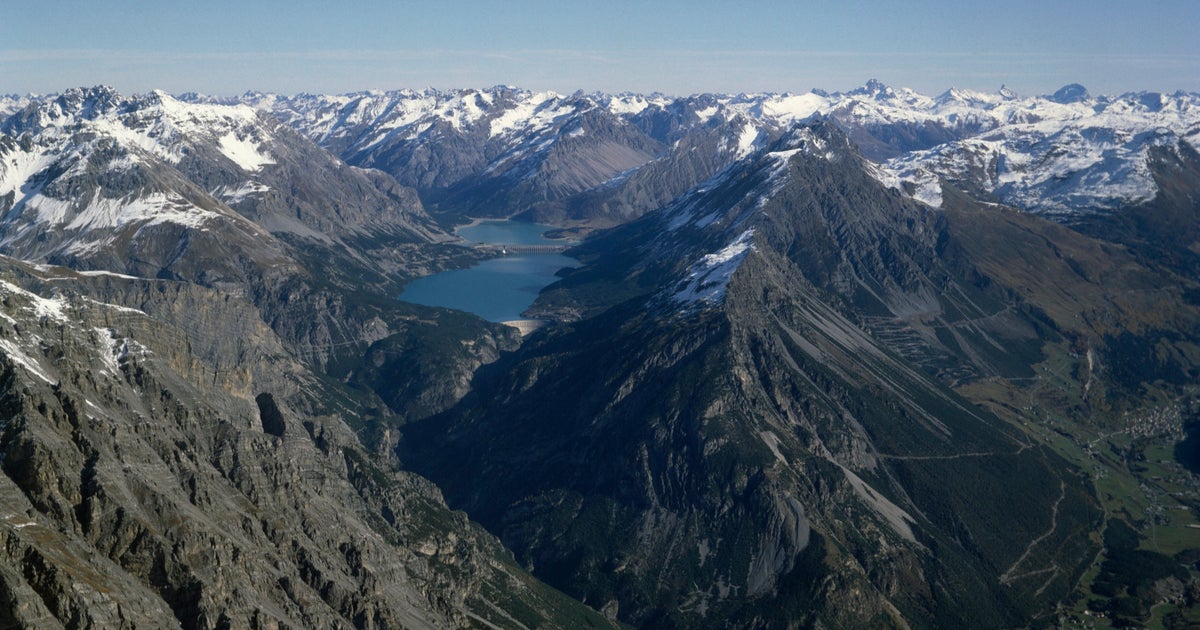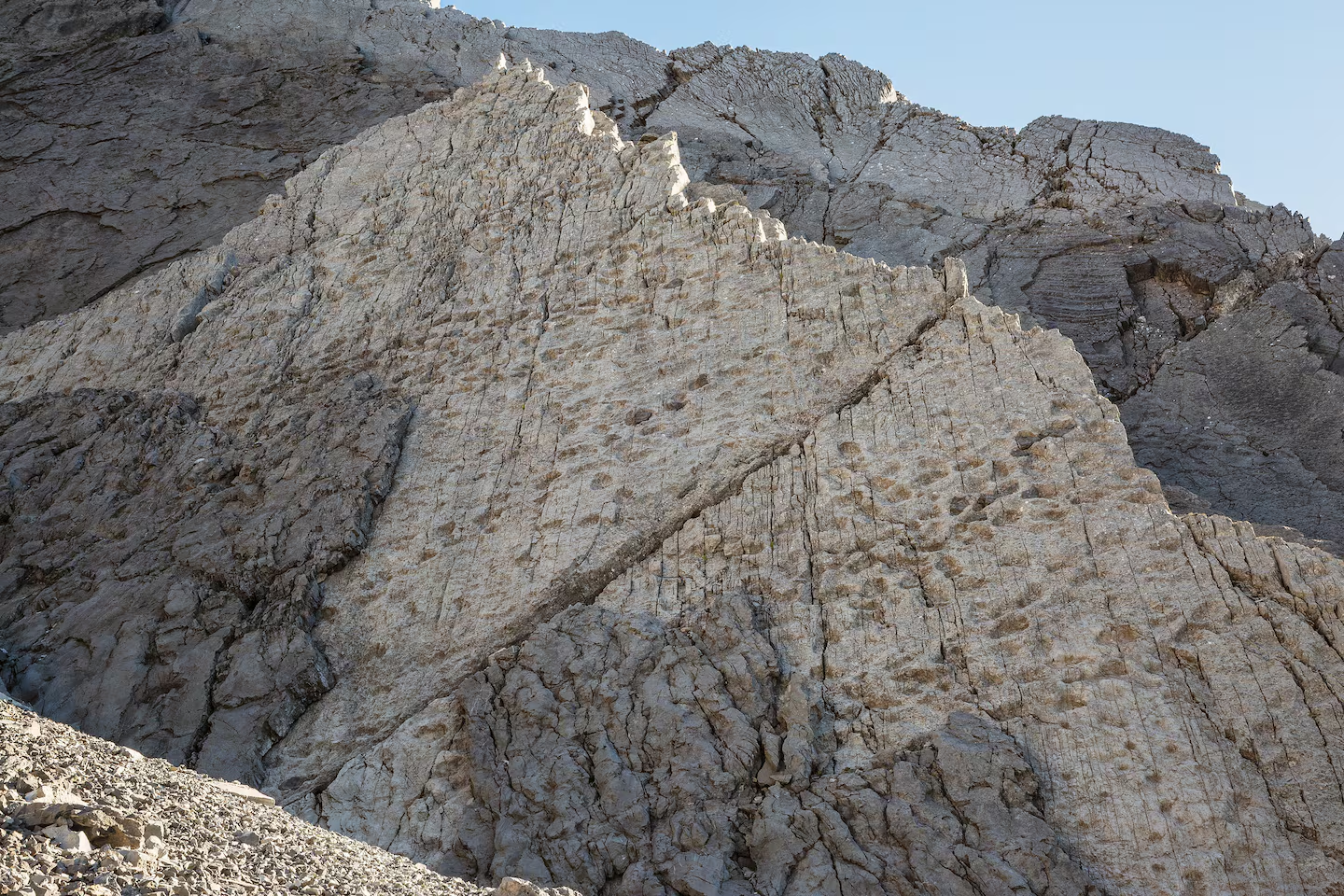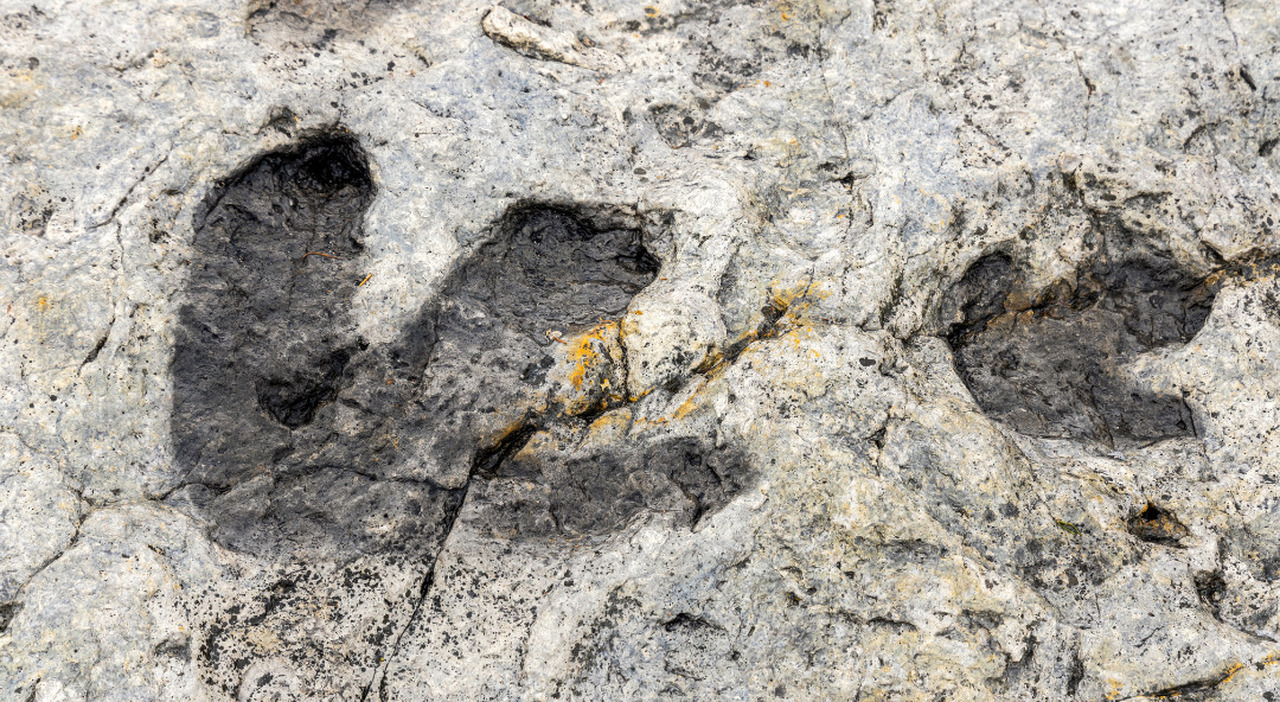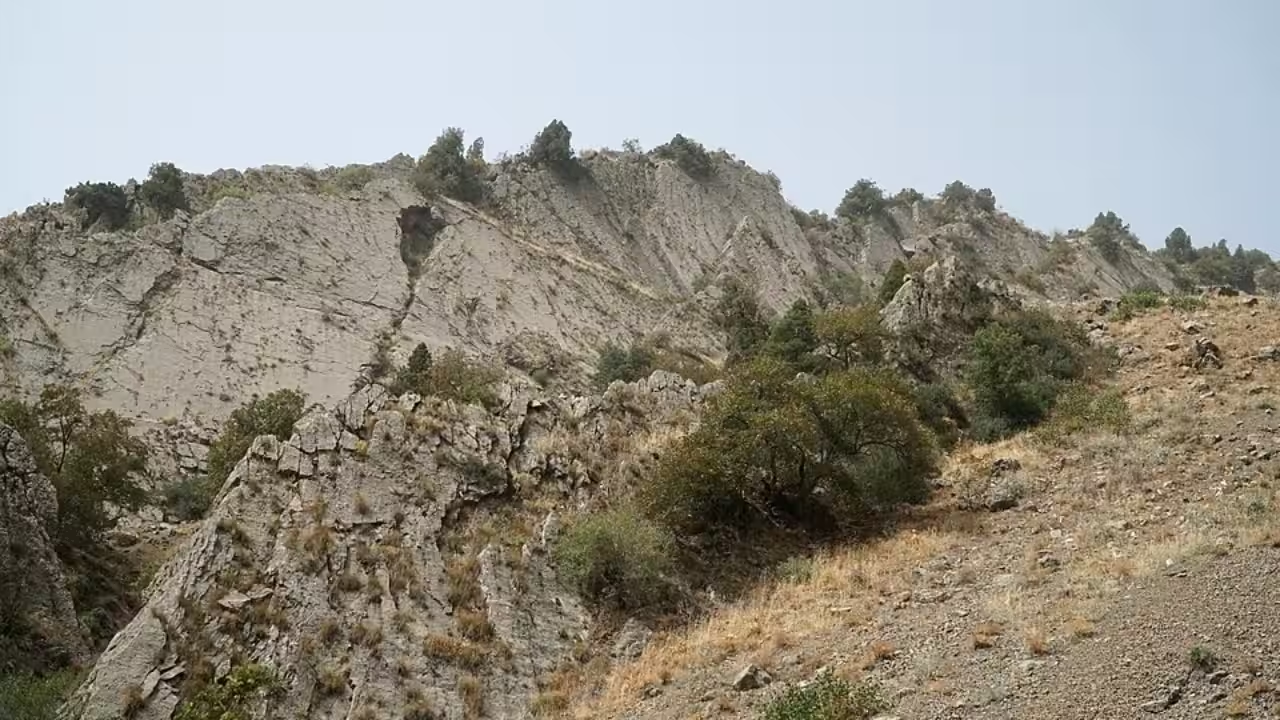
Representative image of dinosaur footprints found. Image credit: Wikimedia CommonsWhat once began as a routine wildlife photography trip turned into one of Europe’s one of the most remarkable prehistoric discoveries. A wildlife photographer stumbled upon thousands of dinosaur footprints in Italy’s Stelvio National Park, dating back 210 million years and revealing a vast prehistoric landscape hidden in plain sight. Notably, the revelation, made on steep rock faces in the Italian Alps, provided researchers with a glimpse into the lives of some of the earliest dinosaurs, including how they moved, travelled in groups and adapted to an ancient environment that bears little resemblance to today’s scenery. According to the BBC, researchers describe the site as one of the largest and oldest dinosaur track site discoveries ever documented in Europe.An accidental discovery on a mountain wallIn September 2024, the footprints were discovered by wildlife photographer Elio Della Ferrera, who had travelled to Stelvio National Park in hopes of capturing stills of deer and birds of prey. According to the Associated Press, instead of getting his intended photographs, Ferrera noticed unusual markings on a steep rock face exposed after snow and ice had retreated. Following this, the markings were later examined by palaeontologists from Milan’s Natural History Museum, who identified approximately 20,000 fossil footprints spread across nearly five kilometres of exposed rock, making it one of the most extensive Triassic tracksites found in Europe.According to AP, researchers estimated that the tracks dated back to the Late Triassic Period, around 210 million years ago, when the region looked completely different from today’s Alpine landscape. The BBC noted that northern Italy was then a warm coastal environment with muddy tidal flats where dinosaurs roamed and left footprints that were later buried by sediments and preserved. Notably, over the years, the uplift that formed the Alps tilted these ancient surfaces into the steep rock walls visible today, allowing the tracks to survive as an important geological record.Representative image of dinosaur footprints found. Image credit: Wikimedia CommonsAccording to Cristiano Dal Sasso, a palaeontologist at Milan’s Natural History Museum, as quoted by AP, many of the tracks appear in long parallel rows with consistent spacing, suggesting that the animals moved together calmly rather than running in panic. Notably, scientists believe most of these prints were made by large, long-necked herbivorous dinosaurs resembling Plateosaurus, with some reaching about 10 meters in length and weighing almost four tonnes. Furthermore, the BBC reports that researchers have identified circular arrangement tracks and repeated pathways that might indicate herd behaviour or coordinated movement across ancient mudflats. Although scientists have emphasised that further analysis is needed before drawing a firm conclusion, the well-preserved trackway provides evidence of how early dinosaurs may have interacted and travelled millions of years before later evolutionary changes.The discovery reshaped Italy’s prehistoric storyItaly was already known for important dinosaur footprint discoveries such as Lavini di Marco in Trentino, where decades of research revealed Early Jurassic trackways. According to palaeontological studies published in Comptes Rendus Palevol, dinosaur footprints helped scientists reconstruct ancient ecosystems even in regions where dinosaur bones are scarce. BBC noted that every new track record could reveal fresh hints about prehistoric biodiversity, movement patterns, and environments in which some of Earth’s earliest dinosaurs lived. Thus, the newly discovered Stelvio site is significant because of its enormous scale of preservation and Late Triassic age, which helped scientists to understand the dinosaur distribution.
In northern Italy, 210 million-year-old dinosaur footprints cover a national park, revealing secrets that astonished scientists
What once began as a routine wildlife photography trip turned into one of Europe’s one of the most remarkable prehistoric discoveries. A wildlife photographer stumbled upon thousands of dinosaur footprints in Italy’s Stelvio National Park, dating back 210 million years and revealing a vast prehistoric landscape hidden in plain sight.
563 words~3 min read