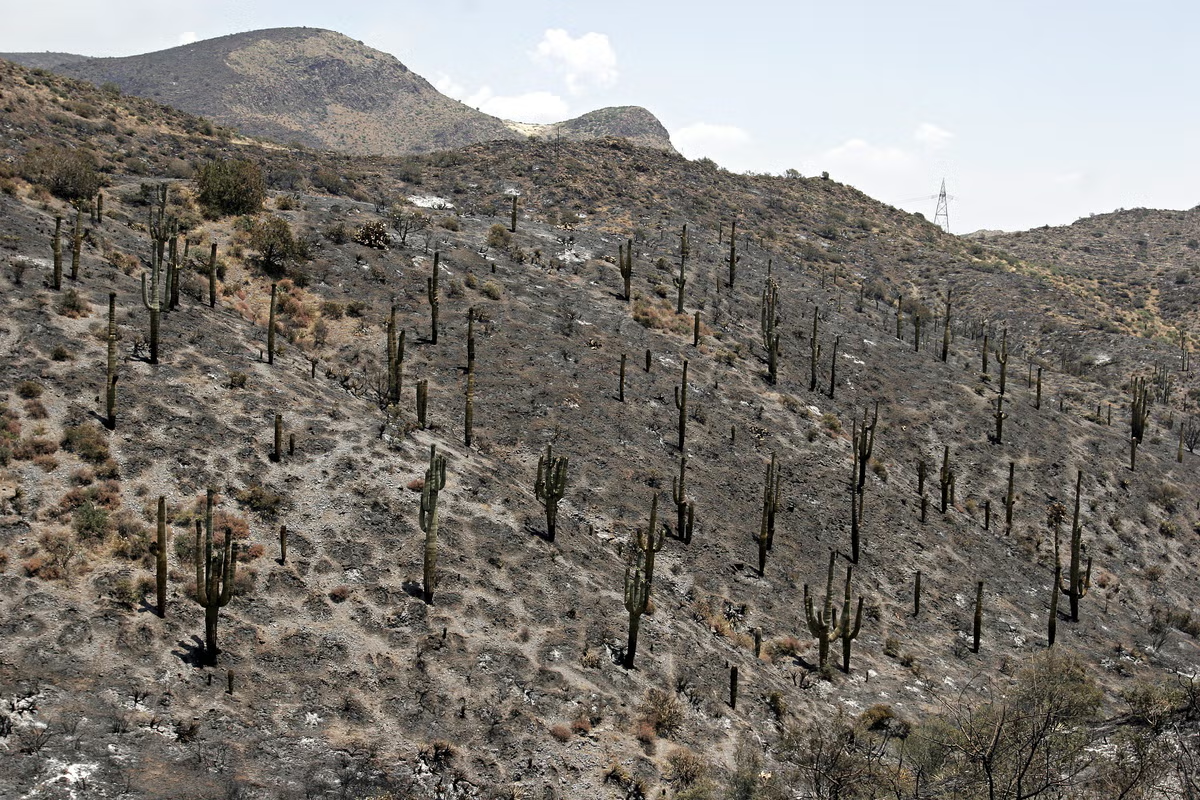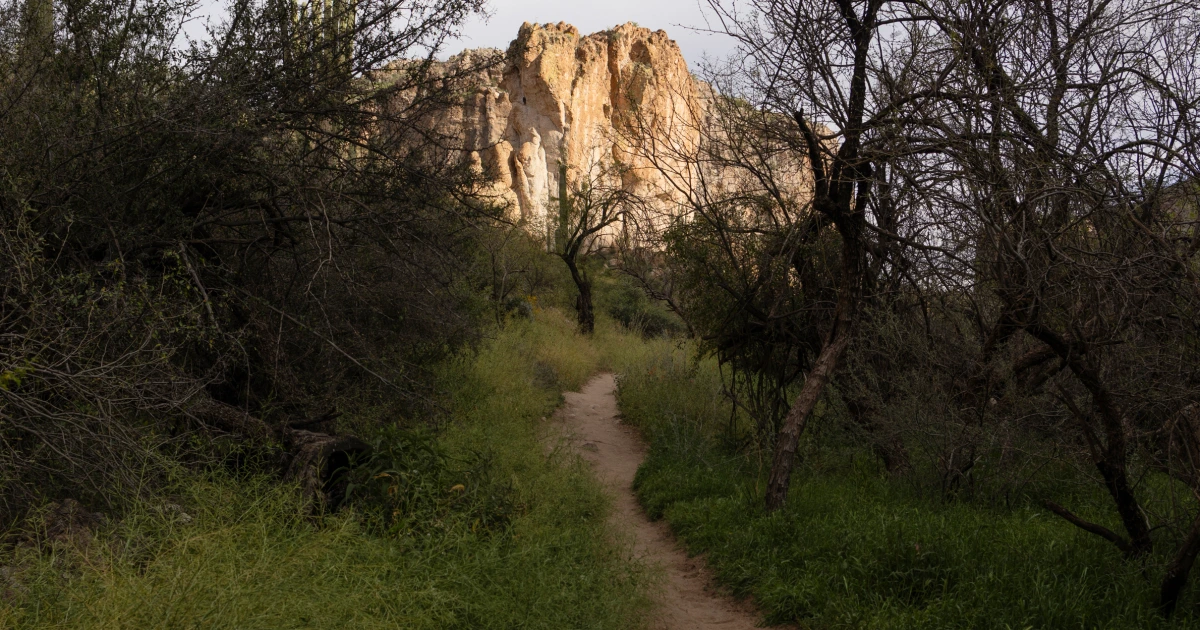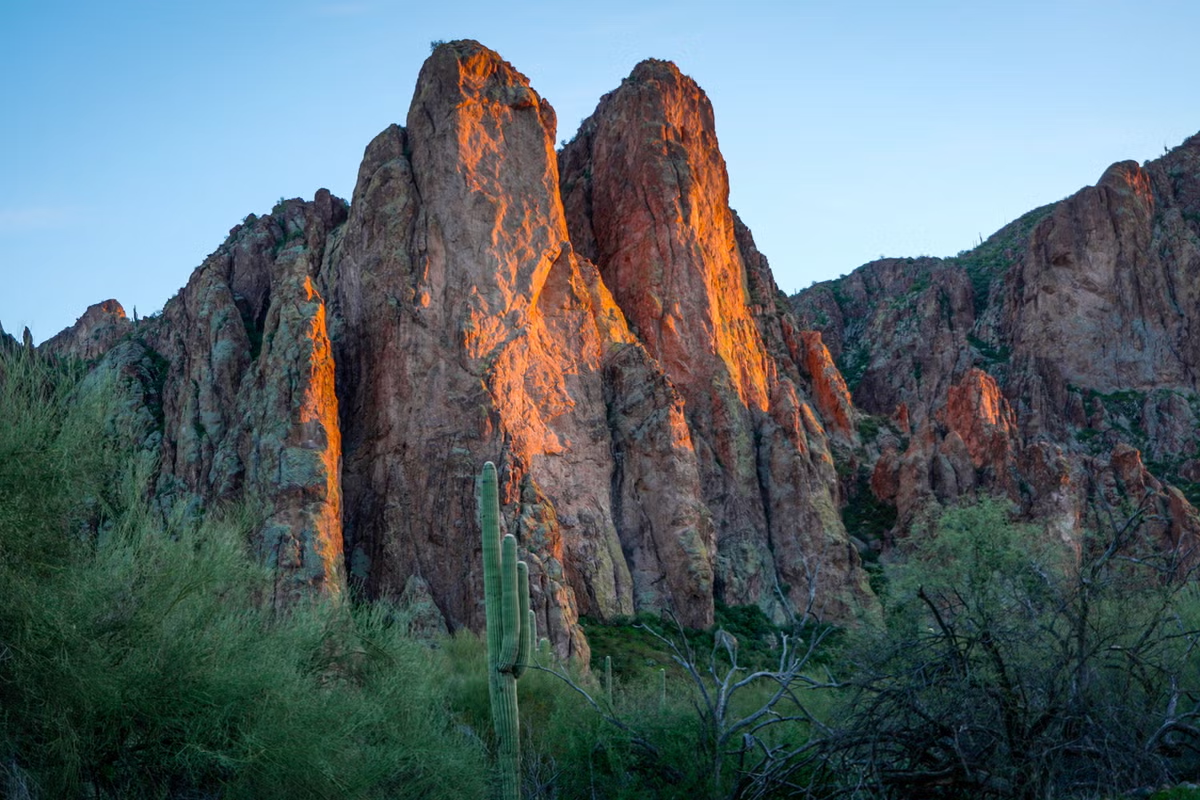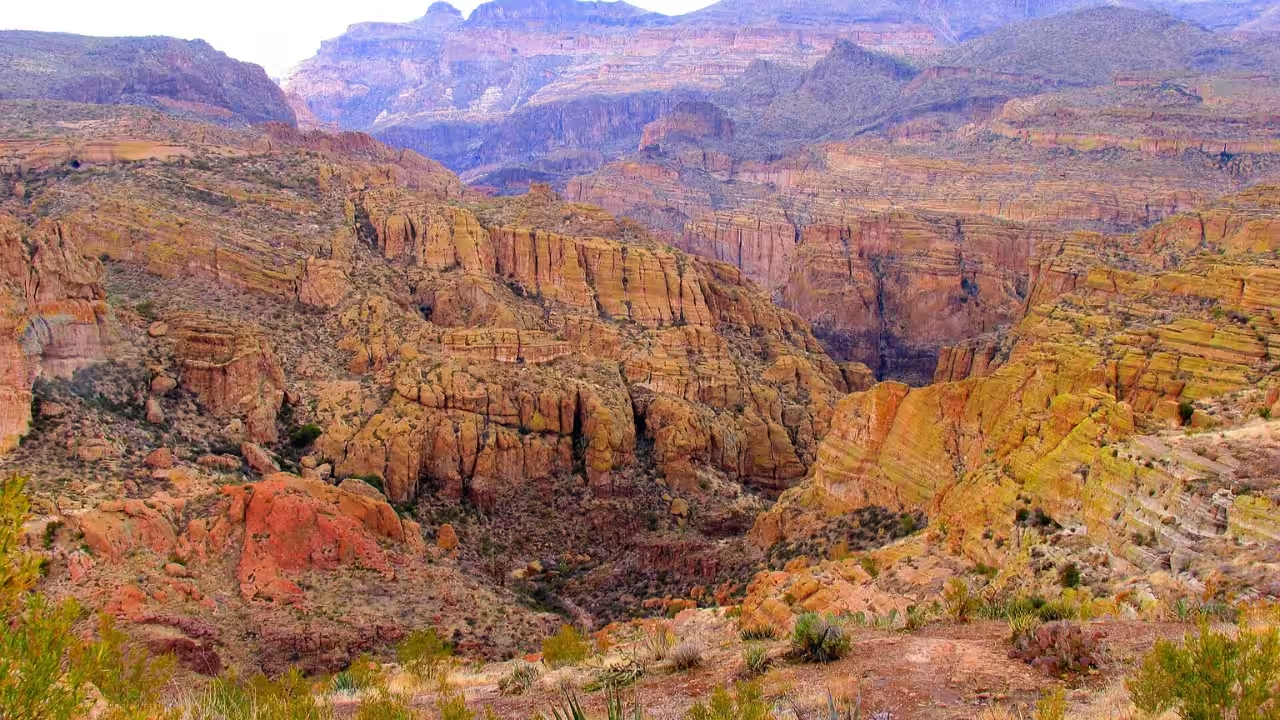
A stunning view of desert foliage in the forest with canyonlands stretching into the distance. Arizona, Tonto National Forest area | Wikimedia CommonsFor years, U.S. Forest Service officers returned to the same remote area of Arizona’s Tonto National Forest, issuing warnings, citations and orders to clean up what they described as an increasingly sprawling illegal campsite. According to court records, the man living there ignored repeated instructions to leave, continuing to occupy public land while building structures, lighting campfires during fire restrictions, and accumulating an estimated 1,000 pounds of rubbish. Authorities say the campsite eventually became one of the worst long-term residential encampments they had encountered, though one question remains unanswered: why he chose to live there for nearly a decade.According to KTLA’s report, 65-year-old Mark Aaron Gatz pleaded guilty after federal authorities accused him of unlawfully living in Arizona’s Tonto National Forest for about eight years. Court documents say Gatz admitted he had spent the last two years at the campsite where officers eventually arrested him, although he had lived in the wider Payson Pine area of the forest for much longer. Forest Service officers said visitors had repeatedly complained about a large illegal camp, prompting multiple inspections over the past year. During those visits, officers documented discarded clothing, tools, tires, plastic bags, aluminum cans, containers of used motor oil, makeshift structures, and an estimated 1,000 pounds of trash spread across roughly half an acre of public land.A stunning view of desert foliage in the forest with canyonlands stretching into the distance. Arizona, Tonto National Forest area | Wikimedia CommonsRangers say warnings and citations failed to stop the campAccording to ABC News, officers had encountered Gatz several times before his arrest, issuing warnings and citations for violating fire restrictions, constructing structures on National Forest land, and creating unsanitary conditions. Court filings also state that he had six outstanding federal warrants connected to previous violations by the time officers returned to the campsite on June 25. During that visit, they allegedly found an active wood-burning fire despite Stage 2 fire restrictions, with Gatz later telling officers he knew the restrictions were in place but needed the fire to cook food.Federal regulations generally limit camping in national forests to 14 days within any 30-day period, a rule intended to reduce environmental damage and ensure public lands remain available for everyone. Officers said the campsite had evolved far beyond temporary camping, with repeated visits revealing additional debris and new structures despite earlier instructions to clean up the site.A pine-oak woodland grove along the Gold Ridge trail | Wikimedia CommonsGuilty plea closes the criminal case, but not the larger questionsAccording to The Guardian, Gatz eventually pleaded guilty to unlawfully residing in the national forest and violating federal fire restrictions. He was sentenced to time served followed by three years of probation. Court records indicate authorities considered seeking thousands of dollars in restitution for environmental damage, though the final agreement resolved the case without requiring those payments. The criminal proceedings explain how the case ended but not why it began. Public court documents do not describe Gatz’s motivation for living in the forest for so many years, nor do they indicate whether homelessness, personal choice or other circumstances led him there.Instead, the record focuses on the consequences. Officers described extensive damage to public land, repeated violations of fire restrictions during periods of heightened wildfire risk and a growing accumulation of waste in one of Arizona’s protected national forests. While the guilty plea brings the legal case to a close, the story has also highlighted the difficult balance facing land managers who must protect public forests while responding to long-term unauthorized encampments that can pose environmental and safety risks.
For years, an Arizona man allegedly lived illegally in Tonto National Forest for reasons still unknown: Rangers found 1,000 pounds of trash
For years, U.S. Forest Service officers returned to the same remote area of Arizona’s Tonto National Forest, issuing warnings, citations and orders to clean up what they described as an increasingly sprawling illegal campsite.
614 words~3 min read