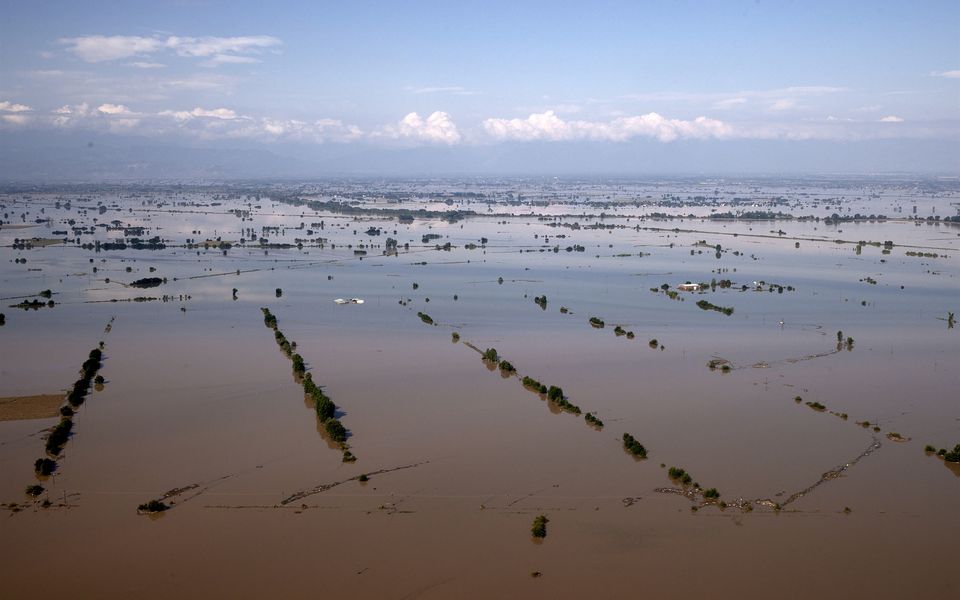
“It no longer takes an extreme weather event to cause serious damage. Even a common phenomenon of lesser intensity is enough to create significant problems,” says Dr Katerina Papagiannaki, principal research scientist at the Institute of Environmental Research and Sustainable Development at the National Observatory of Athens, summarizing one of the most worrying conclusions of a recently published study that goes back 25 years.
The study, titled “Impact-Based Analysis of Weather-Related Hazards in Greece (2000-2025): Insights from the High-Impact Weather Events Database,” records all the weather events in Greece which – regardless of their size – were associated with serious societal and economic impacts. That includes events like the deadly floods in Mandra, West Attica, in 2017, and the thick snow that covered the region of Attica in 2023, to the deadly Storm Daniel that submerged Thessaly under water in the same year. The report, published in May in the scientific journal MDPI (Climate), records a clear rise of such events over 25 years.
“The crucial message is that we are faced with a double challenge: The increase in events with socioeconomic impacts is a result of both climate change, which brings more intense phenomena, and the ever-increasing local vulnerability and exposure of our country to these risks,” says Papagiannaki.