TL;DRNTSB says the driver, not FSD, caused the fatal Texas Tesla crash by flooring the accelerator to 100 percent on a residential street.
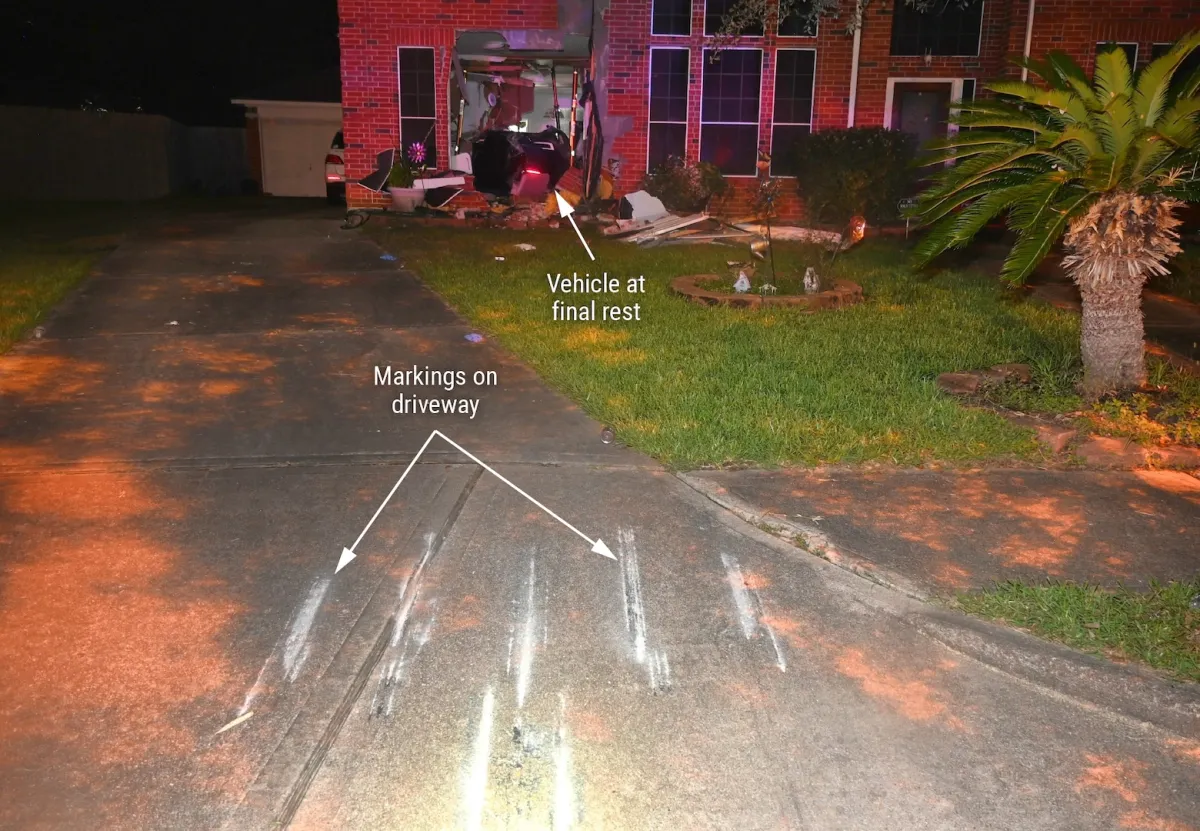
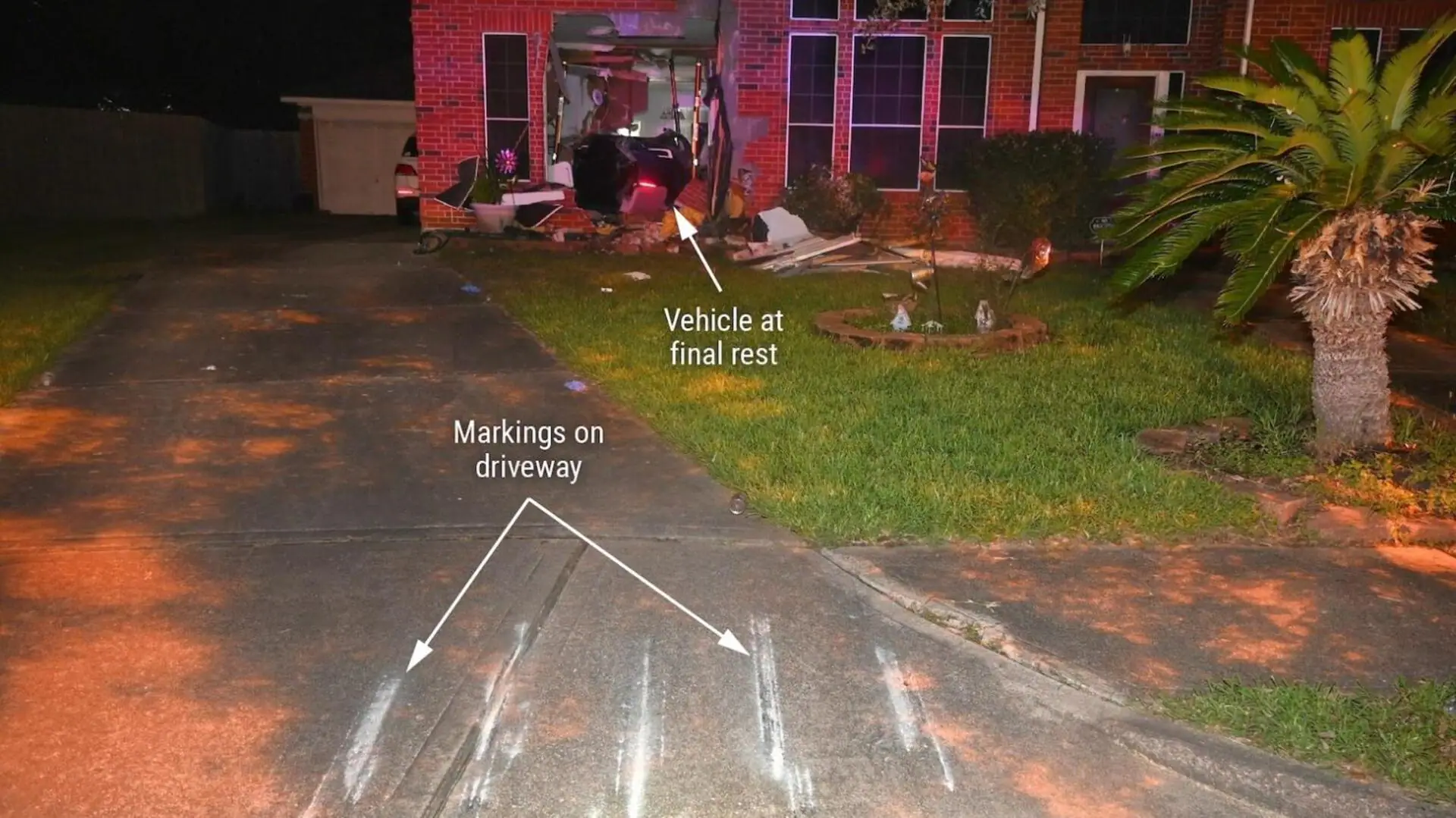
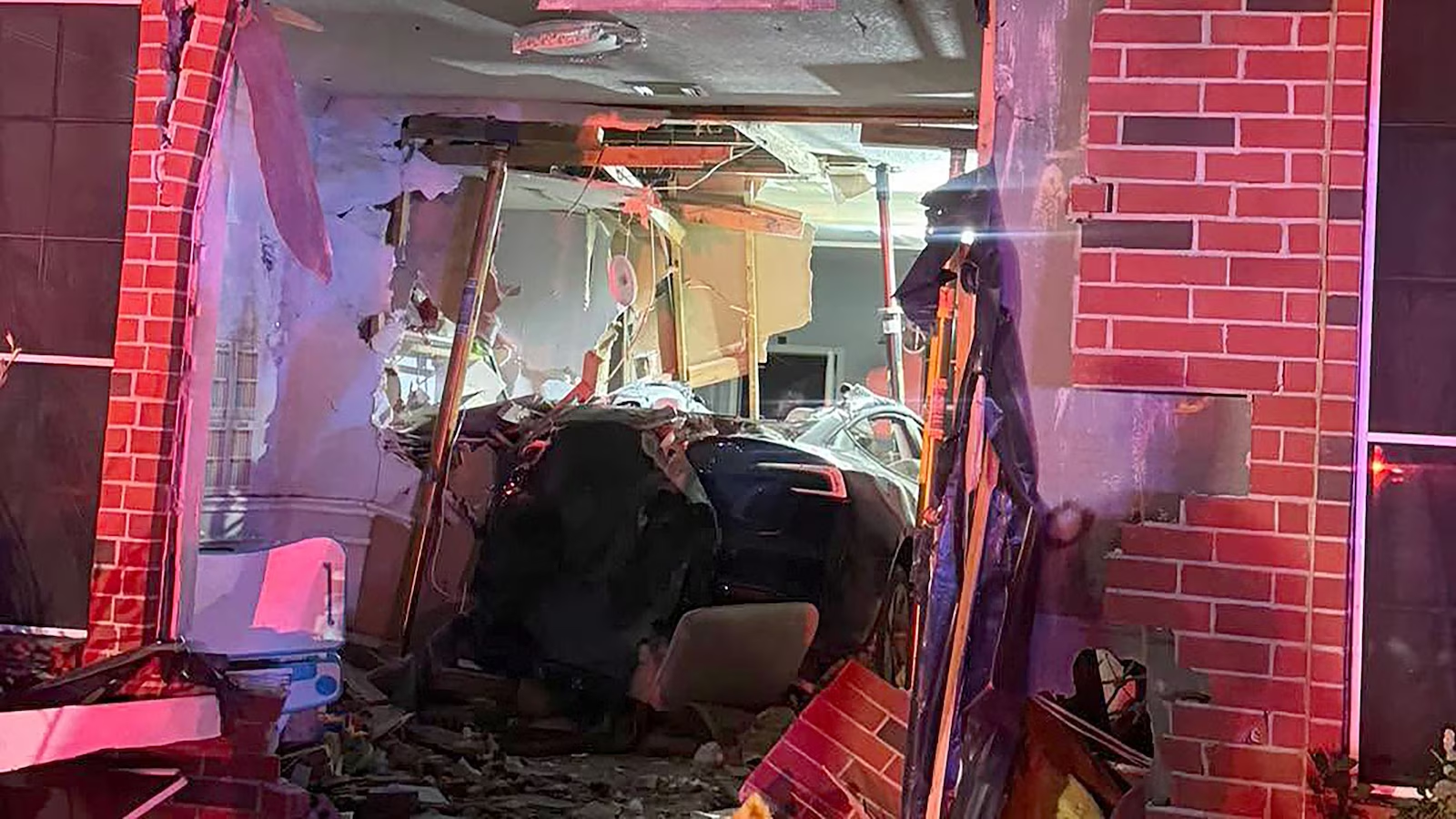
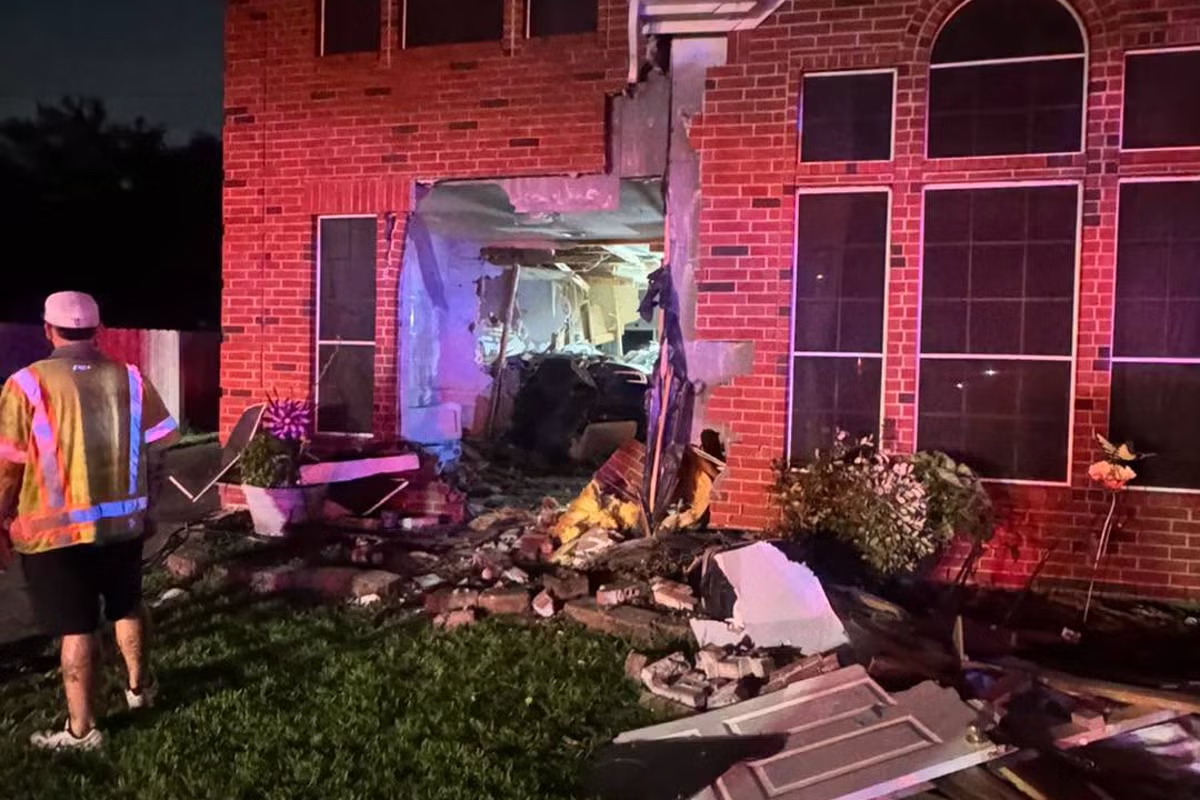
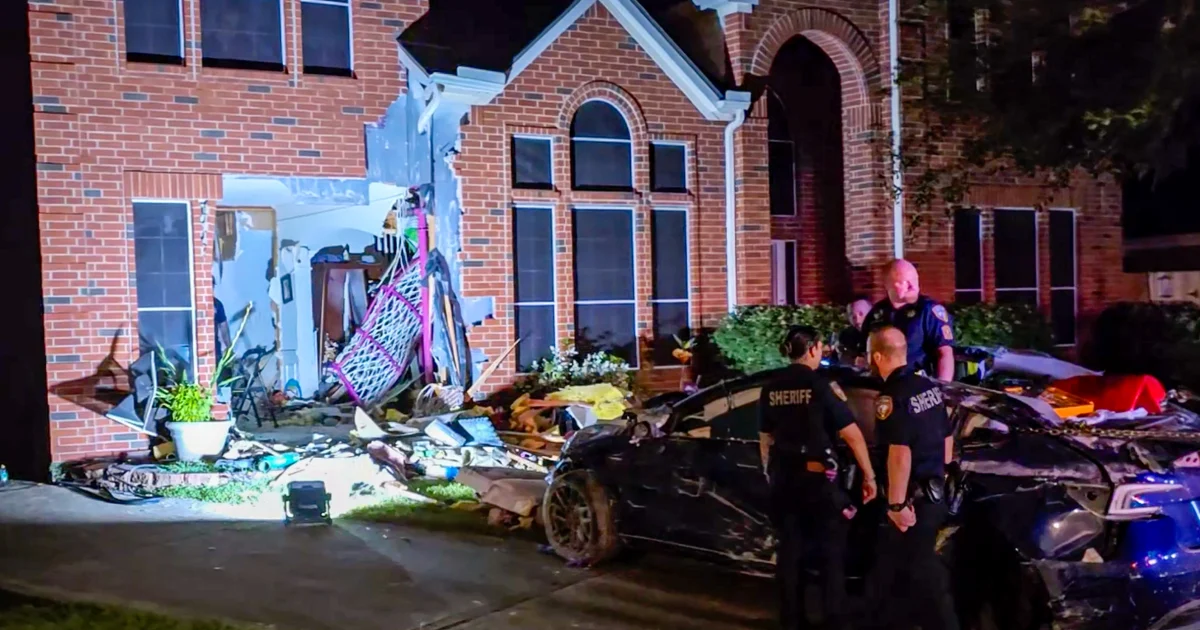
The driver of a Tesla that crashed into a Texas home and killed a 76-year-old woman had manually overrode Full Self-Driving by pressing the accelerator pedal to 100 percent, the National Transportation Safety Board said in a preliminary report released on Wednesday. The 2025 Model 3 was travelling at more than 70 mph on a residential street with a 30 mph speed limit in Katy, west of Houston, when it jumped the curb and tore through a brick wall on June 19. Martha Avila, who was standing in the front room, died from her injuries.
The driver, 44-year-old Michael Butler, told police after the crash that he had passed out while using Tesla’s driver-assistance system. But investigators found Google searches on his phone including “Tesla FSD not aggressive enough” and “Tesla FSD too timid,” raising serious questions about how he was using the system before the collision. Butler has been charged with manslaughter, and Avila’s family has filed a wrongful-death lawsuit against both Butler and Tesla.
The finding clears Tesla’s FSD software in this particular crash but does not resolve the broader scrutiny facing the company’s driver-assistance technology. NHTSA elevated its own investigation of FSD to engineering analysis in March, one step short of ordering a recall, covering more than three million vehicles after documenting crashes where the system failed to detect poor visibility conditions until immediately before impact. The agency has opened 46 special crash investigations into Tesla’s self-driving or driver-assistance technology over the past decade, with fatalities in more than a dozen cases.