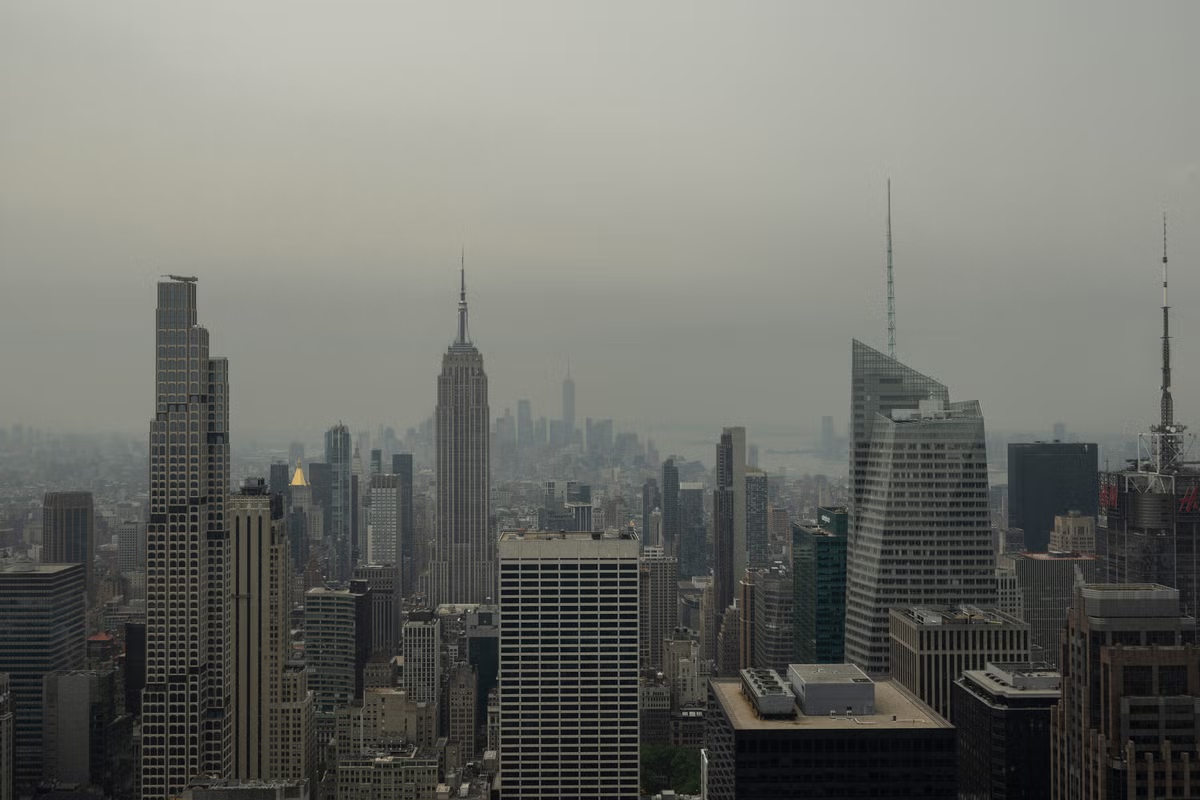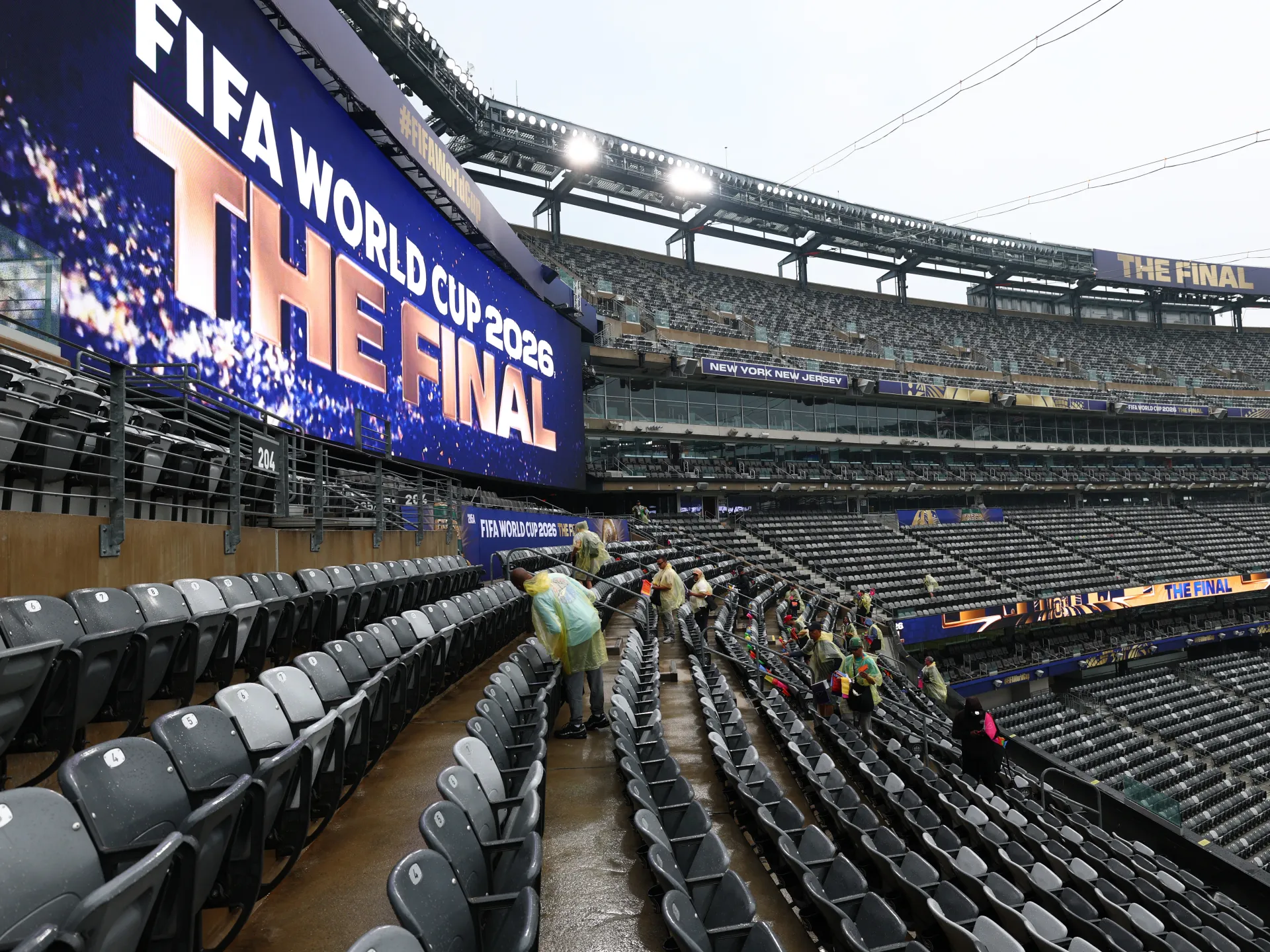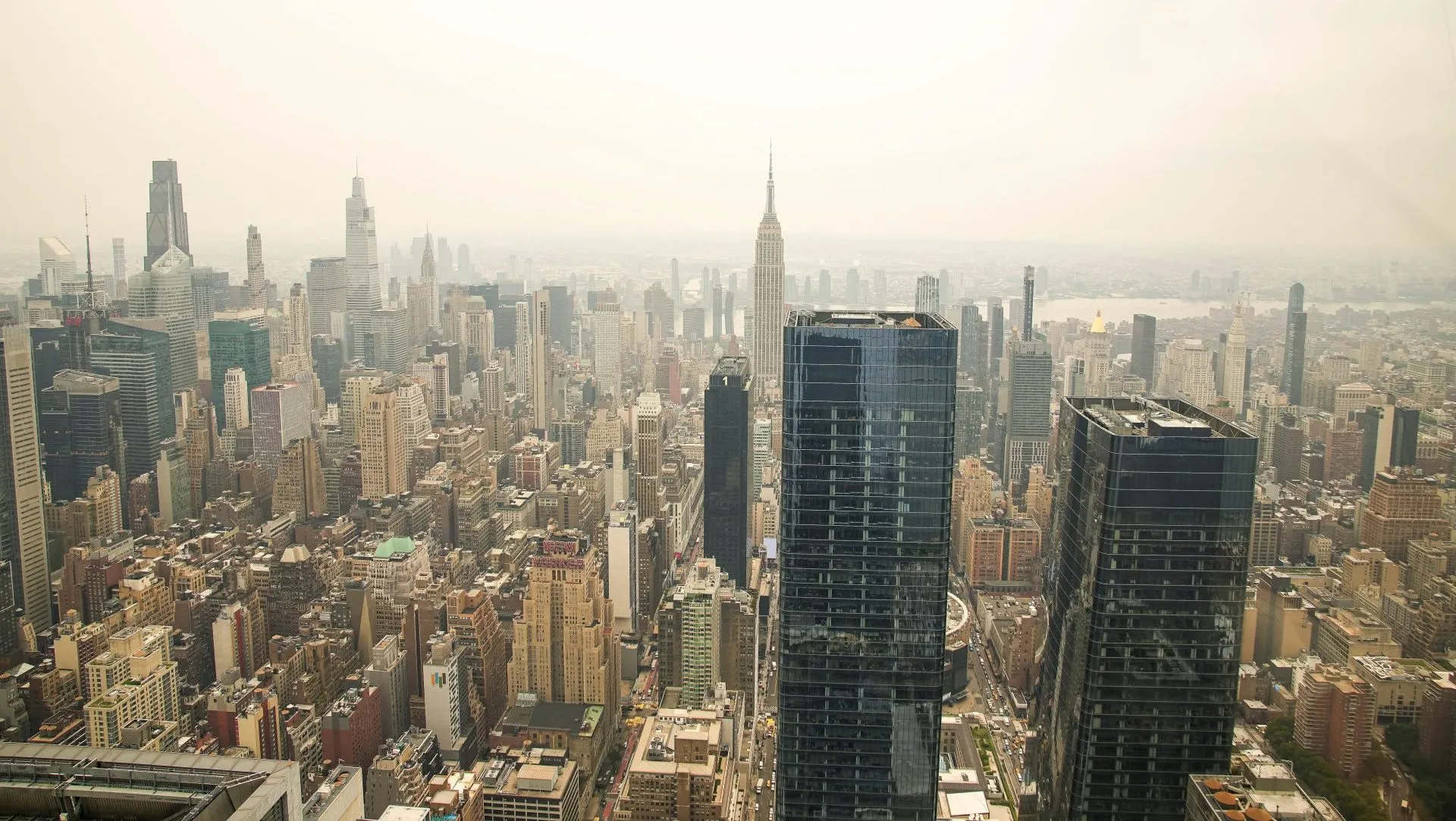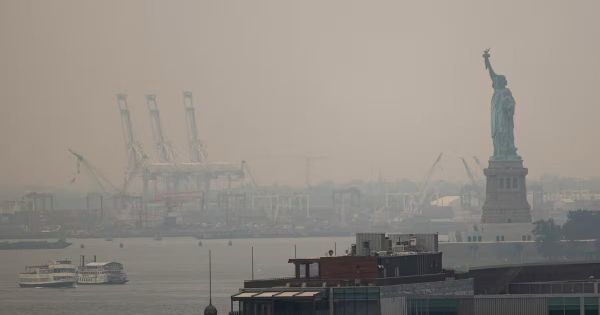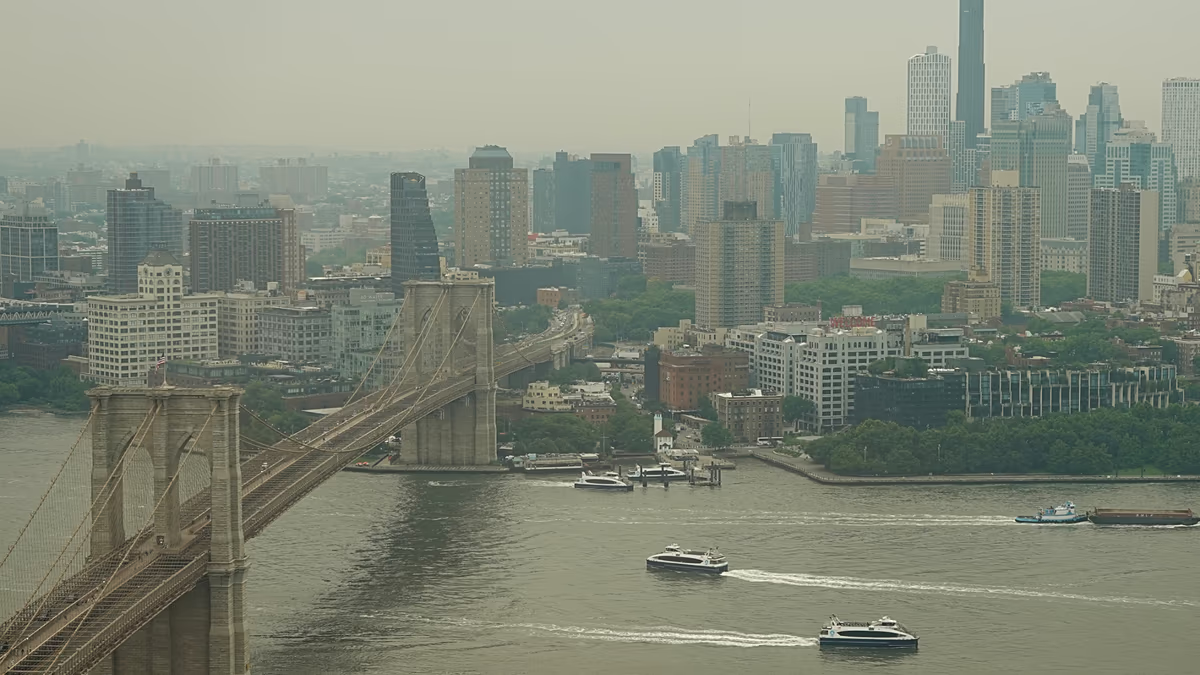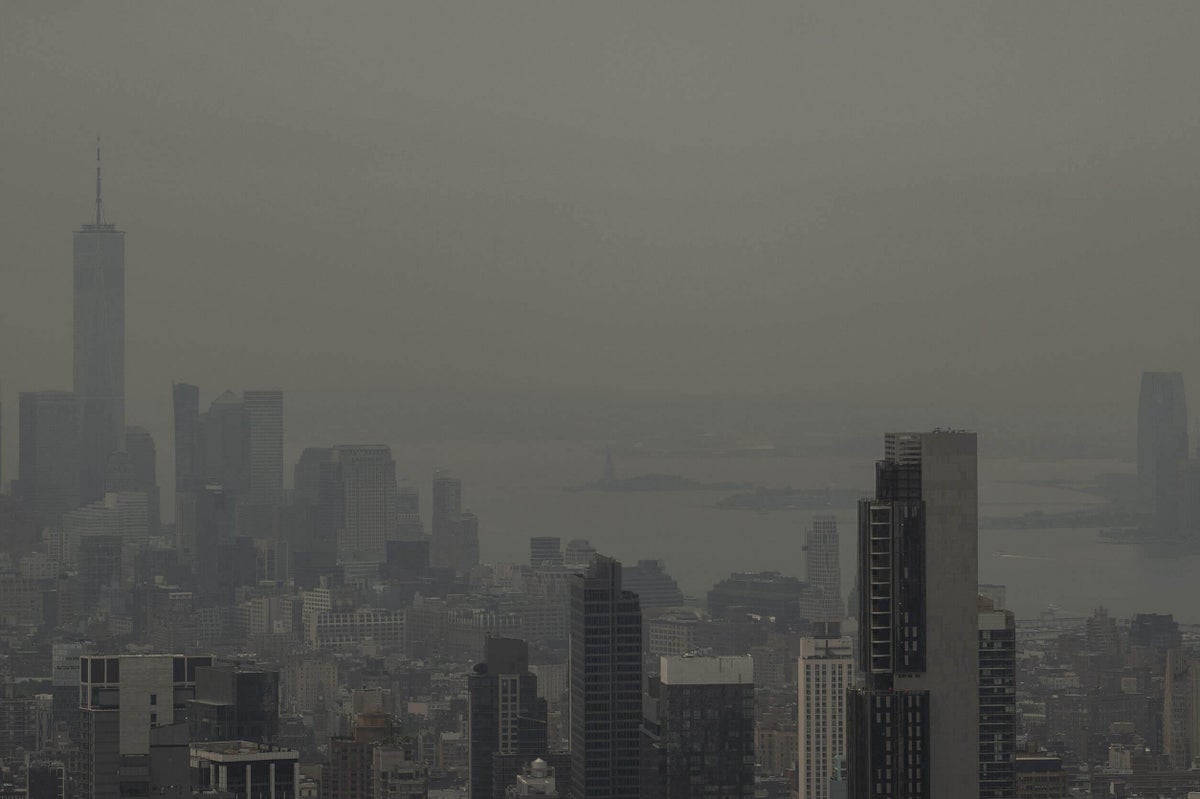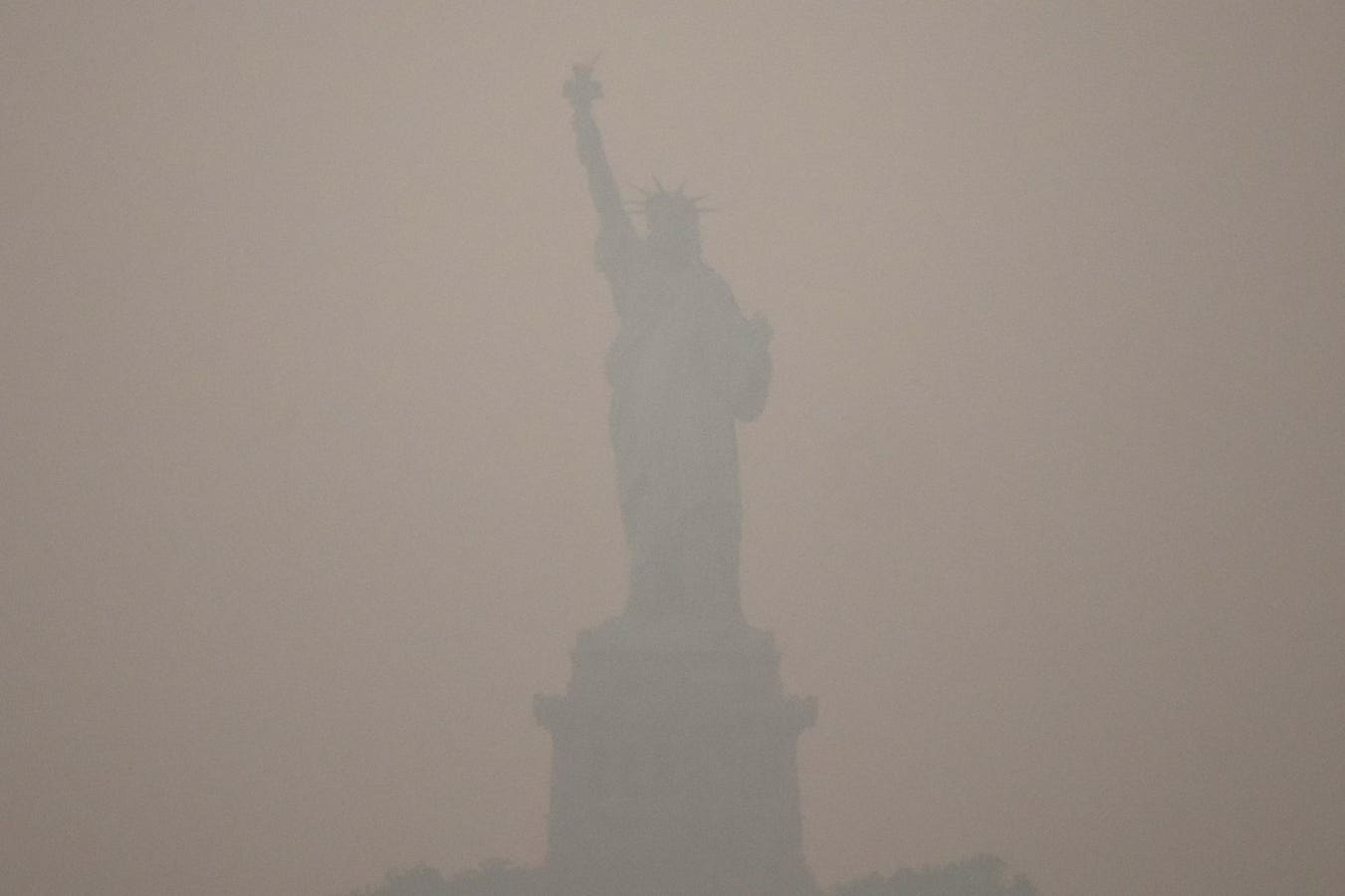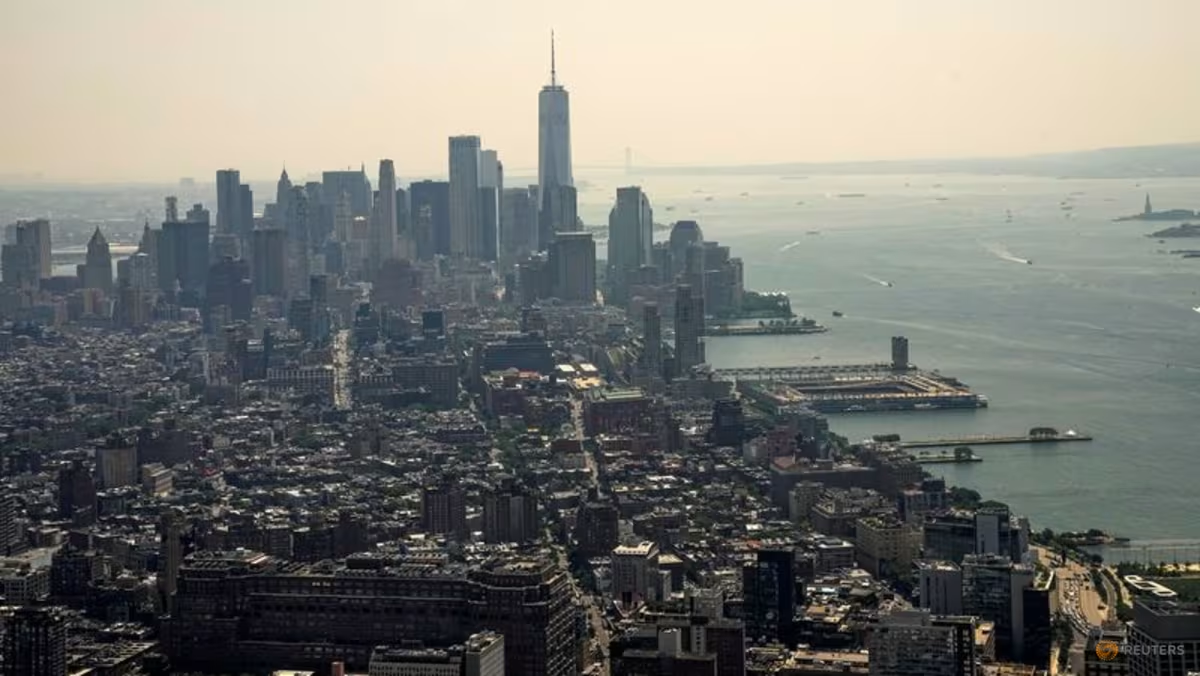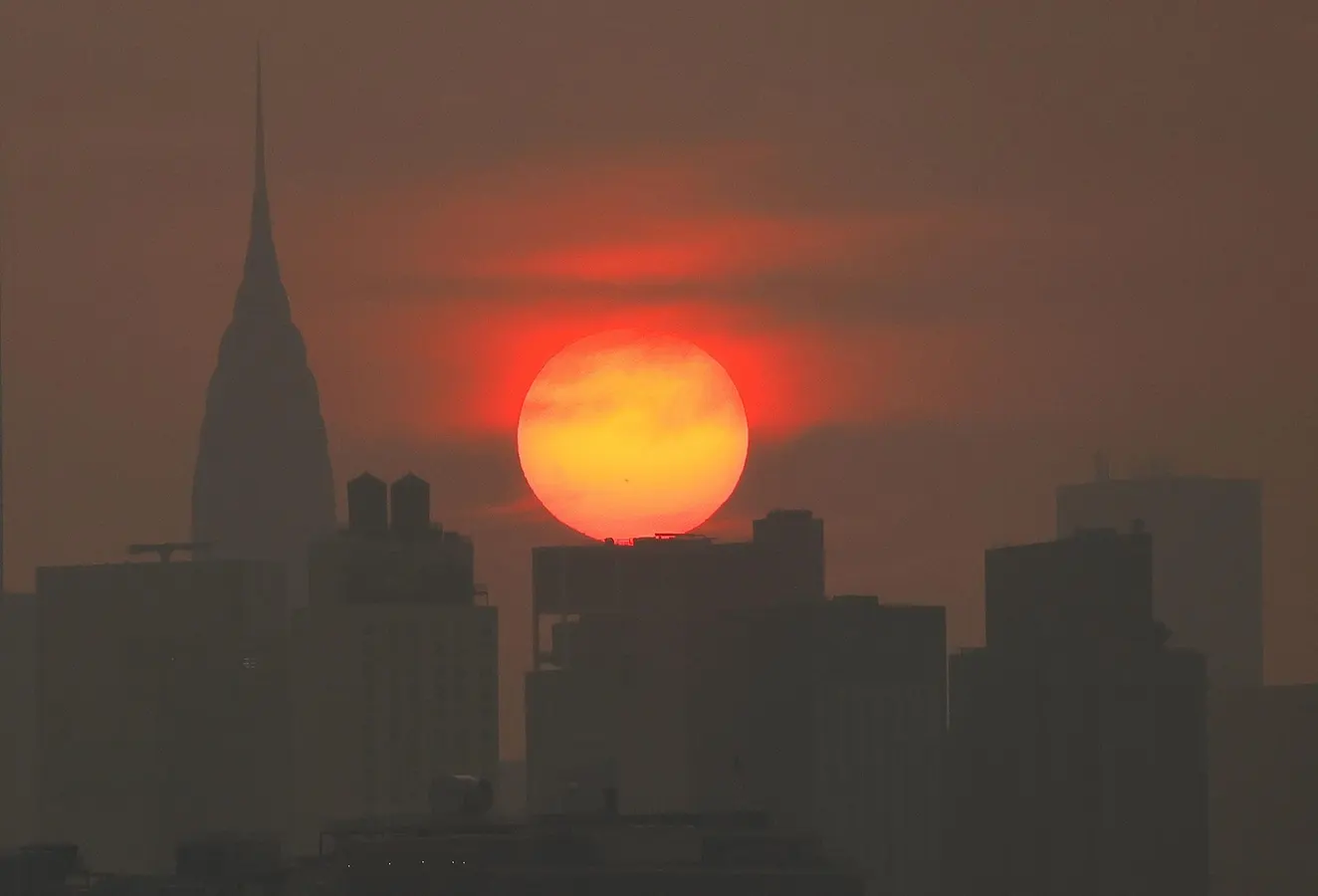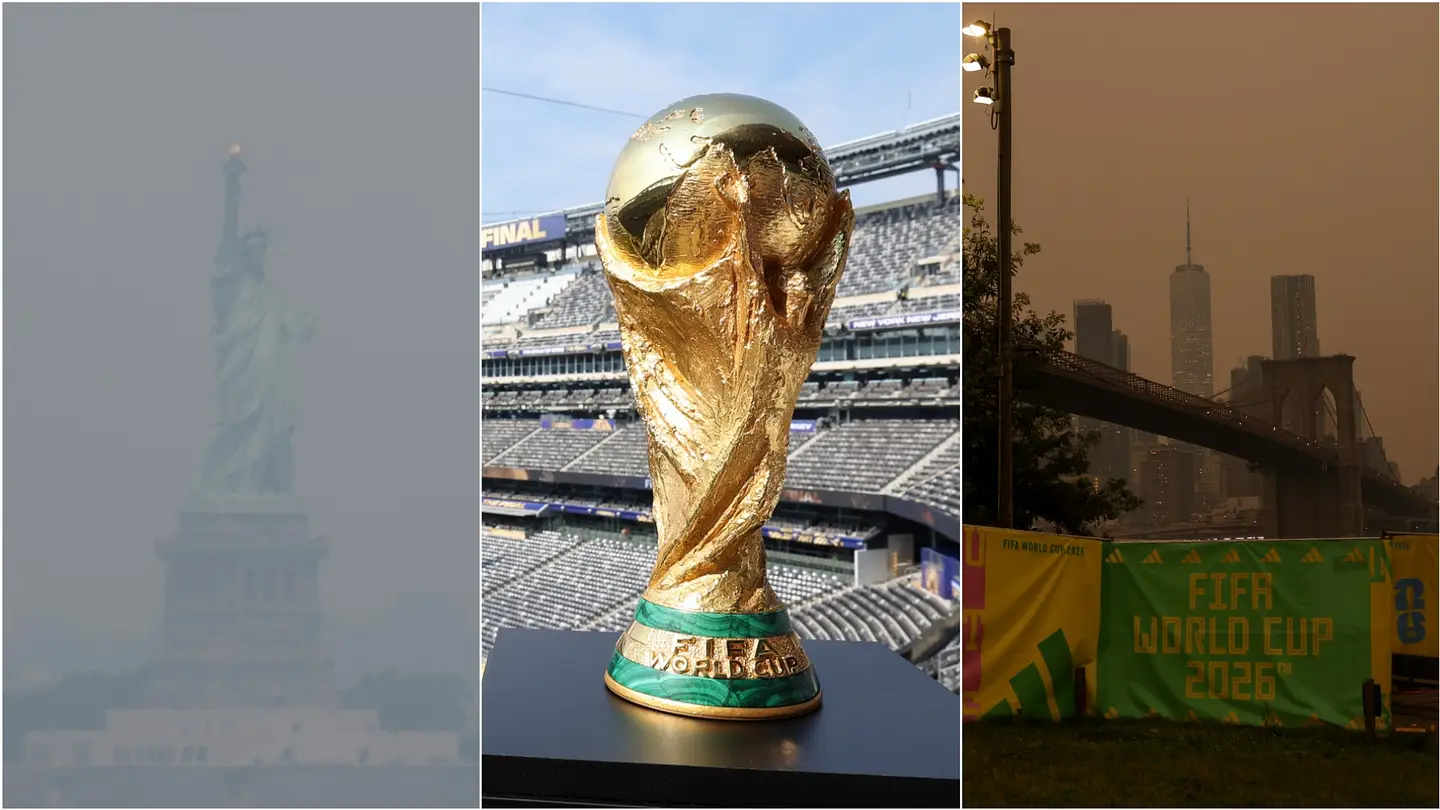
The World Cup final is expected to be heated between Argentina and Spain on Sunday, but it could also be smoky, with Canadian wildfires impacting much of the U.S. Northeast, including New Jersey. An intense orange haze swept over Toronto and into Detroit in recent days, with smoke drifting down from wildfires in Northwestern Ontario. On Thursday, New York City had the world’s 10th-worst air quality, while Detroit, Toronto, Minneapolis and Chicago made up the top four, according to IQAir.The Swiss website, which tracks global air quality, listed New York’s air quality as “unhealthy for sensitive groups,” while the other North American cities in the top 10 cracked the higher threshold of “very unhealthy” and “hazardous.” New York City was under an air quality alert on Wednesday and Thursday, with the city offering free K-95 masks for those looking for smoke protection. Why Smoke MattersToronto had the worst air quality in the world on Wednesday, forcing the FIFA FanFest to close. | Cole Burston/AFP/Getty ImagesWhile extreme heat and humidity have already affected the World Cup and were a concern heading into the final at MetLife Stadium, which lacks air conditioning and a roof, the smoke poses greater health risks. For healthy people, wildfire smoke can sting the eyes and irritate the throat and lungs, resulting in coughing, wheezing, or further breathing issues, and bringing on symptoms including chest pain, a rapid heartbeat, headaches, a runny nose, and fatigue. While fans would feel one level, it is a significantly greater risk for players, with higher oxygen demands. On Wednesday, an NWSL match between Gotham FC and the Washington Spirit at New York City’s Yankee Stadium had to take hydration breaks every 15 minutes to ensure players could finish it. “Air quality was rough,” U.S. women’s national team midfielder Trinity Rodman told The Athletic after the game. “Not to make excuses at all, but I think on both sides we were all like, ‘another break, another break, another break.’”“If we have to have a hydration break every 15 minutes, then we shouldn’t be playing the game, and that’s my opinion,” she added, with the match played in front of a record crowd for women’s sports in New York. “But at the end of the day, there are 40,000 people. It’s a whole event, so it’s really tough. It’s just a really hard situation for everyone to work around.”Thursday sees the return of Major League Soccer from its World Cup break, which was supposed to include the Chicago Fire hosting Vancouver Whitecaps at Soldier Field and a debut for Robert Lewandowski—until it was postponed. Near Toronto, Canadian Premier League side Forge FC had yet to adjust their match against Pacific FC on Thursday morning, despite dangerous smoke levels. Will the Smoke Clear for Sunday’s World Cup Final?Spain trained at Gotham FC’s facility despite the wildfire smoke on Thursday. | Lokman Vural Elibol/Anadolu/Getty ImagesThere is hope that the smoke will partially clear for Sunday’s World Cup final, set for 3 p.m. ET/12 p.m. PT, with rain in the forecast for much of Friday and Saturday in the New York City Metropolitan Area. However, changing winds and continually dry forests north of the city could further worsen the situation, which remains incredibly fluid, and temperatures are expected to surpass 82 degrees, with significant humidity. In Toronto, Wednesday’s FIFA FanFest watch party for England vs. Argentina was called off due to the smoke levels and in New York, Governor Kathy Hochul and New York City Mayor Zohran Mamdani have urged people to take extra precautions. As of now, there are no plans to postpone the match due to air quality issues, but it wouldn’t be the first time smoke has impacted a World Cup final. At the 2015 Women’s World Cup, the USWNT defeated Japan in Vancouver, under a less severe haze from wildfires in British Columbia and Alberta.READ THE LATEST WORLD CUP NEWS, ANALYSIS AND INSIGHT FROM SI FCAdd us as a preferred source on GoogleFollow
Wildfire Smoke Impacts NWSL, MLS—Could Threaten 2026 World Cup Final
Smoke from Canadian wildfires has placed a haze upon New York City, Toronto, and several other major metropolitan areas.
661 words~3 min read