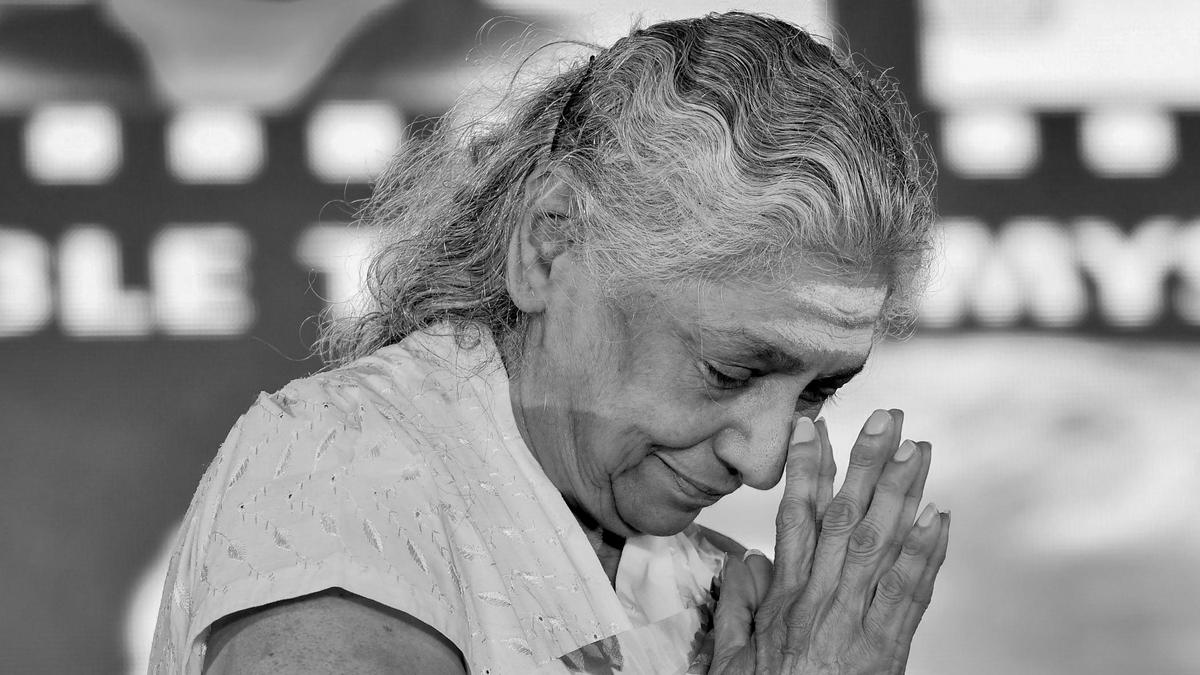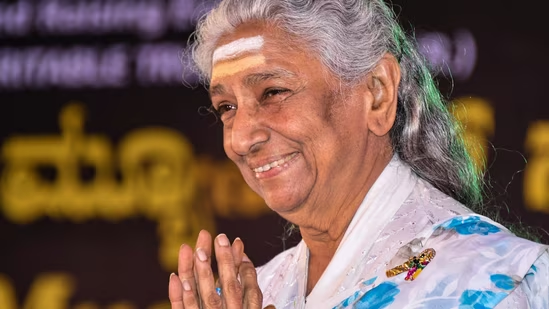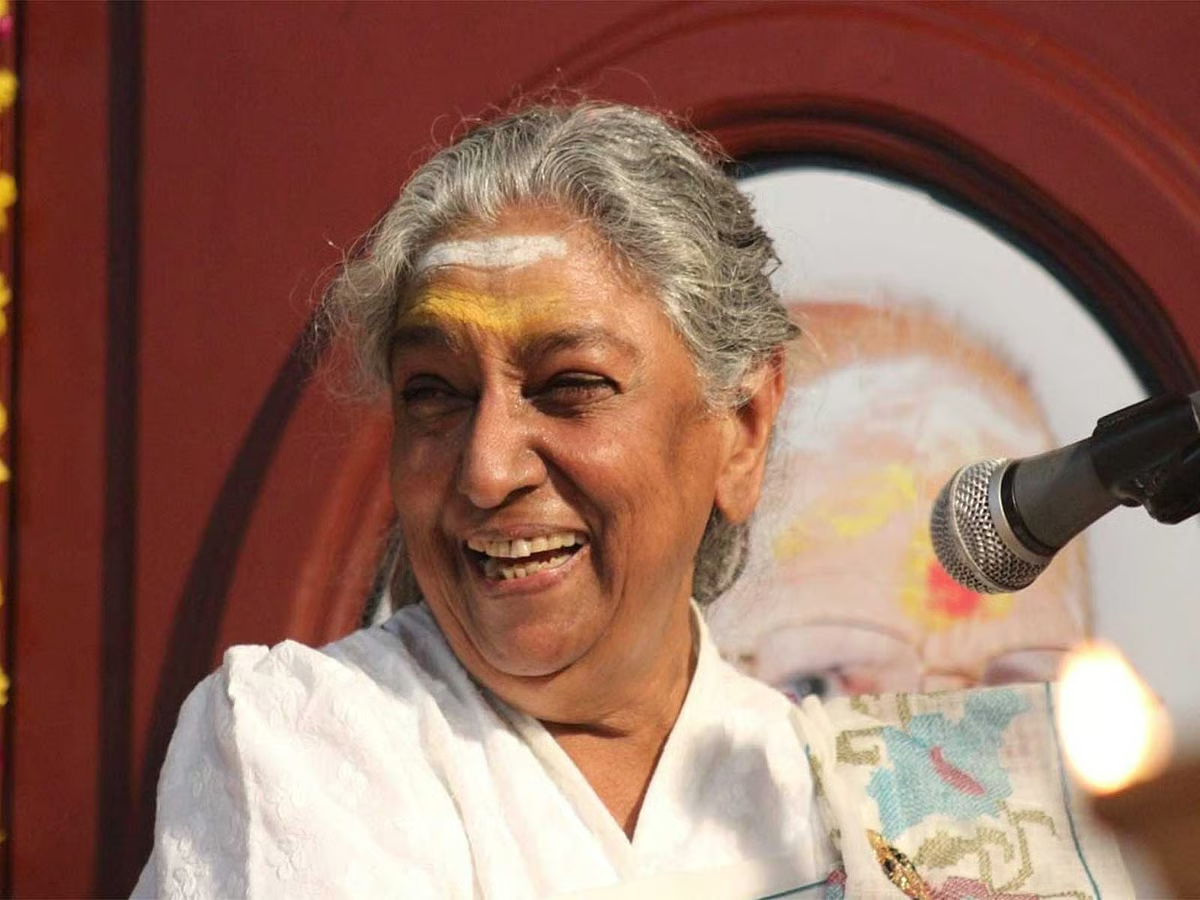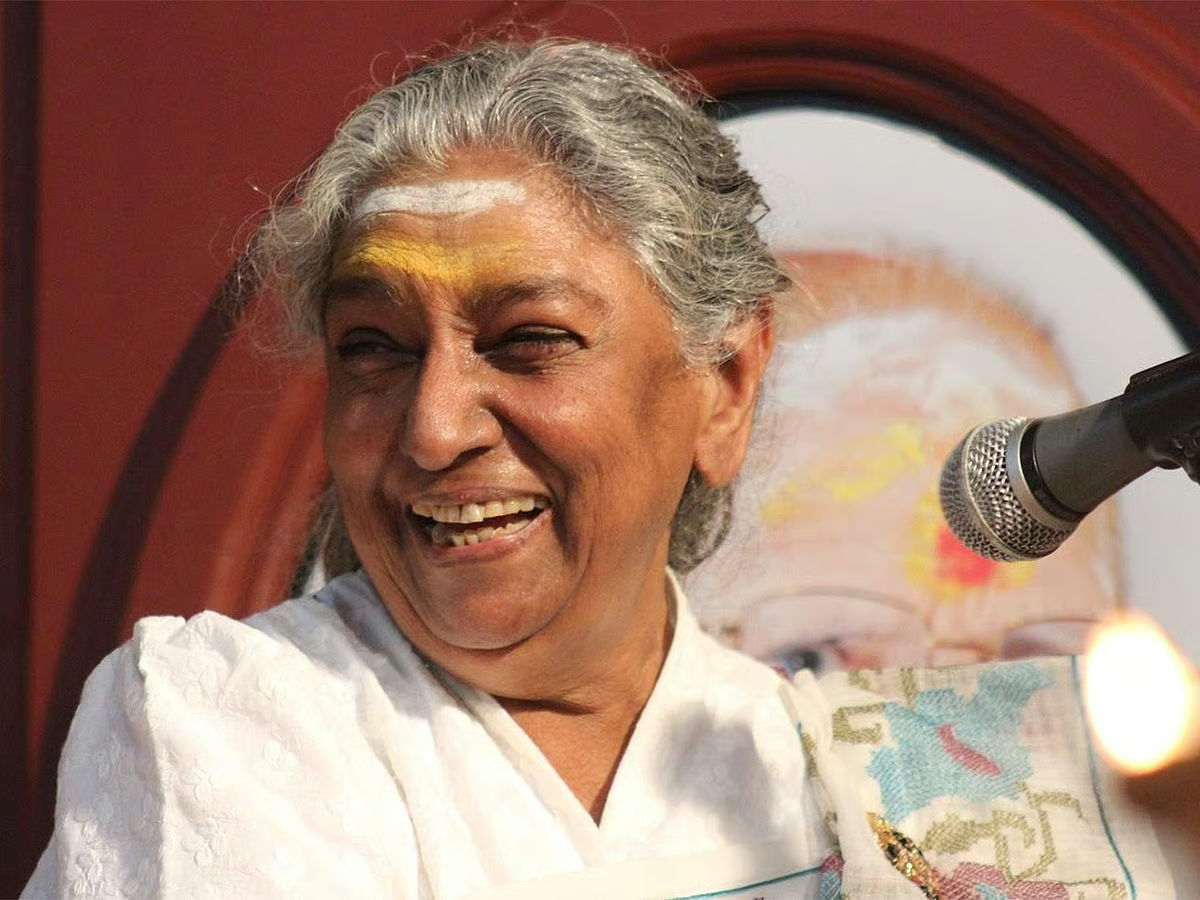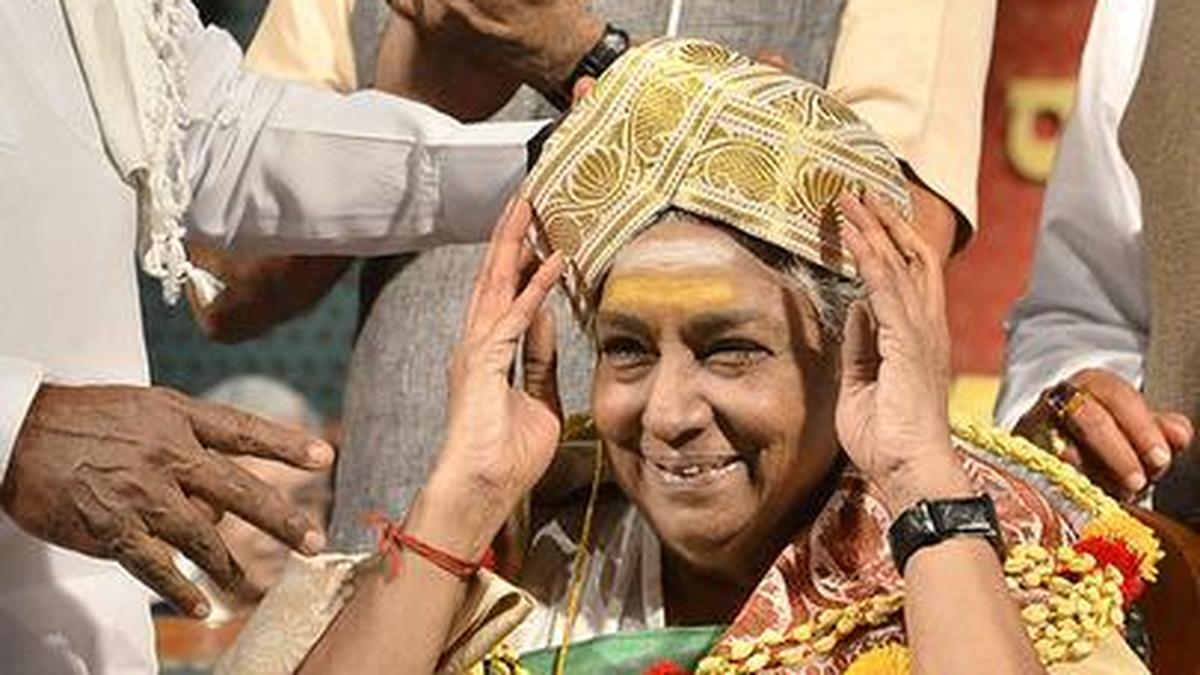
S. Janaki receives the Rajyotsava Award, during the 59th Kannada Rajyotsava celebrations in Bengaluru on November 1, 2014.
| Photo Credit: The Hindu
Legendary playback singer S. Janaki, who passed away on July 11, 2026, had declined the Padma Bhushan, arguing that the honour had come far too late in her career. She maintained that artists should be recognised when they are at the height of their creative powers rather than in their old age or after death. A similar debate has long surrounded the Jnanpith Award as well, with critics arguing that several outstanding writers from south India have been overlooked despite their enduring contributions to Indian literature. Are these concerns justified? Does national recognition come belatedly for south Indian artistes? T.M. Krishna and A.R. Venkatachalapathy discuss this question in a conversation moderated by B. Kolappan.
Do you think there is some bias in the selection process? Are people from north India favoured when it comes to recipients?T.M. Krishna: So, the first thing we have to acknowledge is that the Padma Awards have never been apolitical. Your political affiliation has influenced these choices, and where you come from has definitely influenced them. Secondly, if elections are coming up in a particular State, we can be assured that the Padma Awards will include an extra share of recipients from that State. Whether or not that has any electoral benefit is a different question.