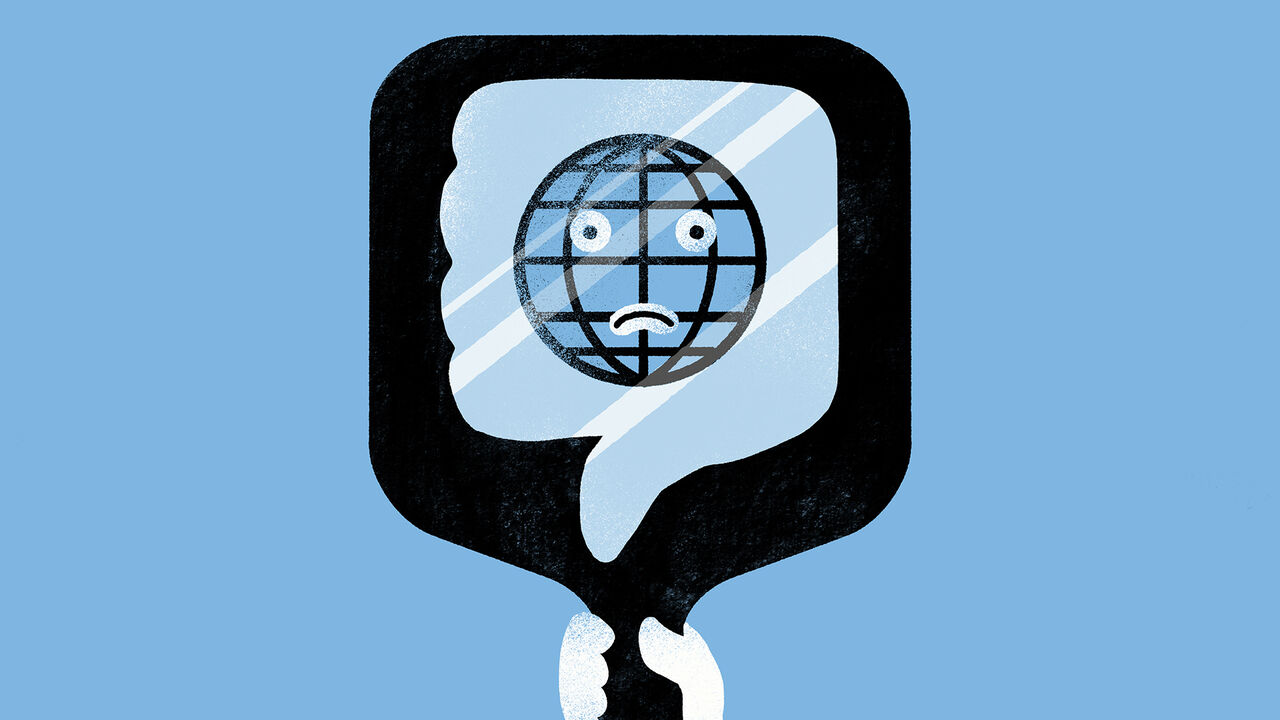
Financial advice was once doled out solely by well-paid professionals, and solely to the wealthy. Then, from the 1980s, celebrity advisers took their tips to large radio and TV audiences, especially in America. Today legions of social-media „finfluencers” spout off recommendations to anyone, anywhere. As in previous decades, the recommendations of investment gurus—how to cut expenses, build a savings fund or avoid scams—are sensible and universal. Beyond the shared basics, though, their counsel differs in telling ways. They may not know it, but they hold up a mirror to their countries’ financial mores, resisting audiences’ vices or accidentally reinforcing them.
In America no young finfluencer yet matches the stature of Dave Ramsey, the gruff 66-year-old radio star turned podcaster. Much of his advice—offered in a stern, fatherly style—is evergreen, built around emergency funds, sensible saving and buying shares for the long term.
De redactie van NRC selecteert de beste artikelen uit The Economist voor een breder perspectief op internationale politiek en economie.
Mr Ramsey’s advice, however, is puritanical in its attitude to debt. Sensibly, he urges listeners to pay off high-interest consumer debts early. But he also suggests that anyone already saving for retirement or childrens’ education should pay off their mortgages as fast as possible, too—even low-interest loans secured before 2022.