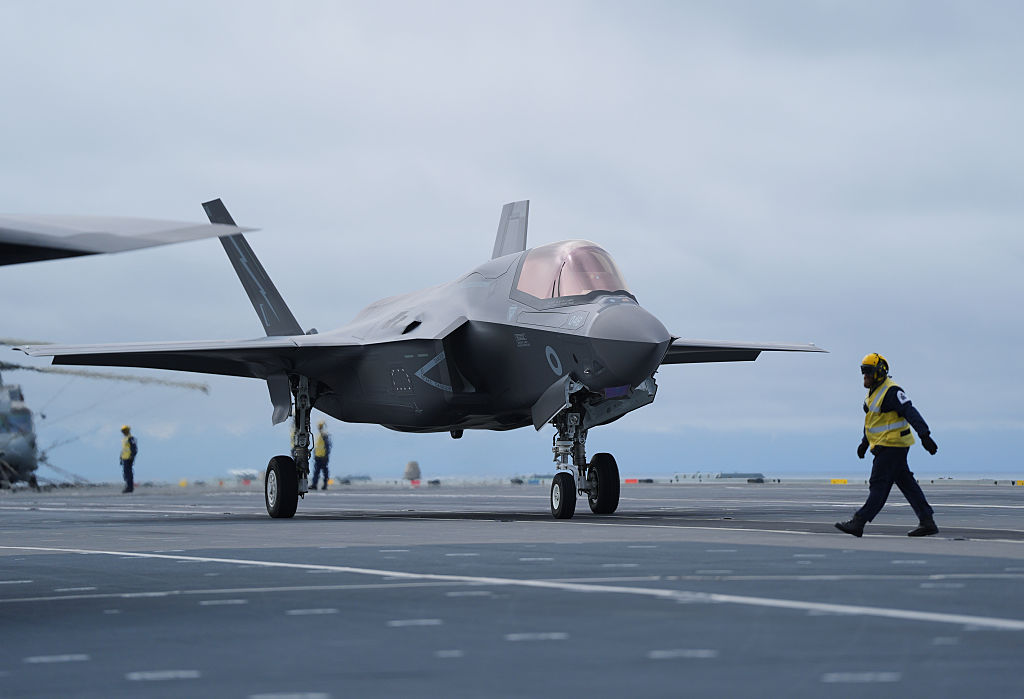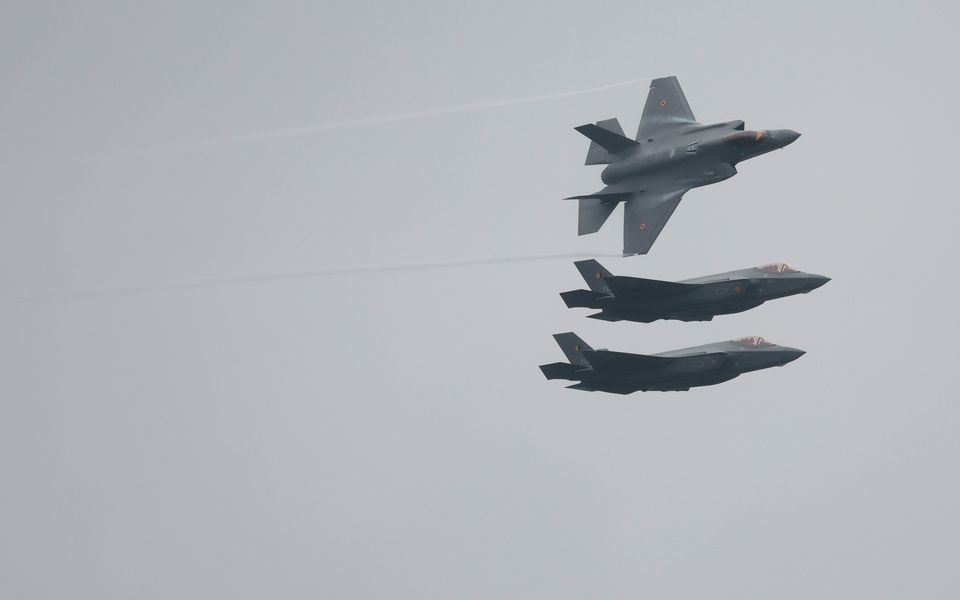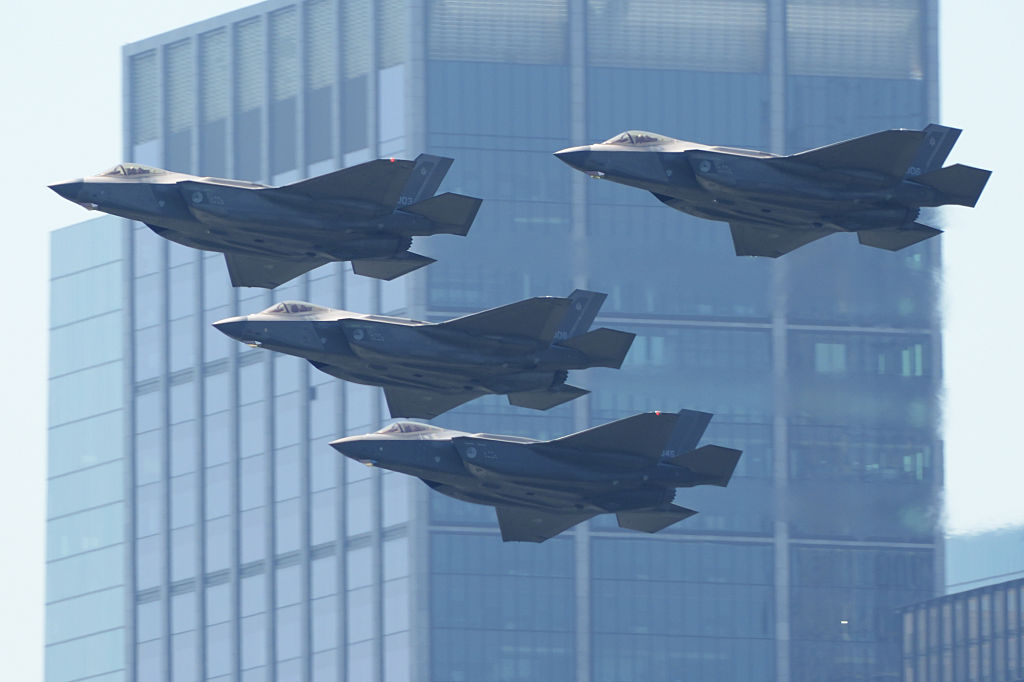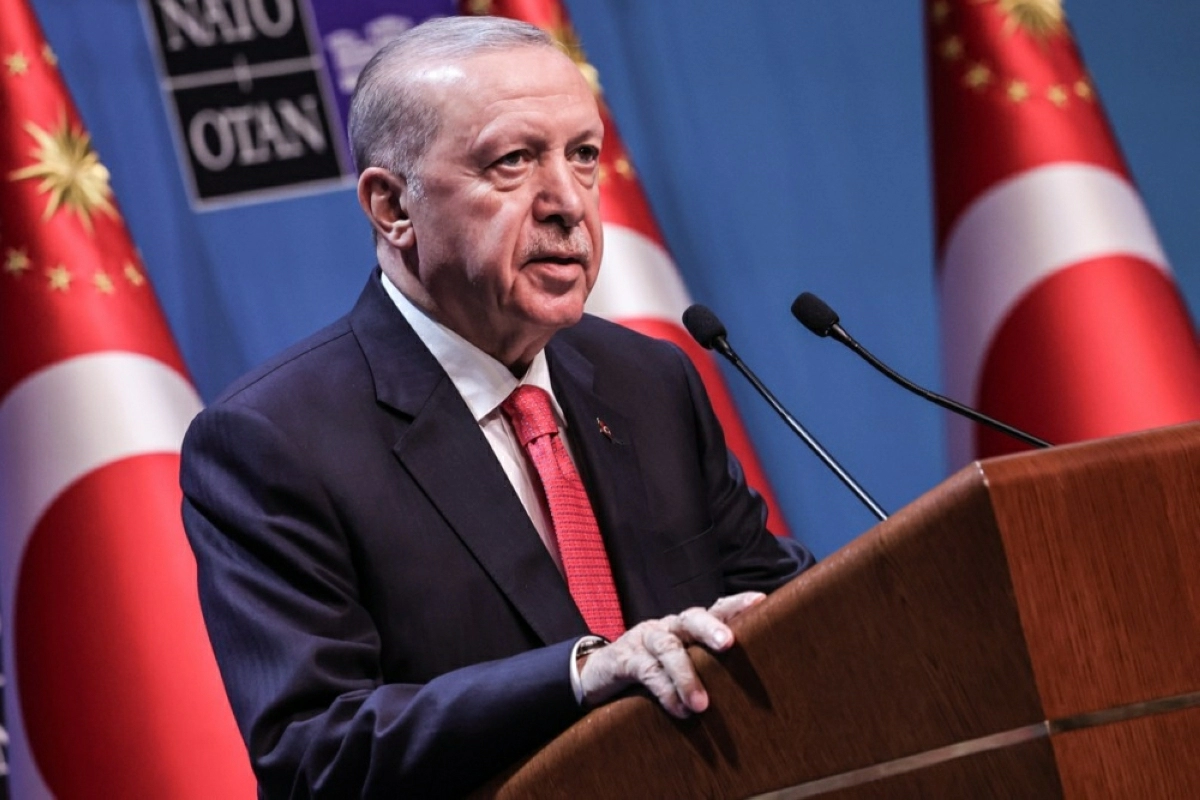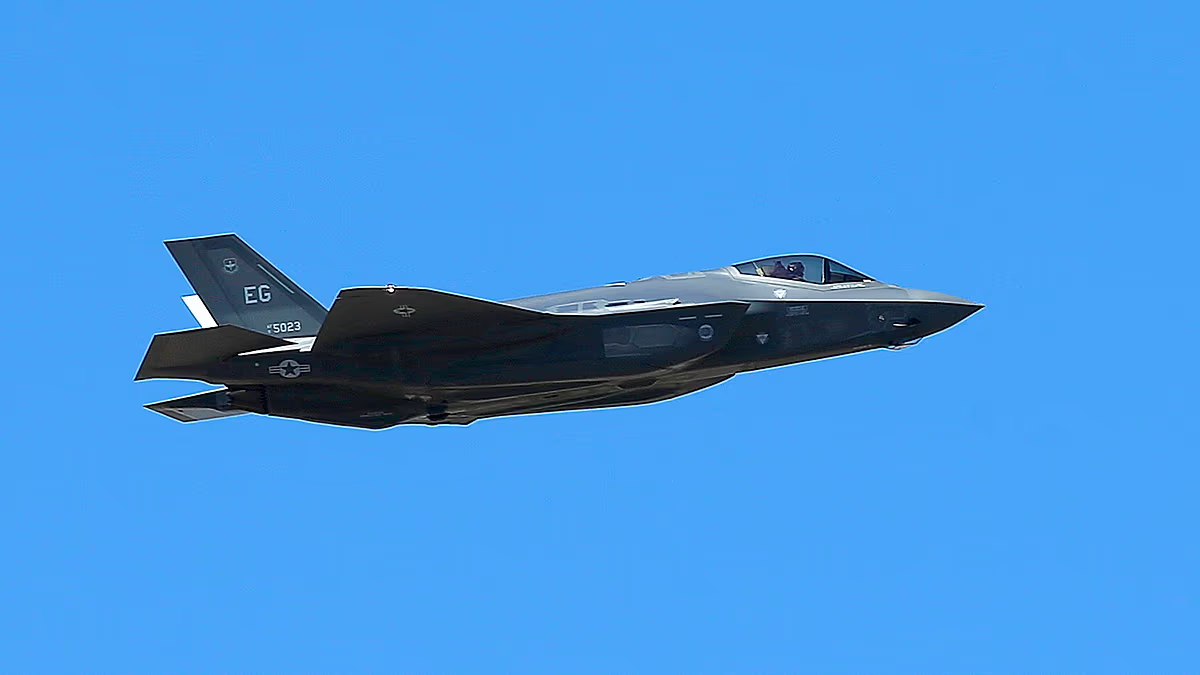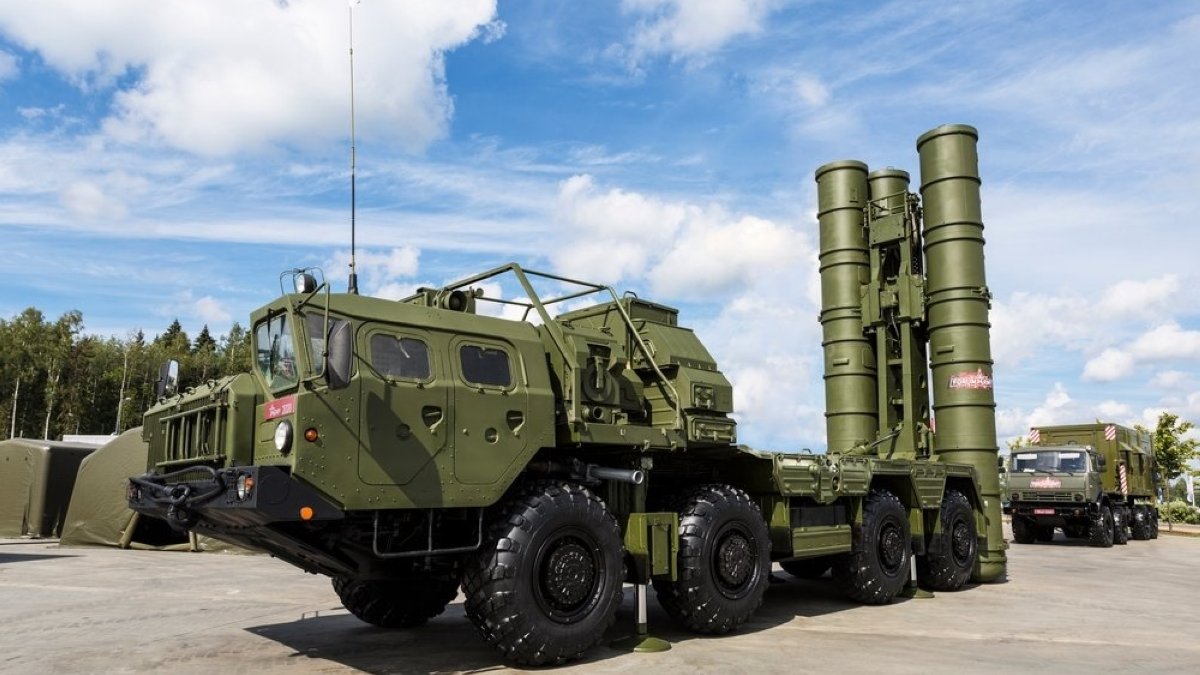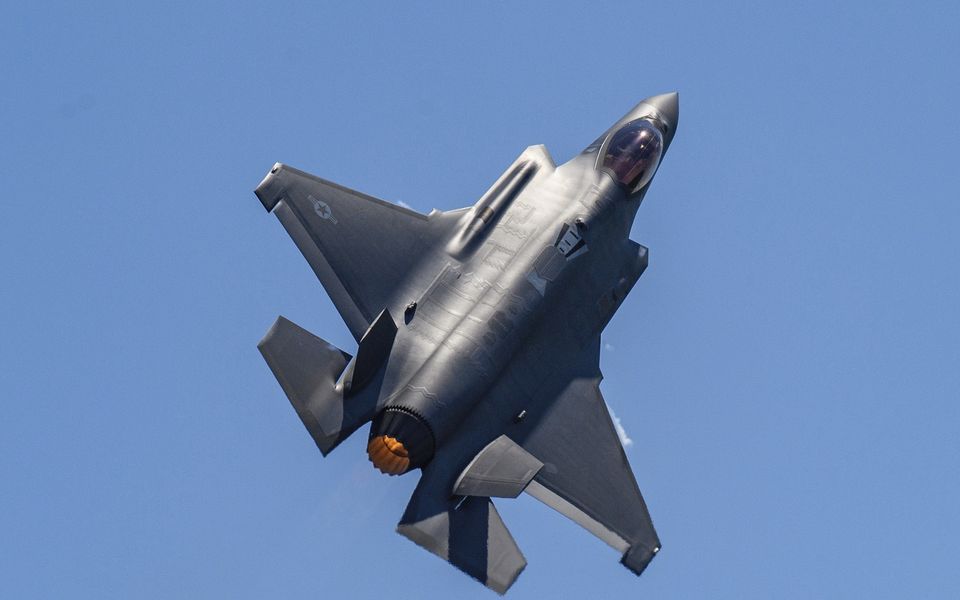
Turkey’s exclusion from the United States’ F-35 fighter jet co-production program had to do exclusively with President Recep Tayyip Erdogan’s choice to purchase the S-400 anti-missile system from Russia. It did not concern Turkey’s behavior toward Greece.
Although many Greek politicians and analysts, and sometimes some US lawmakers who are friendly to Greece, have made a largely arbitrary connection between the two issues, it is clear that this does not reflect reality.
Obviously, Turkey’s aggressive rhetoric and behavior against an ally is an issue that Athens is rightly highlighting, however, as far as relevant American legislation is concerned, the sanctions are a consequence of the purchase of the modern Russian missile system and the risks that this move posed for the F-35s. So, if – due to the American president’s excessive support for his Turkish counterpart – a solution is found, such as the possible reselling of the S-400s to Qatar or the UAE, the situation will change.
This development once again brings to the fore existential dilemmas for Greece, which of course apply even if our neighbor to the East does not acquire this particular aircraft.
Our long-term national strategy must focus on developing a competitive domestic defense industry.