(Image credit: Future)
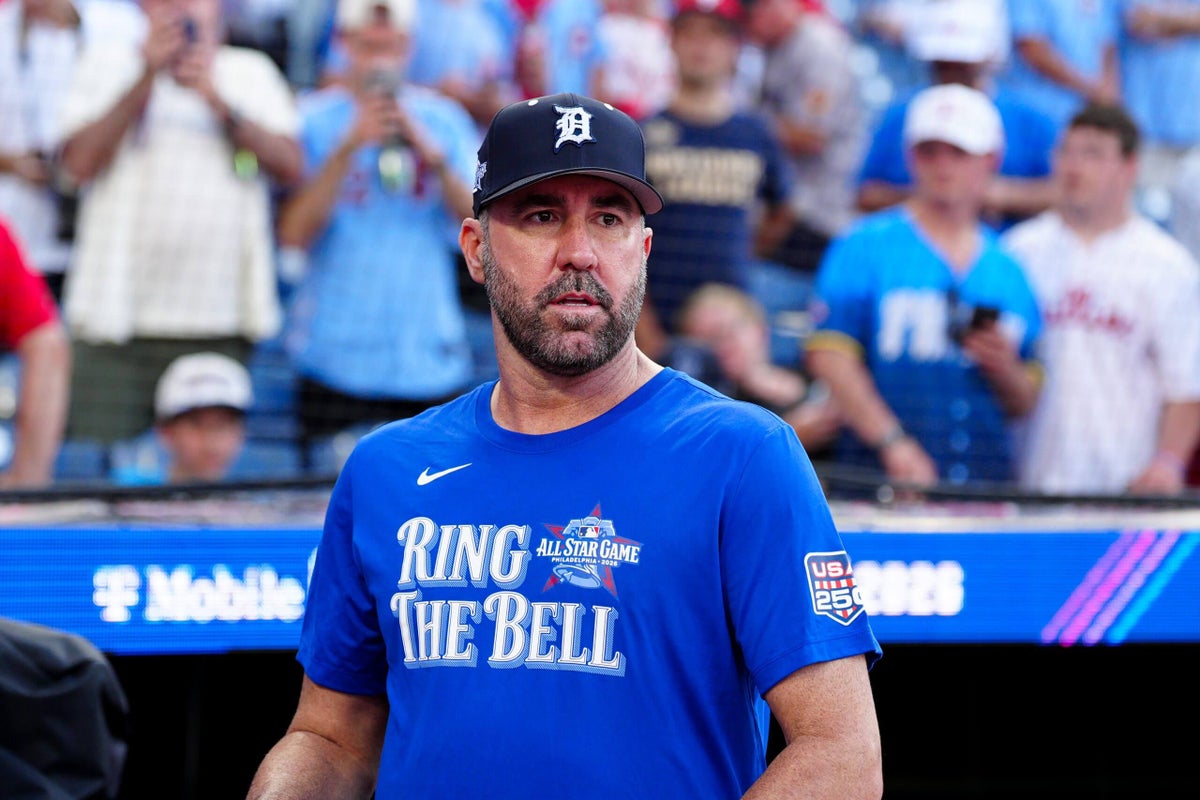
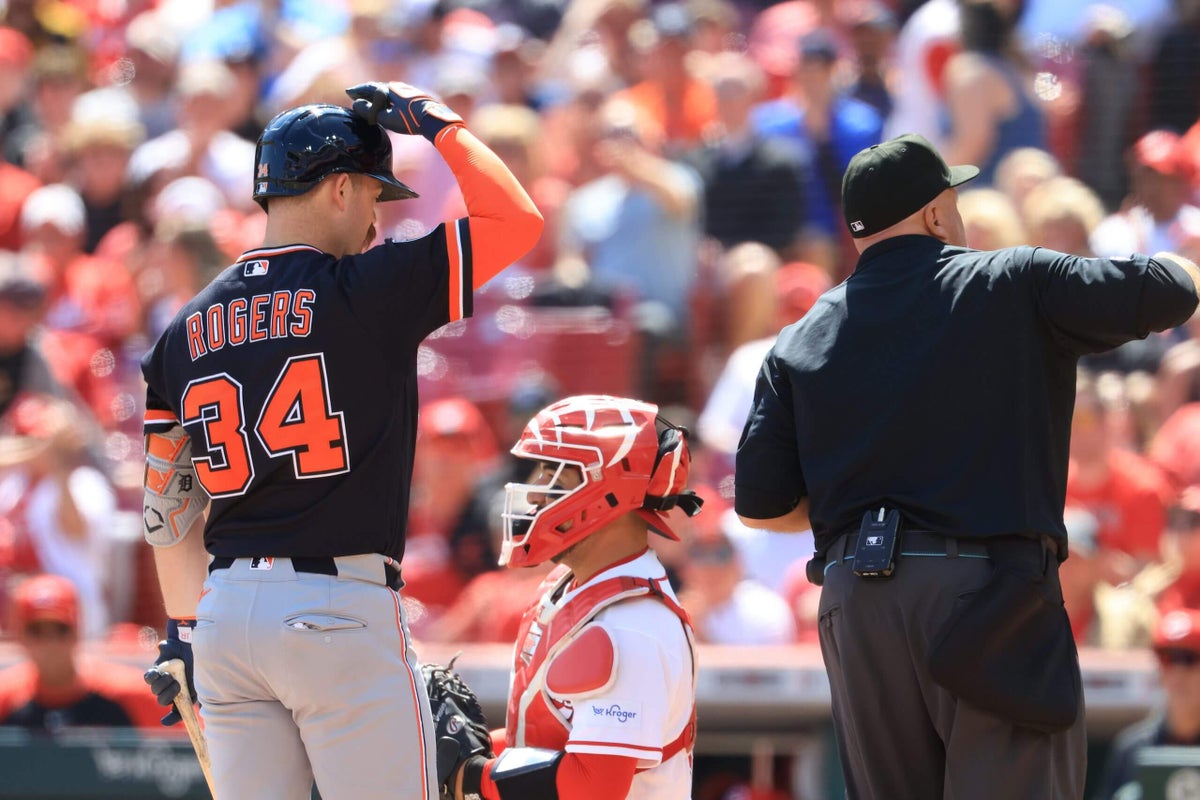
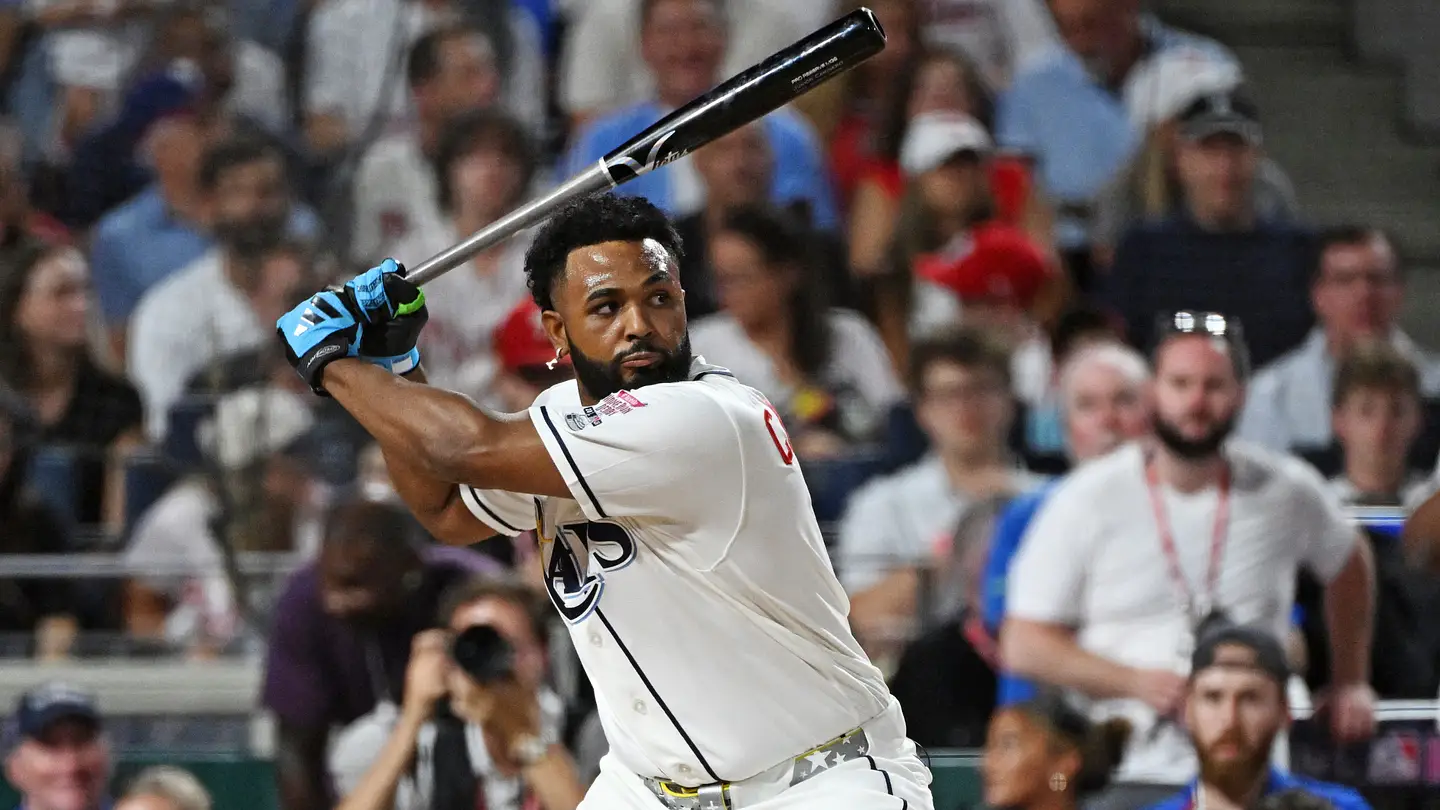
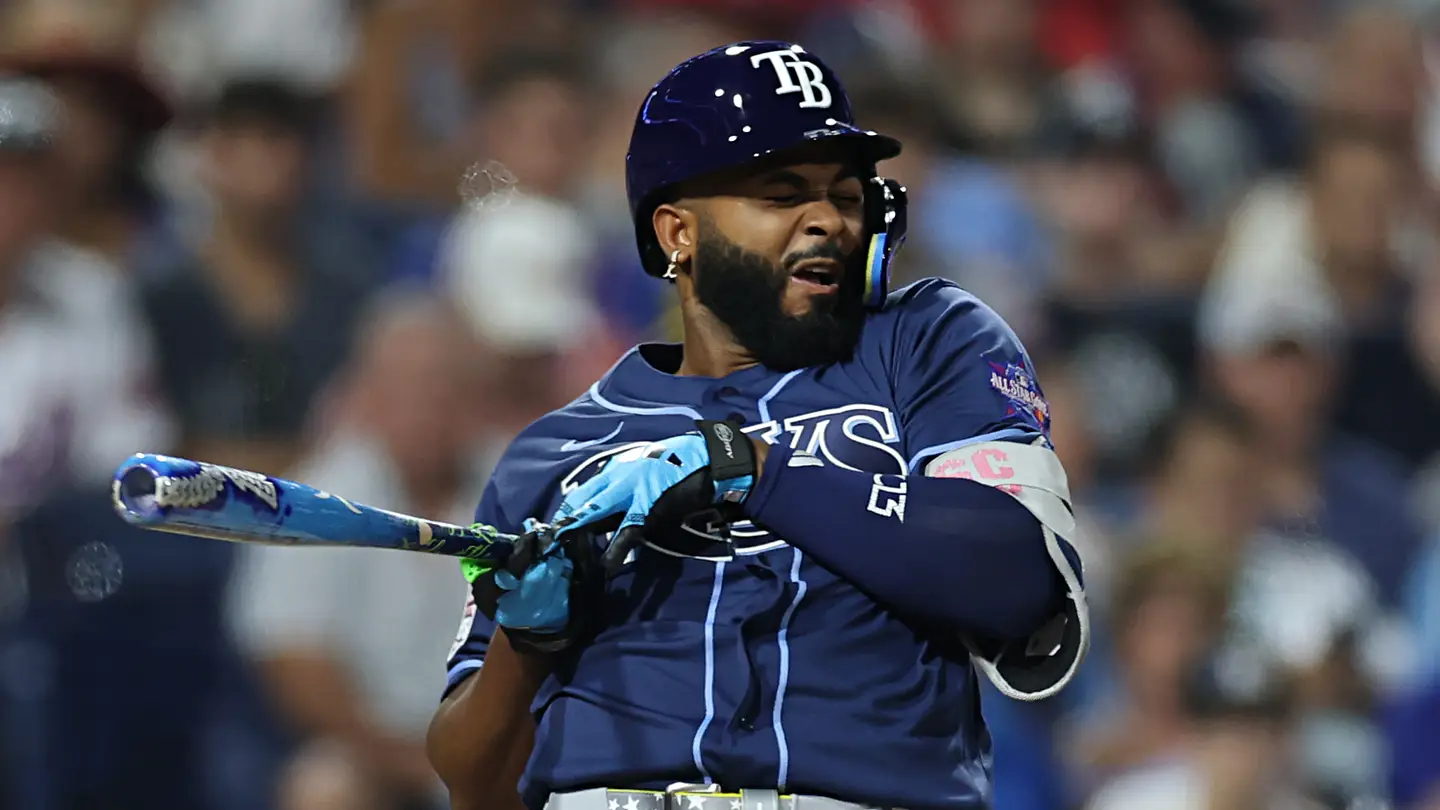
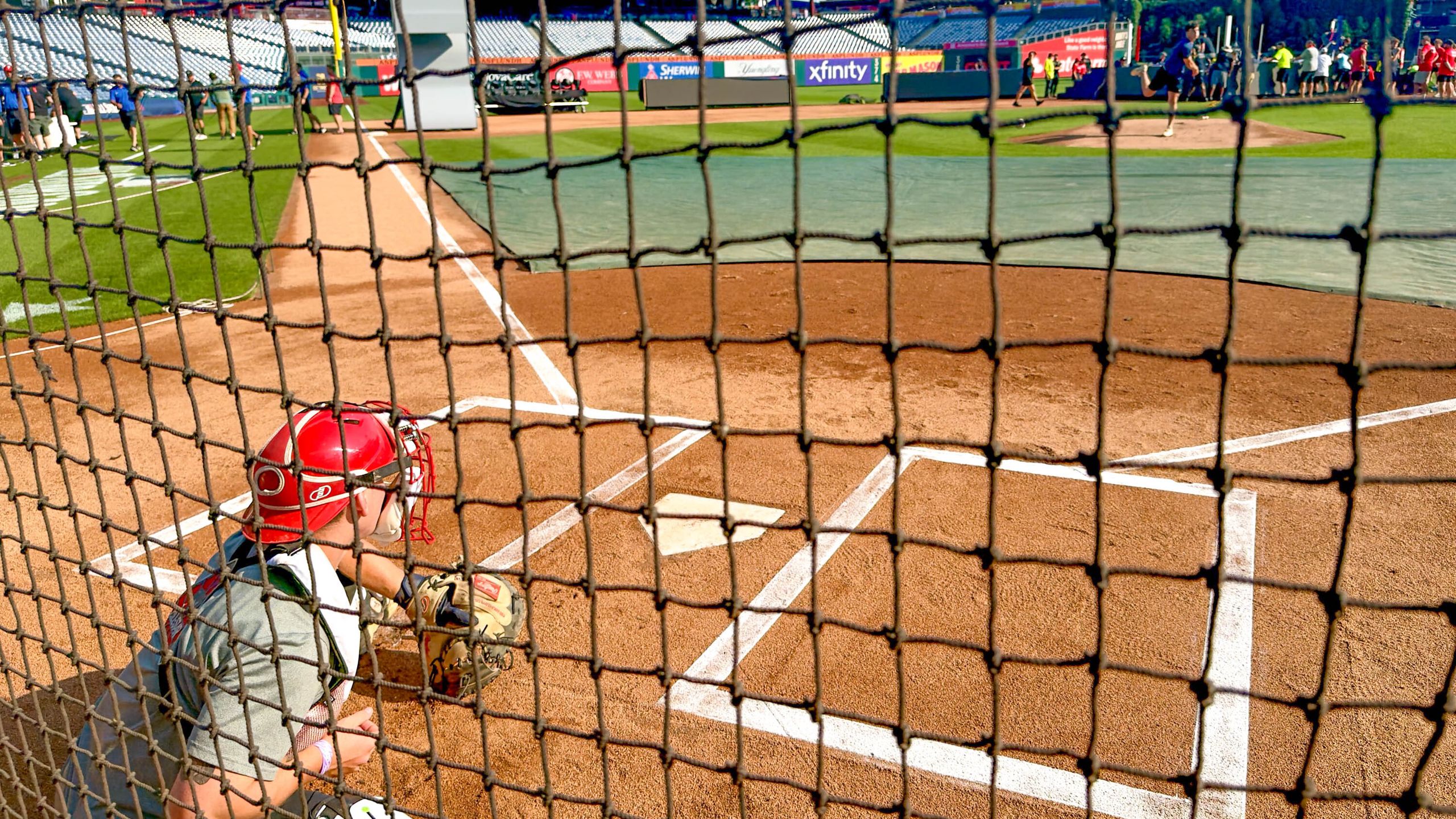
I love watching baseball. As a diehard Yankees fan, the last few years haven't been too kind, but that hasn't stopped me from loving the game.So when I got the chance to go to see the MLB All-Star Game and actually step behind the plate to see pitches from an umpire's perspective, I practically jumped out of my chair in excitement.Not only would I get to see baseball's best smash home runs in the Derby and go head-to-head in a game, but I'd have the chance to walk out onto the field at Citizens Bank Park and try the Automated Ball-Strike (ABS) challenge system born out of the partnership between T-Mobile and the MLB.As it turns out, being an umpire and nailing balls and strikes when the pitch is whipping at you at shocking speeds is hard, and it'll always make me pause before I scream at the TV when I feel an umpire is betraying my precious Yankees with an incorrect call.What is the MLB's ABS system
(Image credit: Future)Before I dig too heavily into my experience with the system, let me briefly explain what it is. The system uses 12 Hawk-Eye cameras installed strategically around the stadium to track the exact 3D location of the baseball as it passes through the strike zone.While the traditional MLB strike zone is 3D, meaning it spans from the front to the back of the plate, the ABS system uses a 2D version halfway between the front and back of the plate. The league and T-Mobile decided on this based on player feedback, with the interest of creating a more digestible and fan-friendly experience.Each team is given two opportunities to challenge ball-and-strike calls, and if they get them wrong, they're gone.Get instant access to breaking news, the hottest reviews, great deals and helpful tips.But the system works whether the player challenges or not, which keeps it fast. The player gets about two seconds to challenge, and it takes just a couple more seconds to see the result. It feels a bit like magic, both watching it on TV and in the stadium and seeing it up close.