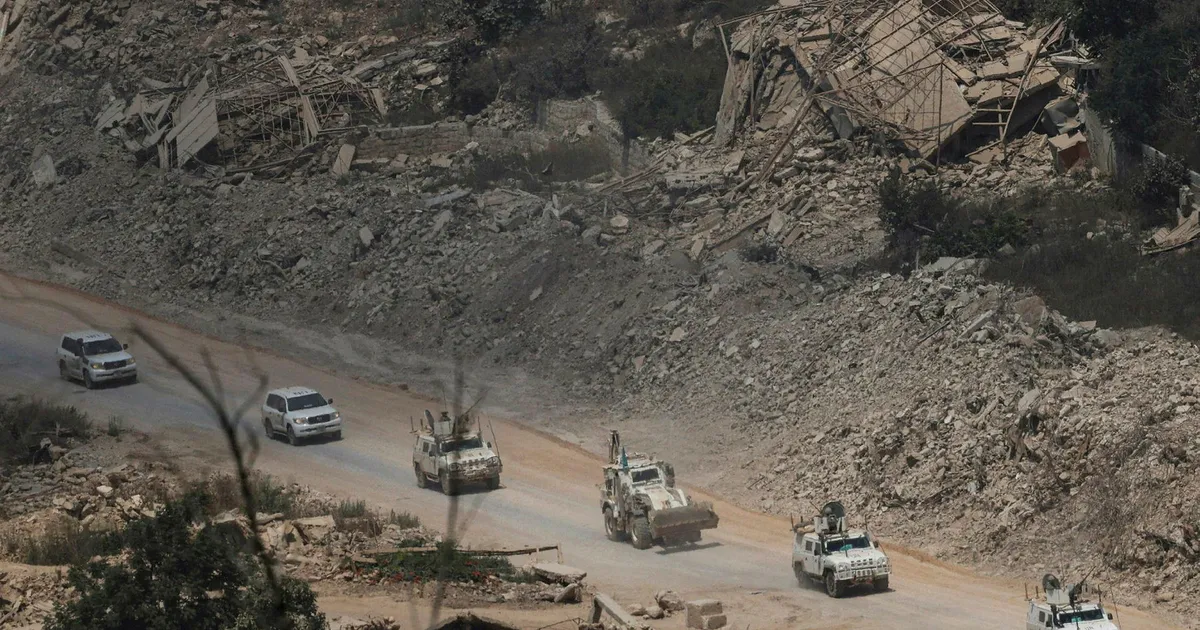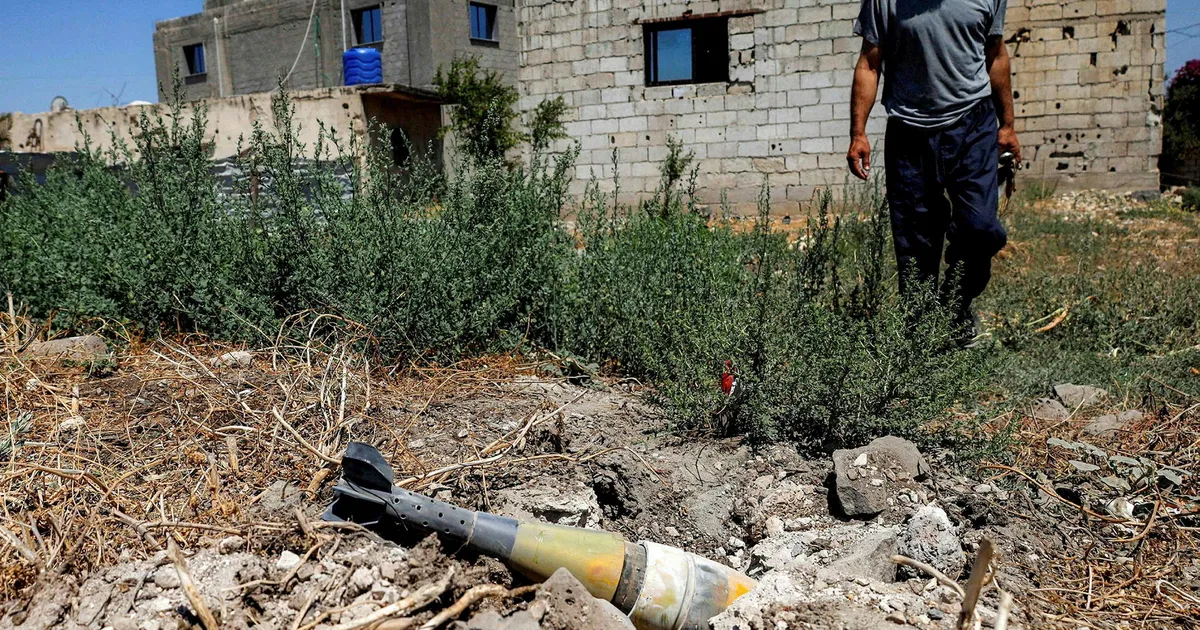
LiveLive Updates July 16, 2026Share to FacebookShare to XArticle printing is available to subscribers onlyPrint in a simple, ad-free formatSubscribeComments: Zen reading is available to subscribers onlyAd-free and in a comfortable reading formatSubscribeJuly 16, 2026UpdatesRECAP: U.S. launches fifth consecutive wave of Iran strikes; Iranian media report missile hits near coast Here are Thursday's latest updates:■ The U.S. military began its fifth consecutive night of strikes against Iran at 2 P.M., U.S. Central Command said.■ Iranian state TV and the Fars News Agency reported that "American projectiles" and missiles hit areas near the port city of Bandar Abbas, while Mehr News Agency reported that U.S. projectiles struck near Qeshm Island in the Strait of Hormuz.■ Sailors on vessels near the Strait of Hormuz expressed frustration with the U.S. military after it radioed a message Tuesday asserting the southern route through the strait "remains open," The Wall Street Journal reported.■ Israeli strikes killed at least five Palestinians in the Gaza Strip on Thursday, Palestinian health officials said, as a U.S.-based research group reported a surge in Israeli attacks to levels not seen since the latest truce took effect in October.■ Dr. Hussam Abu Safiya, the director of a major Gaza hospital who has been imprisoned by Israel since 2024, told his lawyer he was assaulted by prison guards following his previous lawyer's visit earlier this month.■ About 200 ultra-Orthodox demonstrators blocked a major highway near central Israel's Petah Tikva in protest against the arrests of draft evaders. Police detained one demonstrator on suspicion of threats and public disorder.■ Lebanon's National News Agency said a large explosion was heard following an Israeli military operation near the southern Lebanese town of Zawtar al-Gharbiyah, one of three villages from which the Israeli military is slated to withdraw under a Washington-sponsored ceasefire.Iran judiciary denies Trump statement that American prisoner was freed Iran's judiciary said that no American prisoner had been released or exchanged from its prisons, Iranian state media reported on Thursday, after U.S. President Donald Trump said a U.S. citizen detained during the Biden administration in 2024 had been freed.The judiciary said checks showed no convicted American prisoner, person accused of spying for the United States matching Trump's description, or any other American detainee had been released from Iranian prisons or exchanged.1 hour agoU.S. begins fifth wave of Iran strikes, CENTCOM saysThe U.S. military began a fresh wave of strikes against Iran at 2 P.M. Thursday, U.S. Central Command said.According to the statement, this marked the fifth consecutive night of strikes, which were designed to "further degrade Iranian military capabilities."U.S. forces hit targets farther north and fired into a ship they accused of trying to break the naval blockade on the Islamic Republic. Iran retaliated by launching missiles and drones at U.S. allies in the region and warned its attacks may escalate.Later Thursday, Iranian state TV and the Fars News Agency reported that "American projectiles" and missiles hit areas near the port city of Bandar Abbas, while Mehr News Agency reported that U.S. projectiles struck near Qeshm Island in the Strait of Hormuz.Iran remains in contact with U.S., seeks deal, White House saysIran continues to talk with the United States and wants to reach a deal, the White House said Thursday.The White House also said the United States struck Iran because of what it described as Tehran's violations of an interim agreement signed by the two sides in June.Iranian media report U.S. strikes near Bandar Abbas, Qeshm Island Iranian news agencies reported Thursday that U.S. missiles and projectiles struck two locations along Iran's coast.Mehr News Agency reported that U.S. projectiles struck near Qeshm Island in the Strait of Hormuz. Fars News Agency reported that U.S. missiles struck near the port city of Bandar Abbas.Houthi leader threatens Saudi oil facilities if Riyadh escalates in YemenYemen's Houthi leader Abdul Malik al-Houthi said on Thursday that all Saudi oil and other vital facilities would be targets for the group's missiles and drones if Riyadh escalated its involvement in the conflict. Vehicles pass under a billboard showing Houthi leader Abdul Malik al-Houthi, in Sanaa, Yemen, in June. Credit: Osamah Abdulrahman/AP Vehicles pass under a billboard showing Houthi leader Abdul Malik al-Houthi, in Sanaa, Yemen, in June. Credit: Osamah Abdulrahman/AP "The real equation is Sanaa airport for Riyadh airport, airports for airports, ports for ports, and blockade for blockade," he said in a televised speech.The warning came after the Houthis fired missiles at Saudi Arabia, accusing the kingdom of bombing an airport under their control on Monday, marking a rupture in a four-year truce between the two sides.The Iran-aligned Houthis have previously targeted Saudi energy infrastructure. In 2019, they claimed responsibility for attacks on two key Saudi oil facilities that temporarily knocked out more than half of the kingdom's crude output.In 2022, they struck Saudi energy facilities again. At the time, the Saudi-led coalition said an Aramco petroleum products distribution station in Jeddah was hit and caught fire.Yemen has been mired in civil war for more than a decade since the Houthis seized the capital, Sanaa, prompting a Saudi-led military intervention in 2015 in support of the internationally recognised government.The conflict has since evolved into one of the world's worst humanitarian crises, leaving the country divided between a Saudi-backed government in Aden and a Houthi administration in Sanaa.About 200 ultra-Orthodox protestors block central Israeli highway Ultra-Orthodox protestors block a highway near Petah Tikvah, central Israel, Thursday. Credit: Moti MilrodUltra-Orthodox protestors block a highway near Petah Tikvah, central Israel, Thursday. Credit: Moti MilrodAbout 200 ultra-Orthodox demonstrators blocked a major highway near central Israel's Petah Tikva in protest against the arrests of draft evaders. Police detained one demonstrator on suspicion of threats and public disorder. Police declared the demonstrations illegal and attempted to redirect dozens of vehicles stranded by the roadblocks. The protesters then blocked one of the alternate routes police had directed traffic toward.Clashes broke out between protesters and motorists. The demonstrators, many of them minors, smashed the side mirrors of a vehicle that attempted to drive through the protest. They chanted, "To Auschwitz, and not to the army" and "To Auschwitz and not to Hashmonaim," referring to the Israeli military's ultra-Orthodox Hashmonaim Brigade. Police arrived at the scene about 20 minutes later.Separately, six women demonstrated against the ultra-Orthodox protesters. They held signs reading, "Woman, not second class," and "Women, enough is enough."'Fuck off': Sailors reject U.S. assertion that Strait of Hormuz remains open, report saysA tugboat guides a ship at the Khor Fakkan Container Terminal, along the Gulf of Oman on Tuesday. Credit: AFPA tugboat guides a ship at the Khor Fakkan Container Terminal, along the Gulf of Oman on Tuesday. Credit: AFPSailors on vessels near the Strait of Hormuz expressed frustration with the U.S. military after it radioed a message Tuesday asserting the southern route through the strait "remains open," The Wall Street Journal reported Wednesday.According to the report, U.S. forces said the United States was "prepared to maintain freedom of navigation and safeguard lawful commerce in accordance with international law."In recordings reviewed by the newspaper, one sailor responded over the radio, telling the forces to "fuck off."The United Arab Emirates said Monday that Iranian cruise missiles struck two Emirati oil tankers transiting the southern lane of the strait in Omani territorial waters, killing one crew member and wounding eight others.Pakistan worries about being drawn into U.S.-Iran conflict after Houthis attack Saudi Arabia An explosion at the Sanaa International Airport compound during what the Iranian-backed Houthi rebels in Yemen said were several Saudi airstrikes in Sanaa, Yemen, Monday. Credit: AP An explosion at the Sanaa International Airport compound during what the Iranian-backed Houthi rebels in Yemen said were several Saudi airstrikes in Sanaa, Yemen, Monday. Credit: AP Attacks on Saudi Arabia by Yemen's Iran-aligned Houthis this week have frustrated Pakistan and threaten to draw Islamabad into the conflict, complicating any future role it may have as a mediator between the United States and Iran. "Our top civil and military leaders have conveyed to Iran at the highest level that the attacks on Saudi Arabia are attacks on Pakistan," a Pakistani official told Reuters. "It is our red line."Nuclear-armed Pakistan, which helped broker an interim deal last month in the war between Washington and Tehran, signed a mutual defence agreement with Saudi Arabia last year and thousands of Pakistani soldiers have been deployed to the kingdom, alongside a squadron of fighter jets. Pakistan had already voiced anger about Iranian strikes on Saudi Arabia earlier this year, but regional analysts and officials said the attacks this week had pushed Islamabad's frustration with Iran to a new level as they raised the prospect of a new Saudi-Houthi conflict. The Houthis fired missiles at Saudi Arabia after accusing the kingdom of bombing an airport under their control on Monday. The cross-border fire pierced a four-year truce but has so far been contained to a single incident.Pakistan's frustration appears rooted in growing concerns that Houthi involvement may be more likely to draw Pakistan into the conflict than the Iranian missile strikes were earlier this year. Pakistani soldiers are deployed near the Saudi border with Yemen, two Pakistani officials said, increasing their direct exposure. There are also concerns in Islamabad that a Houthi-led escalation could disrupt shipping in the Red Sea, an important trade route that Pakistan and many other countries depend on. A widening conflict there could be more difficult to contain and could target Saudi interests in a way that forces Pakistan to intervene militarily under the terms of its mutual defence pact.In the NewsIsraeli Rights Groups Alarmed Over Reports Shin Bet Tracking Reporters, SourcesDemocrats Rejected U.S. Aid to Israel, and AIPAC Couldn't Stop ThemIsrael's Knesset Passes Controversial 'Right-wing Media Reform' Broadcasting LawHow the Azaria Affair Foreshadowed the IDF's New ImpunityCan Israel's New One-line Law Shield Haredim From IDF Service?Remembering and rebuilding two years laterICYMIInside the Mossad Plot to Install Ahmadinejad as Iran's LeaderEgypt Lost the World Cup. But Was the Referee Really Jewish?Eisenkot Is Quietly Gaining Ground in Likud Territory. Enough to Beat Netanyahu?Ro Khanna, U.S. Lawmaker & Israel Critic, Says West Bank Settlers 'Detained' HimNetanyahu's Biggest Challenger: Who Is Gadi Eisenkot and What Does He Stand For?I Joined Rep. Ro Khanna on His West Bank Visit. Here's What I Saw
Live updates • U.S. begins fifth consecutive night of Iran strikes, CENTCOM says
Herzog says peace with Saudi Arabia is his 'dream' in interview with Saudi media. RECAP: U.S. launches fifth consecutive wave of Iran strikes; Iranian media report missile hits near coast . Iran judiciary denies Trump statement that American prisoner was freed
1,699 words~8 min read