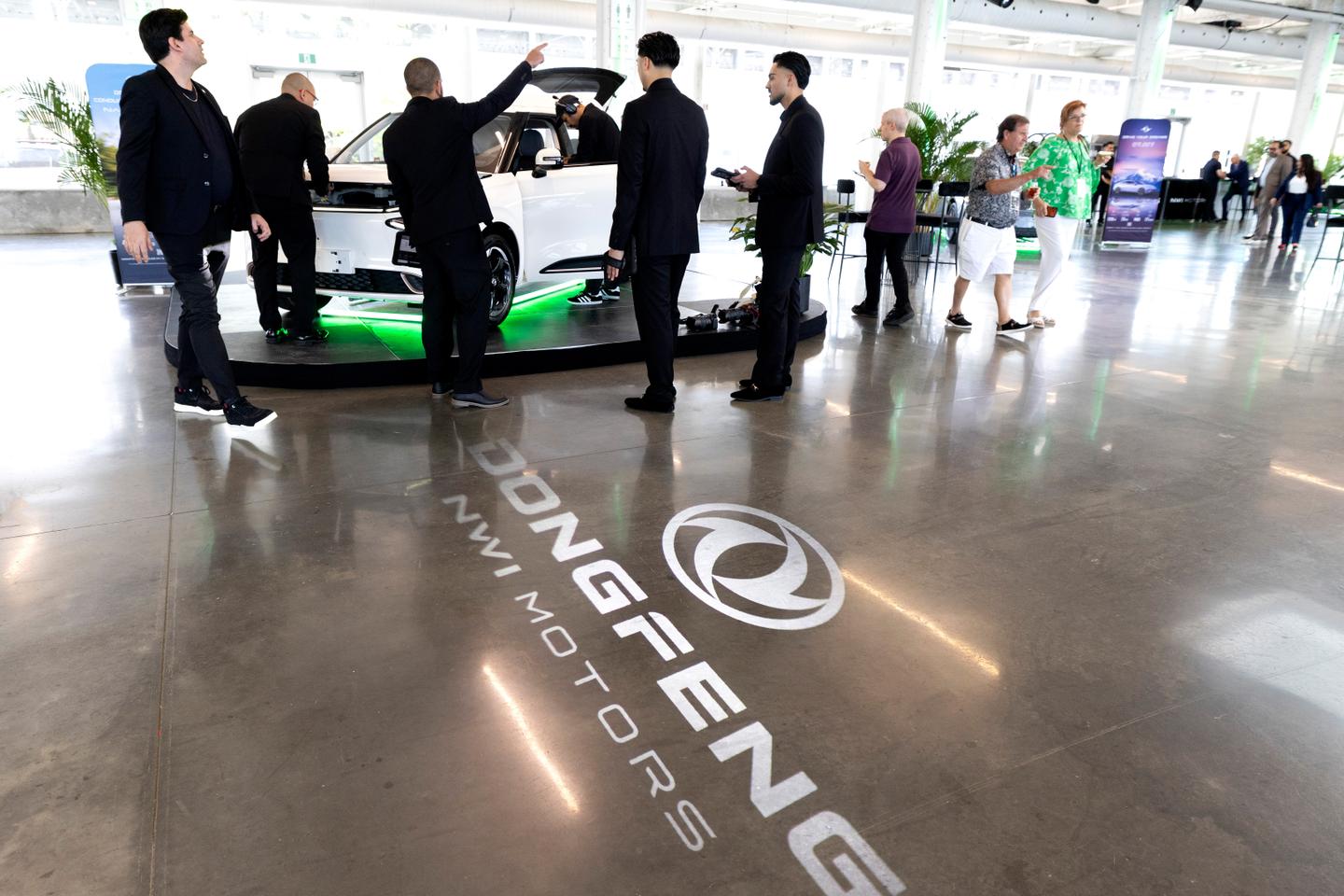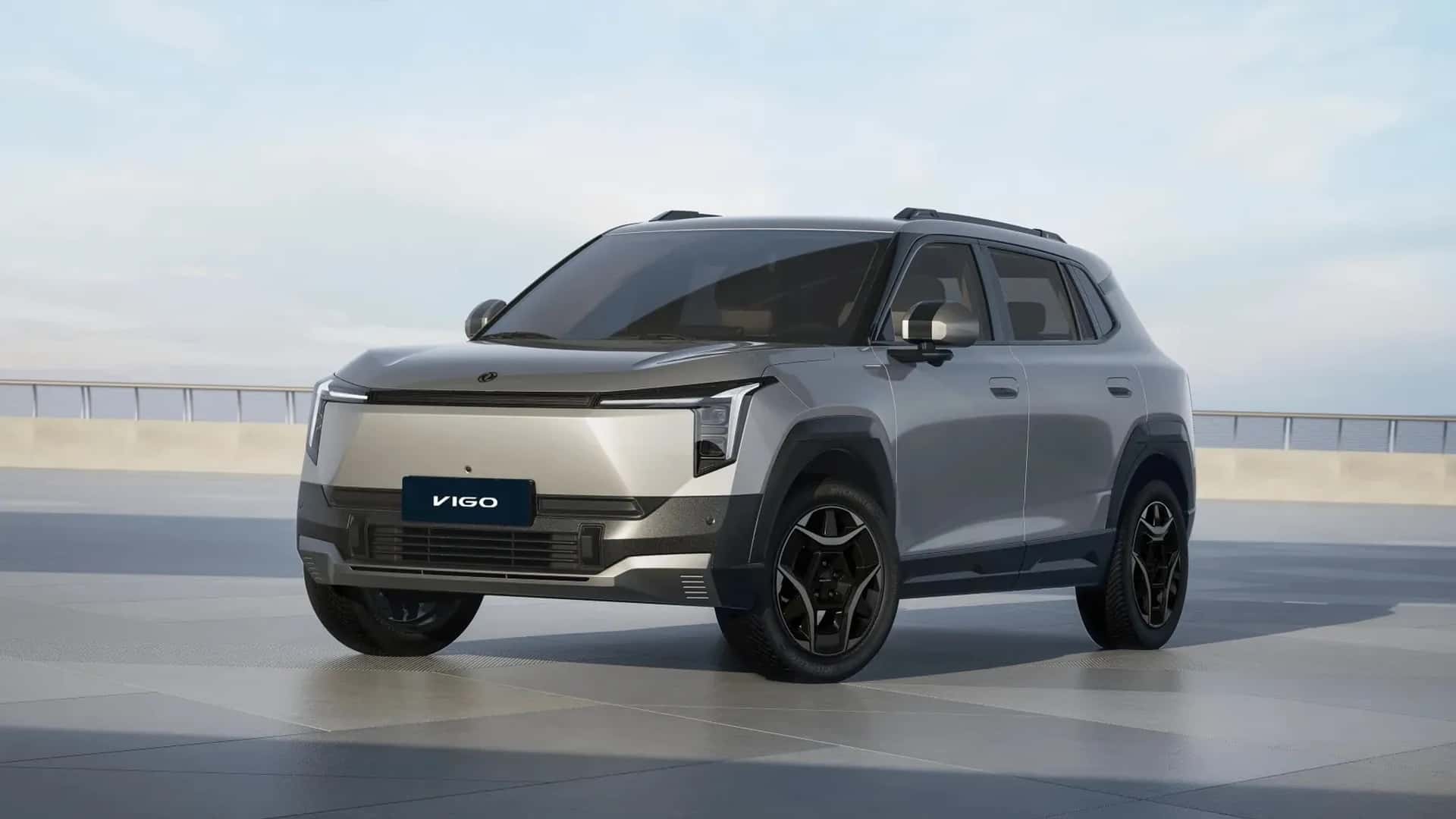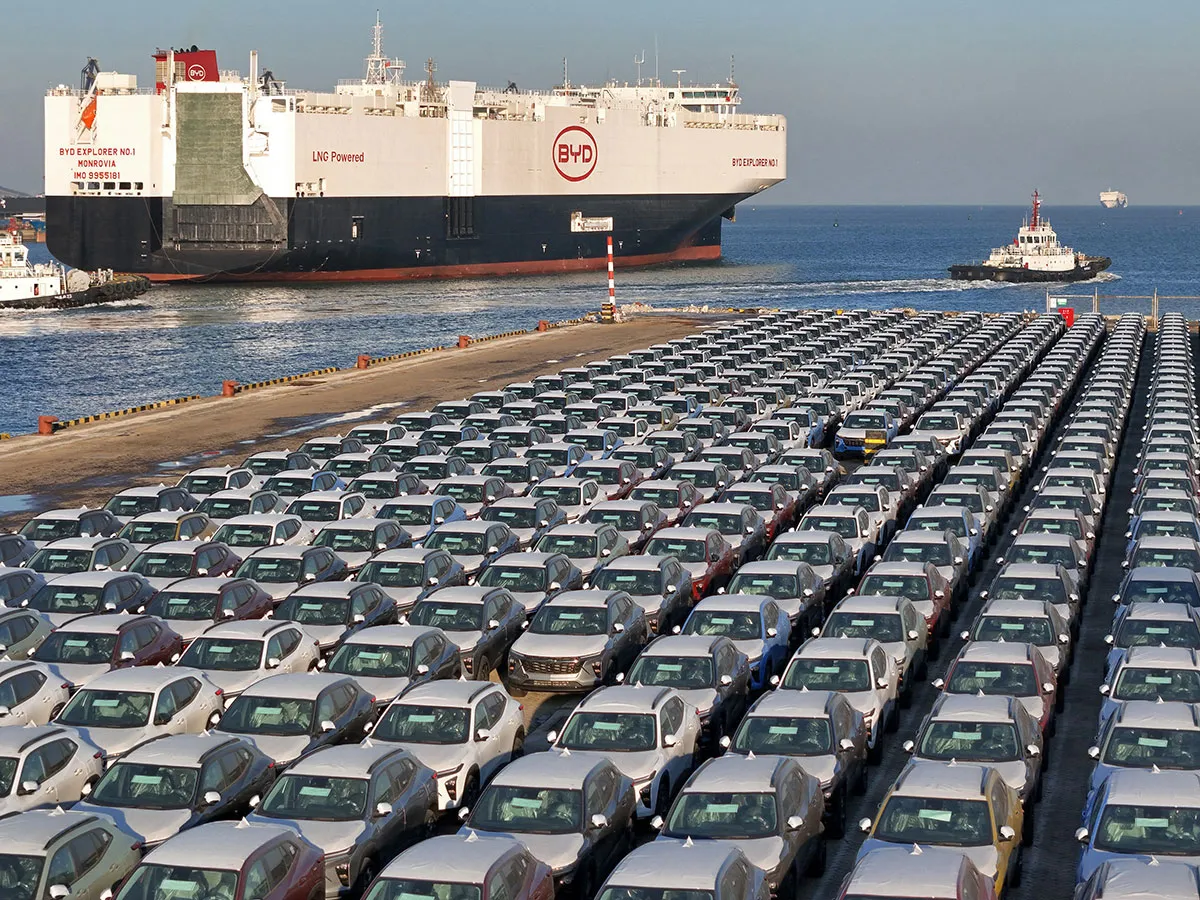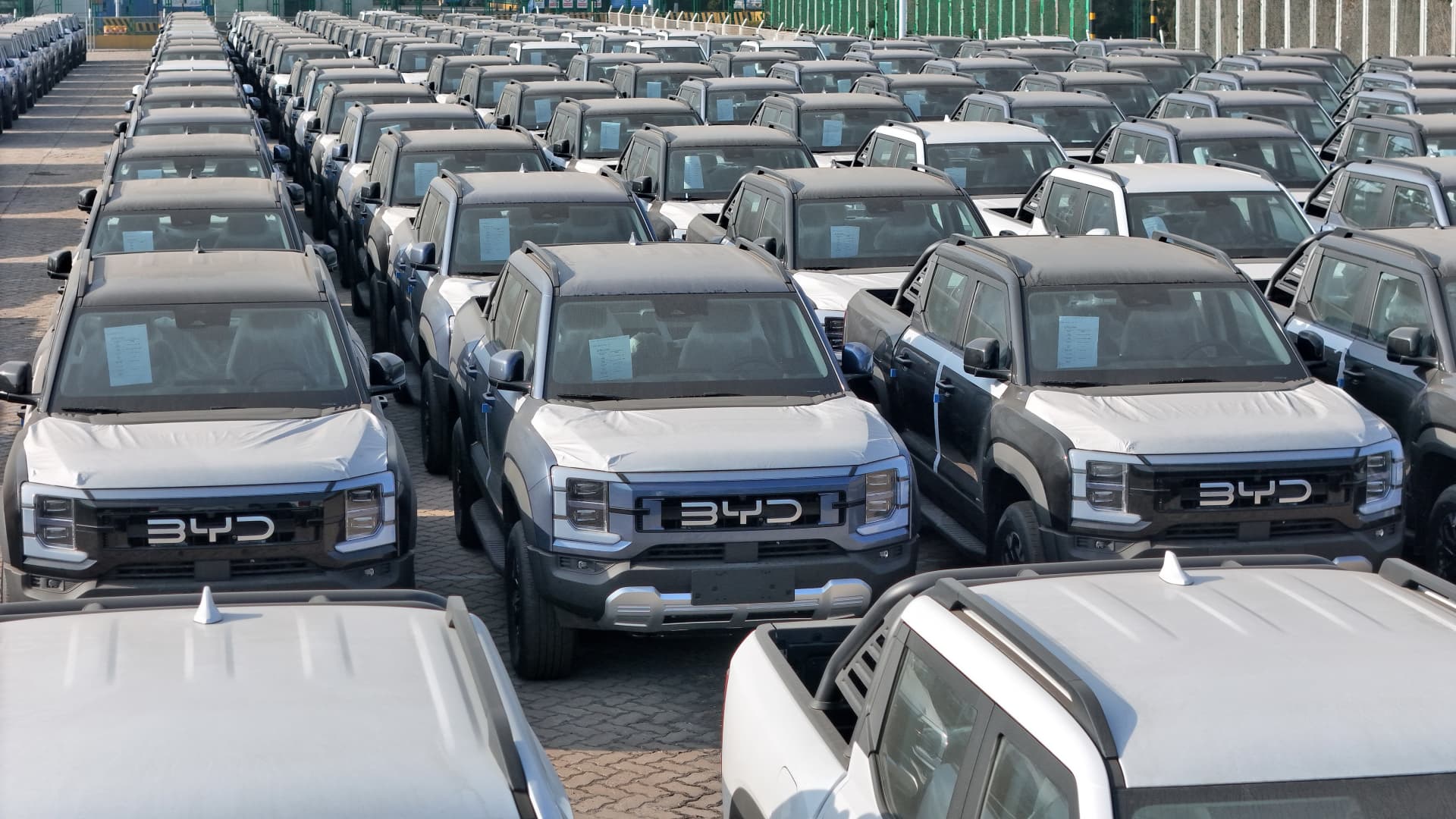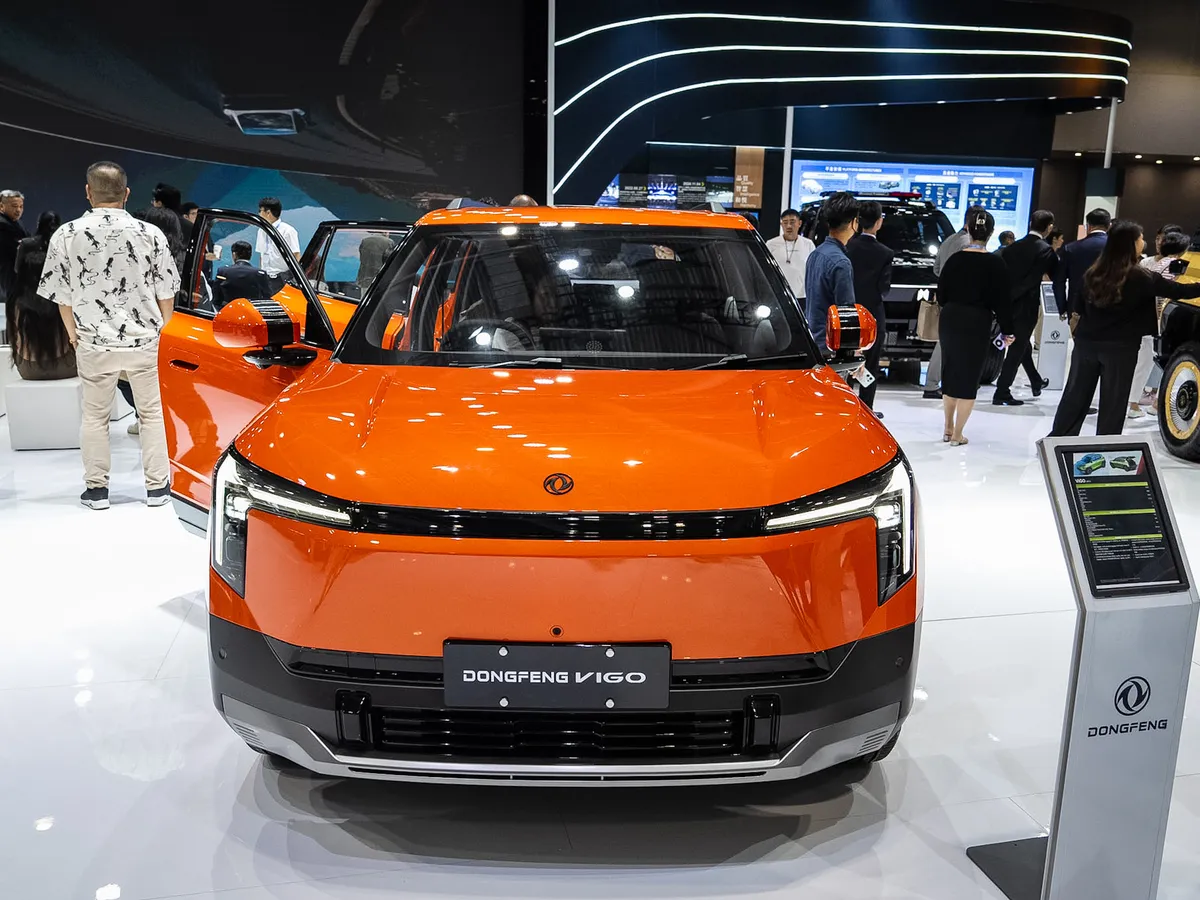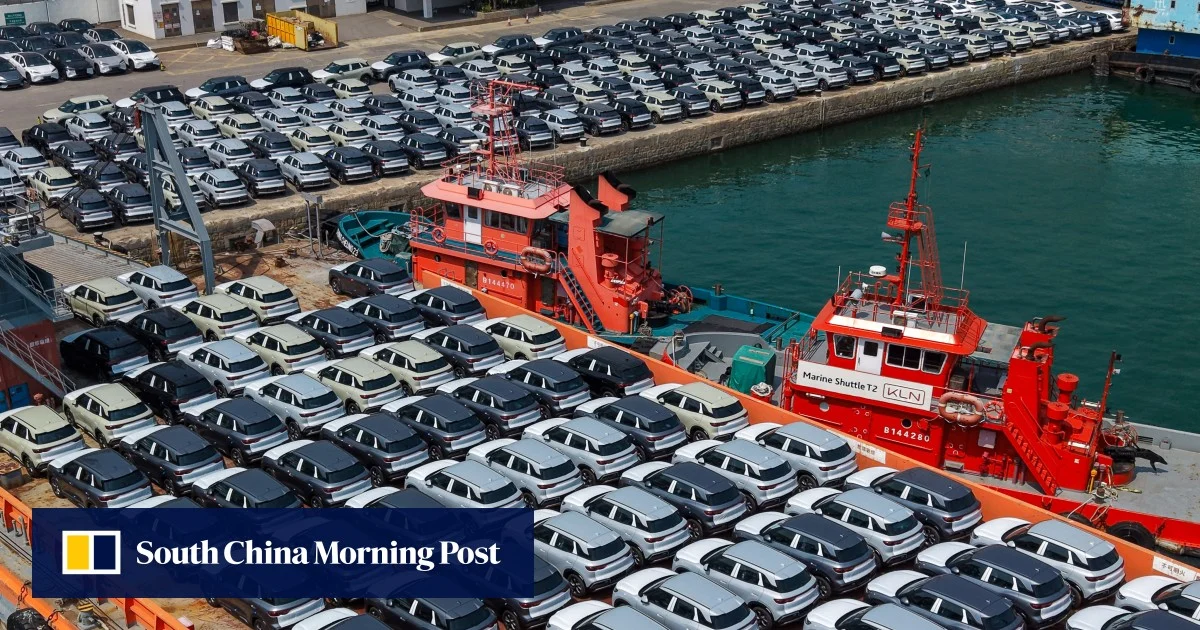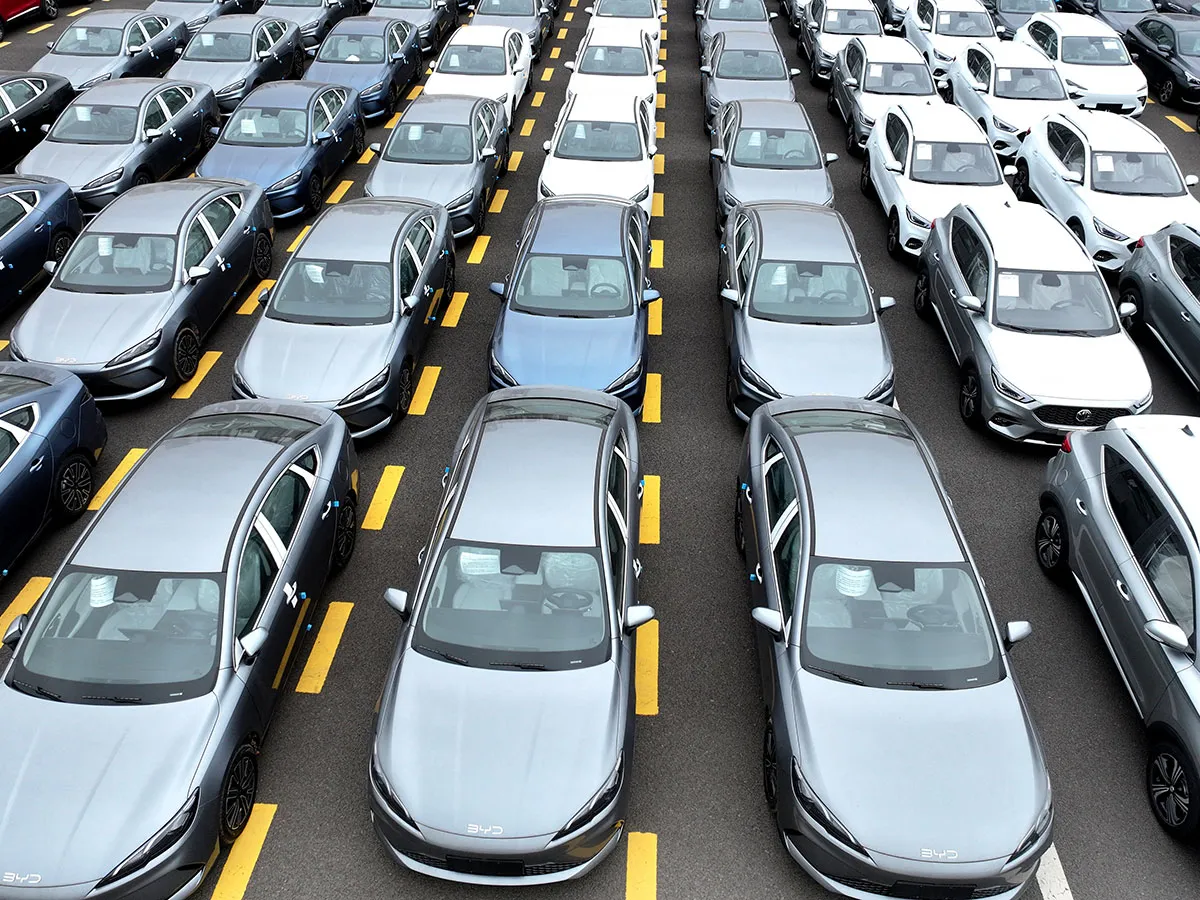
Skip to Content News Archives Economy Energy Oil & Gas Renewables Electric Vehicles Mining Commodities Agriculture Real Estate Mortgages Mortgage Rates Finance Banking Insurance Fintech Cryptocurrency Work Wealth Smart Money Wealth Management Investor Personal Finance Family Finance Retirement Taxes High Net Worth FP Comment Executive Women Puzzmo Newsletters Financial Times Business Essentials More Innovation Information Technology FP500 Podcasts Small Business Lives Told Tails Told Shopping Financial Post Store Obituaries Place a Notice Advertising Advertising With Us Advertising Solutions Postmedia Ad Manager Sponsorship Requests Classifieds Place a Classifieds ad Working Profile Settings My Subscriptions Saved Articles My Offers Newsletters Customer Service FAQ News Economy Energy Mining Real Estate Finance Work Wealth Investor FP Comment Executive Women Puzzmo Newsletters Financial Times Business Essentials HomeEnergyElectric VehiclesChinese EVs are coming to Canada: Here’s what consumers need to knowThe brands, the cost and whether they could be turned away at the U.S. borderLast updated 1 week ago You can save this article by registering for free here. Or sign-in if you have an account.BYD and MG cars, from Chinese automakers, are seen at Lianyungang Port in Jiangsu province, eastern China, ready to be loaded onto ships for export this month. Photo by -STR / CN-STR / AFP via Getty ImagesChinese electric vehicles are starting to arrive in Canada, and thousands more are set to enter the country this year as part of a new strategic partnership between the two countries. While the deal gives Canada suspended Chinese duties on exports such as canola and crab, the move is an irritant to the United States. It also raises important questions for consumers. Here, Financial Post breaks down what Canadians can expect, what brands could land here, how much they could cost and whether drivers could be turned away from the U.S. border.Subscribe now to read the latest news in your city and across Canada.Exclusive articles from Barbara Shecter, Joe O'Connor, Gabriel Friedman, and others.Daily content from Financial Times, the world's leading global business publication.Unlimited online access to read articles from Financial Post, National Post and 15 news sites across Canada with one account.National Post ePaper, an electronic replica of the print edition to view on any device, share and comment on.Daily puzzles, including the New York Times Crossword.Subscribe now to read the latest news in your city and across Canada.Exclusive articles from Barbara Shecter, Joe O'Connor, Gabriel Friedman and others.Daily content from Financial Times, the world's leading global business publication.Unlimited online access to read articles from Financial Post, National Post and 15 news sites across Canada with one account.National Post ePaper, an electronic replica of the print edition to view on any device, share and comment on.Daily puzzles, including the New York Times Crossword.Create an account or sign in to continue with your reading experience.Access articles from across Canada with one account.Share your thoughts and join the conversation in the comments.Enjoy additional articles per month.Get email updates from your favourite authors.Create an account or sign in to continue with your reading experience.Access articles from across Canada with one accountShare your thoughts and join the conversation in the commentsEnjoy additional articles per monthGet email updates from your favourite authorsSign In or Create an AccountorGet the latest headlines, breaking news and columns.By signing up you consent to receive the above newsletter from Postmedia Network Inc.A welcome email is on its way. If you don't see it, please check your junk folder.The next issue of Top Stories will soon be in your inbox.We encountered an issue signing you up. Please try againLotus Technology Inc., a luxury EV maker owned by the Chinese Geely Group, recently shipped its first Eletre EVs to Canada, becoming the first Chinese-owned and Chinese-built EV available for sale in the country.The deal with China announced in January would allow as many as 49,000 EVs to enter the country this year at a tariff rate of 6.1 per cent.The import maximum is set to increase by 6.5 per cent each year, with the portion of EVs priced at $35,000 or less required to rise from 10 per cent of the quota in the second year to 50 per cent by 2030.The first batch of 2,910 Chinese EVs were imported into the country in May but the latest data from Global Affairs Canada do not contain names of brands or models.Brian Kingston, president and chief executive of the Canadian Vehicle Manufacturers’ Association, said he anticipates the first tranche of Chinese imports will be largely comprised of Teslas, Volvos and Polestars.Other Chinese automakers will still need to secure safety authorization from Transport Canada to be certified for Canadian roads, Kingston added. Chinese carmaker Dongfeng Motor Corp. is in the process of certifying two models through regulators to enter the Canadian market. Dongfeng was to show off some of its EV models at an event in Montreal this week. Photo by Chan Long Hei/BloombergDaniel Breton, president and chief executive of Electric Mobility Canada said that Chinese brands such as BYD Co. Ltd. and Chery Automobile Co., Ltd. are “most serious” about coming to Canada. Transport Canada records show BYD is already registered to import some passenger vehicles.While the Eletre starts at $119,900, more affordable vehicles could start at below $30,000, and potentially even put pressure on legacy automakers to lower prices, Breton said.But Kingston cautioned against banking on “bargain-basement” prices, as China has often matched market prices in other countries.Toronto-Dominion (TD) Bank economists wrote in a September report that though Chinese EV makers offer competitive prices in overseas markets, they do not match the exceedingly low (between US$10,000 to US$20,000) prices seen in China.Rachel Doran, president and executive director of Simon Fraser University’s Clean Energy Canada think tank in Vancouver, said that Canada’s Electric Vehicle Affordability Program, which offers rebates for EVs that cost less than $50,000, will not apply to Chinese-made vehicles, as China does not have a free-trade agreement with Canada.Canada’s quota for Chinese-made vehicles isn’t restricted to Chinese automakers. For example, Tesla Inc., a U.S. company, has a manufacturing plant in Shanghai where it produces Model 3 and Model Y units, which would fall under the new agreement as well.It is unlikely an EV from a Chinese brand will differ significantly from another brand from the U.S., Japan, Europe or South Korea in terms of its driving range, said Likeleli Seitlheko, economist and co-author of the TD report on Chinese electric vehicles.“Where you do see differences is on charging times,” she said.“Some of the Chinese companies like BYD … they have been making announcements in recent years on development of batteries that can charge in very short time,” she added.To determine whether your vehicle is made in China, check its VIN, or vehicle identification number, a unique combination of letters and numbers that identifies the vehicle and is usually located on the driver’s side of the dashboard or on the door jamb.Any car with a VIN starting with the letter L is made in China, no matter what country its company is based in, said Kingston.You can also ask your dealership whether the car you are considering purchasing is made in China, he said, as this information is easily accessible and should be disclosed upfront.It isn’t so easy to determine whether your car has parts that are made in China, said Beth-Anne Schuelke-Leech, an associate professor at the University of Windsor and a policy director at the school’s Shield Automotive Cybersecurity Centre of Excellence. It is “virtually impossible now to avoid China in the EV supply chain,” she said.Some experts have raised concerns over data security risks with Chinese-made EVs.Canada’s Personal Information Protection and Electronic Documents Act does not explicitly prohibit companies from sending data outside of the country, Schuelke-Leech said.“The question that people have to ask is: Am I comfortable having my data collected?” she said. This could encompass the location and movements of the vehicle as well as drivers’ behaviour and conversations, especially if they connect their phone to the car.“The risk, of course, is that information that the vehicle gathers could ultimately end up in the hands of the (Chinese) government,” Kingston said.In 2025, China’s foreign ministry said its government “has never and will never” require companies or individuals to collect or provide data and intelligence to it in a way that violates local laws.However, Breton said that data collection extends to all connected vehicles, not just those made in China, recounting an investigation into General Motors that saw the auto giant penalized by the U.S. Federal Trade Commission last year for allegedly collecting and selling customers’ driving data without their knowledge. Vehicles wait at the United States Custom booth at the Ambassador Bridge that connects Detroit and Windsor. If U.S. legislation is approved, border guards could potentially request to see the VIN of your vehicle. Photo by JEFF KOWALSKY/AFP via Getty ImagesRecently proposed U.S. legislation would bar Chinese EVs from crossing the border from Canada into the U.S. if approved.The Protecting America from Chinese Cars Act seeks to prohibit connected vehicles that are either manufactured in or owned by entities associated with so-called “adversarial nations” (including China) from entering the U.S. The bill was announced by two Michigan state lawmakers in June in response to Canada’s trade deal with China.If approved, the proposed legislation would require U.S. Customs and Border Protection to develop certain rules and procedures, including making a list of prohibited vehicles, though it would also allow vehicle manufacturers to apply for special provisions for entry.Kingston said border guards could potentially request to see the VIN of your vehicle in order to enforce such a rule.“This bill, should it come into force, will ensure that if you do try and take your vehicle from St. Catharines and drive over to Niagara Falls or go to Buffalo, you will be turned around,” said Kingston. “And I think that’s something that Canadians need to be conscious of as they consider these vehicles.” Join the Conversation This website uses cookies to personalize your content (including ads), and allows us to analyze our traffic. Read more about cookies here. By continuing to use our site, you agree to our Terms of Use and Privacy Policy.
Chinese EVs are coming to Canada: Here’s what consumers need to know
Everything you need to know about Chinese EVs: the brands, the cost and whether they could be turned away at the U.S. border. Read on
1,681 words~8 min read