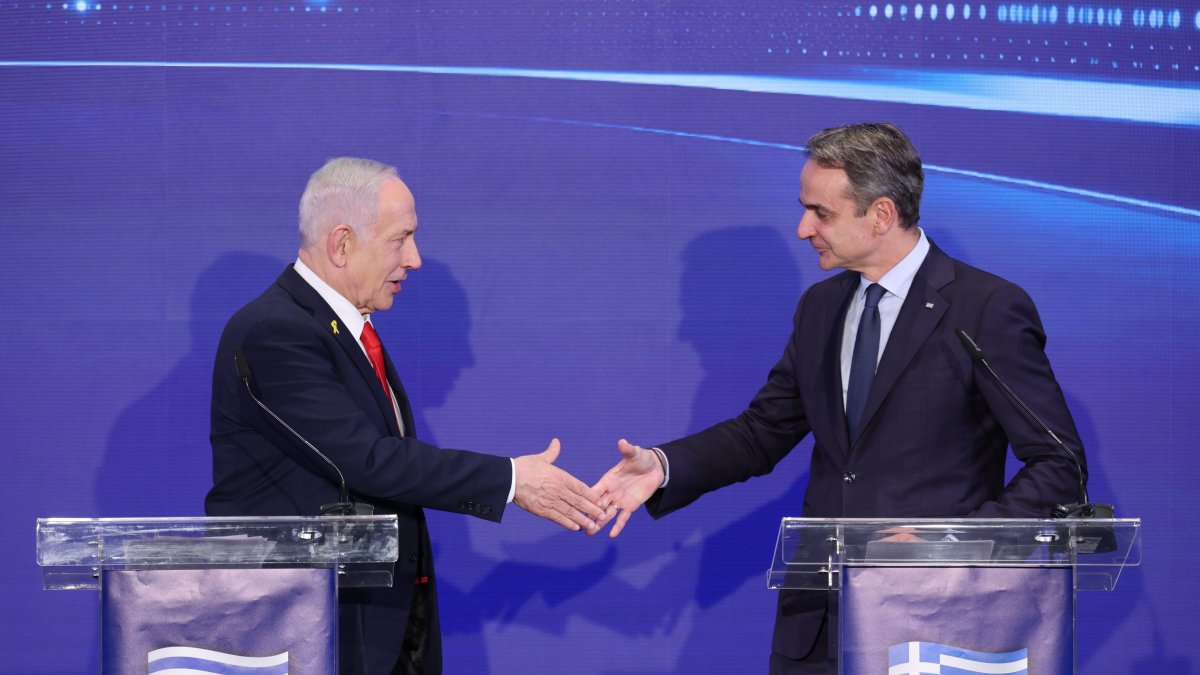
Greek Prime Minister Kyriakos Mitsotakis speaks as he arrives for the NATO summit in Ankara, on July 8. The writer argues that strengthening Greece’s deterrence will elevate the country’s role in the alliance. [Emrah Gurel/AP]
US President Donald Trump’s stated intention to reconsider Turkey’s return to the F-35 fighter jet program has understandably caused unease in Athens.
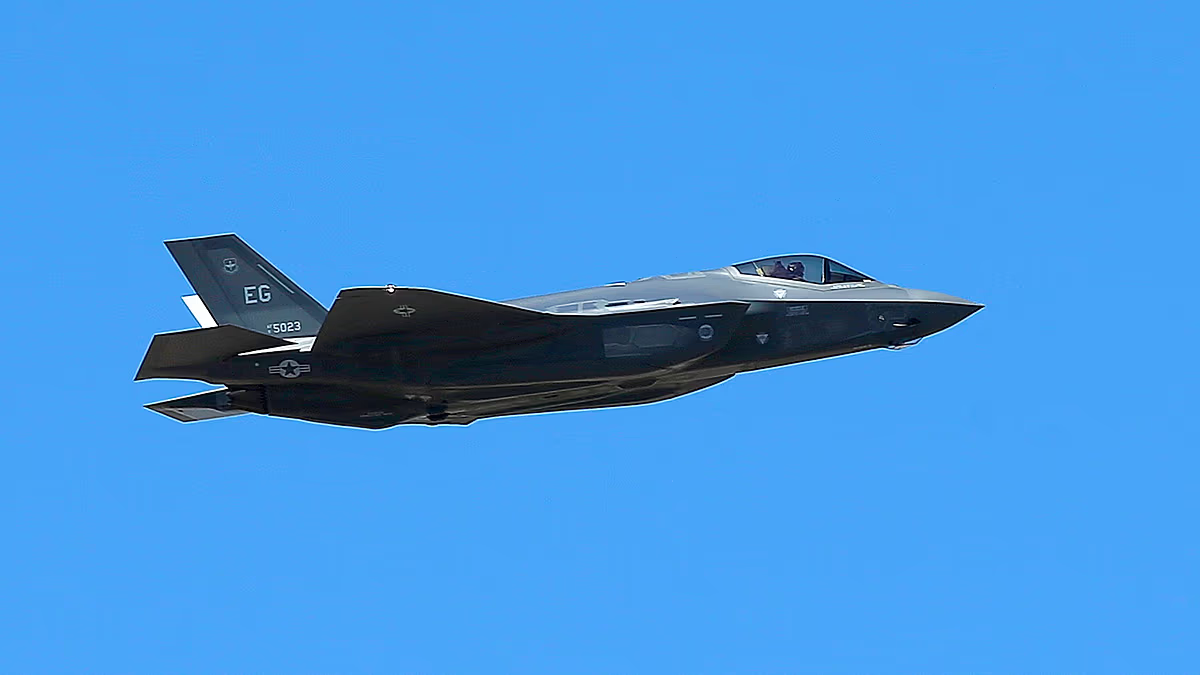
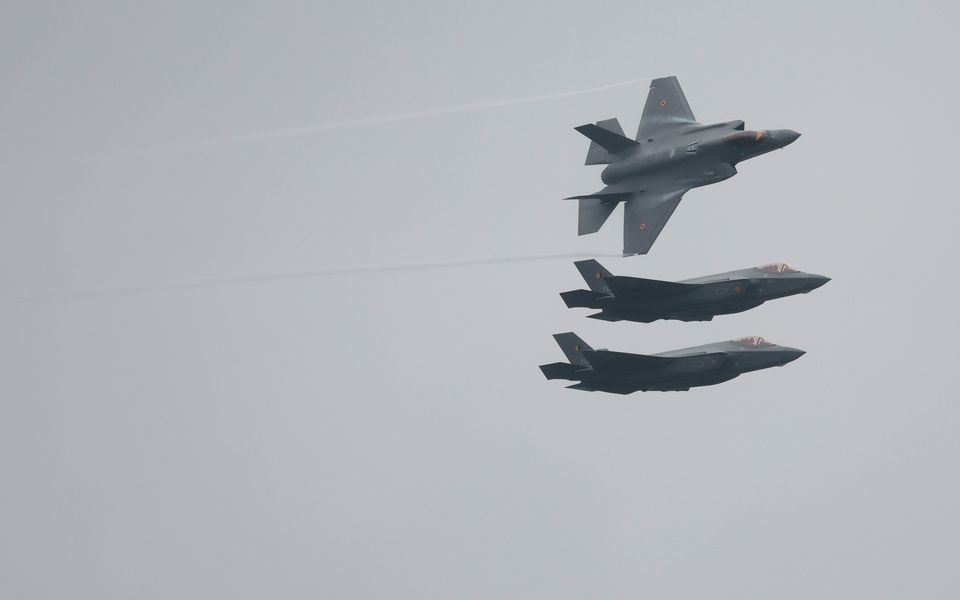
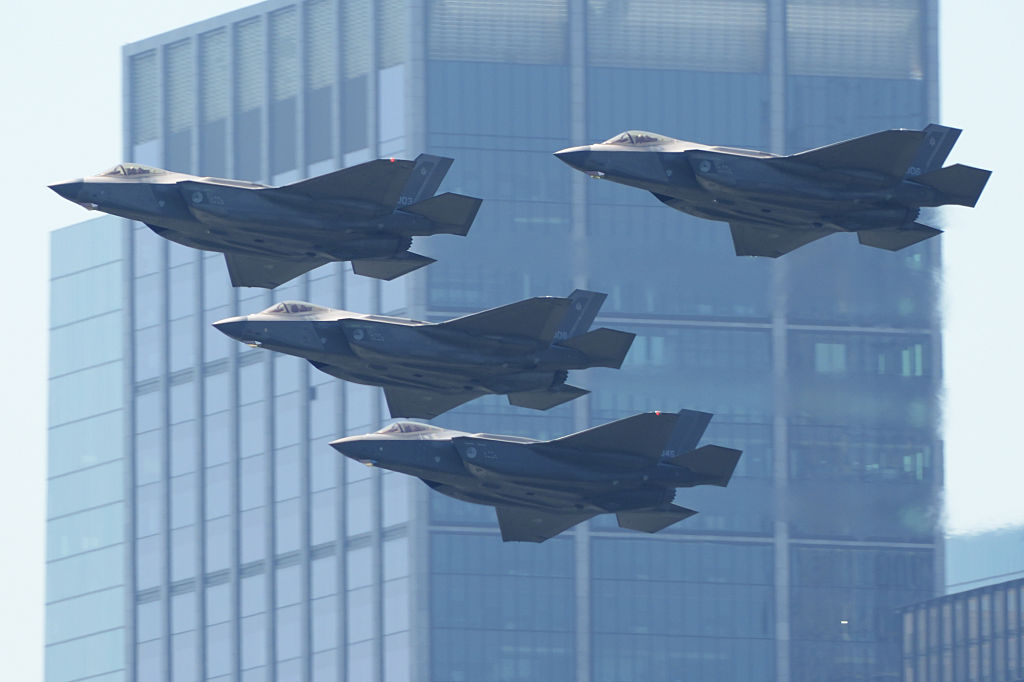
The fifth-generation fighter has repeatedly demonstrated its ability to penetrate sophisticated air defense networks without being detected. This enables it to conduct first-strike missions and operate in highly contested environments where conventional fighter aircraft would likely sustain significant losses. Beyond its stealth capabilities, the F-35 can collect and disseminate battlefield data to warships, other aircraft, and unmanned systems. In effect, it serves as a network-centric command-and-control node, enabling higher-precision strikes. It is, therefore, far more than a conventional fighter aircraft.
During the US-Israeli campaign against Iran, F-35s conducted suppression of enemy air defenses (SEAD) missions, striking radar installations and surface-to-air missile batteries deep inside Iranian territory. Simultaneously, the F-35 fleet provided allied forces with a comprehensive real-time operational picture of the battle space.