Logo text
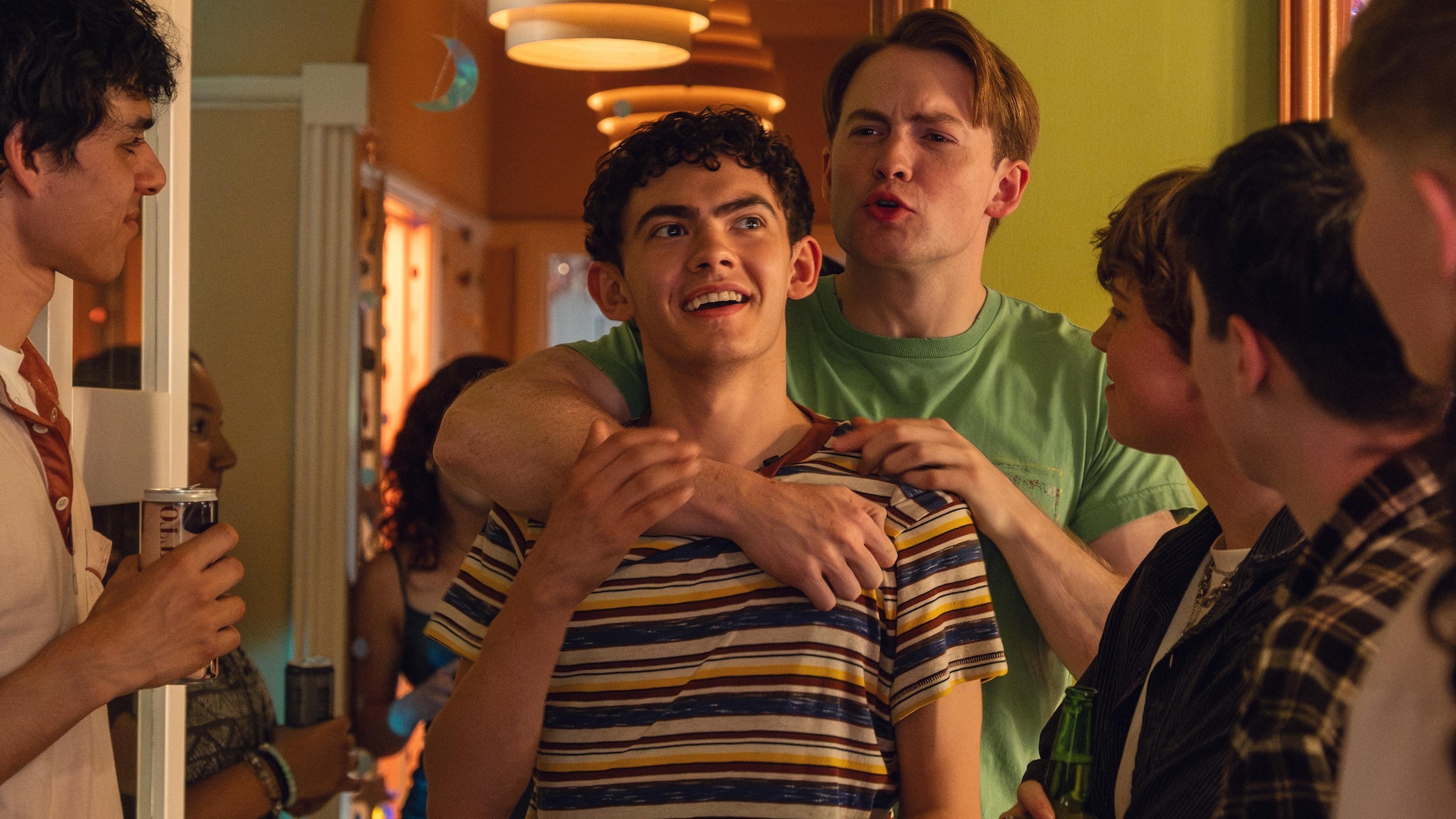
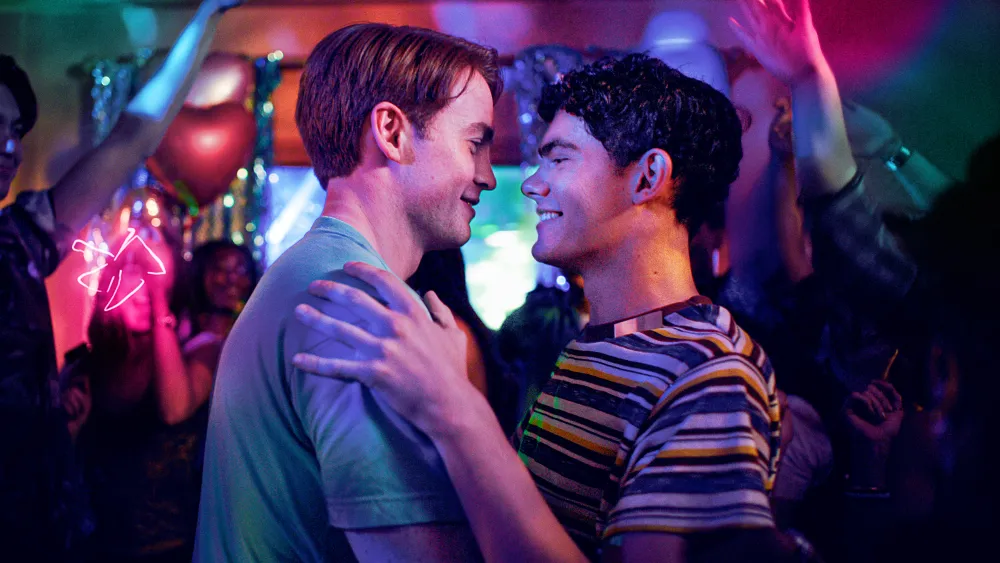
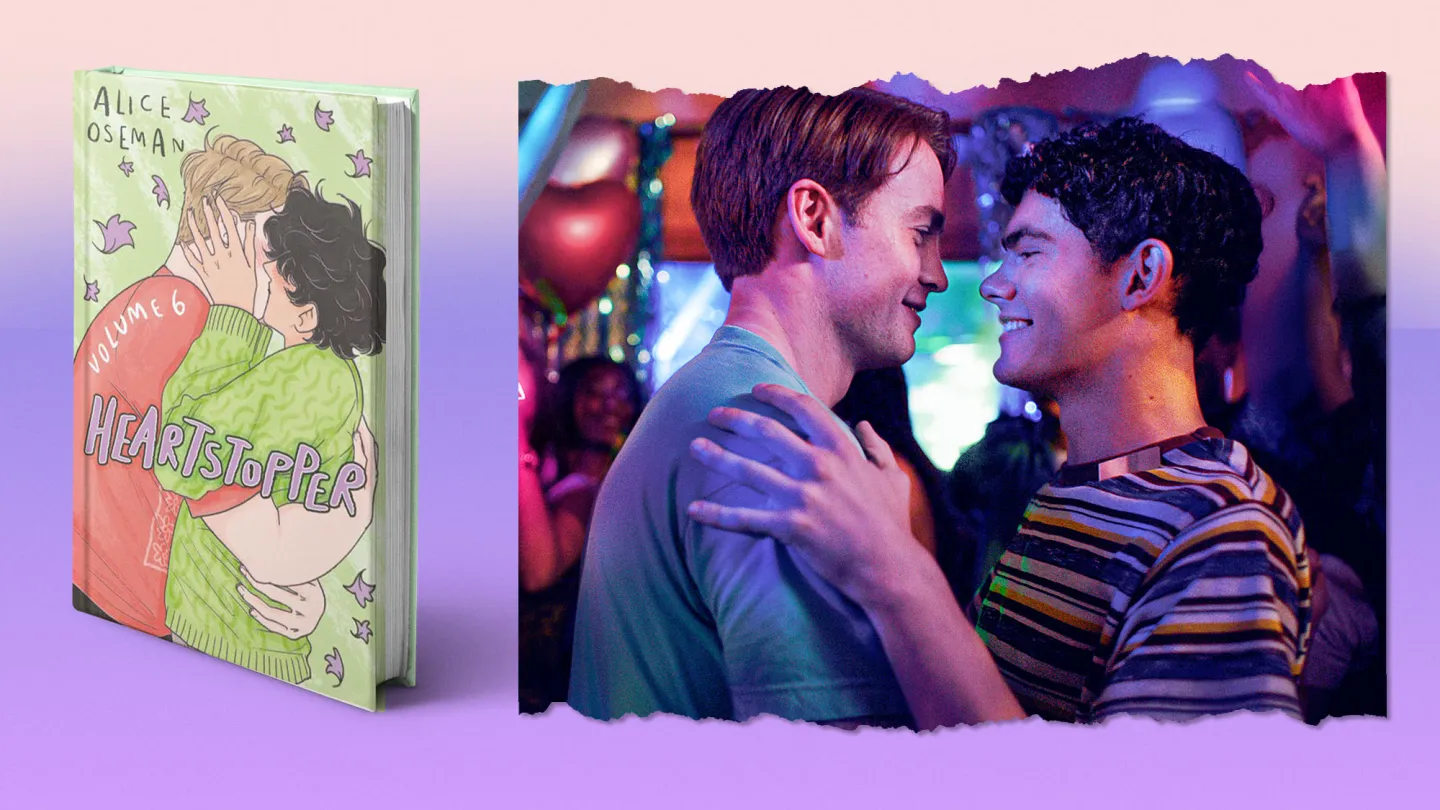
It’s week six of Heartstopper Forever’s seven-week shoot, and the 75-degree weather is only slightly unbearable to the U.K. crew and extras huddled on set under canopies or milling about the yard outside of a home. From the outside, a room with floor-to-ceiling bow windows is shrouded in rainbow tinsel. Inside, a lively party plays out — a cacophony of voices, skin, shimmer, bottles, joy and hormones on repeat. The house is at the Windsor Road-edge of the historic Bray Studios, tucked between the River Thames and a section of the A308 motorway, in the hamlet of Water Oakley. Their own chapter of U.K. film history, the grounds are the former base for Hammer Film Productions, and a home to everything from Dr. Who special effects filming to rehearsal facilities for music giants like Pink Floyd.
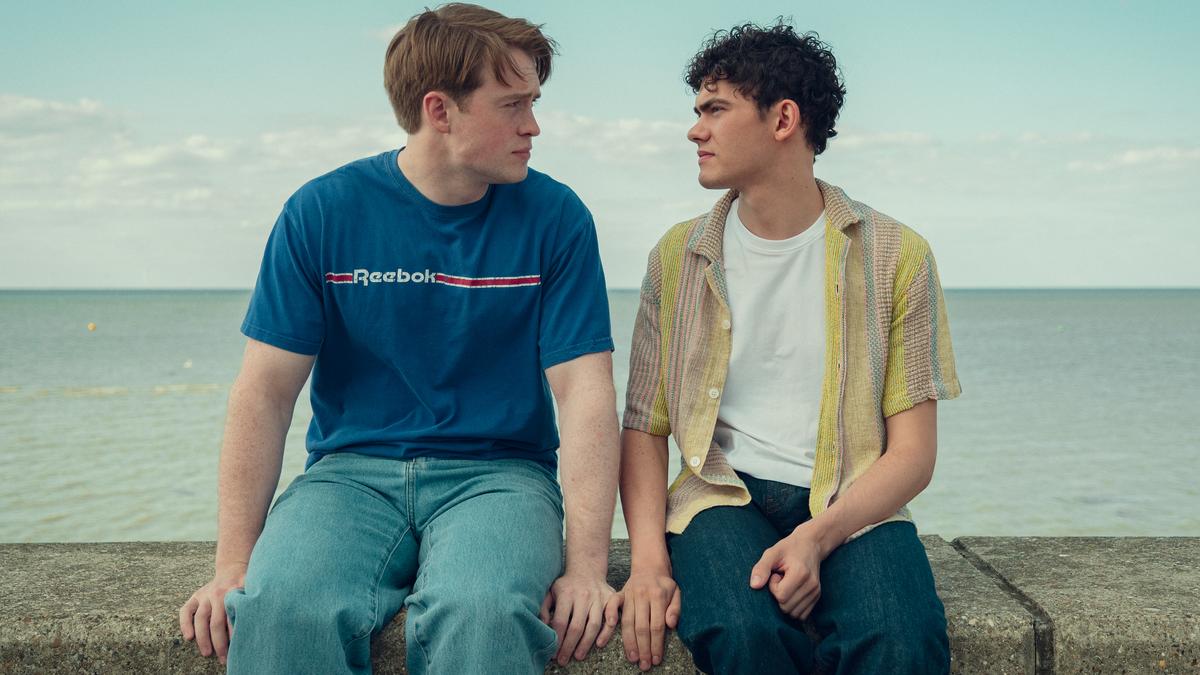
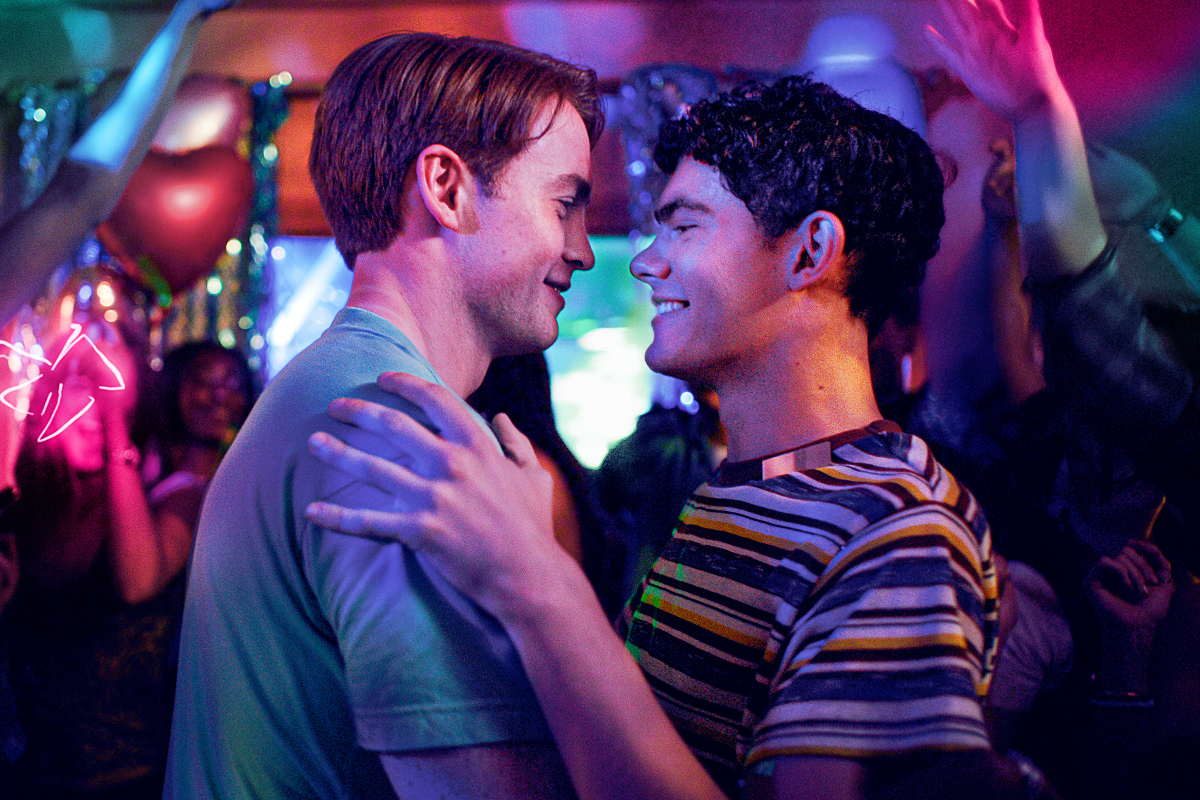
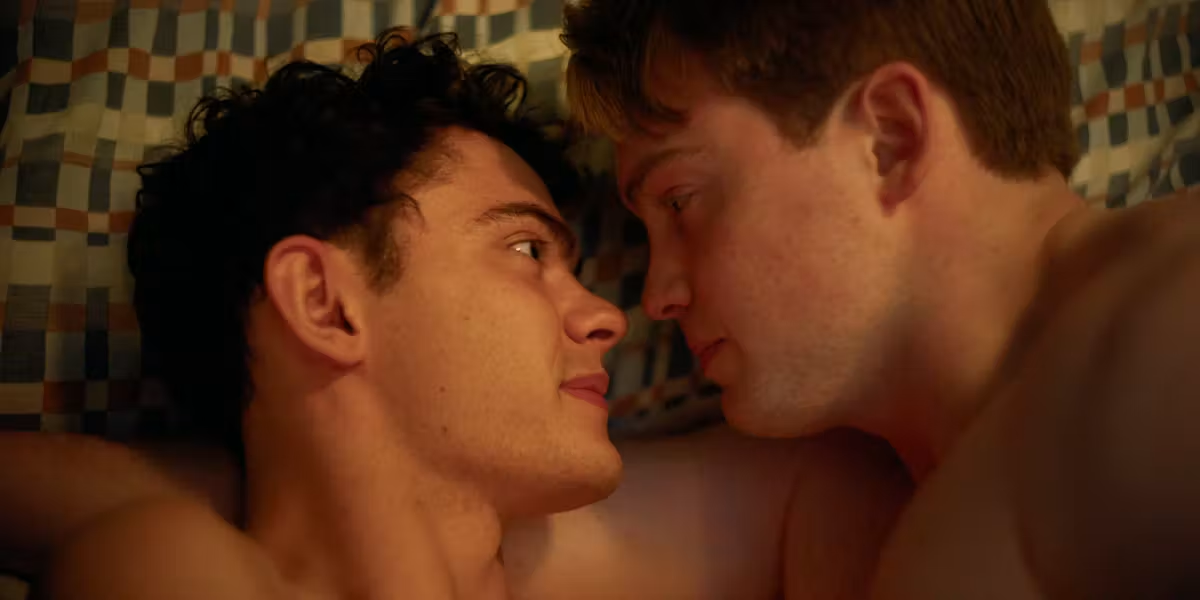
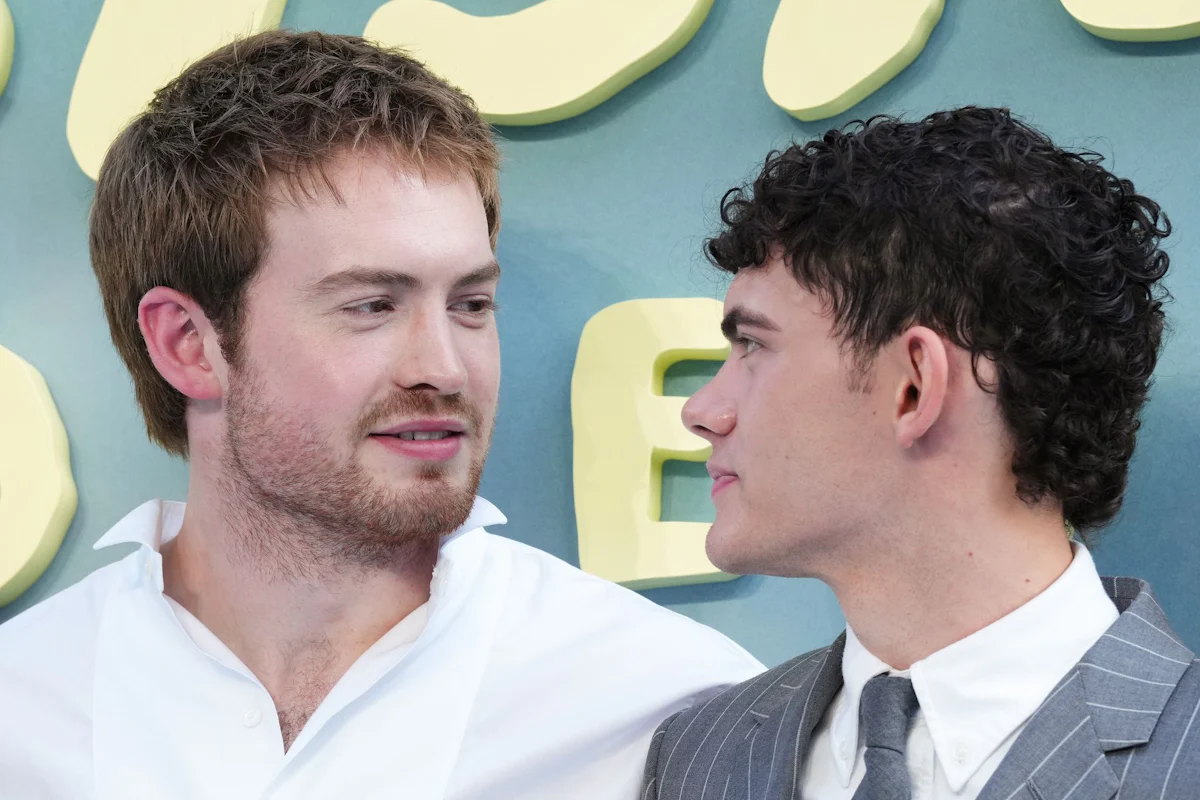
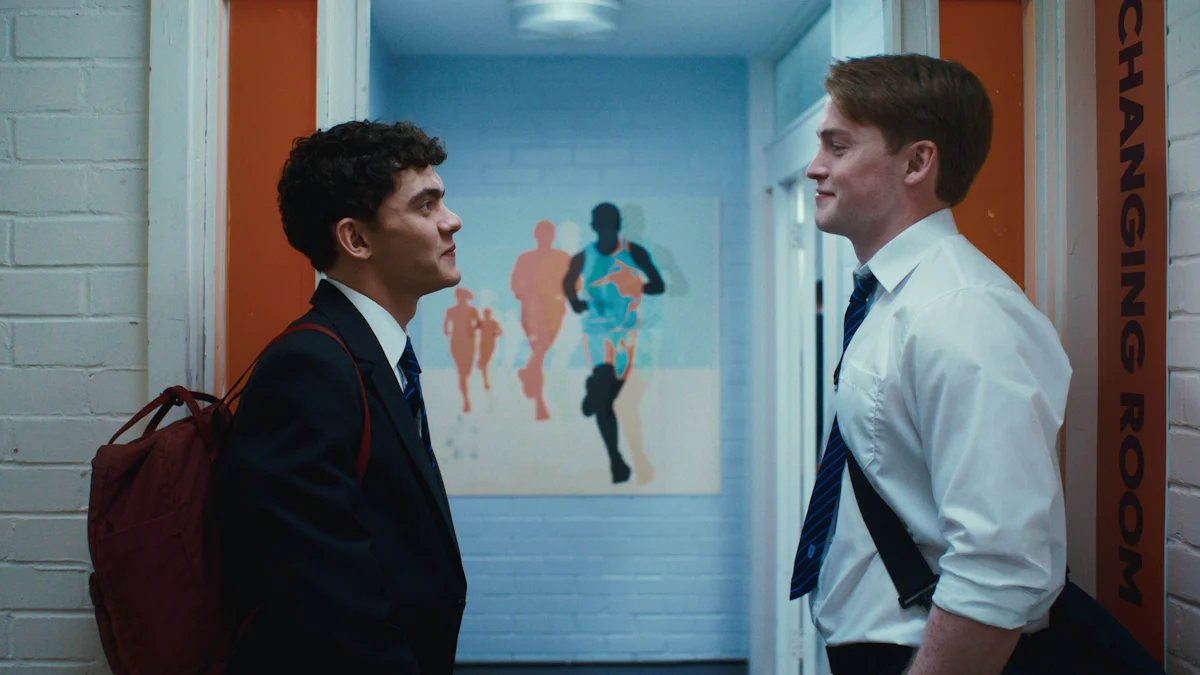
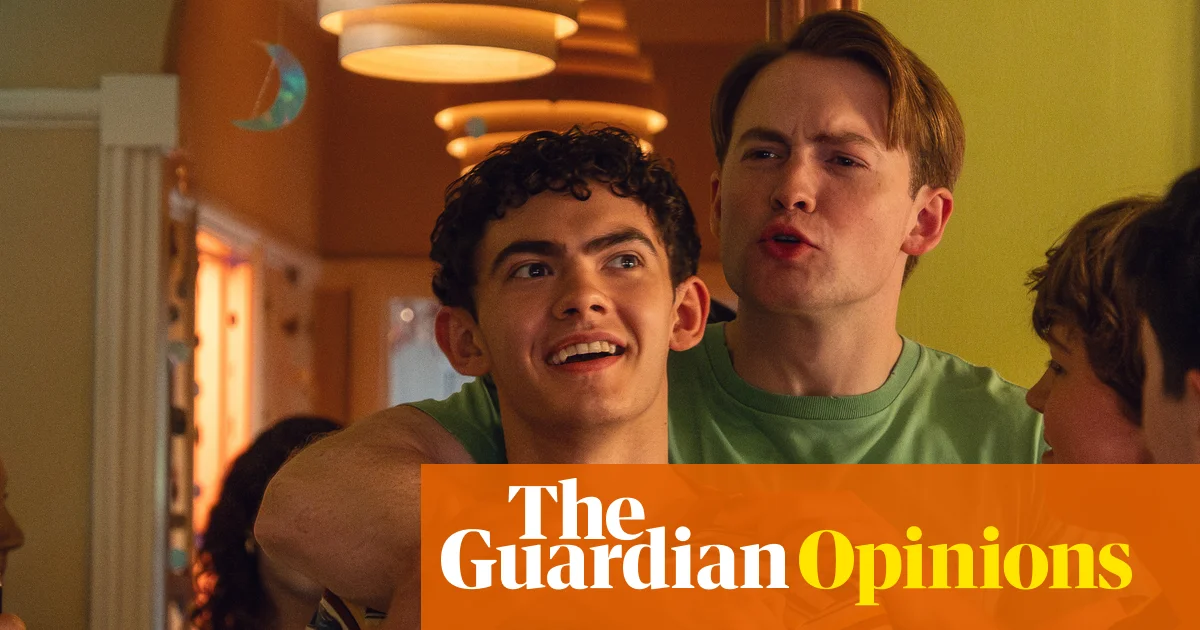
Now, seven soundstages and nearly as many offices and workshops serve as a key site for TV hits, in this case, the final chapter of Netflix‘s LGBTQIA+ YA hit Heartstopper.Outside, the celebratory scene replays, almost bittersweet, as the voice of director Wash Westmoreland commands the cameras and his ensemble, now thoroughly in young adulthood, from an invisible space across the room. Again and again, Joe Locke’s Charlie, the fictional Truham Grammar School’s newly minted head boy, receives a warm and rousing show of love with the help of his boyfriend, Nick Nelson (Kit Connor). Now, a year and a day after that moment on set, the movie Heartstopper Forever releases, marking the end of an era. The two-hour feature is the final chapter in Netflix’s adaptation of Alice Oseman’s popular webcomic and graphic novel that ran for three seasons.