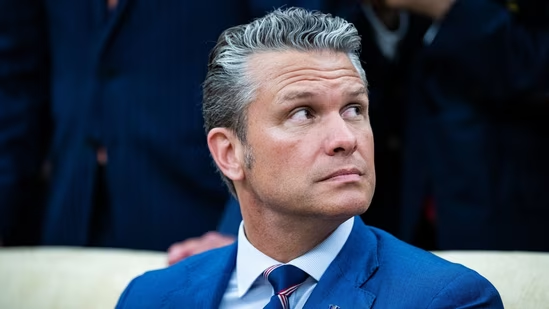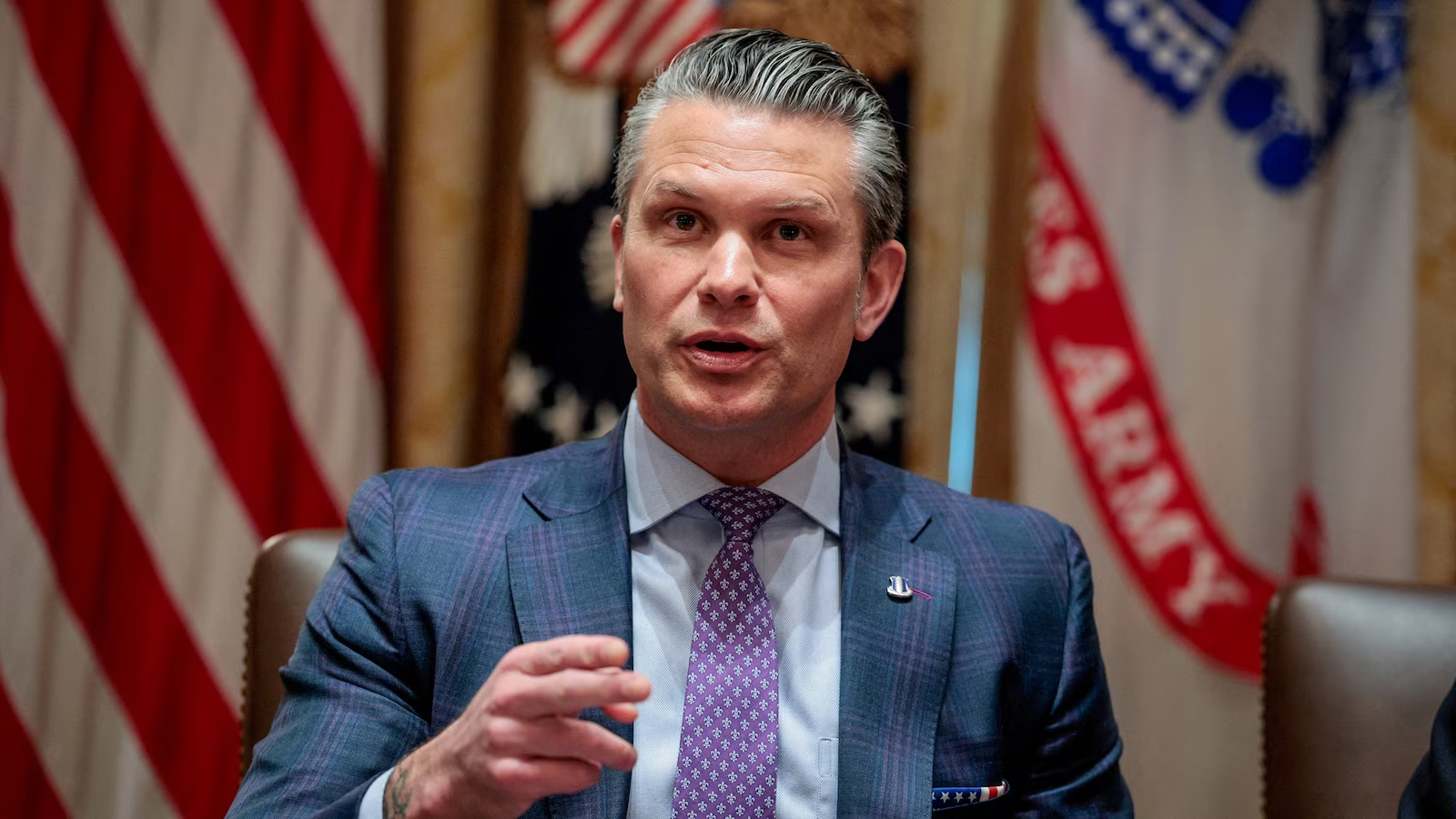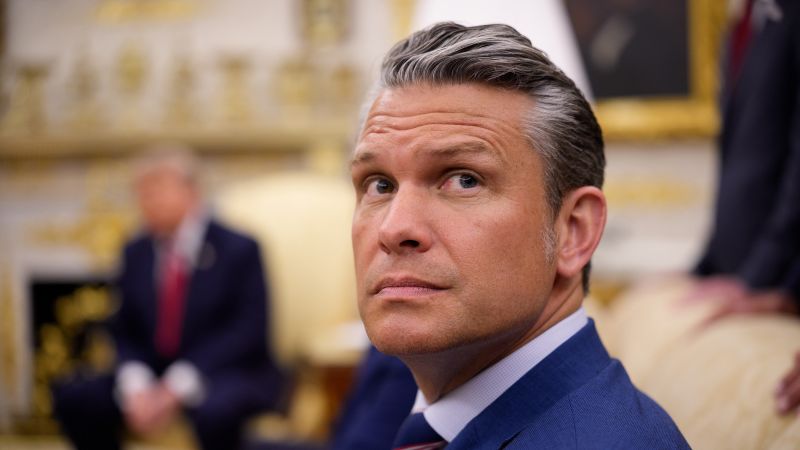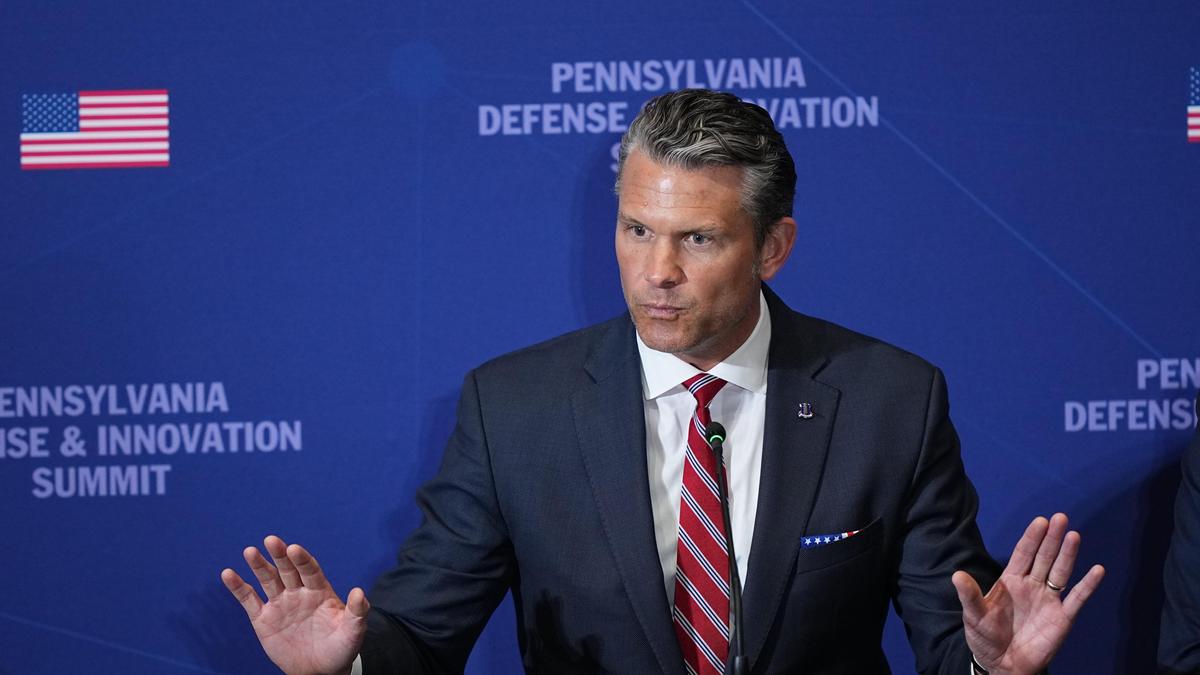
Medical experts are divided on Defense Secretary Pete Hegseth’s announcement that U.S. service members will undergo testosterone deficiency screenings with their annual physical exams.
“War fighters aged 30 and older are going to be tested annually as part of their periodic health assessment,” said Hegseth in a video, posted with the caption “The High-T Department of War.” Elective testosterone testing will be available to younger service members, too, and if recommended, testosterone replacement therapy would be at the individual’s discretion.
Testosterone replacement therapy has become big business in recent years. Health influencers and online clinics have been touting its benefits well beyond what current evidence suggests, promoting it as a miracle substance akin to an elixir of well-being. But testosterone therapy does have proven benefits in men who are deficient in the hormone and experience fatigue, low libido, and mood disorders, even as experts disagree on the best ways to diagnose low testosterone — widely known as low T.
Hegseth’s announcement is the latest example of the Trump administration showing support for testosterone replacement therapy for men, and embracing the hormone more broadly as a mark of masculinity and health. Health secretary Robert F. Kennedy Jr. has declared that he takes testosterone, and referred to Donald Trump’s reported high-for-his-age testosterone levels as a proxy for his overall good health. The Food and Drug Administration also recently revised testosterone product labels to remove a disproven warning about prostate cancer risk, and a statement about lack of proven efficacy for older men.