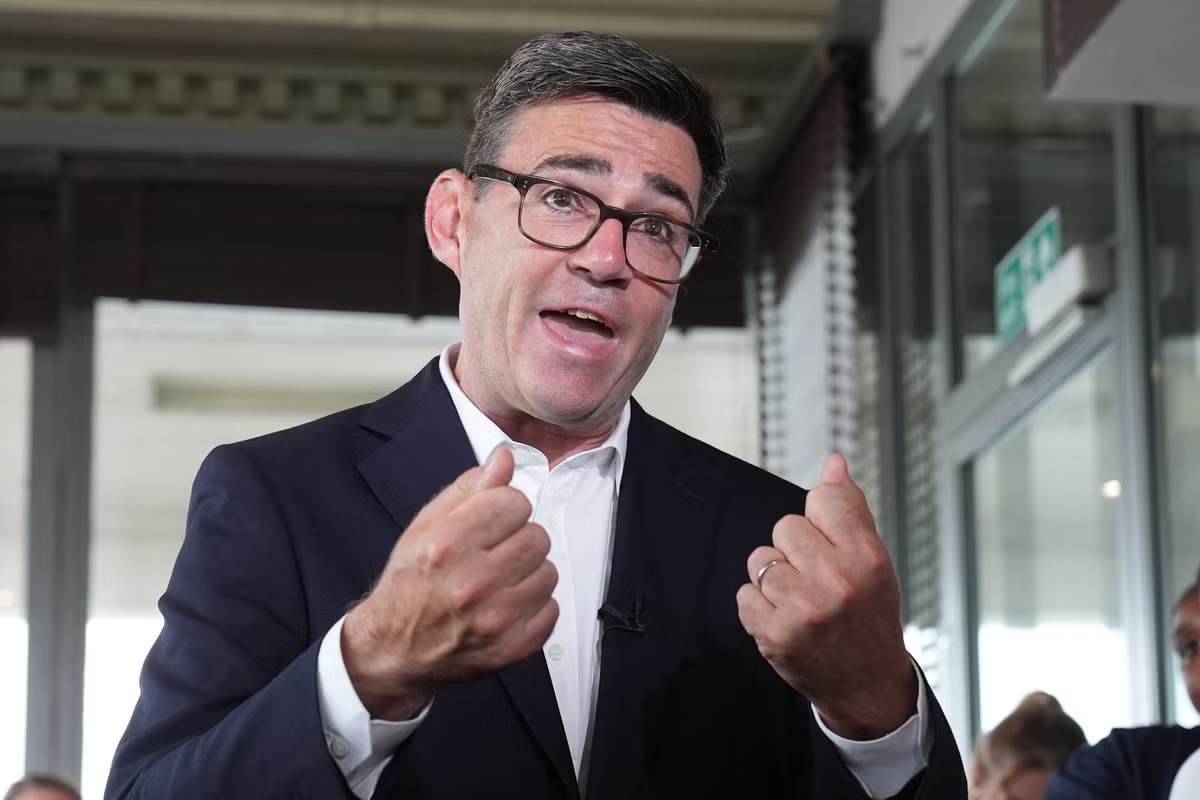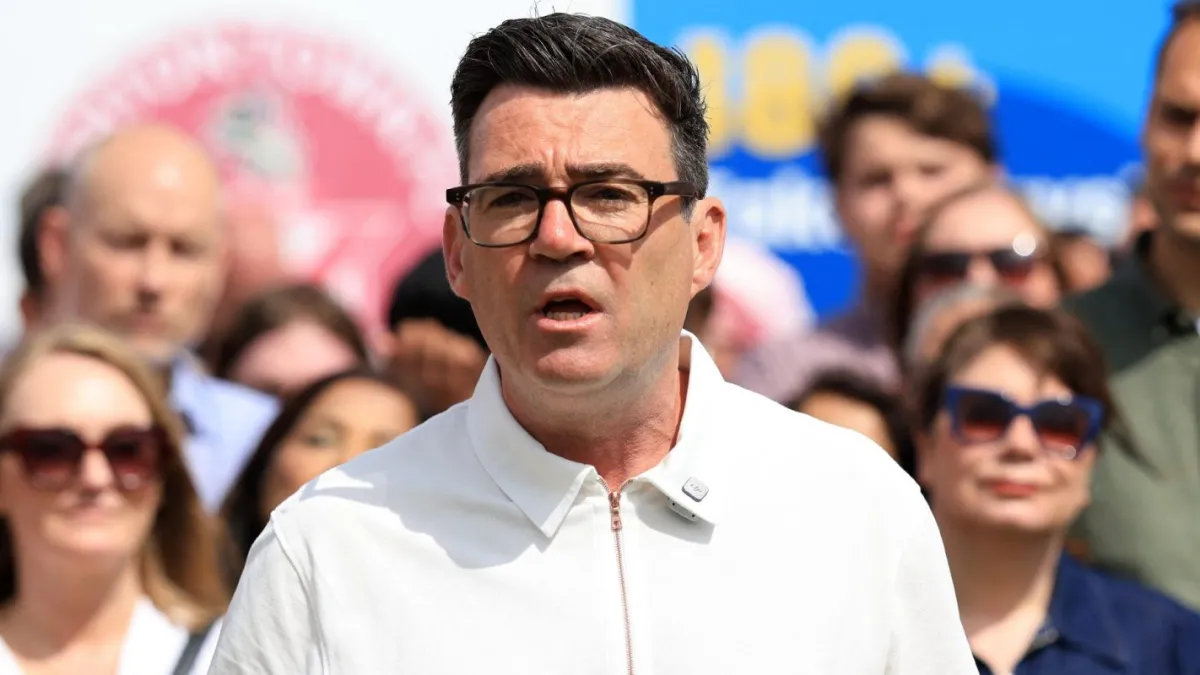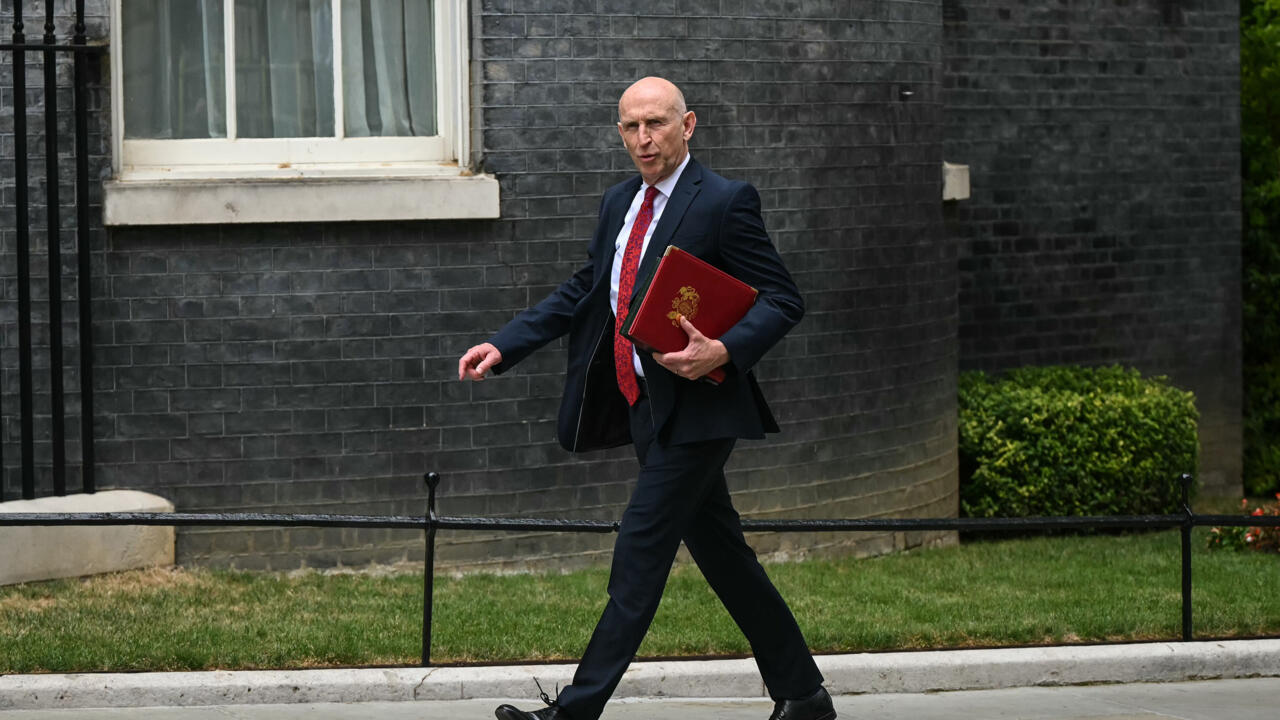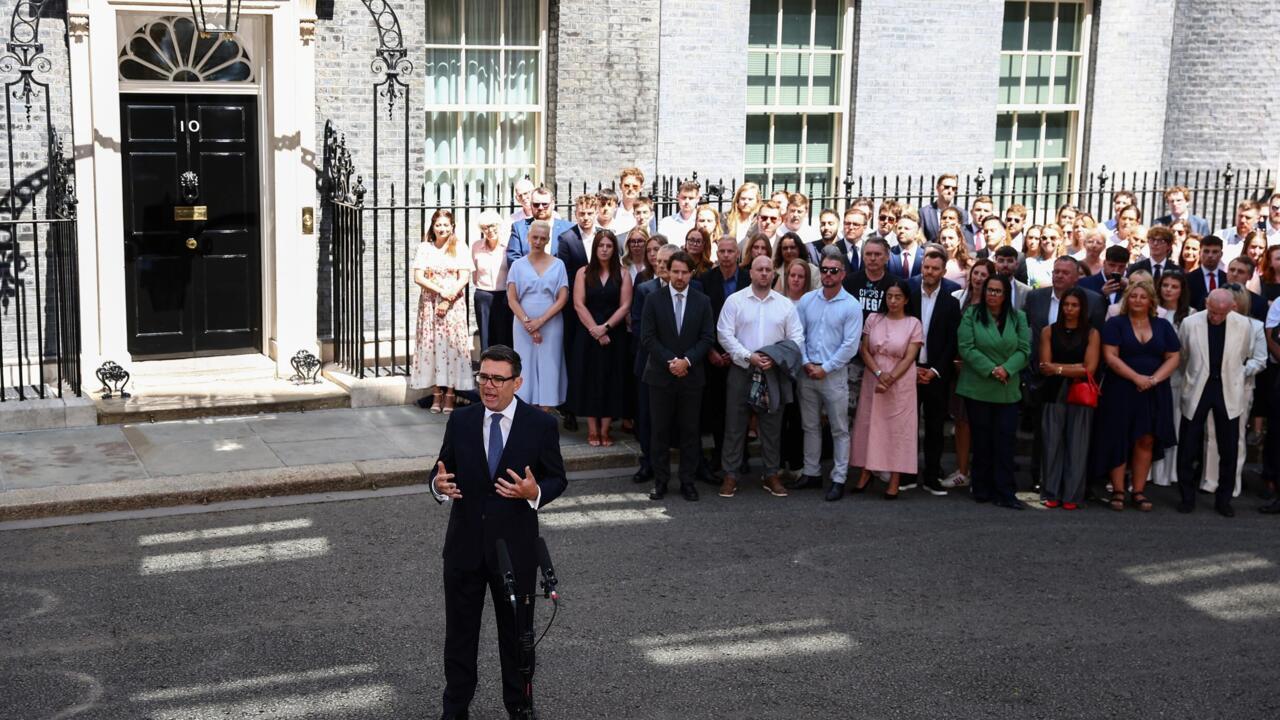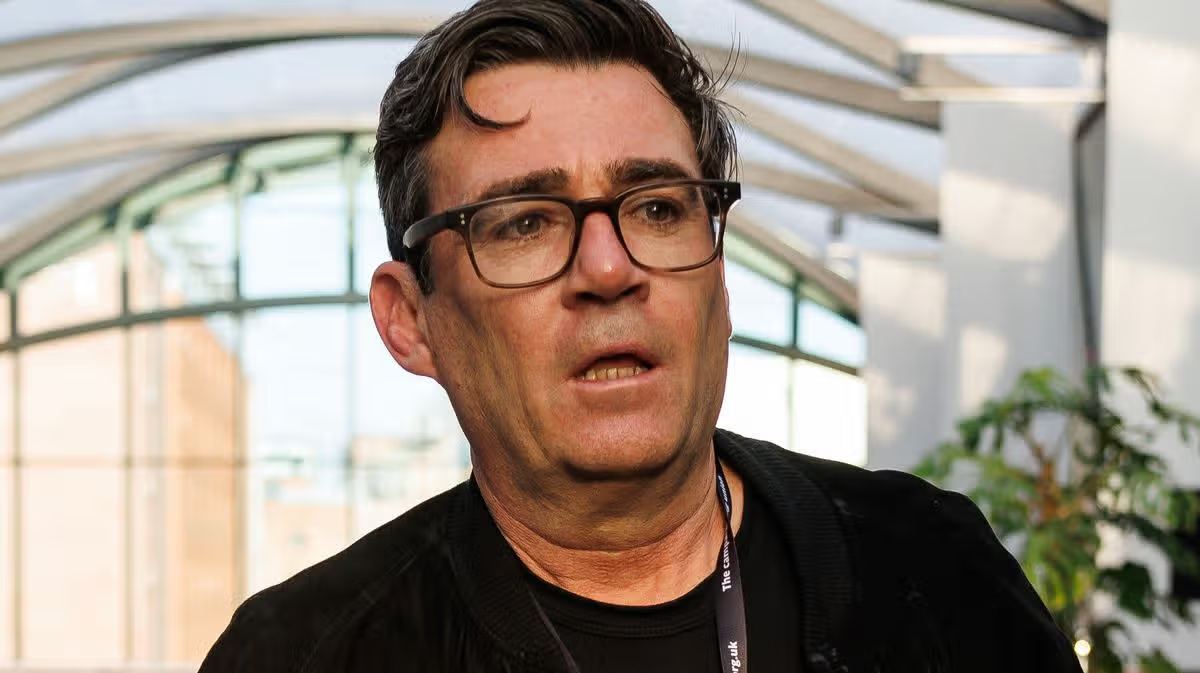
Andy Burnham has officially taken over as Prime Minister - and there are big questions about tax, and who might end up better or worse off, under his premiership.He takes over from Sir Keir Starmer with the UK economy having grown faster than any other G7 country in the first three months of this year, up 0.6%. However, it then dropped 0.1% in April before eking out growth of the same scale in May.Meanwhile, the government borrowing continues to rise - along with eye-watering interest bills - and the nation’s public sector debt mountain edges towards the £3trillion mark.Follow our live blog for the latest updates as Andy Burnham becomes PMMr Burnham has suggested he will stick to Labour’s manifesto pledge not to increase income tax, VAT or national insurance.However, they account for around two thirds of all tax receipts, leaving him and his Chancellor - confirmed as surprise choice John Healey - somewhat boxed in when it comes to what levers they can pull. We might have to wait for for the autumn Budget for the nitty gritty but what are the options that might be on the cards?Energy billsOne of Andy Burnham's first announcements was to cut VAT on household electricity bills from October. The move is expected to take around £45 off the yearly Ofgem price cap. It's Burnham's first major policy announcement as prime minister. Mr Burnham said the move will be funded by his decision to scrap the previous government's £1.8billion digital ID programme Prime Minister Andy Burnham said: "Westminster has not been working for people for too long, with families struggling with the cost of living. Lib Dem leader Ed Davey said "At least it's something".Energy bills have been driven up by the fall-out from the Middle East war, which seen wholesale energy costs jump. Ofgem's price cap - which covers households on standard tariffs - rose to £1,862 a year in July, and industry experts Cornwall Insight has been predicting it will increase to £1,849 in October, ahead of the winter. "Income taxFreezing income tax thresholds has meant millions of workers and others being stung as their incomes have risen. However, it raked in tens of billions for the Treasury. Rachel Reeves - now ex-Chancellor - extended the freeze to April 2031, and doing so until 2032 could rake in an extra £5billion. However, Mr Burnham has criticised the freeze. On the BBC’s Question Time on June 4, he said: “On the personal allowance, I’ve heard on so many doorsteps, and I’ve said to my team, let’s have a proper look at this and let’s develop a policy.”And hours after becoming PM, told reporters: "It has dragged more people in - pensioners, I think - and that particularly I think has become a growing issue. All of this will be looked at though at the Budget, and obviously it's difficult given the financial circumstances in which we find ourselves. But I wanted to recognise the point because it's challenging for people and it's people on the lowest incomes perhaps who've most been affected by that."There are suggestions he will raise the £12,570 tax-free personal allowance, the threshold at which you start paying income tax. You then pay a basic rate of 20% on income between that and £50,270, a higher rate of 40% on £50,271 to £125,140, and an additional rate on anything above that.Think tank the Resolution Foundation issued a word of caution: "The tight fiscal environment should rule out an unfreezing of the personal allowance for income tax. Doing so for next year alone would cost £3.7billion, while a complete unfreezing of all income tax thresholds in future years would cost a whopping £14.4billion in 2029/30."Mr Burnham also said recently that there is "definitely a case" for the return of 50% top rate of tax for the very wealthy. It was introduced by Labour in 2010 but cut to 45% by the Tory led coalition in 2013. Asked if he would look at a 50p rate of tax to a rise in the tax-free threshold, he told reporters: "I think that would be just premature to say that. I’ve barely got my feet under the table."Inheritance taxInheritance Tax is levied on the estate (the property, money and possessions) of someone who has died. It normally applies when the value of the estate is over the £325,000 theshold, above which there is a standard rate of 40%..When Mr Burnham was health secretary in 2009, he suggested a flat 10% rate of inheritance on all estates, with the money raised being used to pay for free social care for all. Social care looks like being a key focus for Mr Burnham now he is PM, but it is not clear yet how it will be paid for. We may need to wait until the autumn Budget for more details.Business ratesOne tax Mr Burnham seems passionate about changing is business rates. In a recent interview with LBC, he suggested the property tax on warehouses could be increased to fund tax cuts for pubs and some high-street businesses. His pledged shake-up formed part of his successful by-election campaign to become the MP for Makerfield.He said pubs, clubs and music venues would get a 20% cut, while smaller, independent hospitality, leisure and retail companies would see the threshold for paying business rates raised for the first time since 2017. The cut would be paid for by higher rates on giant warehouses operated by online firms such as Amazon, and targeting the owners of empty high street properties.PensionsAmong the hot potatoes for any government is “triple lock” pension pledge. This promises that the state pension will rise each April by inflation, average earnings or 2.5% – whichever is highest. It is costly, but those in power have shied away from watering it down for fear of the backlash.Mr Burnham appeared to commit to keeping it when answering questions recently on social media site Reddit. “I appreciate there’s a lot of debate about this but it is important that the commitment in the manifesto stands,” he said. He could look at pension contributions, which are fully tax deductible, especially for higher earners.Capital gains taxCapital gains tax (CGT) is levied on profits made from the sale of assets, and generated an estimated £20.3billion in the last financial year. For basic rate taxpayers, it is 18%, and 24% for higher and additional tax bands.Wes Streeting, the former health secretary who at one stage was tipped as a possible Chancellor, called for CGT to be raised to the same level as income tax. Dan Neidle, of the Tax Policy Associates think tank, urged Mr Burnham to go one step further: “Pairing CGT reform with an income tax cut could be extremely shrewd – both politically and economically.”Wealth taxThose calling for a wealth tax have been encouraged by signals coming from Mr Burnham of late. In an interview with former footballer and Match of the Day presenter Gary Lineker, he refused to rule it out, suggesting his incoming government may have “to ask for a little more” tax at some point. But he also added that he wanted to focus on “bringing people together” rather than creating “new divisions”.However, just how a wealth tax would work in practice, and how successful it would be in raking in money from the rich is up for debate. Expect lots more pressure on Mr Burnham and his Chancellor to back such a tax, but given the complexity it may not end up being a priority.Property taxSuccessive governments have dodged overhauling the country’s property tax for good reason, given the complexity. However, most economists and other experts are united in agreement that it is in need of radical reform.The current council tax system, for example. is seen as deeply flawed, and can mean someone living in a £150,000 terraced house in Middlesborough pays the same as the wealthy owner of a £250million in London’s Westminster. PM-in-waiting Mr Burnham said last month he was “personally keen to see reform of council tax”.Stamp duty - usually paid when buying a property or a piece of land - is also universally slammed for being a drag on the property market, even though it’s a money spinner for the Treasury.The group Fairer Share, and others, argue council tax and stamp should be scrapped and replaced with what is known as a proportional property tax set at 0.48% of a property’s value, or 0.96% for second homes, empty properties and those owned by foreign buyers.Mr Burnham told The Telegraph in May he had “long been persuaded of the argument” for a land tax to replace both council tax and stamp duty.Any such shake-up would likely hammer home owners in London and the south east, but benefit far more elsewhere. Mr Burnham could alternatively consider adding a band to the eight already for council tax to rake in more from those who own the priciest homes. However, any shake-up could take years to implement.Bank taxBritain’s big banks have reported bumper profits, leading to growing calls for them to hit with heavier taxes.Lenders pay corporation tax, then an additional surcharge on their banking profits. The surcharge was originally 8%, before the Tories cut it to 3% in 2023.The TUC is calling for an increase in the bank surcharge tax to deliver a permanent social tariff to cut energy bills to all those on low and middle incomes by up to £559 a year.But Dan Neidle warned it would be “both unprincipled and a dangerous mistake.” He added: “A return to the old 8% surcharge would mean banks paying a 33% headline corporation tax rate on profits. That would create a significant competitiveness problem for London versus other financial centres.” Another option could be to stop the Bank of England paying interest to on the reserves lenders hold with it.Tax gapFor all the taxes HMRC collects, there is a colossal £59billion it doesn’t. The so-called “tax gap” is how much the taxman thinks should have paid for wasn’t, for a whole of reasons. The overall tax shortfall among individuals and firms rose to more than £59billion in the last financial year, equating to 6.4% of all the taxes due. To put the number into perspective, the tax it lost out on was almost was much as the £60billion the government spent on defence last year.The country’s wealthiest individuals failed to pay £3.6billion that was owed in the last financial year - more than the shortfall for all other individuals taxpayers combined.For individuals and companies in general, it ranges from mistakes in calculating the amount of tax owed and avoidance contrary to the rules allowed, through to tax evasion, which is illegal, and criminal attempts to defraud the tax system.Small businesses account for more than 60% of all the missing money owed to the taxman. Cracking down on the problem would prove lucrative for the Treasury but is complex and would take time.
As Andy Burnham cuts VAT on energy, the other possible tax changes to come
Andy Burnham has become the latest PM, with plenty of debate over what policies he will prioritise - we analyse exactly what his tax changes could look like
1,818 words~8 min read