Story audio is generated using AI
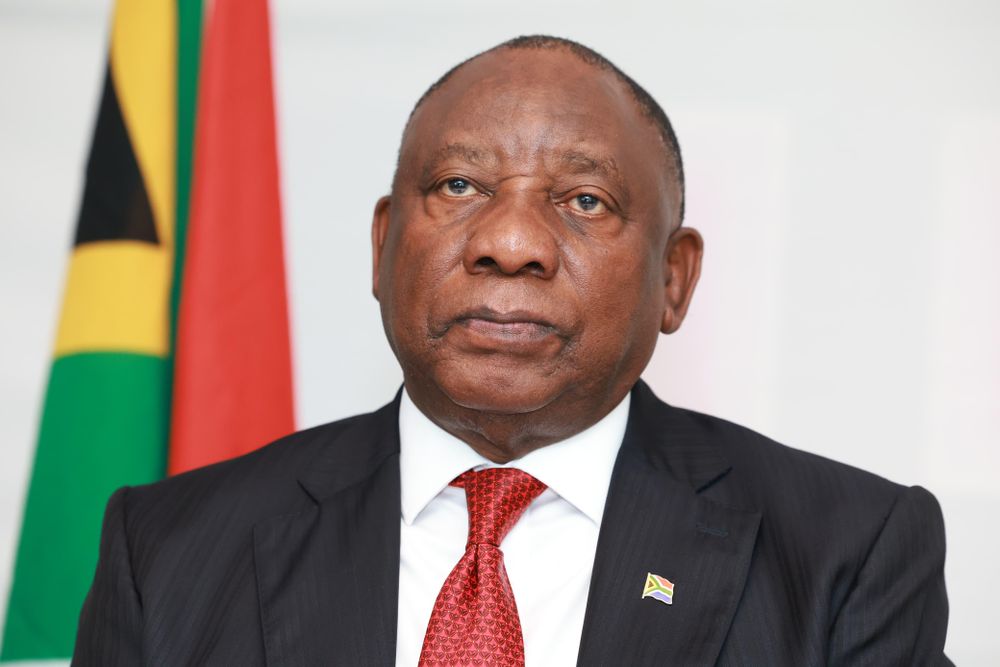
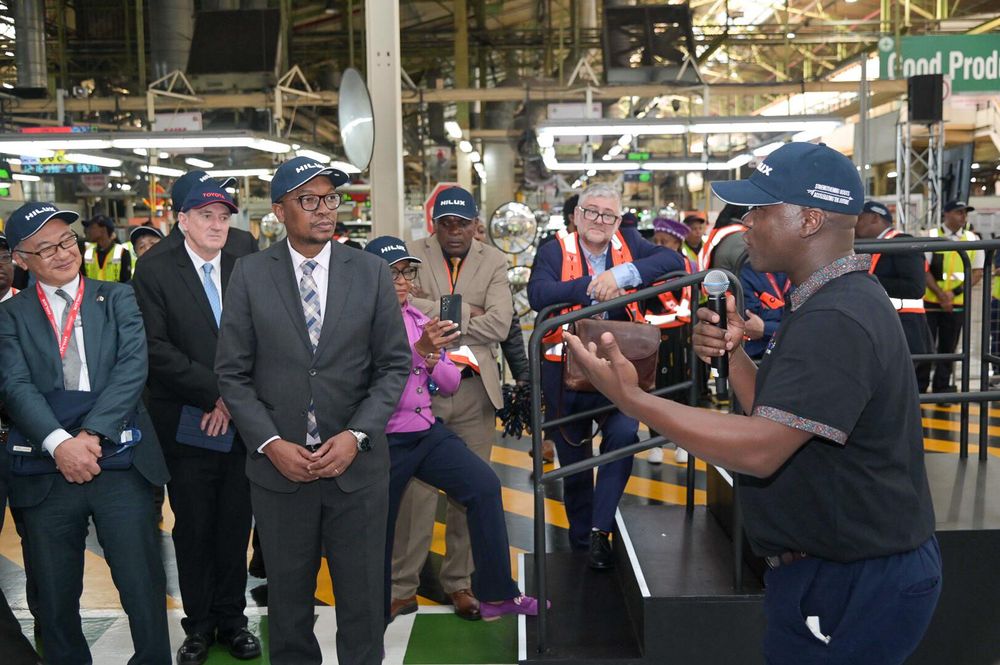
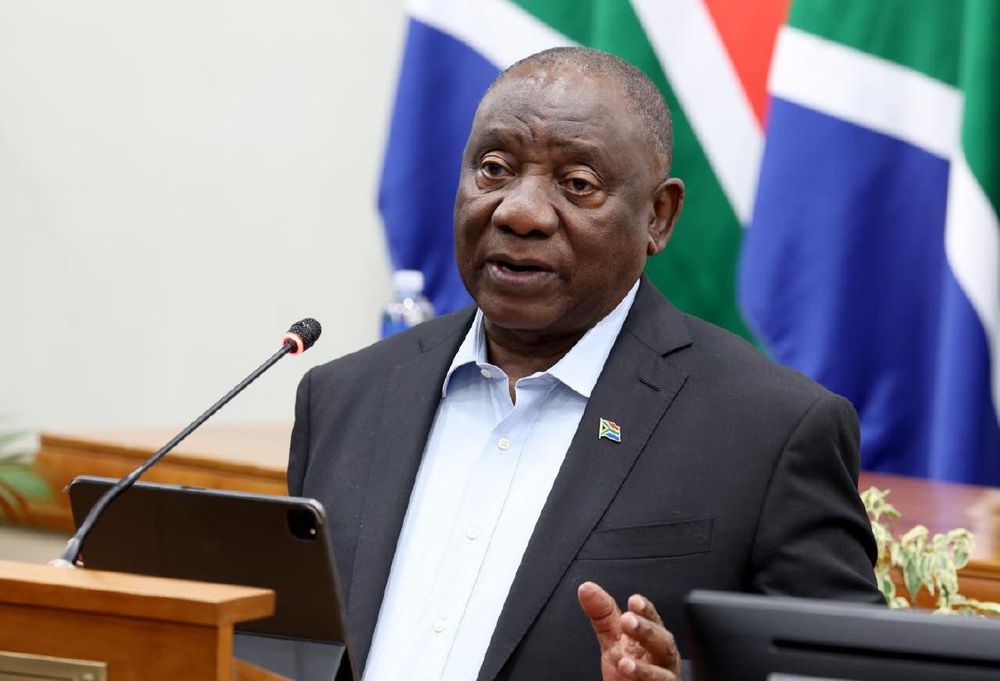
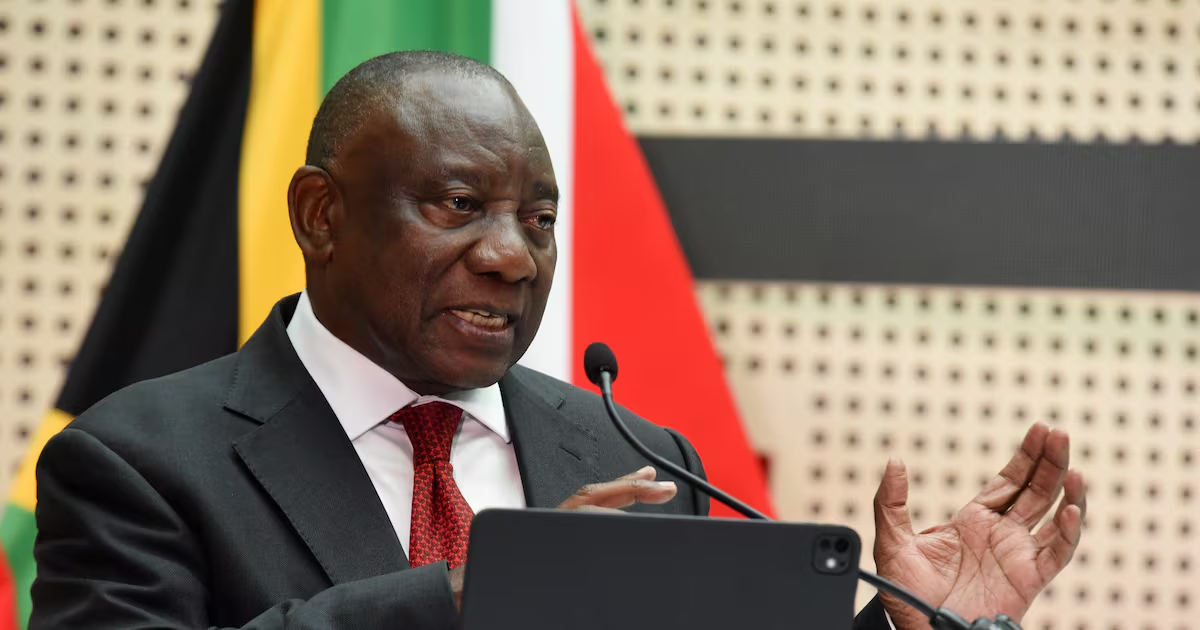
President Cyril Ramaphosa has said South Africa must improve the performance of its ports and rail network if it is to remain a globally competitive manufacturing and export base, as Toyota South Africa rolled the first ninth-generation Hilux off its production line following a R10.4bn investment at its Prospecton plant in Durban.Speaking at the official line-off ceremony on Thursday, Ramaphosa said efficient logistics had become critical as countries compete more aggressively for investment, factories and export markets.“Reliable ports, efficient railways and modern infrastructure are not simply transport assets. They are economic infrastructure that determines our global competitiveness,” he said.The president said the government was encouraged by improvements in freight rail and port operations, noting that Transnet’s vehicle terminals in Durban, Gqeberha and East London handled more than 792,000 fully built vehicles in the 10 months to February this year, which he described as the highest productivity achieved in recent years.He said the government would continue expanding public-private partnerships in ports and rail to strengthen South Africa’s position as an export platform for manufacturers.The logistics push comes as Toyota deepens its commitment to South Africa with investment in the new-generation Hilux programme. The investment upgrades Prospecton, Toyota’s biggest manufacturing facility in Africa, and strengthens its role in the company’s global production network.According to the president, the investment demonstrated that South Africa could still attract large-scale industrial projects despite intense global competition for capital.Read: Joburg-Durban rail corridor set for forensic examination before repairsHe said completed investments were more important than announcements because they resulted in expanded factories, installed machinery, jobs and exports.He also highlighted the wider economic impact of Toyota’s investment, saying about one-third of the spending had gone towards strengthening local suppliers and tooling, while suppliers themselves had invested a further R2bn to expand localisation.The automotive industry remained one of the country’s most important manufacturing sectors, contributing about 5% of gross domestic product and supporting more than 115,000 direct manufacturing jobs and more than 500,000 jobs across the broader value chain.The president said the country was now the world’s 21st-largest vehicle producer, adding that decades of co-operation between government, manufacturers, labour and suppliers had built the industry into one of the country’s industrial success stories.He said the industry was now entering a period of rapid change as cleaner mobility, new technologies and shifting consumer demand reshape global vehicle production.Rather than simply responding to those changes, Ramaphosa said South Africa wanted to position itself as a leader in future mobility.The government, he said, was strengthening support for automotive component manufacturing, battery value chains, research, innovation and skills development linked to new-energy vehicles, while providing policy certainty aimed at encouraging long-term investment and localisation.His speech also underscored the country’s automotive ambitions and its recently unveiled critical minerals strategy, which seeks to move the country beyond exporting raw minerals towards greater local processing and manufacturing.The strategy identifies 21 minerals according to their strategic importance. Platinum, manganese, iron ore, coal and chrome ore are ranked as highly critical, while minerals including gold, vanadium, palladium, rhodium and rare earth elements are classified as having moderate-to-high importance. Other strategic minerals include copper, cobalt, lithium, graphite, nickel, titanium, phosphate, fluorspar, zirconium, uranium and aluminium.The government wants these resources to support industries such as clean energy, battery production, e-mobility, advanced manufacturing, medical devices and microelectronics instead of being exported largely in raw form.The strategy comes as countries compete to secure supplies of critical minerals needed for electric vehicles, batteries and other advanced technologies, with the US, the EU and BRICS nations all seeking stronger partnerships with mineral-rich countries.Ramaphosa said South Africa’s mineral wealth, combined with its manufacturing base, gave it a competitive advantage.“If we combine these natural resources with advanced manufacturing, local beneficiation, technological innovation and world-class automotive production, South Africa can become a leading global hub for future mobility. This is an opportunity we intend to seize,” he said.The president also used the occasion to thank Toyota for continuing to invest in South Africa, saying the company’s confidence reflected the country’s industrial potential.“South Africa is open for business. South Africans can compete with the very best in the world. When government, business and labour work together, there is no limit to what our nation can achieve.”