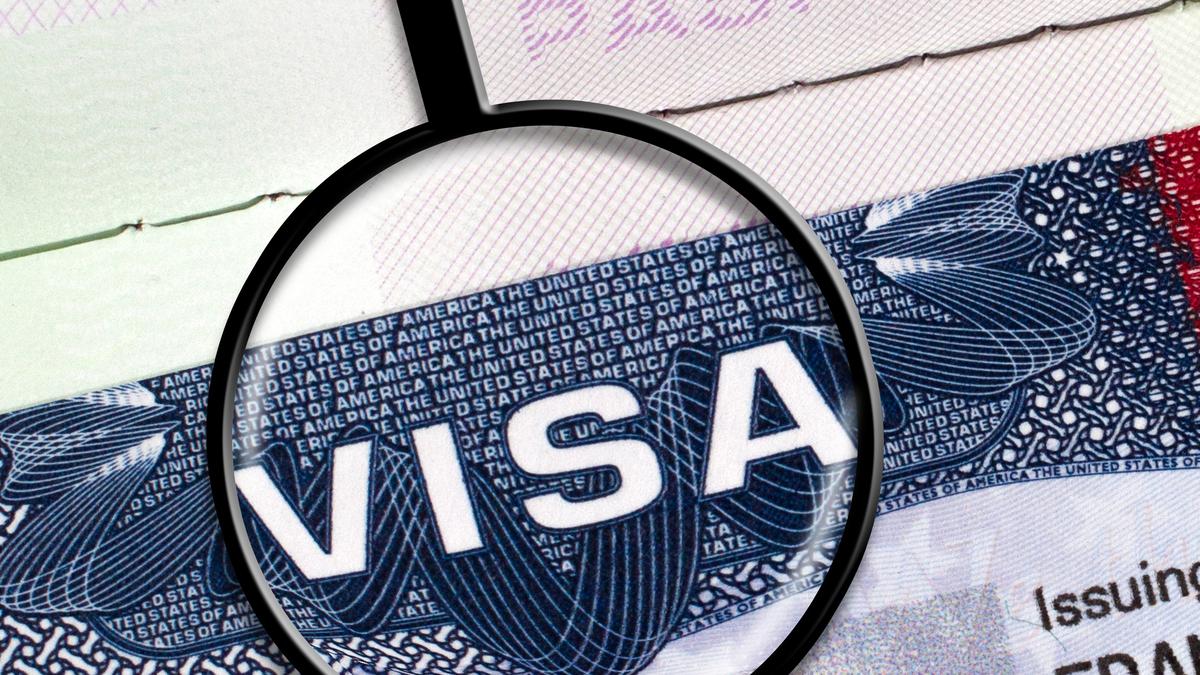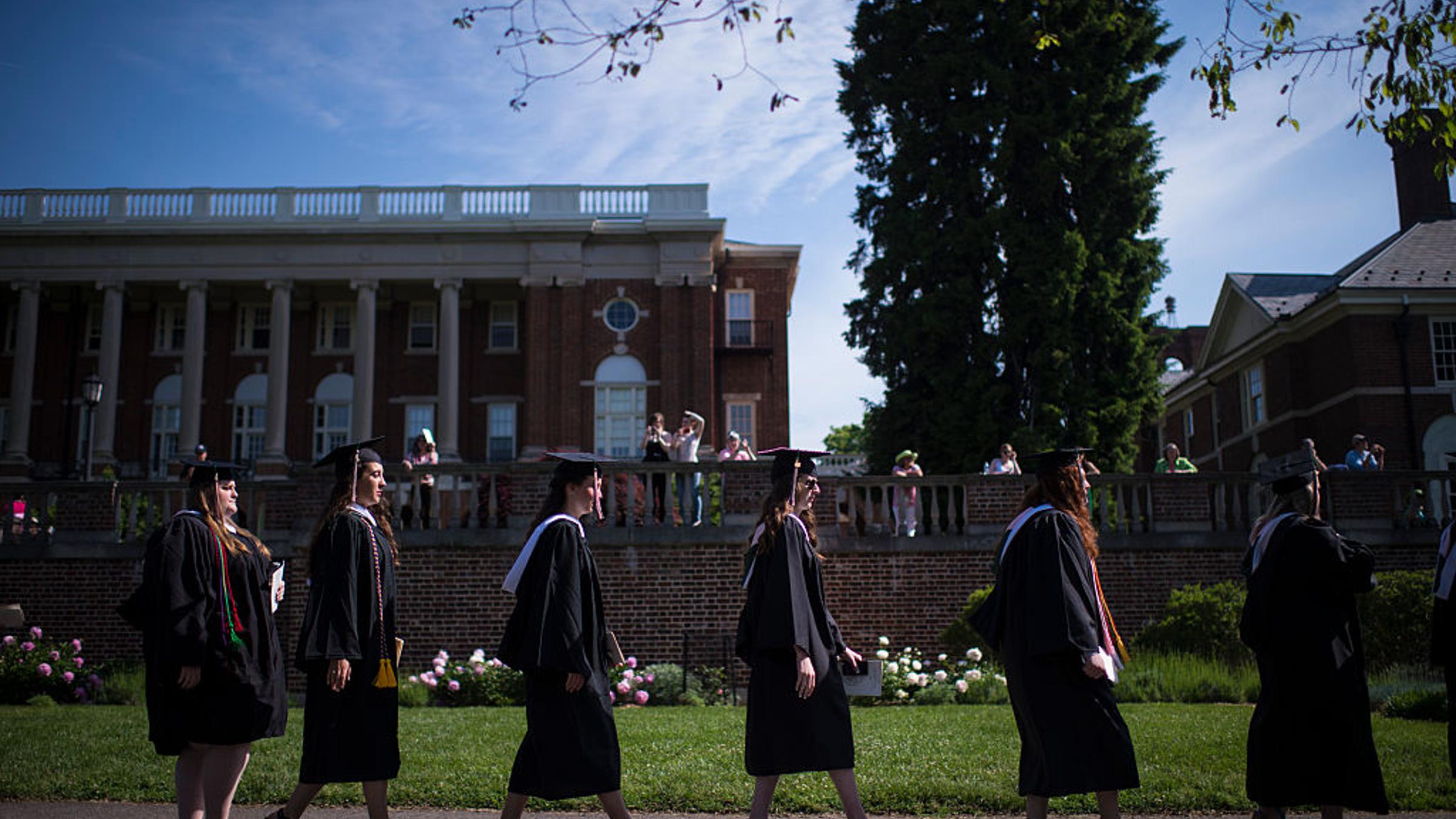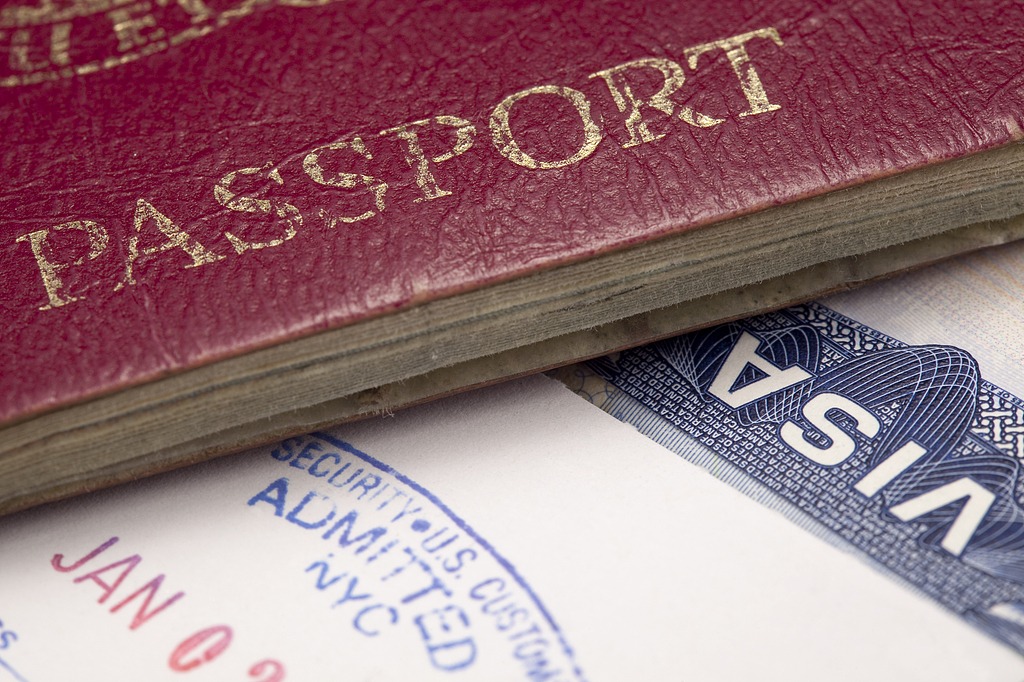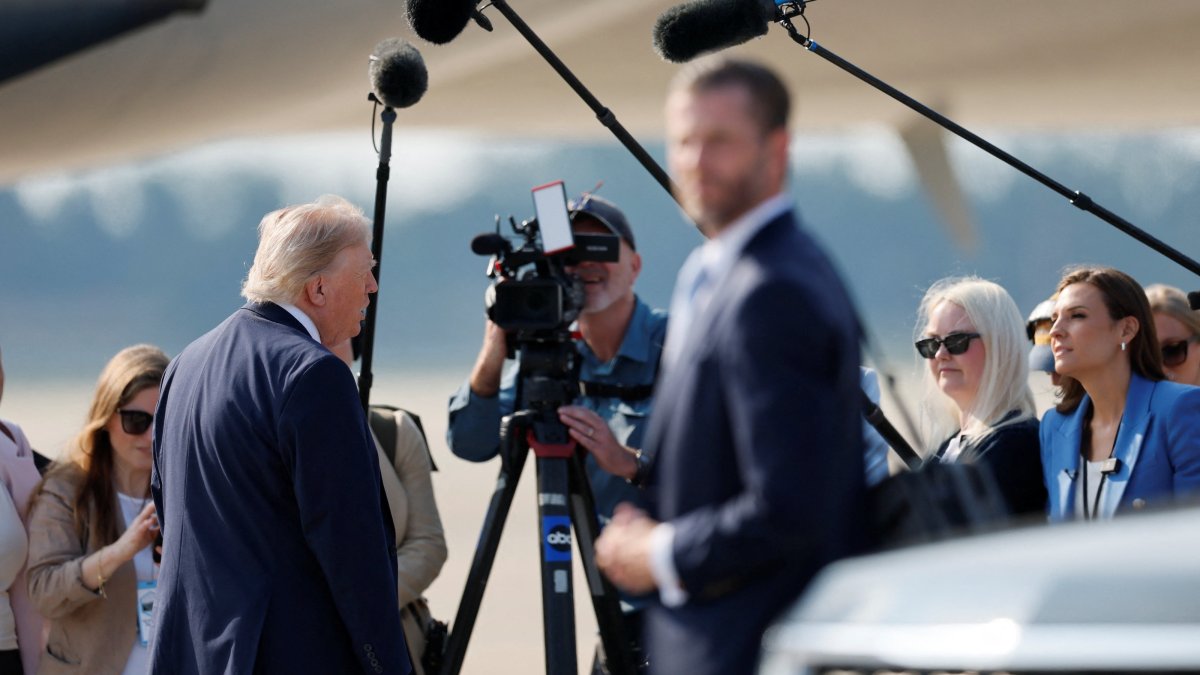
Foreign journalists and international students heading to the United States on temporary visas are to face new limits on how long they can remain in the country under a new rule announced by the US Department of Homeland Security.The department, in a document, indicated that it is amending its regulations to change the admission period for F, J, and I visas from duration of status to admission for a fixed period, along with additional changes to admission and extension requirements.The new rule generally limits foreign journalists travelling on I visas to stays of up to 240 days, while most international students on F visas and exchange visitors on J visas will be allowed to remain in the United States for up to four years.Those wishing to stay longer will have to apply for an extension.Previously, many international students were permitted to remain in the United States for the duration of their academic programme, while foreign correspondents could stay for as long as they maintained their accredited status.The US government said the changes are intended to strengthen oversight of temporary visa holders and reduce visa overstays."This final rule will provide additional protections and oversight of these nonimmigrant categories and will allow DHS to better evaluate whether these nonimmigrants are maintaining status while temporarily in the United States," the department said.The agency argued that the changes will help mitigate risks posed by individuals who seek to exploit the programmes and live in the United States on a non-temporary basis, contrary to the statutory provisions governing their nonimmigrant status.It further stated that replacing admissions for duration of status with admissions for a fixed period of authorised stay is consistent with most other nonimmigrant visa categories."It will provide additional protections and oversight of these nonimmigrant categories and will allow DHS to better evaluate whether these nonimmigrants are maintaining status while temporarily in the United States. DHS does not believe such a requirement will place an undue burden on F, J, and I nonimmigrants. Rather, providing F, J, and I nonimmigrants a fixed period of authorised stay that will require them to apply to extend their stay, change their nonimmigrant status, or otherwise obtain authorisation to remain in the United States (e.g. adjustment of status) by the end of this specific admission period is consistent with requirements applicable to most other nonimmigrant classifications and consistent with the practices for F-1 students prior to 1979."Homeland Security said the changes will ensure it has an effective mechanism to periodically and directly assess whether these nonimmigrants are complying with the conditions of their classifications and US immigration laws, and to obtain timely and accurate information about the activities they have engaged in and plan to engage in during their temporary stay in the United States."If immigration officers discover a nonimmigrant in one of these classifications has overstayed or otherwise violated his or her status, the alien will accrue unlawful presence for purposes of unlawful presence-related statutory grounds of inadmissibility under the INA (Immigration and Nationality Act). Unlawful presence in the United States may result in an alien becoming inadmissible upon departing the United States. As a result of this inadmissibility, the alien may become ineligible for a nonimmigrant or immigrant visa, admission to the United States, or benefits for which admissibility is required, such as adjustment of status to that of a lawful permanent resident."The department argued that the changes will encourage foreign nationals to maintain lawful status and reduce instances in which F, J and I nonimmigrants unlawfully remain in the United States after their programme, practical training, activities or assignments consistent with the I classification have ended."DHS believes this greater oversight will deter F, J, and I nonimmigrants from engaging in fraud and abuse and will strengthen the integrity of these nonimmigrant classifications while enhancing national security."The department indicated that the new rule is expected to take effect 60 days after its publication in the Federal Register.The document shows that the rule is scheduled to be published on July 17."This rule has been classified as a major rule subject to congressional review... However, at the conclusion of the congressional review, if the effective date has been changed, DHS will publish a document in the Federal Register to establish the actual effective date or to terminate the rule," the document stated.The visa changes have sparked concern among universities and media organisations, which argue that the new limits could create uncertainty for international students pursuing lengthy degree programmes and for foreign correspondents covering the United States on long-term assignments.For aspiring journalists, including those from Jamaica, the changes could mean additional immigration requirements if they enrol in journalism programmes in the United States or are assigned by media organisations to work there as foreign correspondents.Follow The Gleaner on X, formerly Twitter, and Instagram @JamaicaGleaner and on Facebook @GleanerJamaica. Send us a message on WhatsApp at 1-876-499-0169 or email us at onlinefeedback@gleanerjm.com or editors@gleanerjm.com.
International students, journalists to face stricter US visa rules
Foreign journalists and international students heading to the United States on temporary visas are to face new limits on how long they can remain in the country under a new rule announced by the US Department of Homeland Security.The department, in a document, indicated that it is amending its regulations to change the admission period for F, J, and I visas from duration of status to admission for a fixed period, along with additional changes to admission and extension requirements.
814 words~4 min read