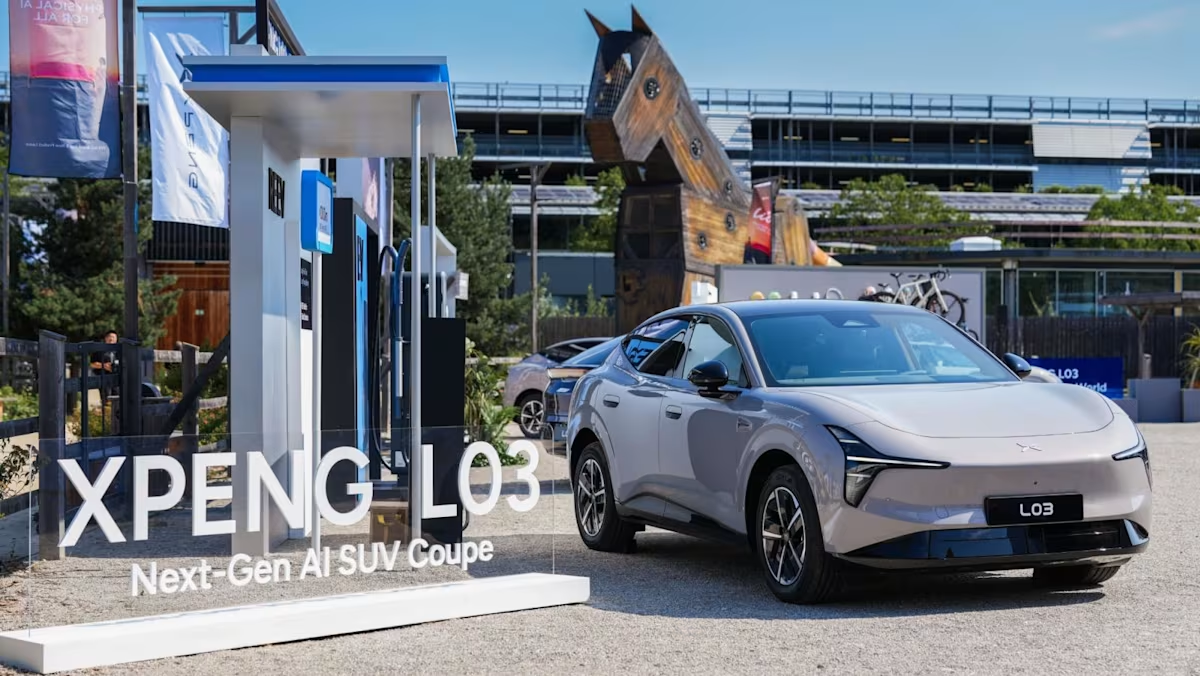
TL;DRXpeng launched the L03 across 65 markets with its own Turing AI chips and second-generation VLA driving system on every trim.
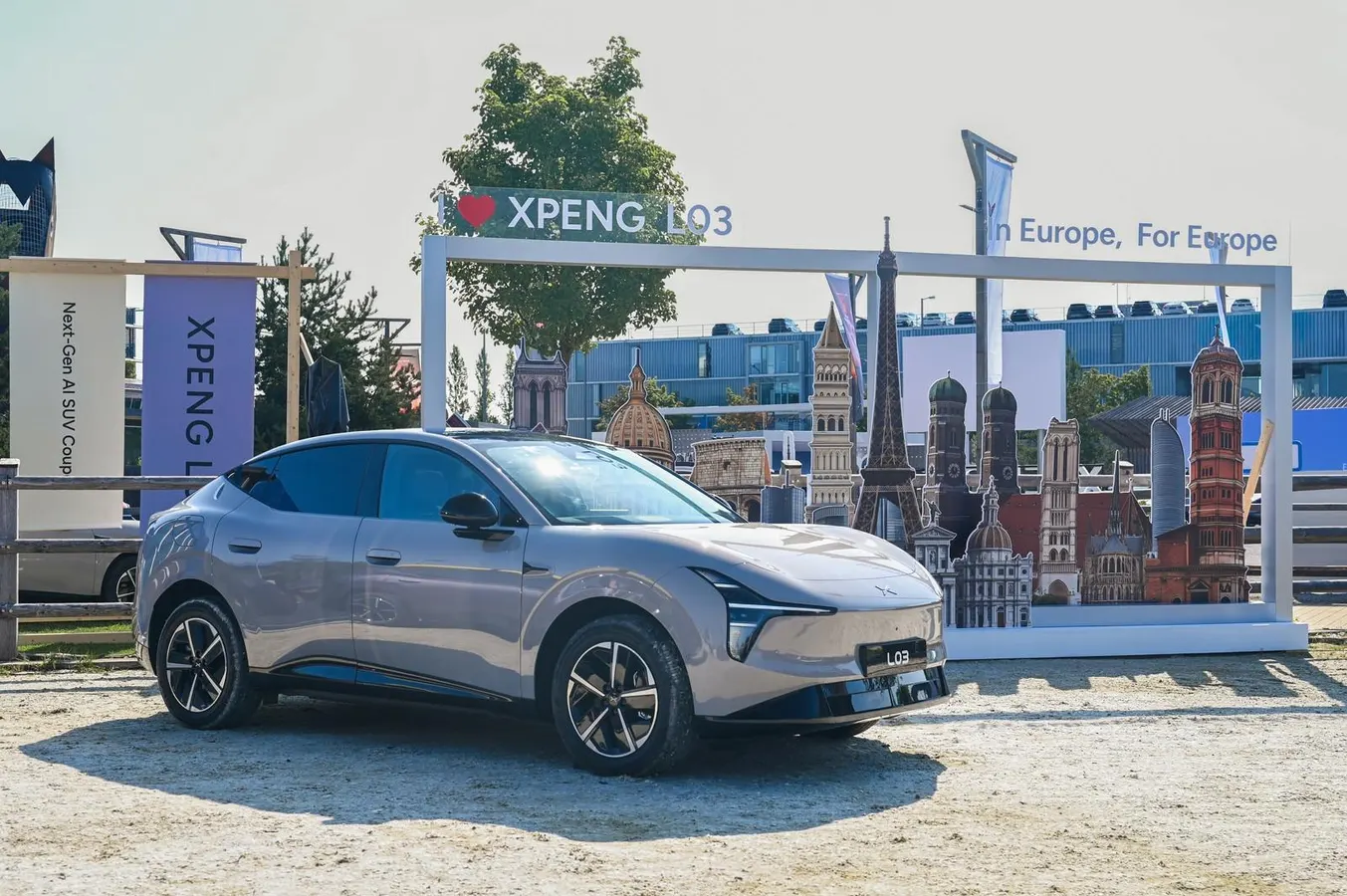
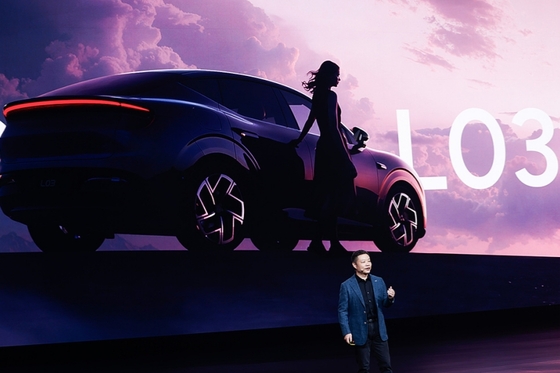
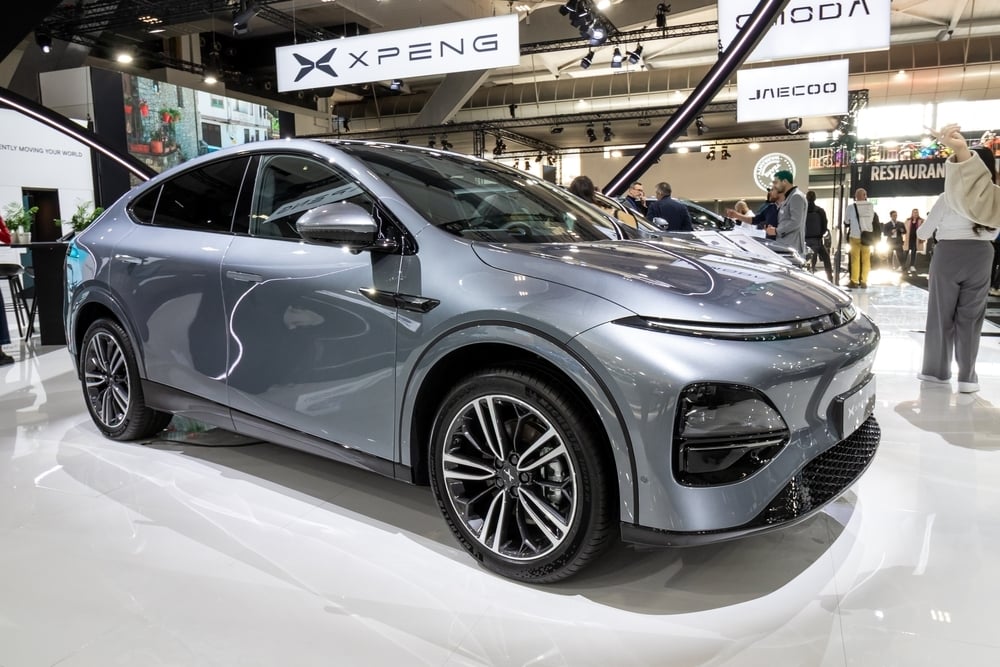
Xpeng debuted the L03 on Wednesday in Munich, launching its most internationally ambitious electric vehicle simultaneously across 65 markets. The coupe-SUV is built around the company’s proprietary Turing AI chips, with every trim shipping at least one and the top Ultra variant carrying three for a combined 2,250 trillion operations per second. It is the first consumer vehicle from a Chinese automaker where every configuration ships with in-house autonomous driving silicon as standard.
The chips power Xpeng’s second-generation VLA system, a vision-language-action model that the company describes as a physical-world foundation model for interpreting road environments and choosing driving responses. The system remains a driver-assistance feature, not full autonomy, and Xpeng plans to activate it progressively in Europe starting in 2027. The L03 is also the first vehicle from an Asia-Pacific automaker to ship with Google’s Maps Auto SDK built directly into the infotainment system, replacing the need for phone mirroring or a standalone navigation app.
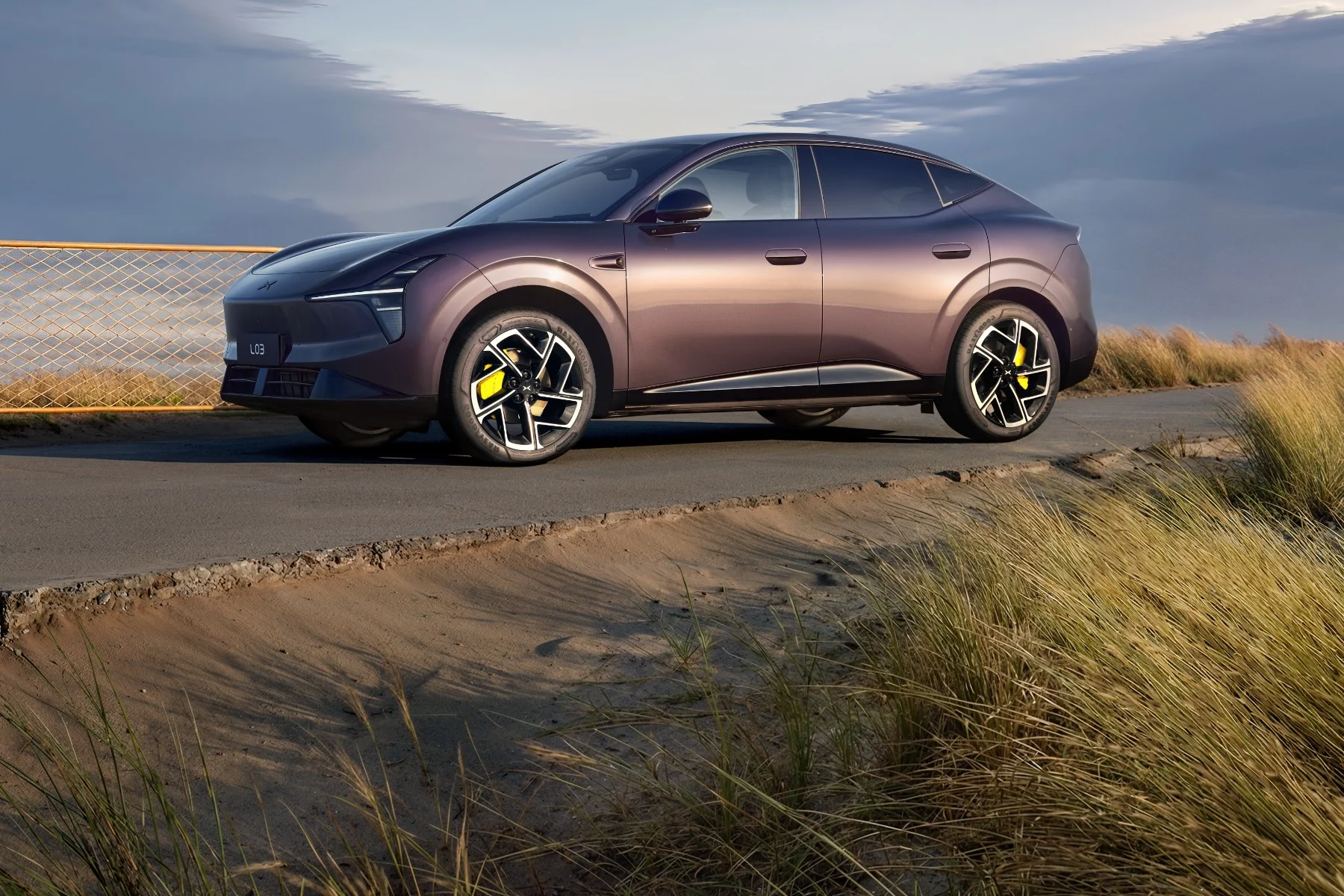
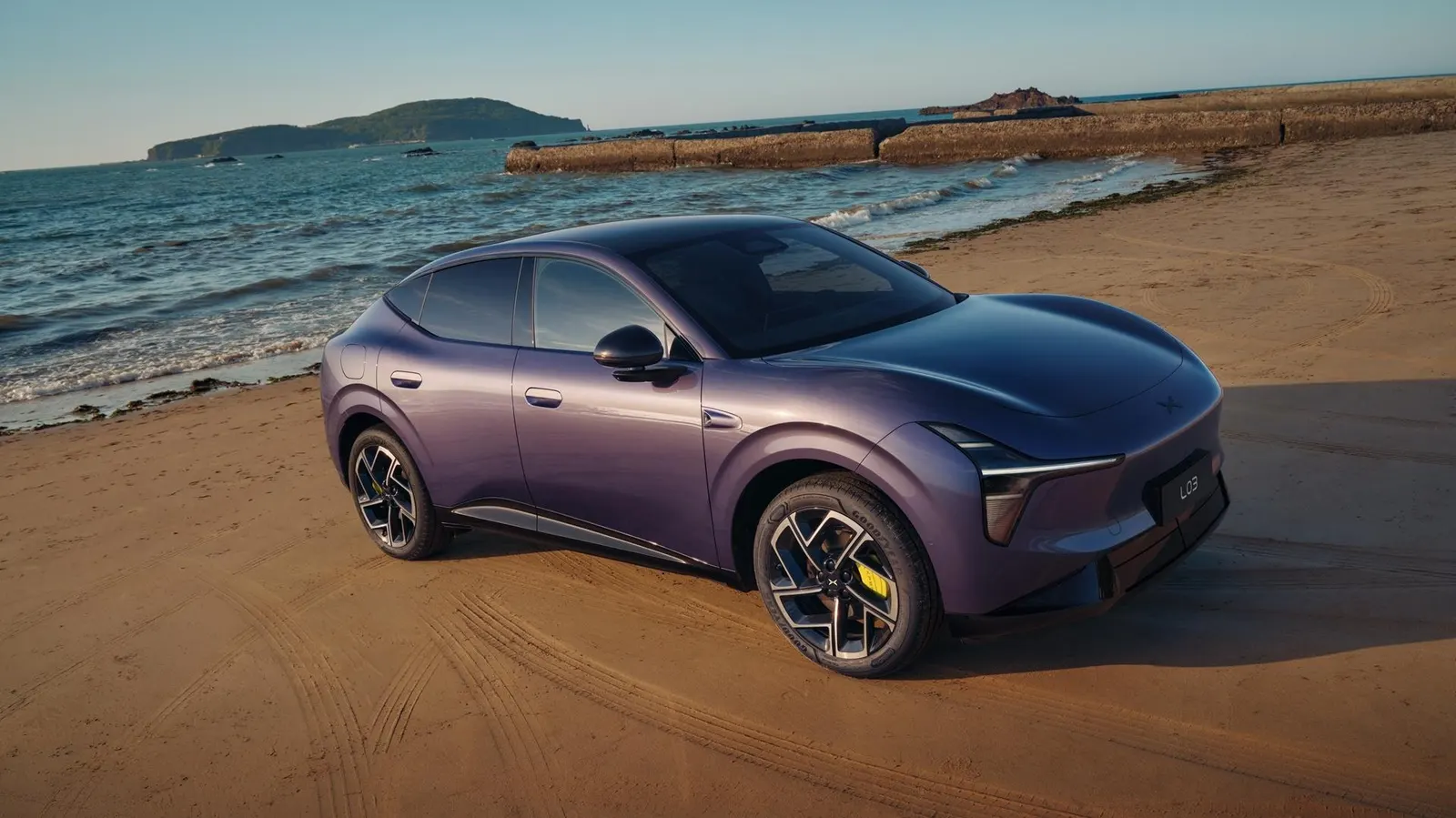
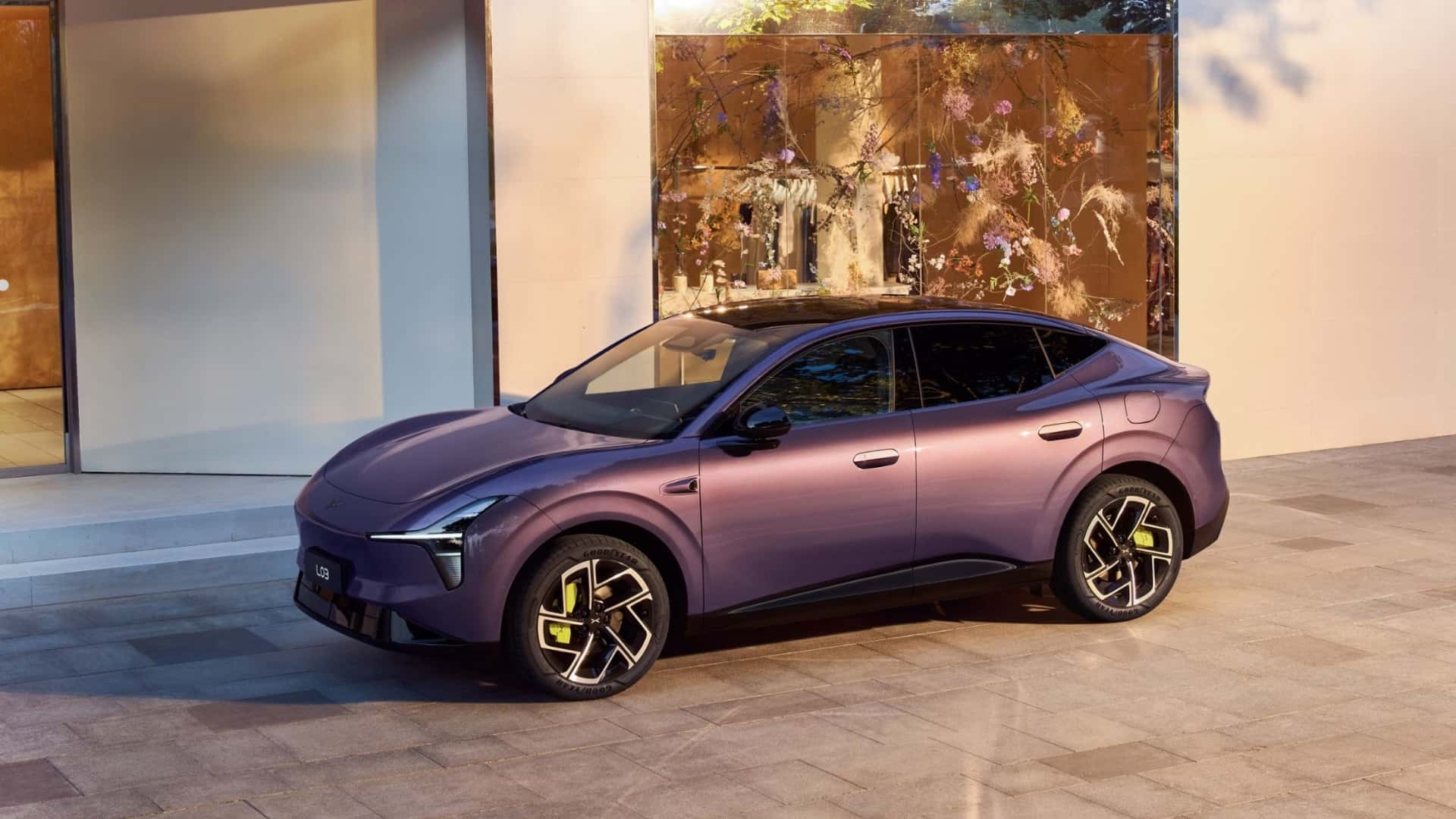
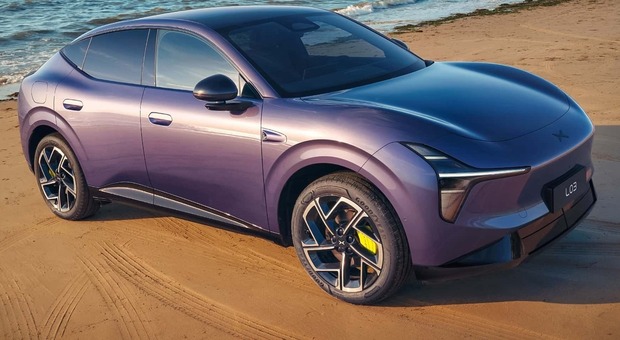
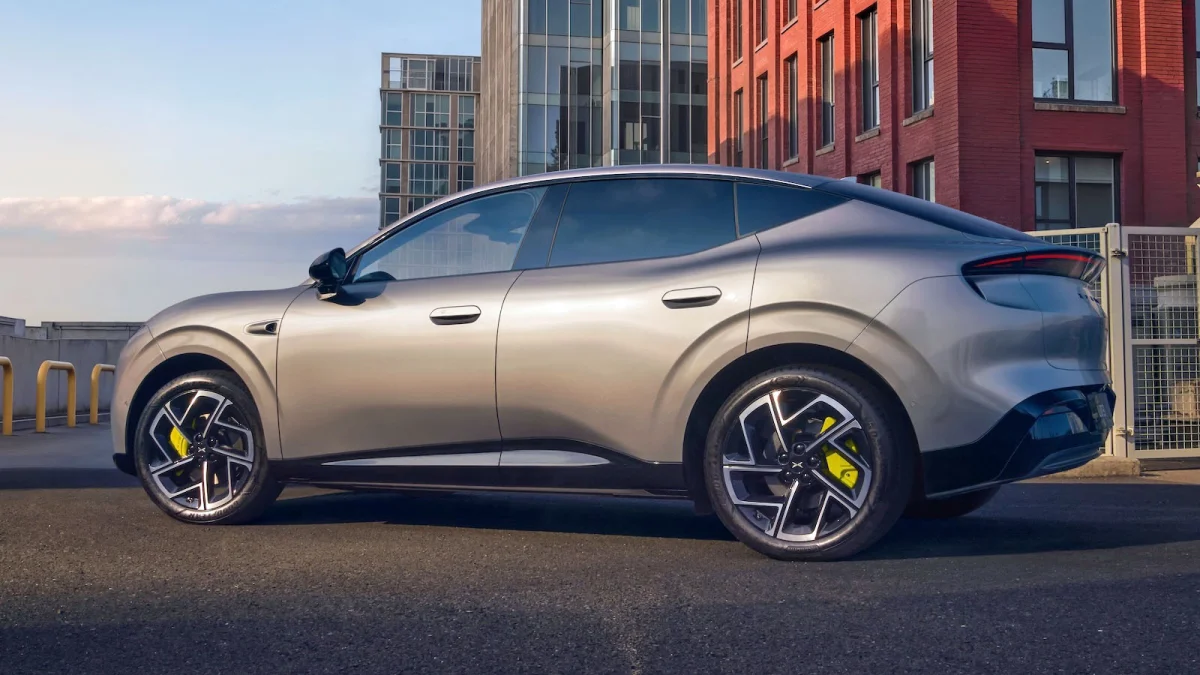
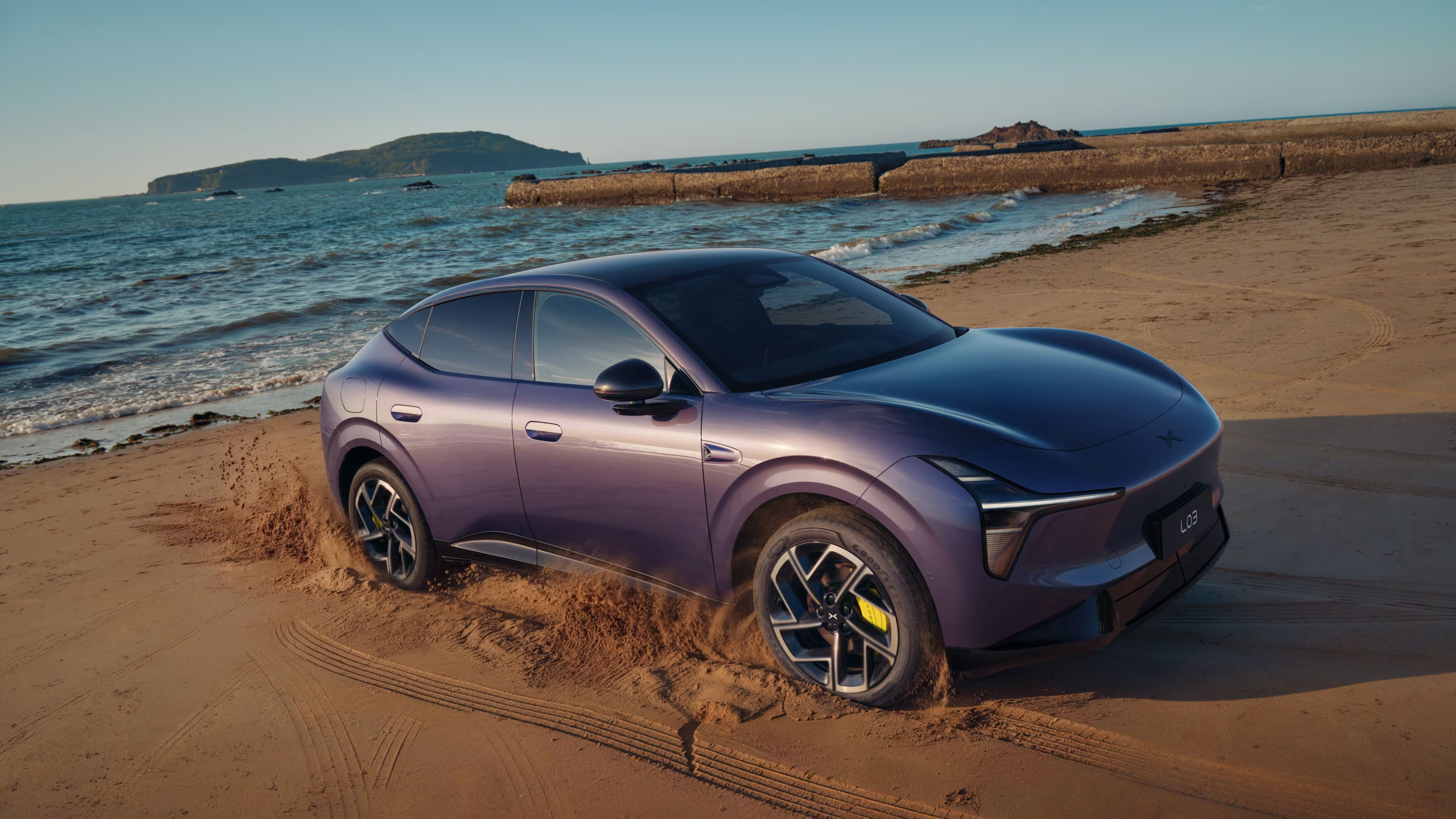
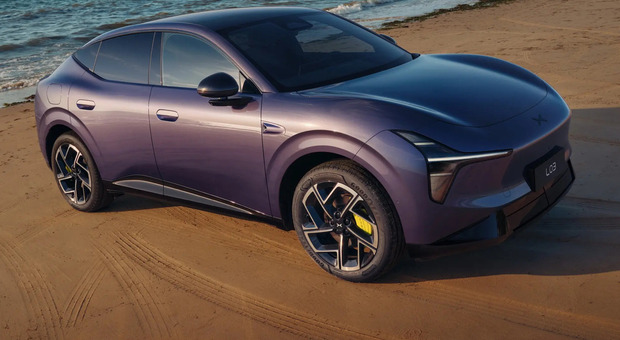
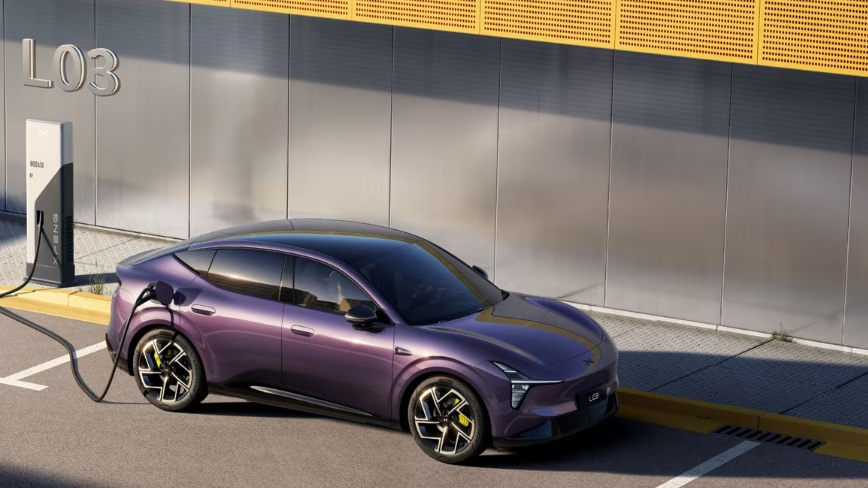
The L03 was designed by a team led by JuanMa Lopez, who previously served as Ferrari’s head of exterior design and worked on models including the LaFerrari and SF90 Stradale. Its sloping roofline, frameless doors, and one of the lowest drag coefficients in the crossover segment give it a profile closer to a sports car than a family hauler. Xpeng offers it as a pure battery-electric vehicle with up to 625 kilometres of range on China’s CLTC cycle, and as a Power X range-extender with a claimed 1,330 kilometres.