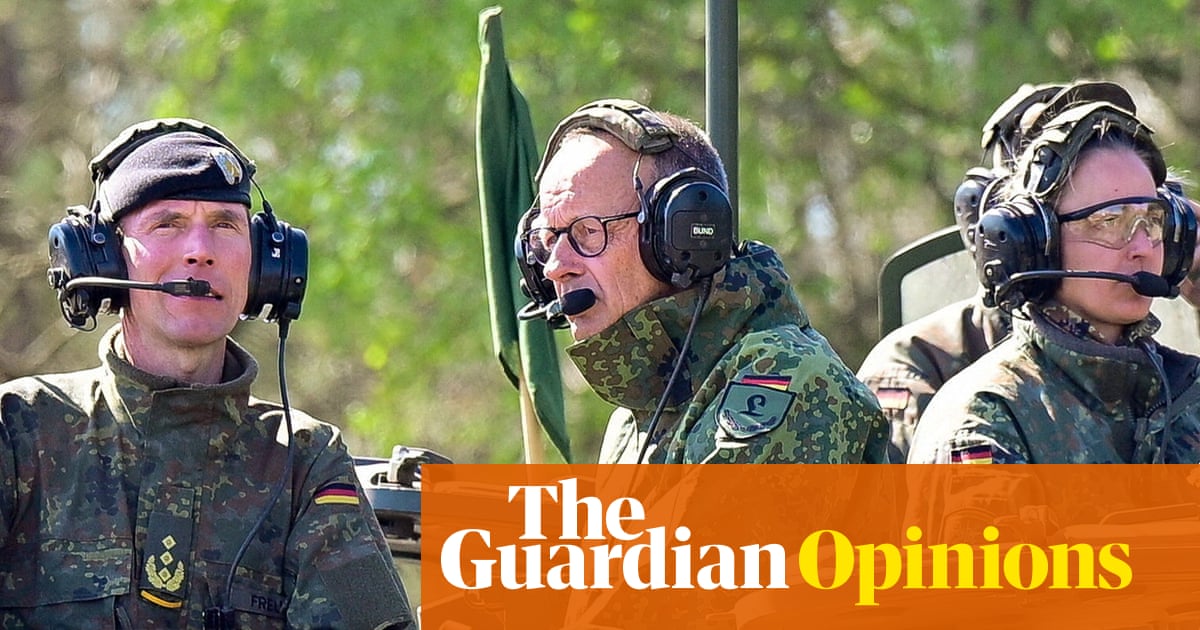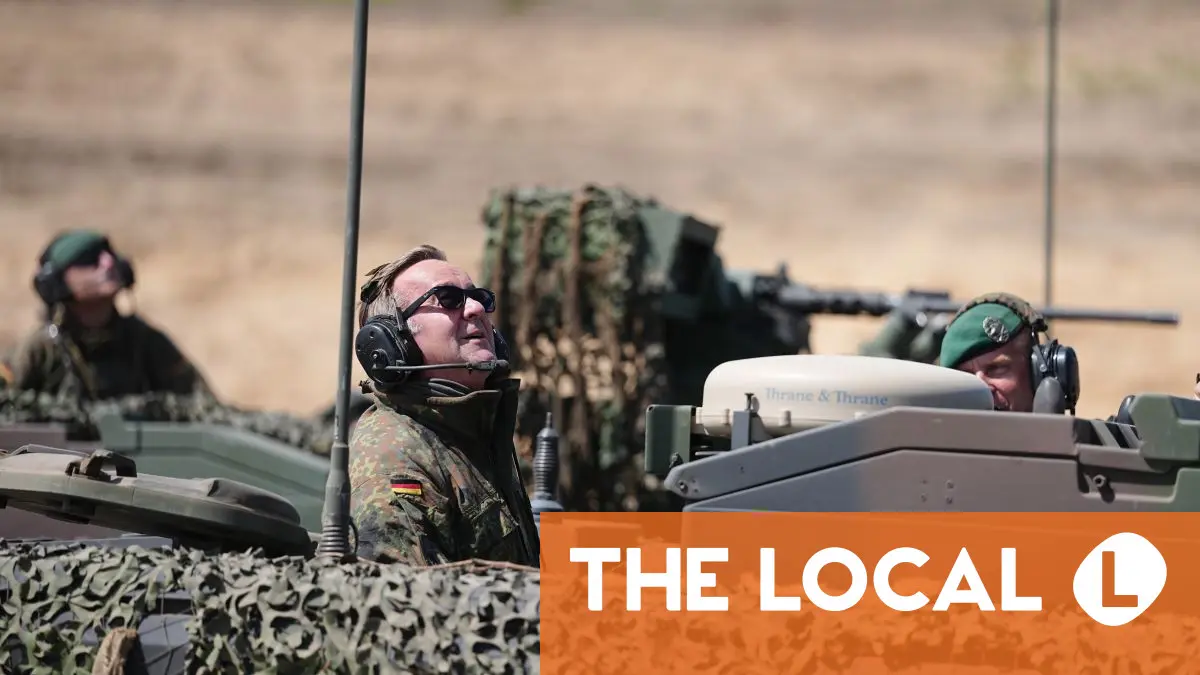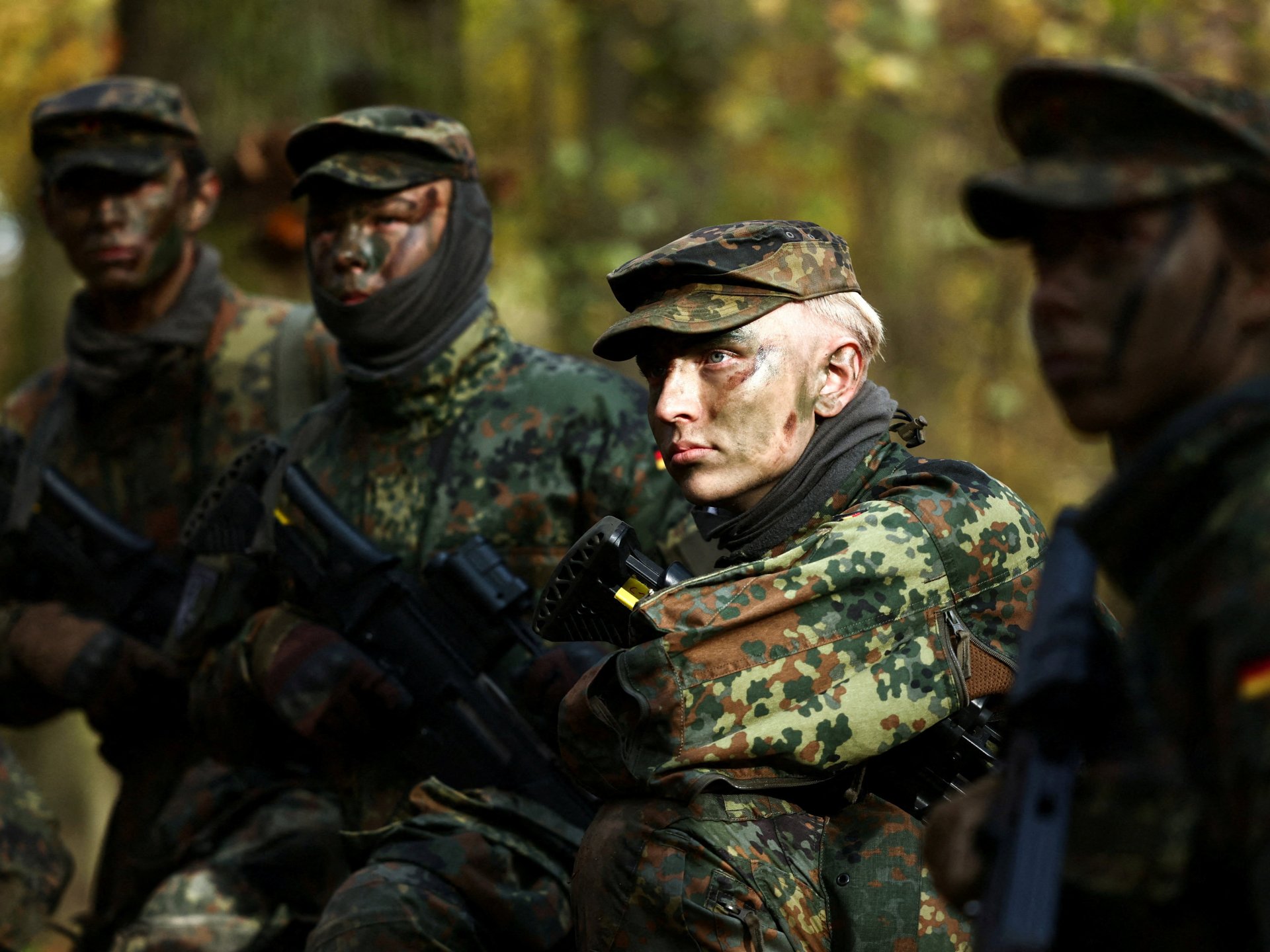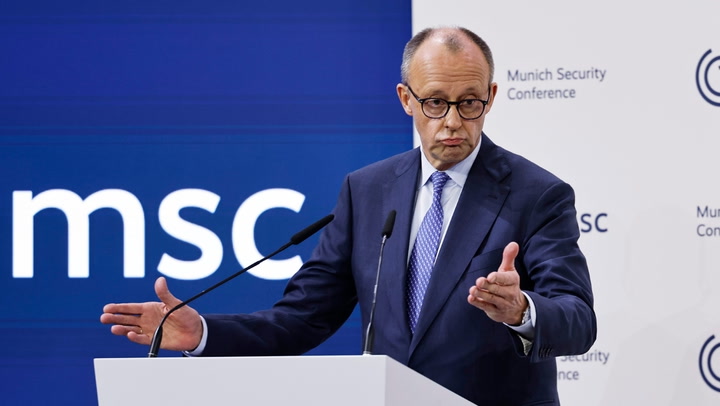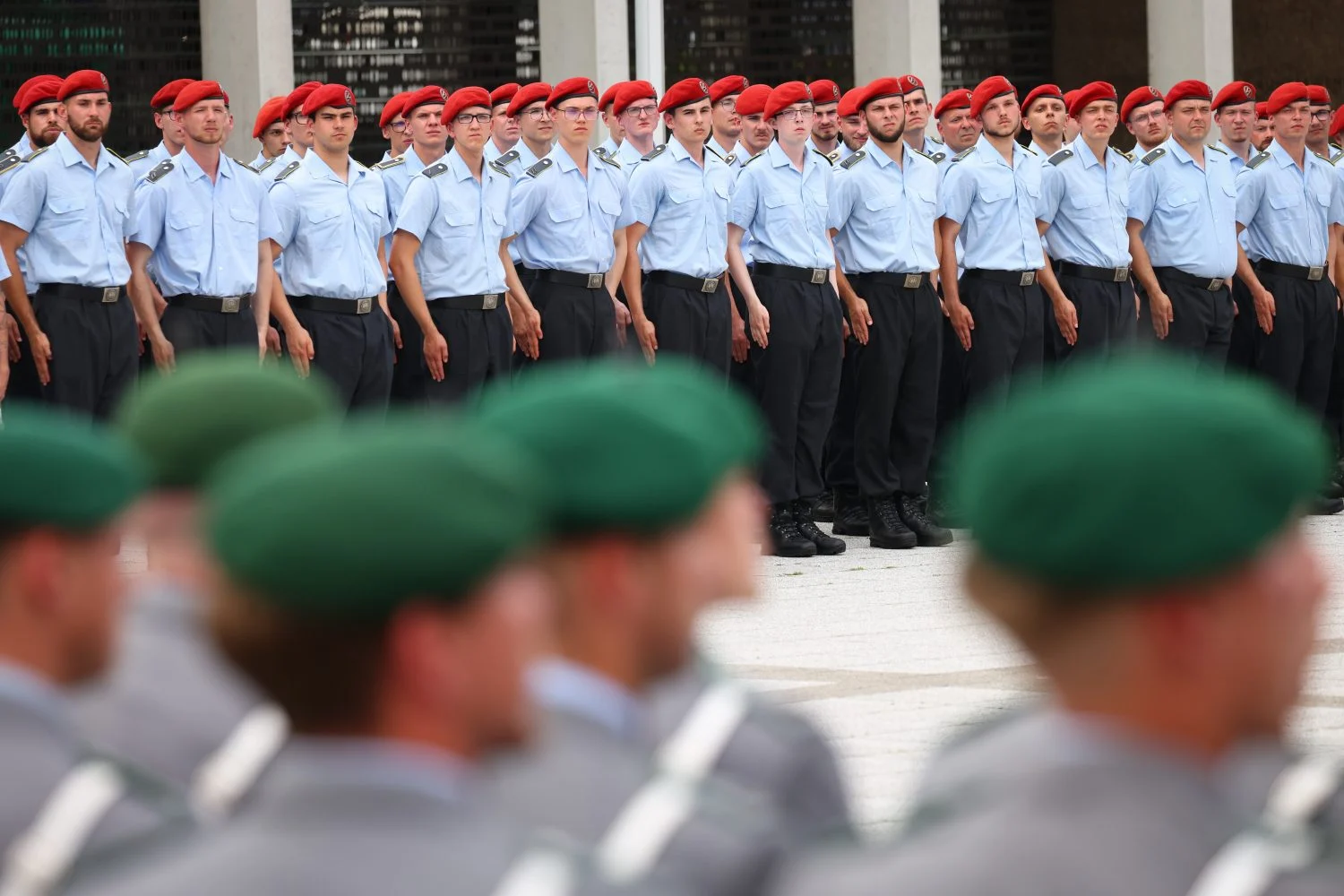
Old reflexes are stirring across Europe. When German Chancellor Friedrich Merz told the Bundestag last year that Germany must field the strongest conventional army in Europe and backed that promise with bigger defense budgets than any of the country’s neighbors could afford, the specter of German military power began to haunt Europe once more.
Behind closed doors, some French and Polish officials ask whether a rearmed Germany really solves Europe’s dependence on the United States— or merely swaps one hegemon for another. Others wonder whether European NATO members are heading toward a genuinely integrated defense of their continent—or simply back to rival national armies now that the United States no longer leads.
The reflex against a reaming Germany, however, is as much industrial as it is strategic. In June, Berlin withdrew from a Franco-German-Spanish program to build a new fighter jet—in part because Germany would no longer let a French company claim the lion’s share of the work—and scrapped a major contract with a Dutch-led consortium for naval frigates, ordering new ones from a German defense contractor instead. Thus, two of Europe’s biggest defense contracts are now flowing to German industry on German terms. Some of the huffing over a remilitarized Germany is really about France losing the German money pots and strategic deference that it long took for granted.