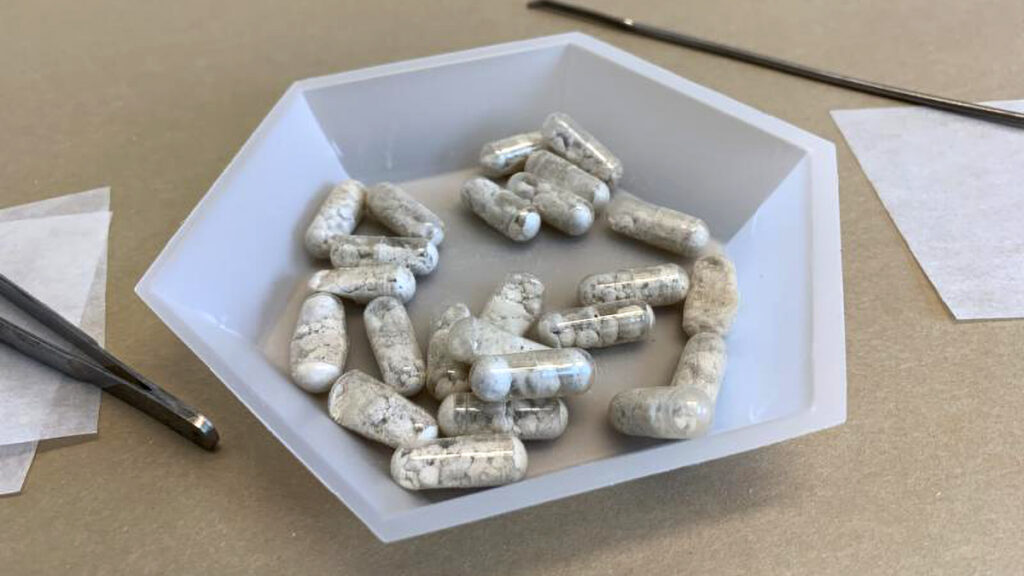
Last week, the New York Times published an article about a new drug that has hit the streets in Estonia with deadly force, called nitazenes. Reading the article, I was reminded of a fellow New Yorker named John Hall who once said, “If you think things can’t get any worse, you have no imagination and no sense of history.” That is certainly true in the case of illicit synthetic drugs like nitazenes.Why? As I explained in an article published in March by Advancing American Freedom, Nitazenes: An Emerging and Deadly Novel Psychoactive Substance, nitazenes (technically known as 2-Benzylbenzimidazole opioids) threaten to replace fentanyl as the Grim Reaper’s scythe, and their impact is already being felt well beyond Estonia, including in our country.Nitazenes are less well known but more powerful and dangerous than plant-based opioids like heroin or morphine, with some variants 40 times more potent than fentanyl. Used intranasally, intravenously, sublingually, or otherwise, nitazenes have become the new primo-illicit drug villain. We need to recognize and respond to this deadly development.
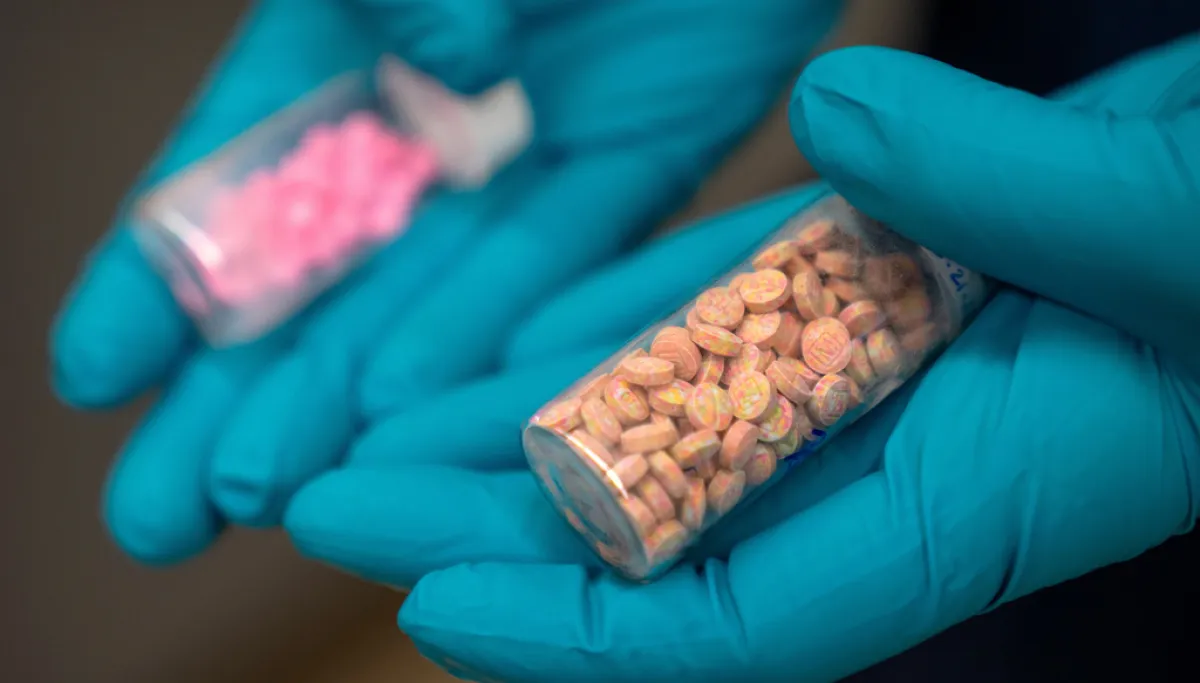
Last week, America celebrated its birth as a nation 250 years ago. For at least one-tenth of that time, America has grieved its addiction to opioids.It started with the overuse of prescription painkillers. When Oxy became more difficult to obtain, people shifted to an old standby: heroin. Later, fentanyl became the principal grim reaper, courtesy of Chinese companies, who manufactured fentanyl and its precursor chemicals and shipped them to Mexico, where Mexican transnational criminal organizations synthesized the final product, smuggled it into the United States, and distributed it. Overdose fatalities increased dramatically, and a frightened nation implored elected officials to “Do something!” to decrease the carnage.In response, Congress created a (somewhat useful) commission to study the problem and offer recommendations, and later passed (what will likely be largely ineffectual) legislation: the Halt All Lethal Trafficking of Fentanyl Act, or HALT Fentanyl Act. The act placed fentanyl-related substances (called “fentalogs”) into Schedule I of the Controlled Substances Act of 1970, the category of drugs that cannot be prescribed or sold because they have no legitimate medical use, are dangerous even under medical supervision, and potentially addictive.Anyone who thought that those responses would solve our opioid-overdose problem is either afflicted with John Hall’s identified shortcomings or needs to be drug tested. In the wrong hands — I’m talking to you, China and Mexico! — modern chemistry, propelled into warp speed by AI, gives even non-PhD chemists recruited by the Mexican TCOs the ability to add buffering compounds to existing drugs to create a new psychoactive “trip” that is not yet forbidden by our criminal laws. Known as novel psychoactive substances or, in the lingo, “designer drugs,” these drugs pose growing, increasingly deadly challenges for our society.FILE – Jonathan Dumke, a senior forensic chemist with the Drug Enforcement Administration, holds vials of fentanyl pills at a DEA research laboratory on April 29, 2025, in Northern Virginia. (AP Photo/Mark Schiefelbein, File)