The Food and Drug Administration has approved a new oral medicine to help lower cholesterol and, in the process, shown that a controversial program to speed up drug reviews may still be alive.
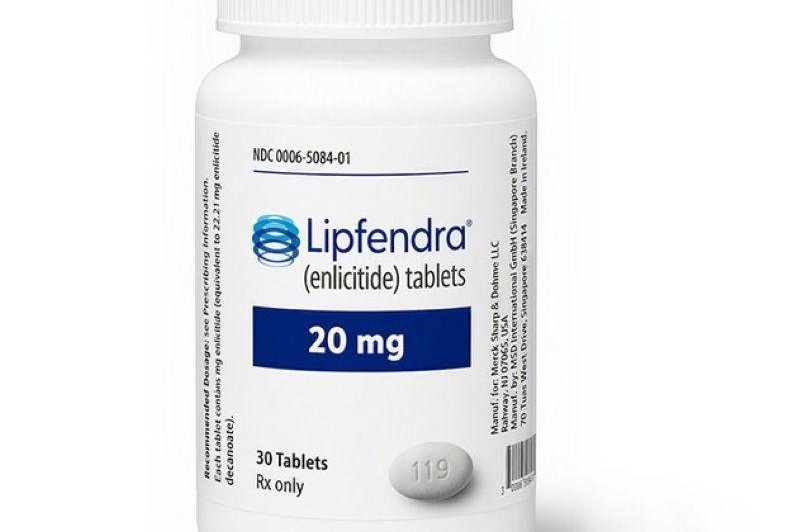
The agency on Thursday approved Lipfendra, a pill Merck & Co. developed to drop levels of low-density lipoprotein, or “bad” cholesterol in the blood. Lipfendra has been approved for use alongside diet and exercise in people with high cholesterol, including those with an inherited condition called “HeFH.”
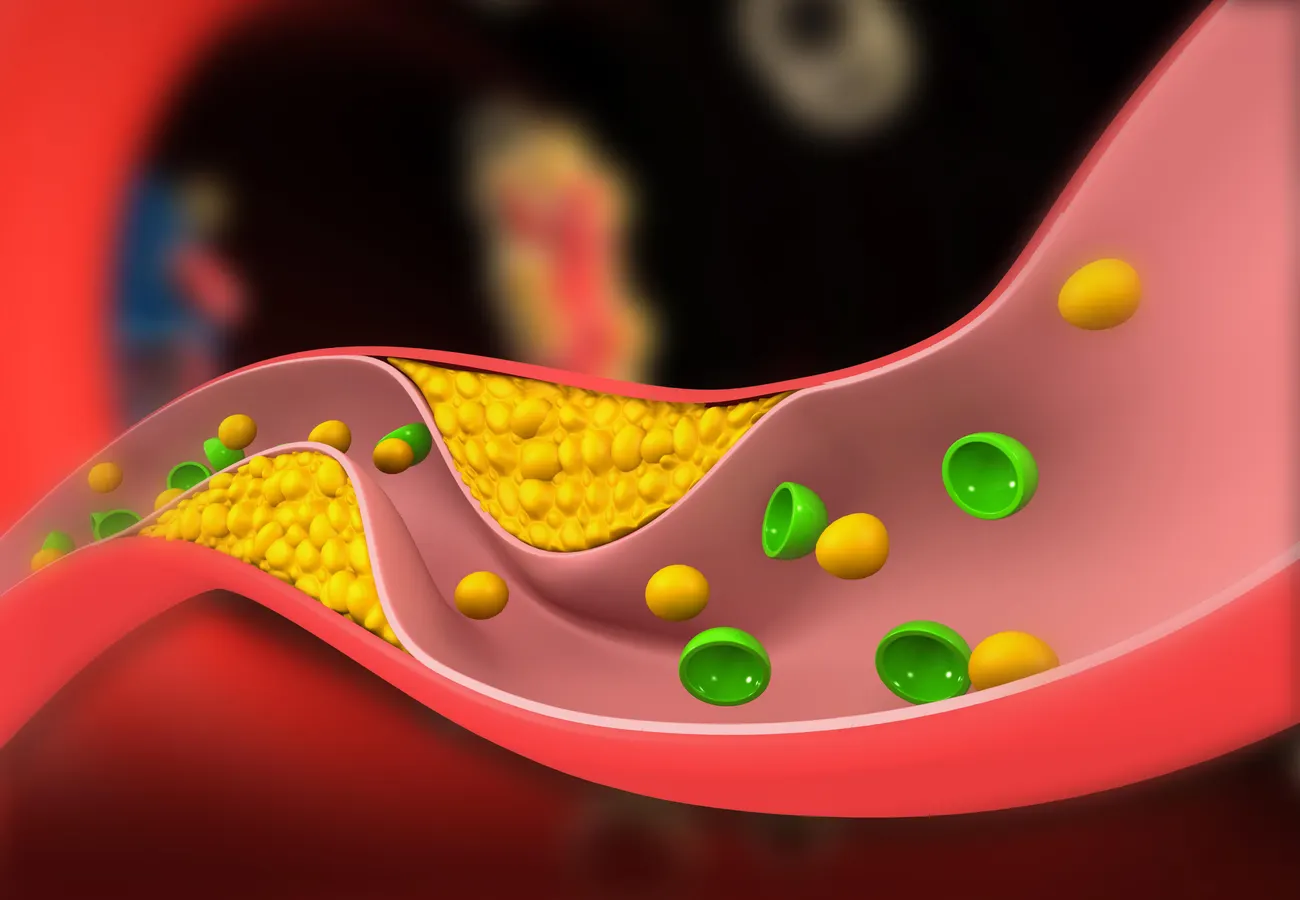
Merck’s medicine is the first of its kind, a pill that’s able to block a cholesterol-regulating protein called PCSK9. There are already multiple injectable treatments available that inhibit PCSK9, but they’ve faced a long and winding road to convince payers and physicians of their worth. Sales totals disappointed until recently. The top medication, Amgen’s Repatha, generated $3 billion last year.
Merck has long contended that it will have a better chance of success with Lipfendra. Formerly known as enlicitide, the drug is a “macrocyclic” peptide taken via a daily pill. In a pair of large studies, Merck accumulated study data indicating the therapy might plummet cholesterol levels as powerfully as its injectable counterparts. Analysts at Leerink Partners found the results so compelling that, in a recent research note, they claimed that doctors “will view the options as interchangeable.”