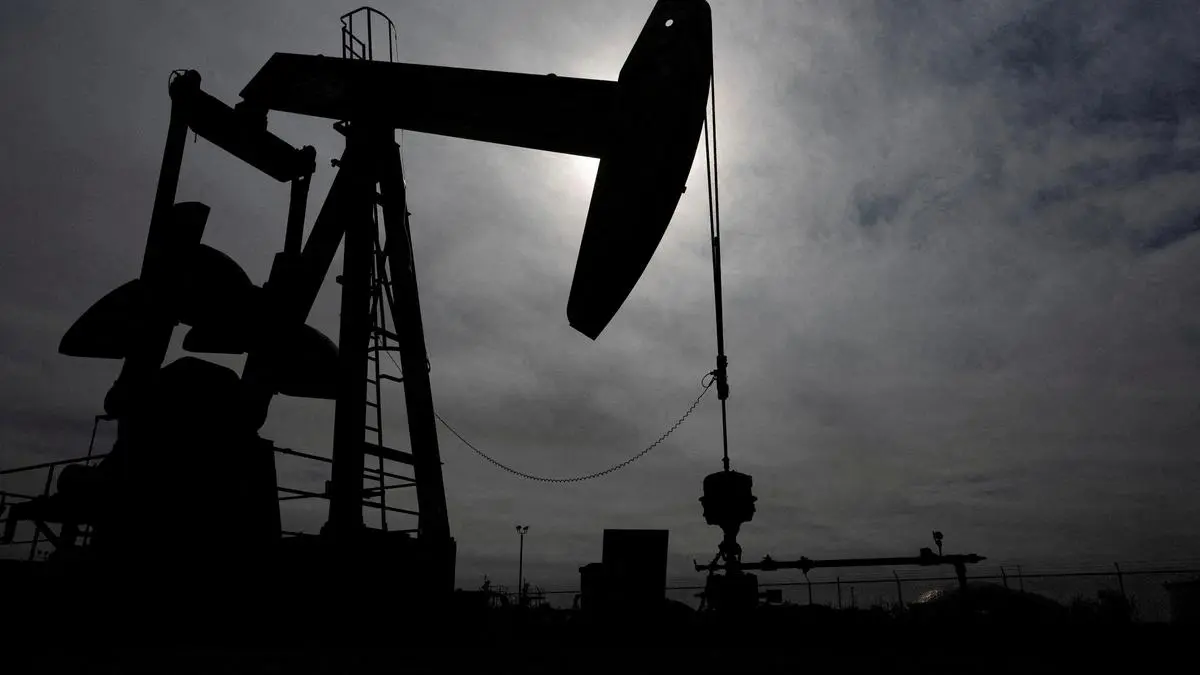
FILE PHOTO: A pump jack operates near a crude oil reserve in the Permian Basin oil field near Midland, Texas, U.S. February 18, 2025. REUTERS/Eli Hartman/File Photo
| Photo Credit:
Eli Hartman
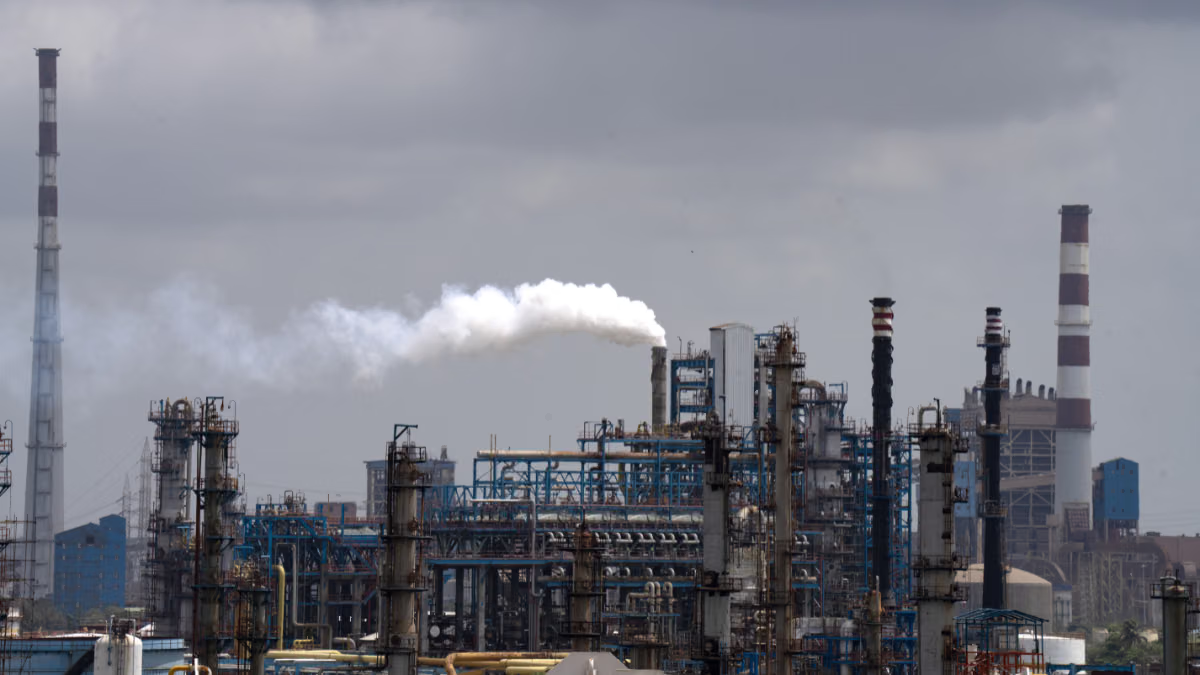
India’s July 2026 crude oil imports from Russia are expected to at least maintain June’s rally when barrels from Moscow accounted for half of New Delhi’s monthly shipments as domestic refiners topped up supplies amidst see-sawing geopolitical uncertainty in West Asia.Refiners and traders said that July crude oil imports are likely to follow June’s cue as refiners now leverage Russian barrels to hedge against sudden supply disruptions. Besides, cargoes for July mostly would have been booked in the second half of March and April.“July imports will surpass 5 million barrels per day (mb/d) with Russia accounting for around 2.6-2.7 mb/d. August can also follow the same trajectory as first half supplies are largely done. West Asian producers’ share is rising with suppliers using alternate routes such as Sohar port in Oman and the UAE’s Fujairah and Khor Fakkan ports. However, they are yet to pick up steam,” explained a senior official with a refiner.Kpler emphasises that Russian crude has become India’s strongest energy security hedge, particularly since the SoH disruptions.Russian barrels have enabled Indian refiners to maintain high refinery run rates, ensure uninterrupted fuel supplies, and avoid the disruptions experienced by several other Asian refining systems (excluding China), added the real time data and analytics provider.This growing importance is reflected in import trends, emphasised Sumit Ritolia, Kpler’s Kpler’s Lead Research Analyst for Refining & Modeling.“Russian crude imports rose to around 2.6 mbd in June, accounting for more than 50 per cent of India’s crude imports, and have been steadily increasing since March. July arrivals are also tracking at healthy levels and could match or even exceed June’s volumes,” he told businesslineKey supplierCurrently, Moscow accounts for the majority of India’s medium sour grade supply, which dipped at the beginning of 2026 (calendar year) with almost 50 per cent of the crude oil coming from West Asia via the Strait of Hormuz (SoH).However, West Asian share dwindled to roughly 30 per cent from March 2026 onwards as the February 28 attack on Iran by the US led to the latter closing the SoH leading to the largest disruption in energy supplies in history.However, August may also witness some displacement of Russian barrels as Saudi Aramco cut August prices of Arab Light by $11 a barrel from last month, which is the highest in over two decades. Besides, Saudi Arabia and the UAE have already increased supply from alternate routes.For instance, Saudi Arabia is supplying crude oil from the Red Sea port of Yanbu, which is connected through the East-West pipeline that bypasses the SoH. However, a refiner said that this route is logistically expensive due to longer travel time to India, which could shift some focus back to Russian crude oil that is available in plenty due to drone attacks on refineries by Ukraine.“There are currently few alternative suppliers capable of replacing Russian crude at the same scale, reliability, and economics. Russian crude remains the most practical and competitive source of supply for Indian refiners, and under current market conditions, it is difficult to see those volumes disappearing from the system in the near term,” Ritolia opined.US sanctionsOn the proposed Sanctioning Russia Act of 2026 Bill in the US, Ritolia said while the tariff proposal raises geopolitical uncertainty, its practical implementation and ultimate impact on crude flows are far less straightforward than the headlines suggest. Any policy that materially disrupts Russian exports would risk tightening an already constrained global oil market, with consequences extending well beyond India.It is also worth noting that the June to September period in India is marked by rains leading to lower mobility and industrial and mining operations, which brings down consumption of petrol, diesel, jet fuel, etc. Refiners might use the period to top up inventory also preparing for the October-December festival and marriage season when travel, industrial and agricultural activity also picks up pace.Published on July 16, 2026