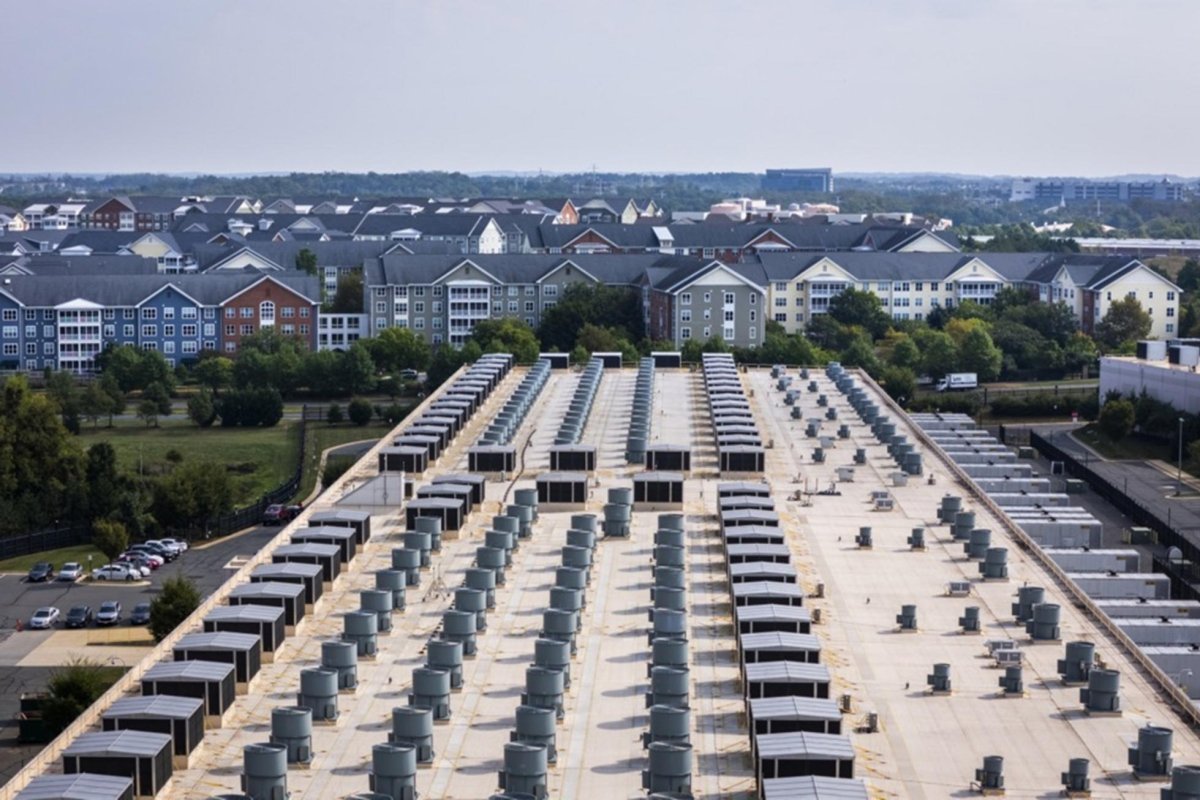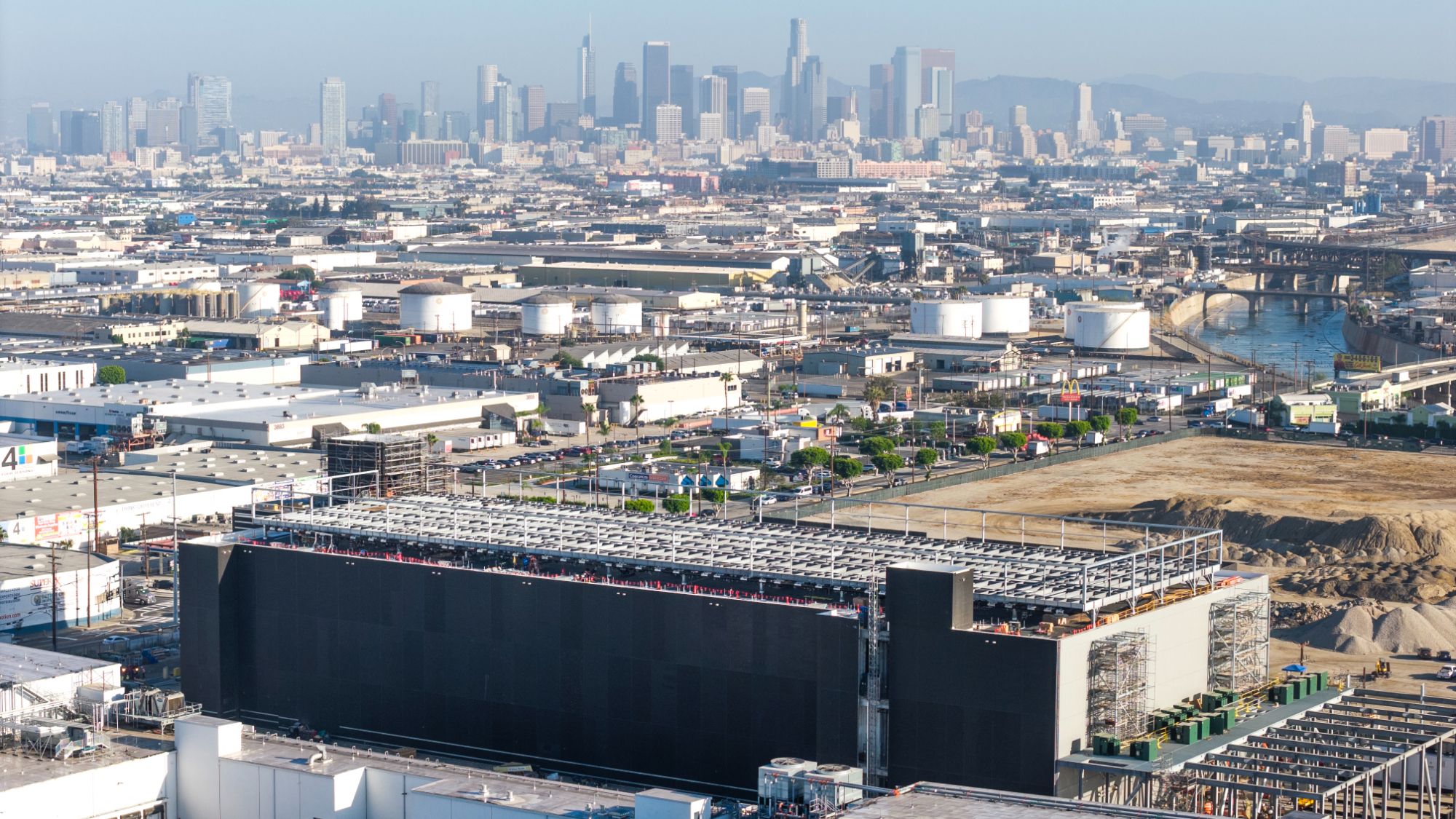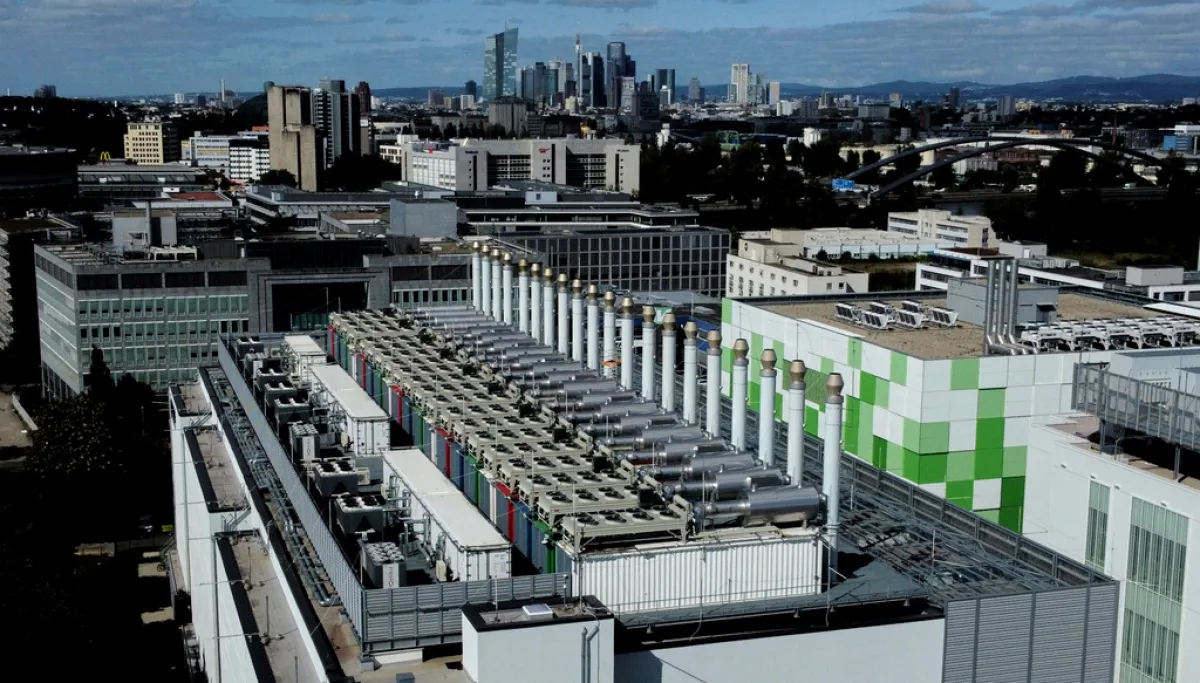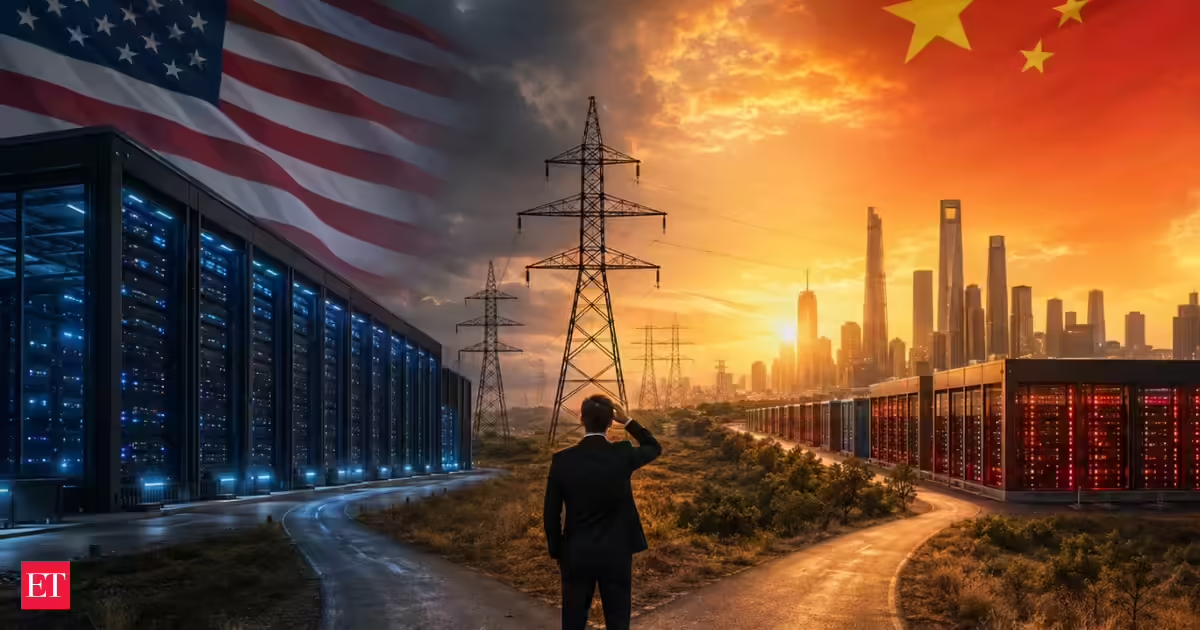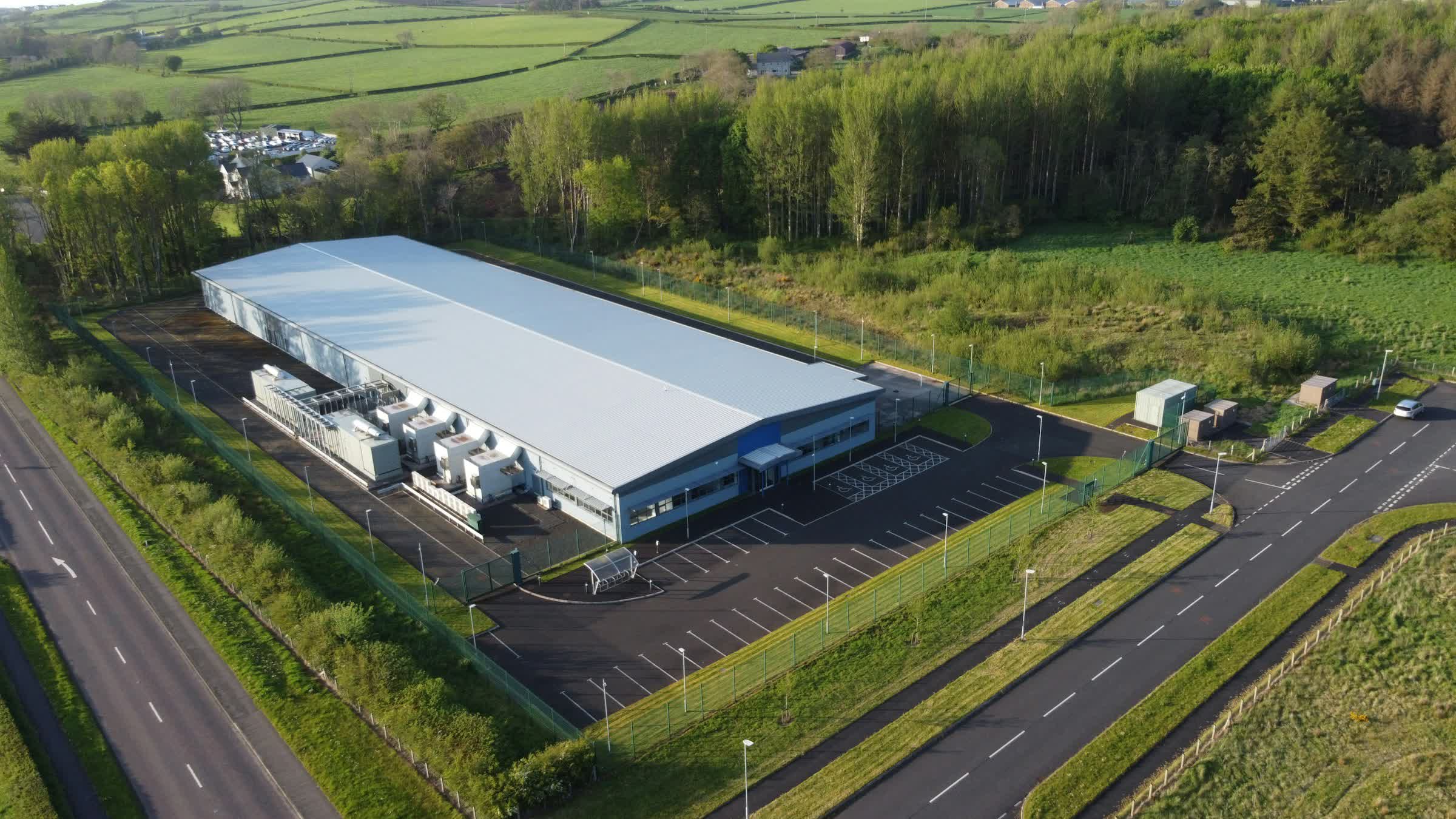
The artificial intelligence boom in the United States is being matched by a data center building boom. There are more than 3,000 data centers in the U.S. and another 1,500 in development, according to a Pew Research Center analysis.
While President Donald Trump has promoted AI advancement, calling it crucial to economic and national security, polling shows that 7 in 10 Americans oppose the construction of AI data centers in their communities, citing higher utility bills, pollution, noise and the loss of green space. These centers, which hold computer servers that process words, images and lines of code for large language models such as ChatGPT, also use high amounts of water and electricity.
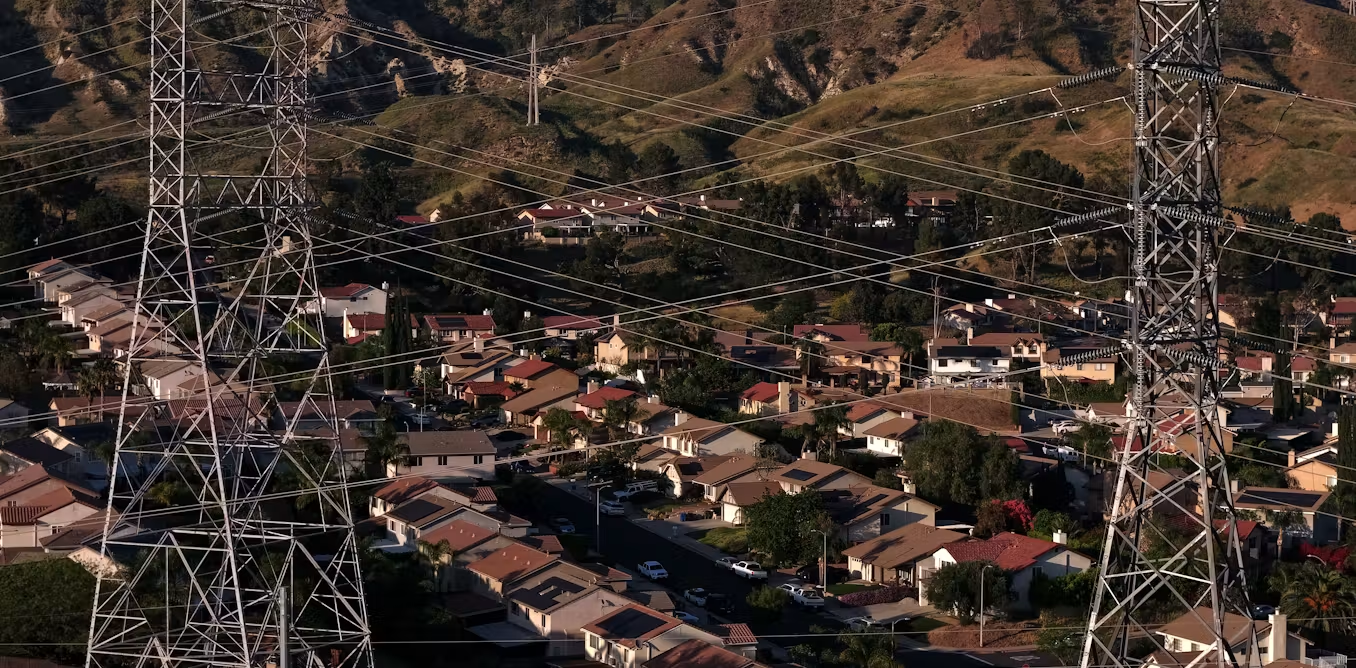
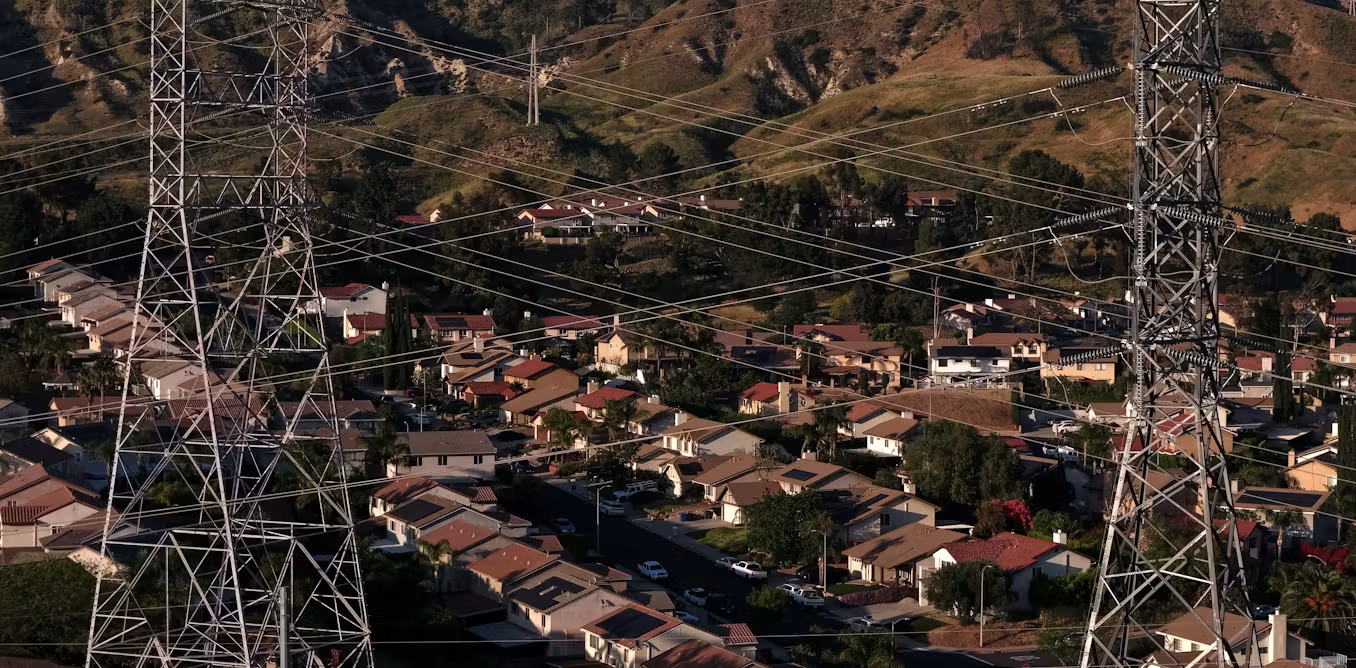
There is growing opposition to the infrastructure surrounding them, too, particularly the transmission lines needed to power them, which often must cross land belonging to private citizens.
Where private citizens refuse to sell their land, companies are turning to eminent domain, the government’s inherent power to seize private property without a landowner’s consent. But does a line built to serve a private data center qualify?
I’m a legal scholar who studies eminent domain issues, and I interpret today’s disputes over seizure of property for the benefit of AI infrastructure as the latest incarnation of a long-standing debate about the limits of taking private property for public use.