The Constitution does not contain an explicit, general right to privacy. Instead, many of the privacy protections people enjoy have been inferred from several constitutional provisions, most notably the Fourth Amendment’s protection against unreasonable searches and seizures. I would ask you, dear reader, how do you feel about that?There is no blanket rule in our founding document stating that the government cannot watch you, whether in person or through modern surveillance technology. Instead, the Supreme Court has recognized that citizens possess a “reasonable expectation of privacy.” But there is no fixed, permanent definition of what society should consider reasonable. In navigating this gray area, we must keep one fundamental truth in mind: Rights are a constraint on governmental power; they are not a reward for compliant behavior.To understand how fragile this protection is, we have to look at its origin. Our modern legal standard for privacy stems from the Supreme Court’s 1967 decision in Katz v. United States. In that case, the FBI attached an electronic listening device to the outside of a public telephone booth to monitor a suspected illegal gambling operation. The court ruled in favor of the citizen, declaring that “the Fourth Amendment protects people, not places.” It established the principle that when a person closes the door to a phone booth, they have a reasonable expectation of privacy.
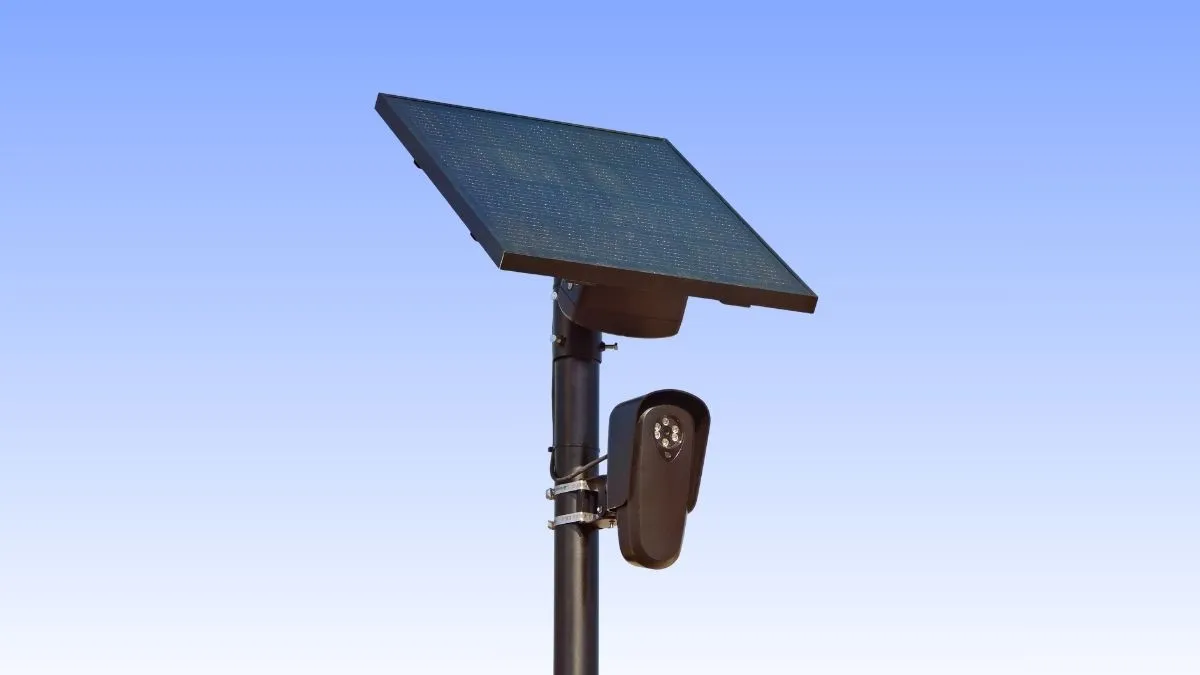
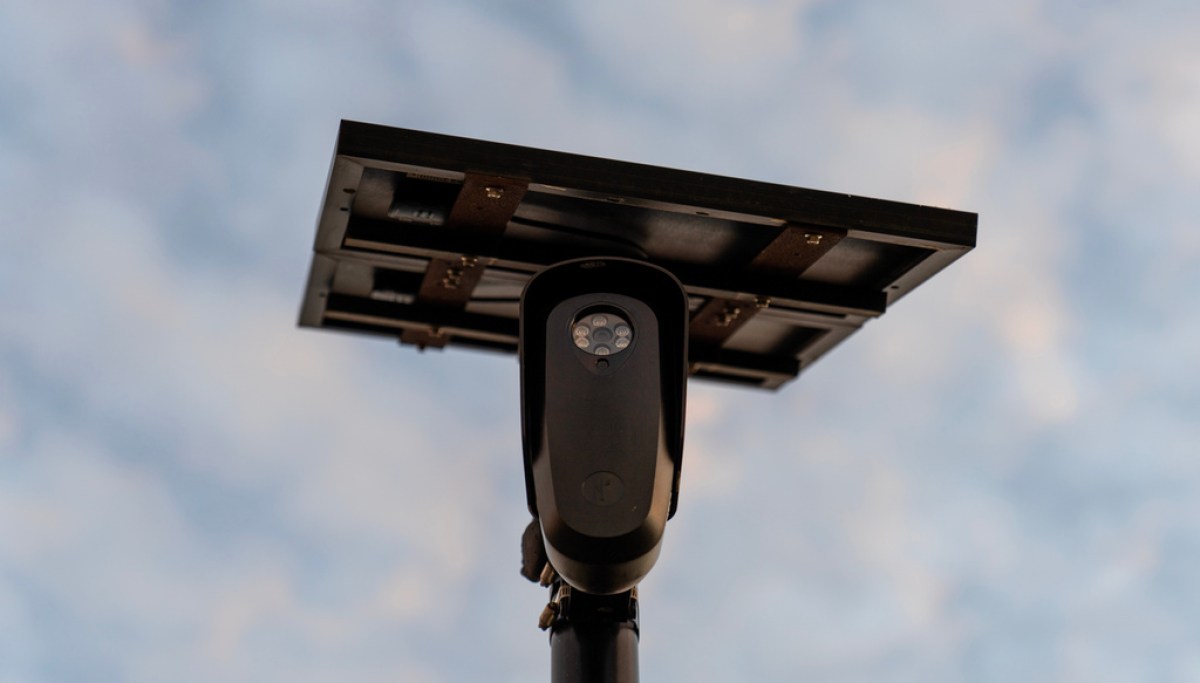
The cameras on your corner are building a file on you
License plate readers like Flock Safety don't just catch red-light runners — they build permanent travel records on millions of innocent drivers.
1,250 words~6 min read