An agent moving through a multi-step task needs two things it doesn't automatically have: a reliable way to know when the task is actually finished, and a reliable way to recognize when its current approach isn't working. Without both, the agent has no internal alarm bell. It just keeps acting — and if the same action keeps producing the same unhelpful result, nothing tells it to stop, change course, or ask for help.
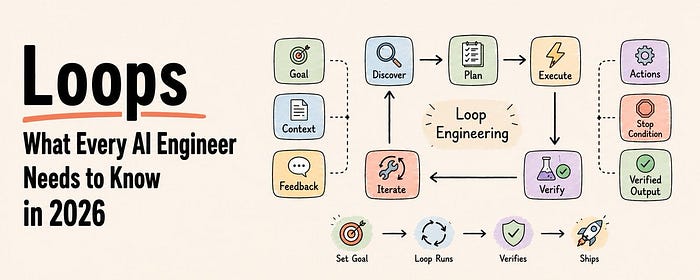
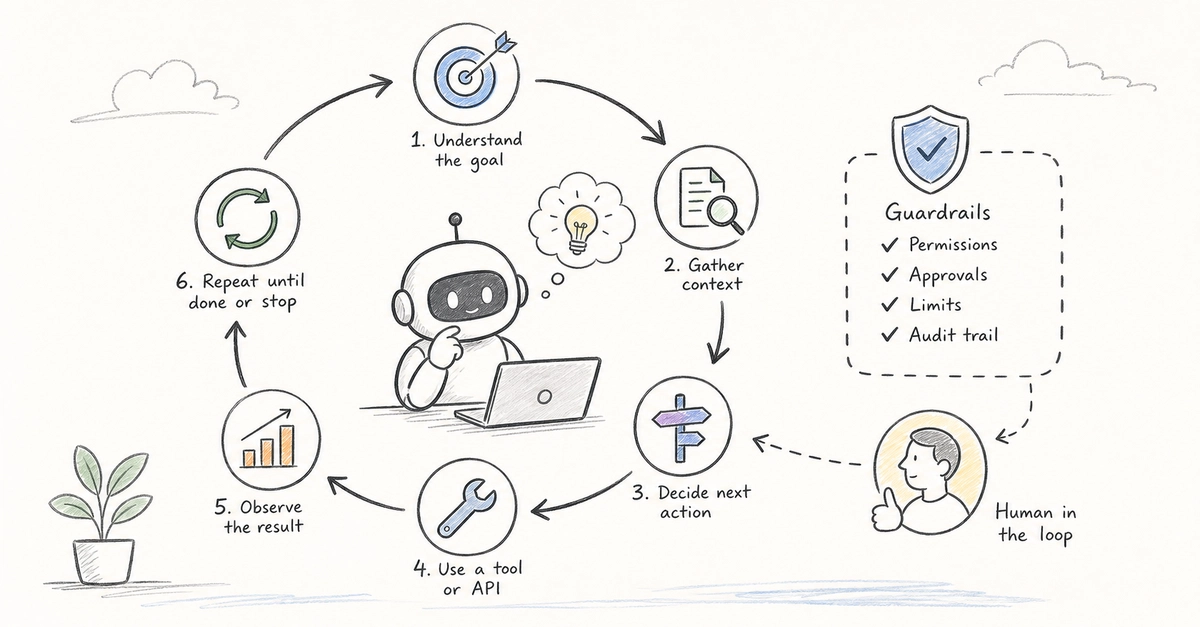
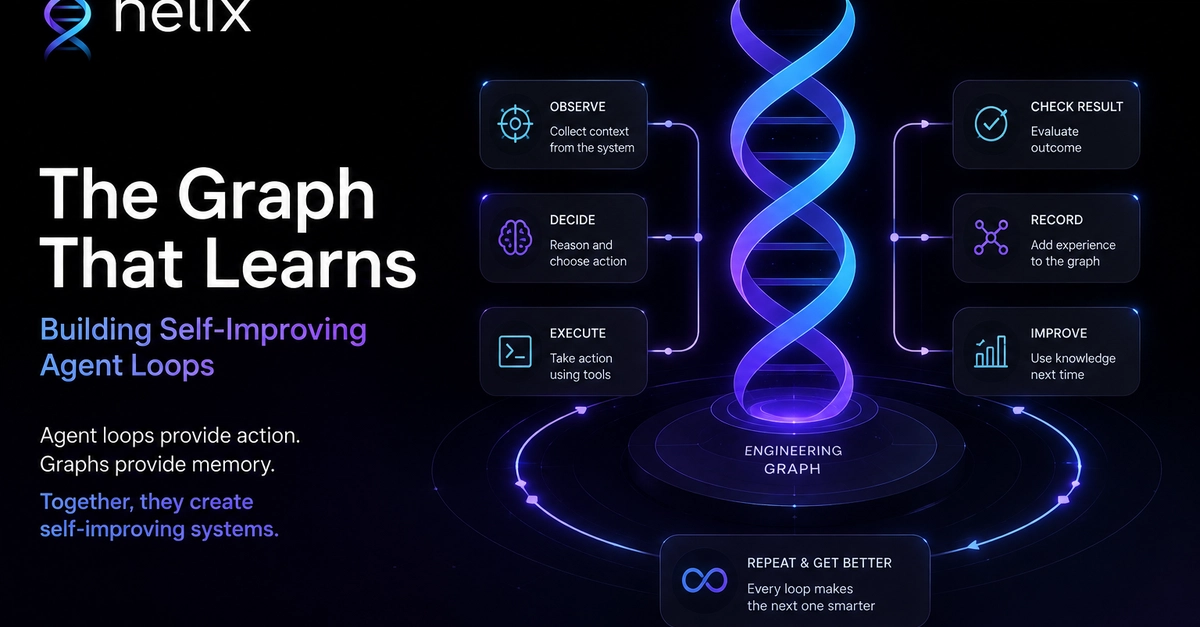
This isn't a minor implementation detail. It's a structural gap in how most agent loops are built: observe, decide, act, observe again. That loop has no natural exit condition unless one is explicitly designed in.
Pattern One: The Retry Loop:
The retry loop is the simpler of the two failure modes. The agent takes an action, it fails, and the agent tries the exact same action again — sometimes with trivial variation — expecting a different outcome.
A few reasons this happens: