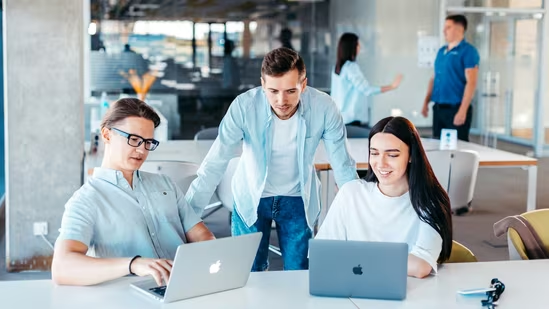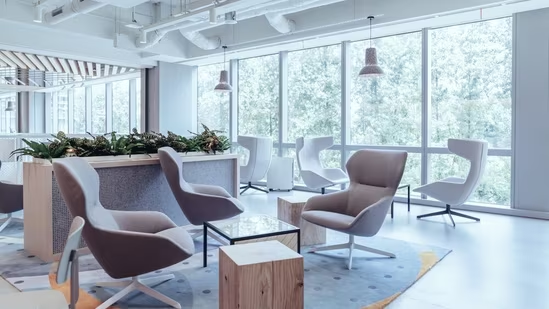
Workplace designs are changing to feel more lively for Gen Z employees, from dopamine decor to quiet booths. Say goodbye to dull designs. As Gen Z makes its way into the workplace, workplace environments are also changing, breaking away from the fairly predictable formula of dull and monotonous design. With young employees bringing vitality and personality into the office, modern workplace designs are also becoming chic to match Gen Z's preference for individuality and comfort.ALSO READ: Top 4 trending workplace designs to turn offices into productivity powerhousesFrom open seating to maximised natural light, workplace designs are becoming more flexible. (Shutterstock)Let's see what a Gen Z office looks like. We asked Tasheen Issani, chief business development officer at Team One Architects (TOA), about the trending design elements shaping modern Gen Z workplaces.Tasheen highlighted Gen Z's substantial and growing presence in the workplace. He said, "Gen Z formed about 27% of the workforce by 2025, equating to roughly 175 million people based on a 650 million total workforce estimate. They are no longer the next-in-line or at the periphery of the organisations but actively participating in offices and contributing to outcomes.”They are influencing workplace culture, policies and even how offices are designed. So, this means workplaces are moving away from monotonous neutral palettes, harsh overhead lighting and rigid cubicles. As per the expert, Gen Z views the office as more than just a place to work. It is also a space for creativity and collaboration that celebrates individuality, flexibility and openness. One of the most visible changes in office designs is the gradual disappearance of the cubicles.Sharing the rationale behind this change, Tasheen explained, “Traditional offices revolved around hierarchy and separation, with enclosed desks and limited interaction between teams. On the contrary, connectivity and openness are a priority. Across Indian offices being designed or redesigned with Gen Z in mind, the cubicle has given way to activity-based layouts. The logic is straightforward: Different tasks thrive in different settings.”Open seating, colourful decor, and activity specific work zones help to foster a creative work environment. (Picture credit: AI generated)Here are some of the changes Tasheen shared, which are being observed in offices nowadays as designs become Gen Z-friendly:1. Open and collaborative workstationsReplaced rigid cubicles and fixed seating arrangements.Encourage interaction, brainstorming, and teamwork while giving employees greater freedom to move around.2. Different zones for different tasksInstead of assigning one desk for every situation, modern offices provide spaces suited to different working needs.Employees can choose between shared workstations, cafe-style seating clusters, collaborative areas, quiet focus rooms and soundproof booths.3. Flexible seating that reduces hierarchyUnassigned workstations allow employees and leaders to share the same space.Promotes greater transparency and makes the workplace feel less hierarchical.Shows office design can reflect organisational culture.Informal meeting areas, open lounges also reduce hierarchy.4. Natural materials and indoor greeneryGen Z office moves away from beige corridors, identical desks.Now offices include elements like indoor plants, flexible furniture and acoustic design, which give the workspace a personality.5. Warm and layered lightingHarsh overhead fluorescent lights are being replaced.Warm, layered and natural-looking lighting is introduced.6. Dopamine decor for a joyful environmentDopamine decor reflects Gen Z's expressive nature.Dopamine decor uses vibrant colours, interesting textures, playful patterns and expressive forms to create a positive and uplifting environment.Workplaces feel livelier with this style.One may wonder why there is so much focus on workplace aesthetics. But the rationale behind it goes beyond making offices look appealing. Their implications include employee wellbeing, improved productivity, enhanced creativity, and increased collaboration. And most importantly, supportive designs help to retain young talent too.The expert answered this doubt, describing why investing in design is crucial for employees, as it is not only about aesthetics. The value is actually rooted in wellbeing and productivity. “Trends like flexible and biophilic designs, technology integration, and well-being zones are necessities. India’s socio-economic profile makes this especially consequential. In a country where nearly half the population is under 30, the organisations that invest in workplace design right are not just creating nicer offices but are building a competitive edge in attracting and retaining talent, driving engagement and encouraging creativity.”Adrija Dey’s proclivity for observation fuels her storytelling instinct. As a lifestyle journalist, she crafts compelling, relatable narratives across diverse touchpoints of the human experience, including wellness, mental health, relationships, interior design, home decor, food, travel, and fashion that gently nudge readers toward living a little better. For her, stories exist in flesh and bones, carried by human vessels and shaped through everyday endeavours. It is the small stories we live and share that make us human. After all, humans and their lores are the most natural and raw repositories of stories, and uncovering them, for her, is akin to peeling an orange under a winter afternoon sun. Always up for a chat, she believes the best stories come from unfiltered yapping, where "too much information" is kind of the point. A graduate of Indraprastha College for Women, University of Delhi, and an alumna of the Indian Institute of Mass Communication (IIMC), Delhi, Adrija spends her idle hours cocooned with herbal tea and a gripping thriller, scribbling inner monologues she loosely calls poetic pieces, often with her succulents in attendance. On lazier days, she can be found binge-watching, for the nth time, one from her comfort-show holy trinity: The Office (US), Brooklyn Nine-Nine, or Modern Family. Dancing by herself to her peppy playlists, however, is an everyday ritual she swears by religiously.Read More
Goodbye, cubicles! 6 Gen Z office design trends transforming workplaces with dopamine decor, warm lighting and open desk
Workplace designs are changing to feel more lively for Gen Z employees, from dopamine decor to quiet booths. Say goodbye to dull designs.
899 words~4 min read