Listen
/
1.0x
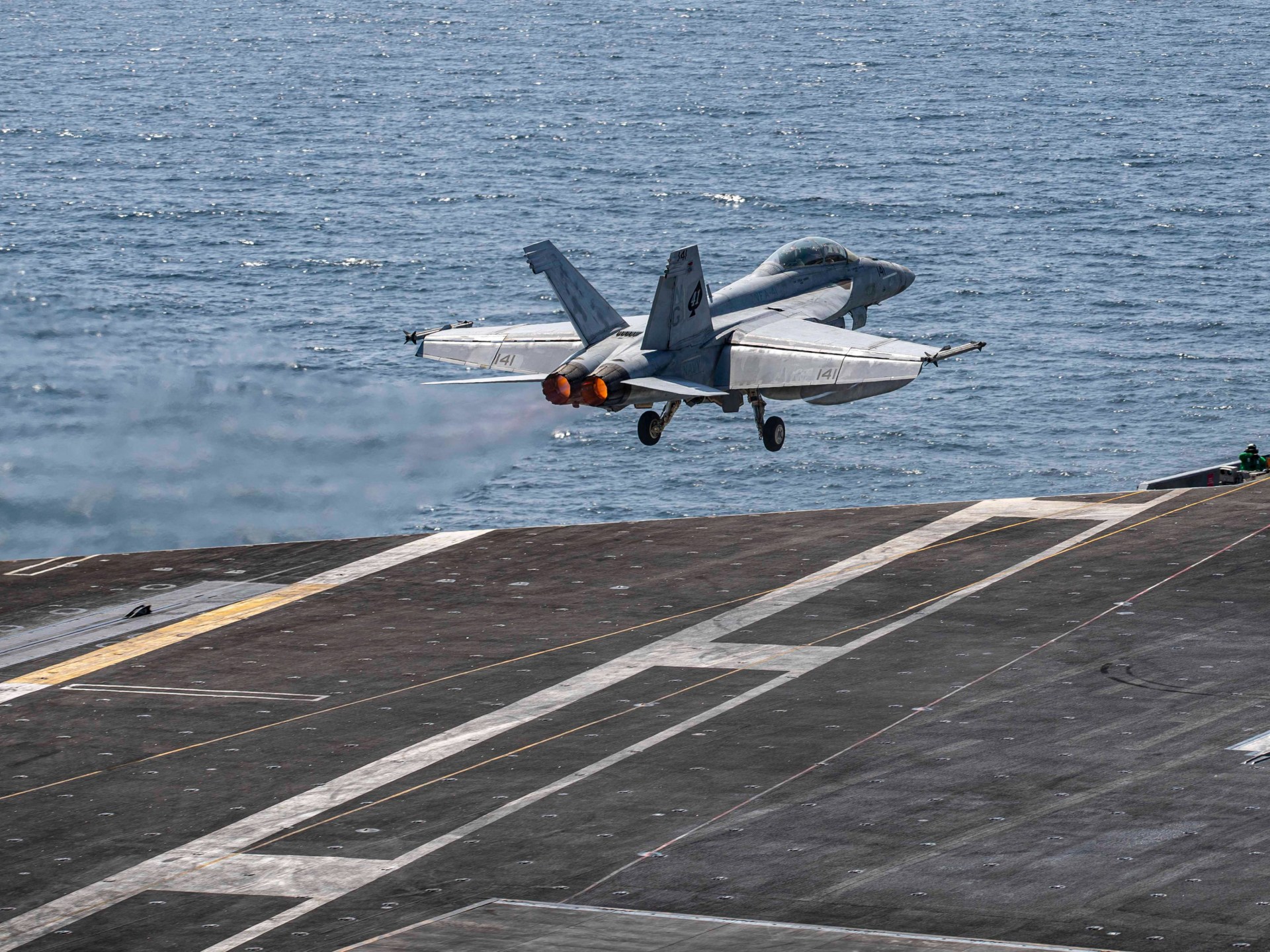
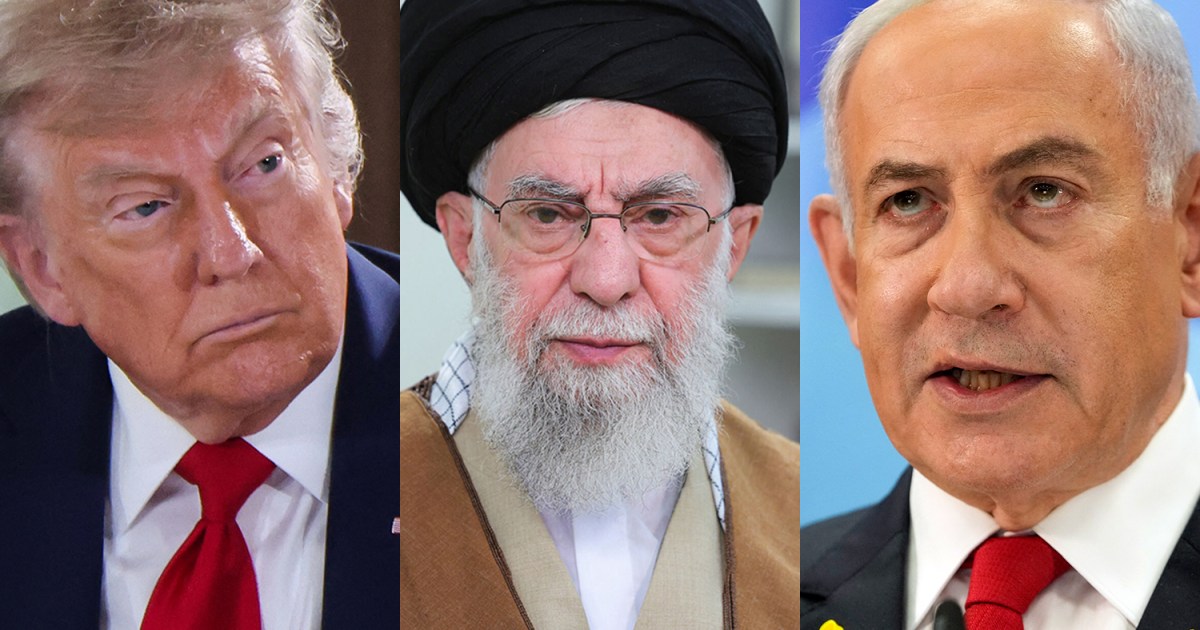
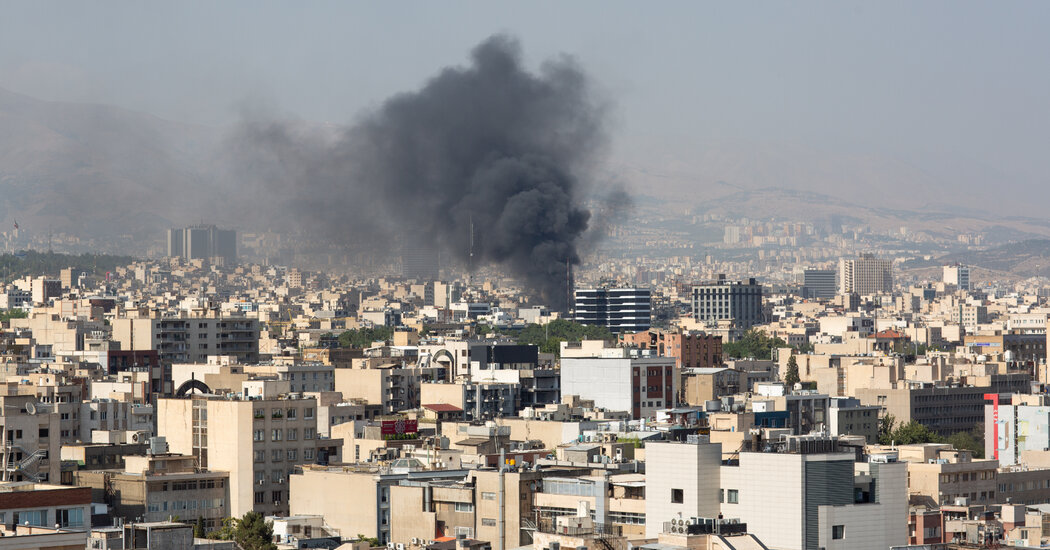
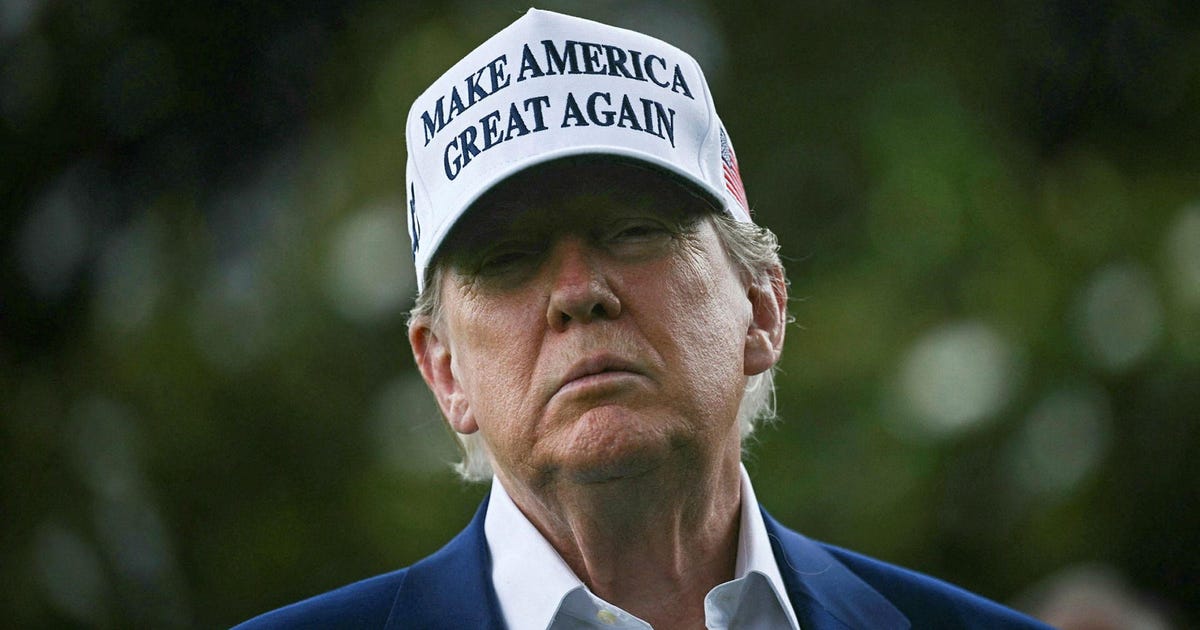
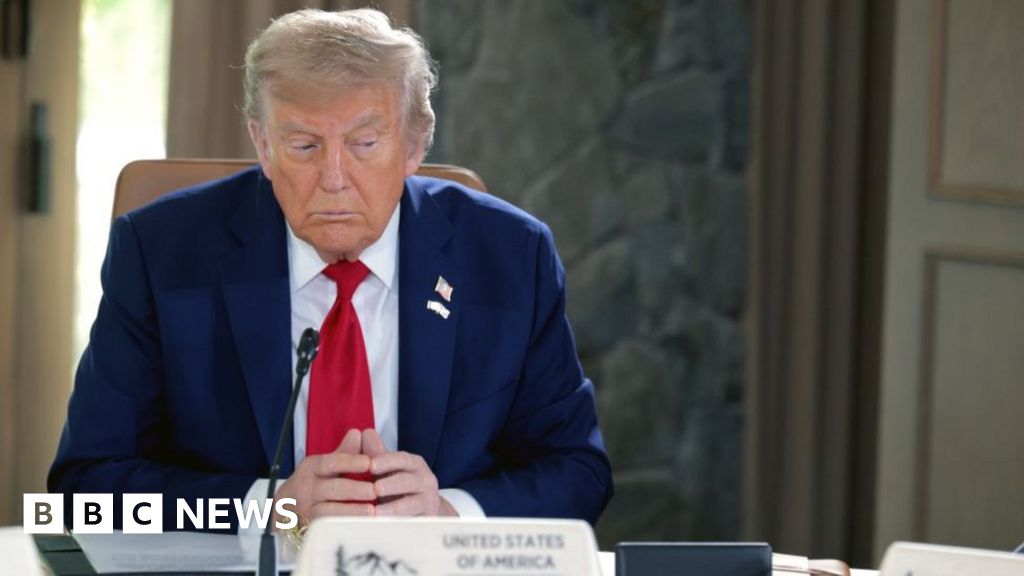
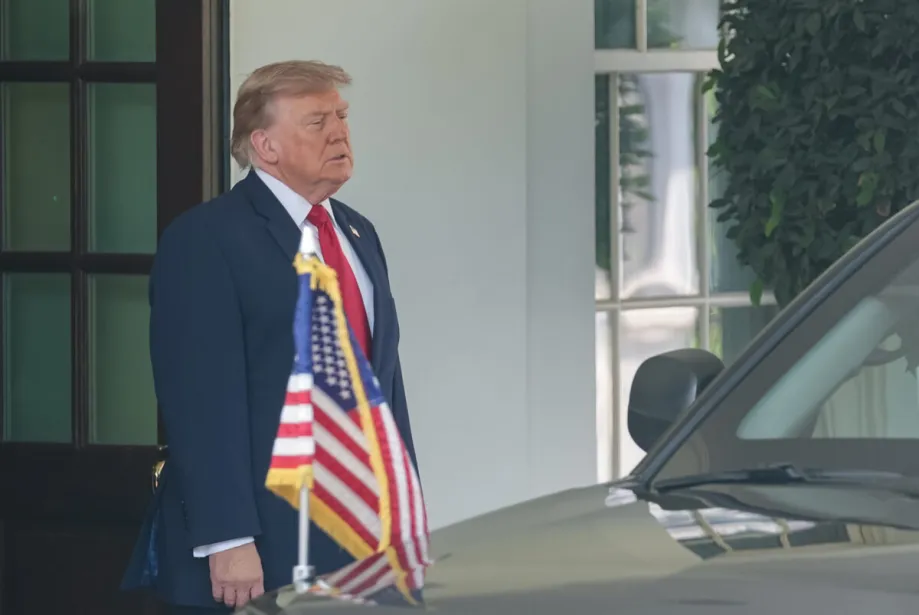
President Donald Trump’s administration has been accused of waging war against Iran on Israel’s behalf. Israel had made no secret of its determination to draw the United States into such a confrontation, having failed to persuade previous US administrations to do so. Since then, countries across the region have borne the consequences of the war’s repercussions and of Trump’s decisions relating to it, whether in their regional relations, the broader regional security environment, or even the internal security and stability of some states. The equation surrounding the war against Iran appears even more complex when viewed through the prism of Trump’s character. Coming from the world of business and finance, he is far more adept at striking deals and maximising economic gains than at relying on conventional approaches to politics and diplomacy. The convergence of these factors raises a fundamental question: were Trump’s decisions during the war driven solely by political considerations, or did his personal and economic interests also help shape them, at the expense of the region’s stability?
The data show that Trump’s statements and decisions concerning the war on Iran, as well as the ceasefires associated with it, affected market movements and trends. A number of defence companies benefited, and their share prices rose at the outset of the war.