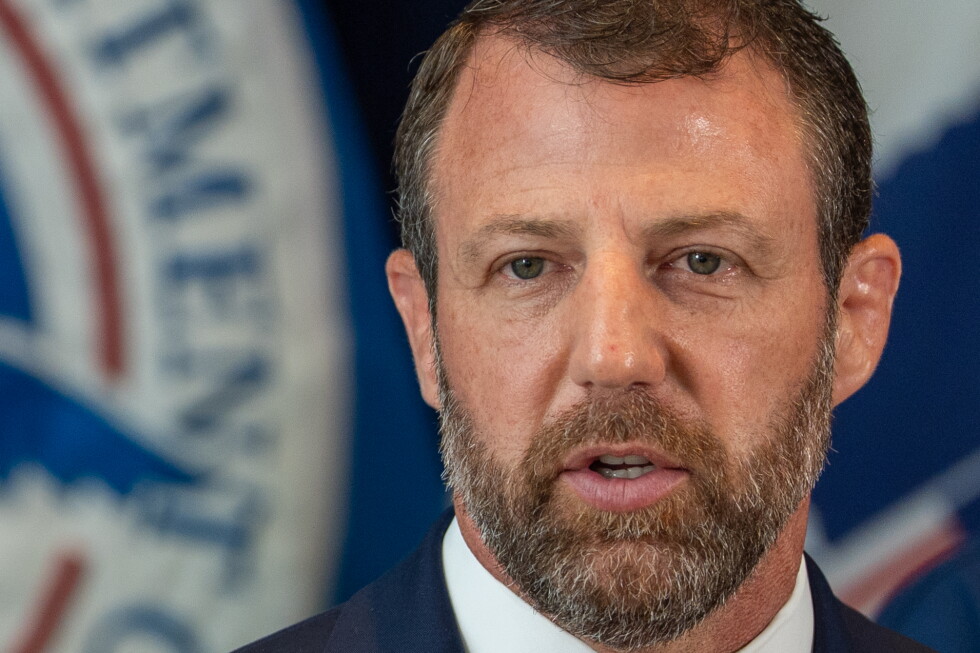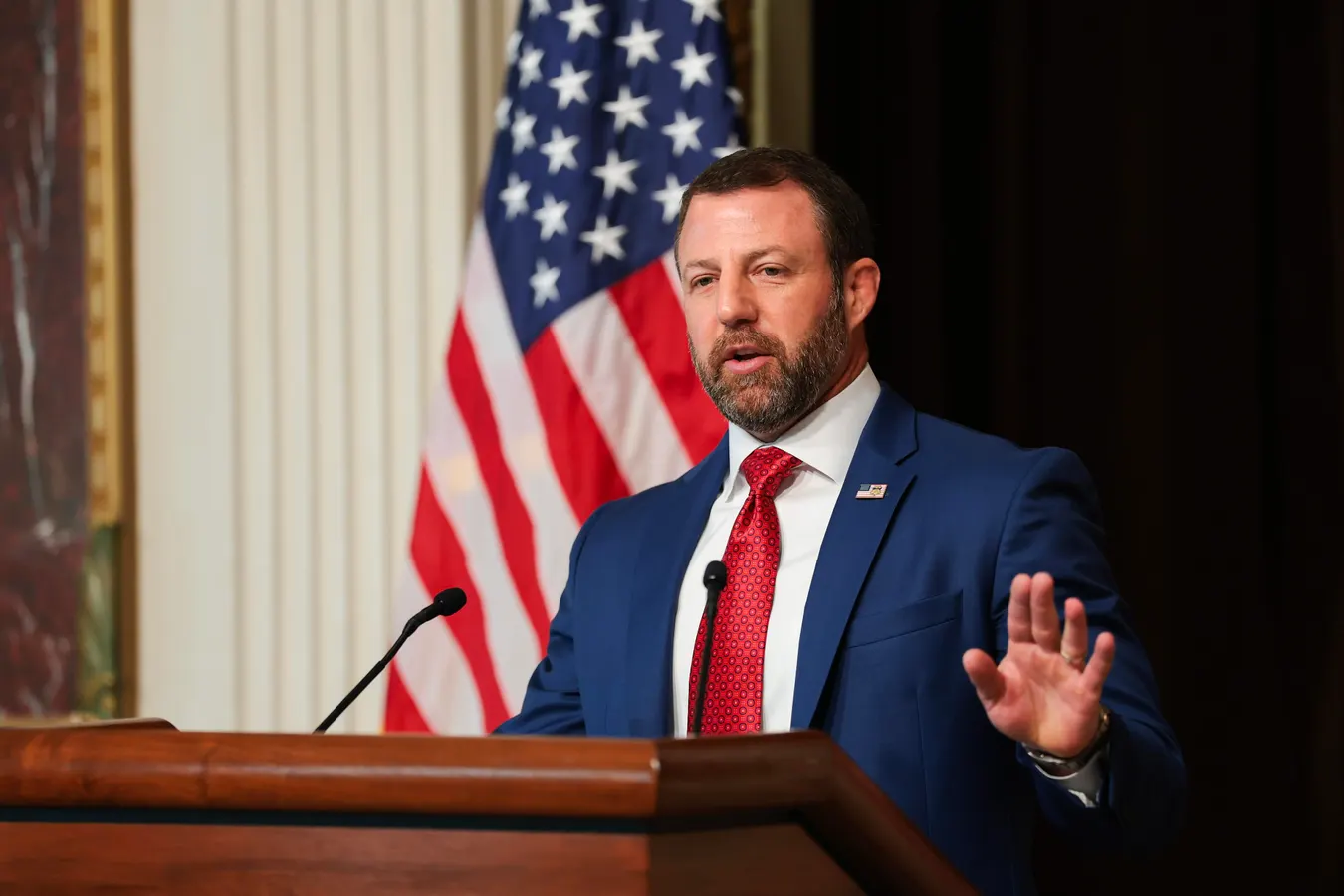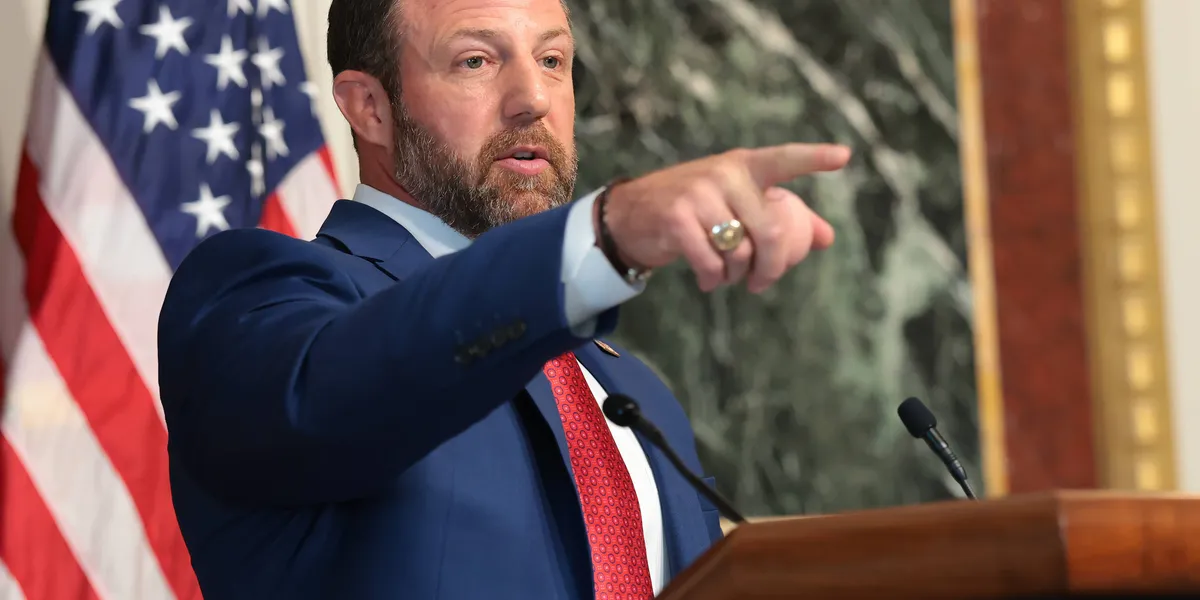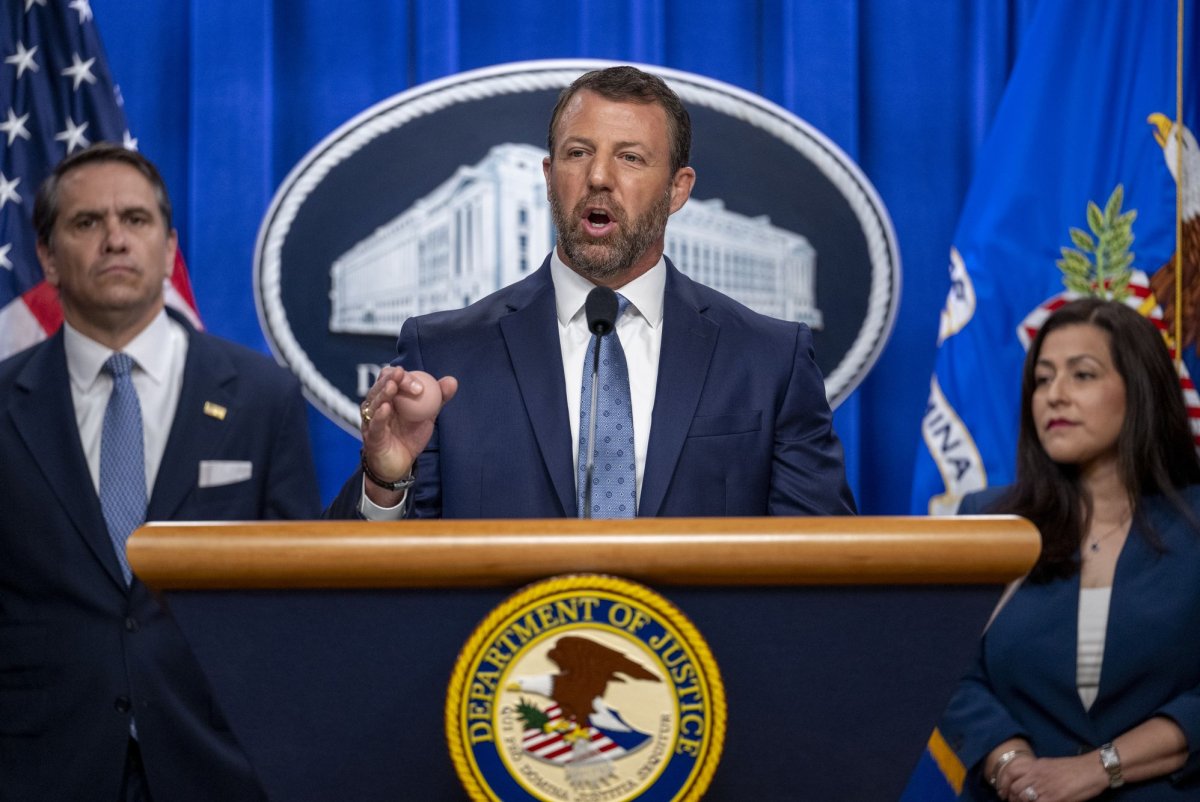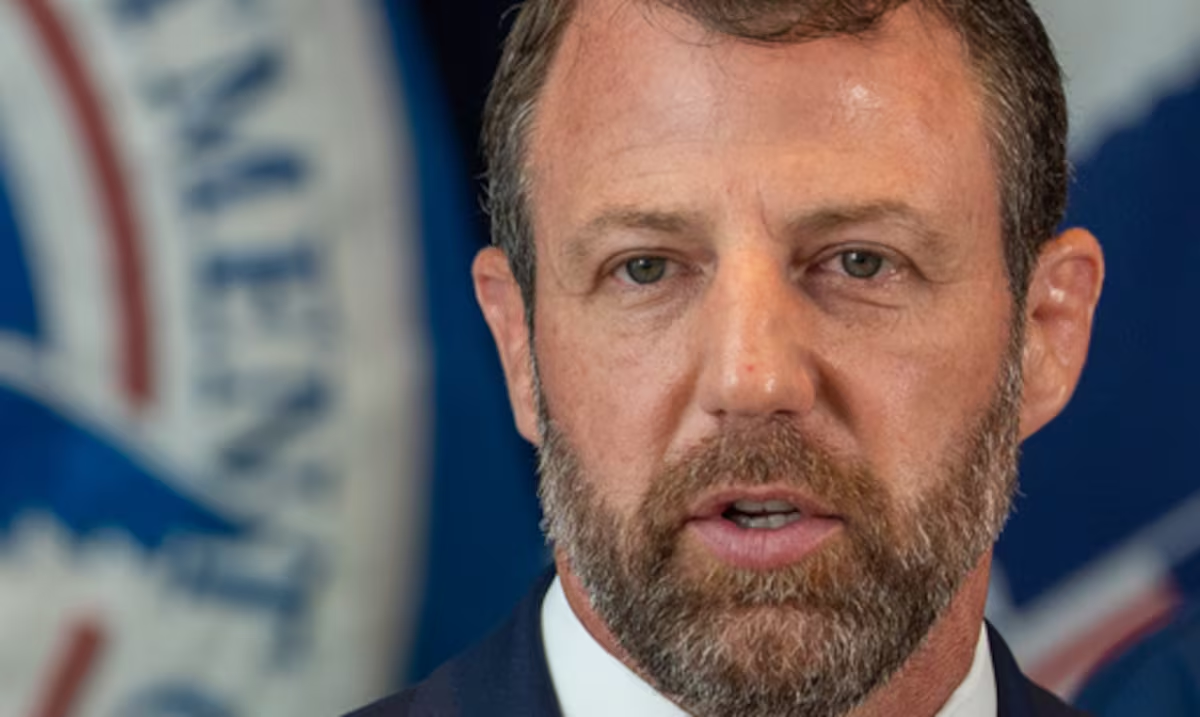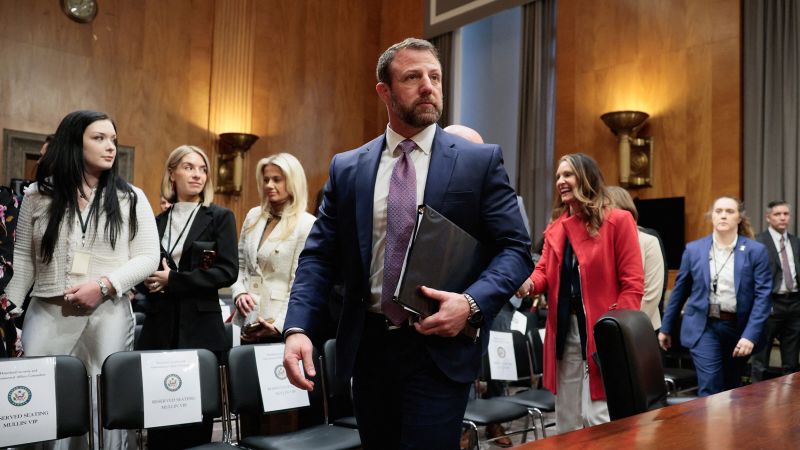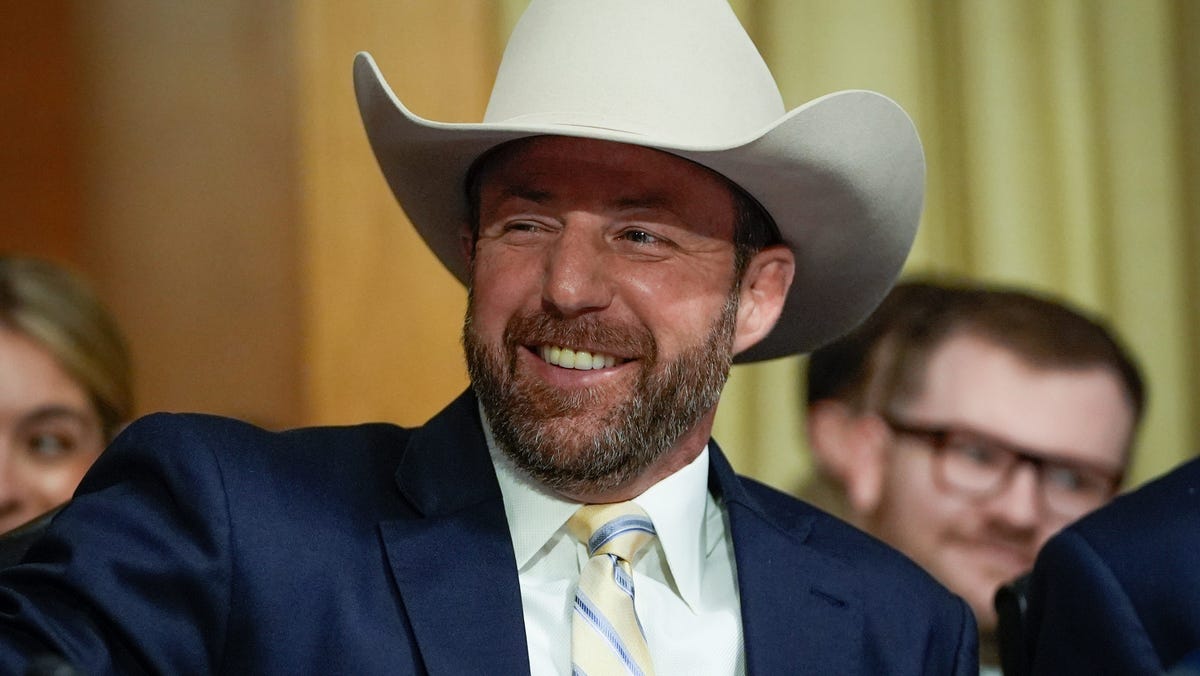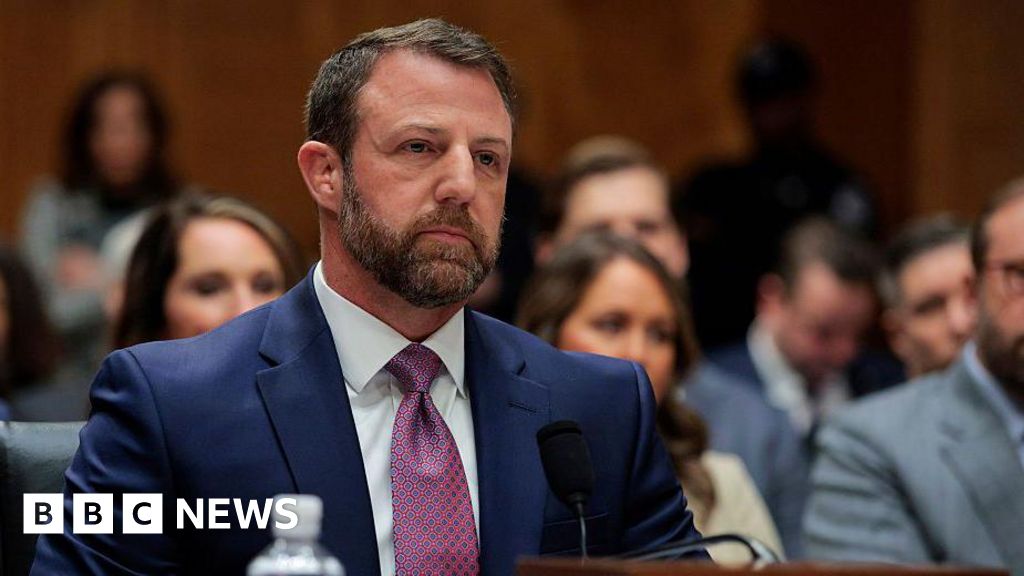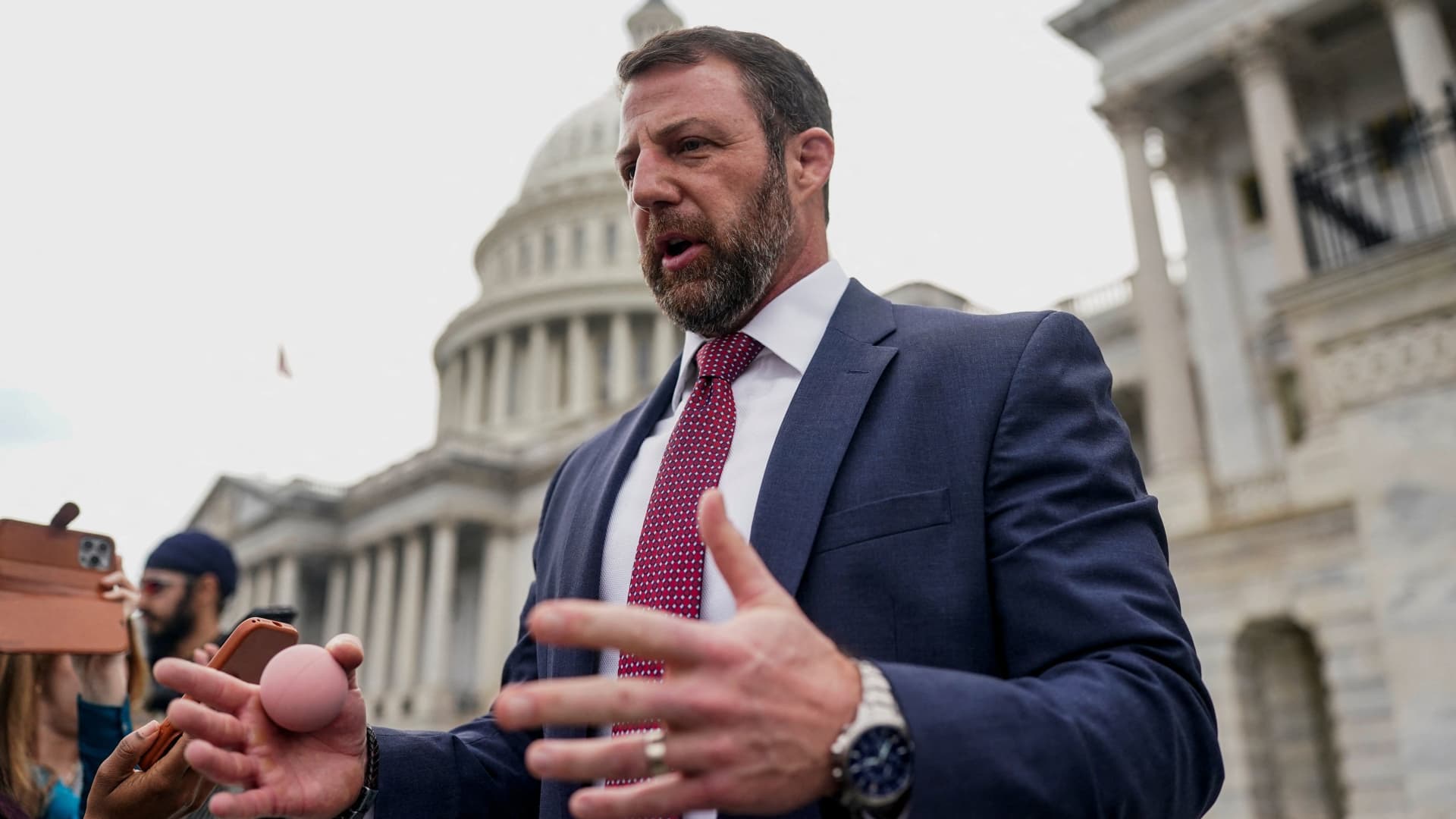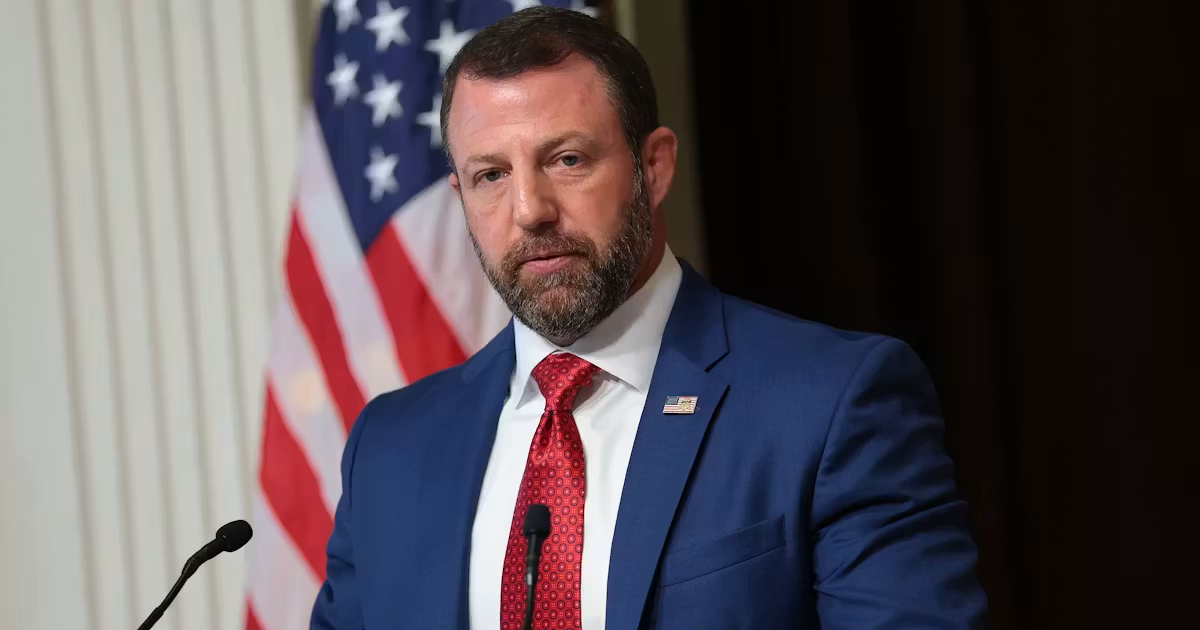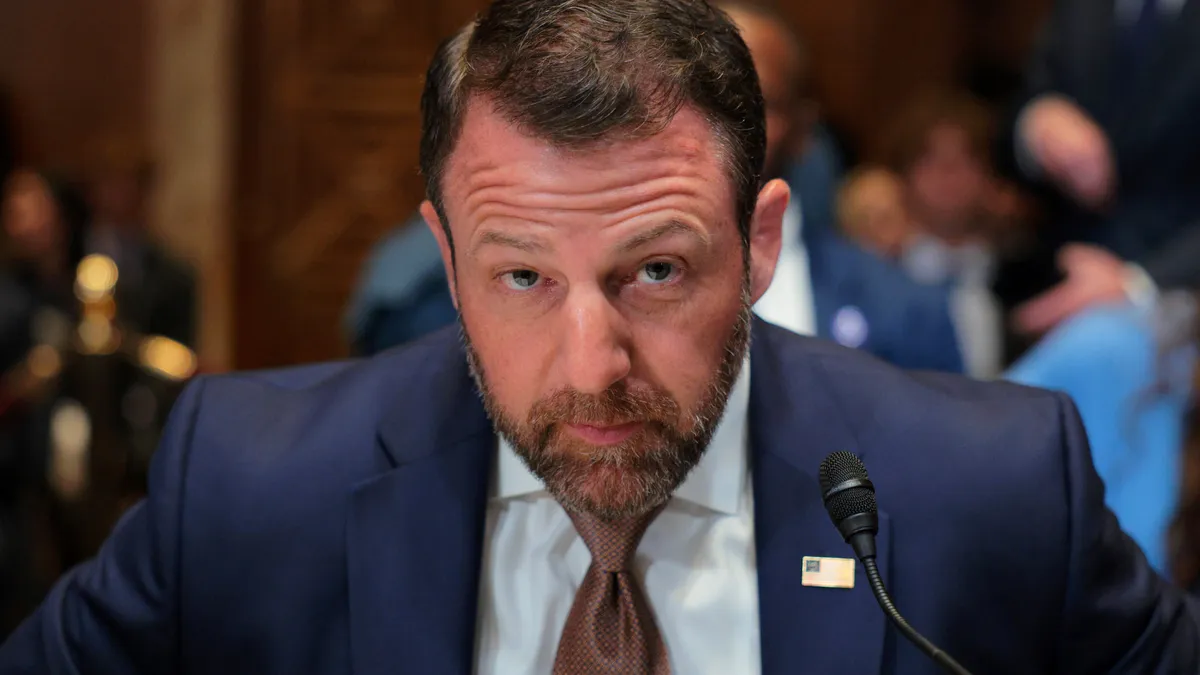
Markwayne Mullin promised to keep DHS out of the spotlight. Months later, fatal ICE shootings, detention deaths and fresh political battles have thrust the agency back into the headlines.Show Caption
Markwayne Mullin vowed to take the Department of Homeland Security out of the headlines as its new secretary.Surges of immigration enforcement in several cities had grown increasingly unpopular among Americans, especially after DHS employees had killed at least two U.S. citizens in the winter. During his Senate confirmation hearing in March, Mullin, a former Republican senator from Oklahoma, promised a shift in how the agency conducted itself — to hum quietly as it carried out President Donald Trump’s sweeping immigration enforcement priorities while protecting the country.“My goal in six months is that we’re not in the lead story every single day,” Mullin said at the March 18 hearing. “My goal is for people to understand we’re out there, we’re protecting them, and we’re working with them. My goal is to make every one of you proud.”Less than four months later, that's changed.Mullin finds his agency back in the headlines across the globe after U.S. Immigration and Customs Enforcement officers fatally shot two people in two American cities in less than a week. On July 7, an ICE officer shot into a van during a traffic stop, killing the 52-year-old driver, Lorenzo Salgado Araujo, a father from Mexico, as he was starting his workday in Houston, Texas.Then on the morning of July 13, an ICE officer shot Johan Sebastián Durán Guerrero, 25, during a traffic stop in Biddeford, Maine, killing the Colombian father who was authorized to work in the country. In both cases, DHS officials have said officers feared for their safety and discharged their weapons. Protests in both cities followed. ICE initially halted traffic stops in the wake of the shootings. Trump reversed that decision a day later.And the two shootings raised new questions about why the ICE officers weren't wearing body cameras as a new political fight emerged. DHS and some key Republicans blamed Democrats for the rollout, even as the department vowed to ensure all ICE arrest teams had the cameras within 60 days.In a July 15 statement to USA TODAY, Mullin said the No. 1 goal for DHS is "to keep our officers safe and get criminals OFF our streets.""Illegal aliens will be arrested and deported wherever they are. If you are here illegally, LEAVE NOW," Mullin said, adding officers are facing increases in vehicle attacks.Mullin said "attempting to evade arrest is dangerous.""This reckless illegal alien activity comes after sanctuary politicians held webinars and shared resources for how to openly defy ICE," Mullin said, laying out criticism of a number of leading Democratic politicians.Here's how 2026 has unfolded for the Department of Homeland Security.'Single-minded focus' on Trump's immigration enforcement promiseThe year started with chaos in the Midwest, continuing with historic spending on DHS and a record year for deaths in detention. The Trump administration began Operation Metro Surge in Minneapolis in December, and sweeping operations led by DHS carried into 2026. Protests erupted in response to masked, armed agents flooding American streets.A week into the New Year, an ICE agent in Minneapolis fatally shot Renee Good, a 37-year-old U.S. citizen and mother, while she was inside her vehicle during a protest. Two weeks later and about a mile away in the same city, U.S. Customs and Border Protection agents killed another U.S. citizen, Alex Pretti, a nurse, also 37, during a protest. Former DHS Secretary Kristi Noem quickly labeled them domestic terrorists before video evidence emerged contradicting her account. Soon, support began declining among Americans over the heavy-handed tactics of agents conducting aggressive immigration enforcement in U.S. cities, polling showed. The tactics began drawing outrage from Democrats and Republicans.While the operation eventually drew down, DHS has continued to have a tumultuous 2026. Founded in the shadow of the Sept. 11, 2001, terrorist attacks, DHS has grown to a gargantuan size, with hundreds of billions of dollars injected into expanding detentions and deportation efforts while hardening the southern border.“It is a single-minded focus on removing people from the country,” said Doris Meissner, a former commissioner of the Immigration and Nationality Services, a precursor to DHS, under Republican President Ronald Reagan and Democratic President Bill Clinton.In doing so, Meissner, a senior fellow at the Migration Policy Institute, told USA TODAY the agency is getting historic, “military-level” amounts of funding. DHS, particularly ICE, now has more funding than some countries’ entire military budgets.Meissner said DHS operations since Minneapolis appear quieter, but the administration has prioritized only one part of the immigration system, namely enforcement. Officials are neglecting other aspects of the system for immigration courts, asylum and legal immigration, she said.“They’ve taken a series of actions that have certainly changed the optics,” Meissner said. “I’m not at all persuaded that there’s any change in the policy itself.”Lauren Bis, an acting assistant secretary at DHS, told USA TODAY this year that, since day one, DHS has delivered on Trump’s promise to arrest and deport migrants suspected of crimes. “Our border is now closed,” Bis said in a statement. “For the last twelve months there have been ZERO releases at the border. We will continue to deliver on the President’s promise to make America safe again.”She said 70% of people are charged or convicted of crimes in the country, with over 3 million people removed. While detentions and deportations are at record levels, it’s unlikely 3 million people have been removed, according to an analysis of federal data. Meanwhile, the vast majority people apprehended have not been convicted of any crimes, with just 3% having a violent felony conviction, according to a recent analysis by the Data Deportation Project, which obtained ICE data via a public records request.At the same time, the United States has seen a record number of deaths of people held in immigrant detention. Since 2025, there have been at least 52 deaths in ICE custody, according to a USA TODAY tracker. Through early July, there have been 21 deaths in 2026. The rate since Trump took office in his second term is at the highest level in over a decade, according to a Human Rights Watch report published in June.Amid record spending, alleged mismanagement of taxpayer dollarsMeanwhile, at DHS headquarters in Washington, DC, the agency has faced high-profile controversy.In enacting the president’s priorities, the administration oversaw precipitous drops in border crossings and increased the number of people held in detention and deported. But the deaths of Pretti and Good allowed Democrats in the minority to force a record shutdown of DHS aiming to reform the agency. The efforts by Democrats proved a failure, Meissner said, as the shutdown ended while DHS continued to receive vast amounts of federal dollars. But Noem’s appearances before Congress in March may have cost her her job. Sen. Thom Tillis, R-North Carolina, called Noem’s leadership a “disaster.” Noem reportedly had to personally approve every agency contract. During the government shutdown, DHS procured a pair of new luxury jets, each valued at upwards of $70 million, for Noem’s travel. Sen. John Kennedy, R-Louisiana, grilled Noem over her spending, including a $220 million television ad that Noem said the president approved. Trump reportedly had not. Kennedy told FOX News that Noem was as “dead as fried chicken.”New leadership, same prioritiesMullin filled Noem’s role, promising to steer the agency away from controversy as he dealt with the shutdown. Lawmakers confirmed his nomination, though Mullin, a former MMA fighter and business owner, began his own spats with Democratic cities and states.The administration decried the shutdown’s effects on air travel, with Transportation Security Administration employees missing paychecks in March before Trump took executive action to get TSA workers paid. The administration controversially deployed ICE into airports.Protests erupted in New Jersey at a controversial private ICE detention facility, where detainees staged a labor and hunger strike. In response to what he saw as a lack of response by local officials, Mullin threatened to stop processing international arrivals, potentially upending business and tourism to major American cities that drive the country’s economy.Tom Homan, the administration’s border czar who oversaw the drawing down of the operation in Minneapolis, has threatened to surge ICE agents to New York City, the nation’s largest urban area with scores of immigrant enclaves and a major economic engine of the country. Homan complained about Democratic city and state officials over so-called sanctuary policies that limit local law enforcement from cooperating with federal immigration enforcement.All that came as the United States hosted the World Cup, the global soccer tournament that dwarfs the Super Bowl with billions of viewers and millions of fans visiting from around the world. DHS helped oversee security measures for 78 matches in the United States in June and July. DHS said the Federal Emergency Management Agency has invested nearly $900 million to host cities to protect residents and visitors.Fans have decried the U.S. government’s handling of visa restrictions and travel bans for fans, players and even a FIFA referee. The Iranian national team was forced to train in Tijuana, Mexico, while they played their matches in the United States. Iraqi fans were unable to obtain visas to watch their team compete in Boston and Philadelphia. Just days before the tournament kicked off, CBP turned away Omar Artan, the African Men’s Referee of the Year, who was set to be the first Somali to referee a FIFA World Cup. Bis, of DHS, said Artan was deemed inadmissible due to “vetting concerns.”Does DHS reform with new billions of dollars injected?Meanwhile, DHS has been given even more funding to carry out its priorities. In June, Republicans took the unconventional step of funding DHS for three years, with a $70 billion reconciliation bill. That’s on top of $170 billion from the president’s 2025 tax and spending law. Even if Democrats take control of Congress in the 2026 midterm elections, the new spending cements resources for Trump’s immigration enforcement for the rest of his second term.Rep. James Walkinshaw, D-Virginia, a member of the House Homeland Security and Oversight committees, said DHS has been unwieldy and difficult to manage since its creation.But the level of new funding, including with contracting practices, has had little oversight. Walkinshaw said it’s unclear how Mullin departs from Noem on issues such as warehouse purchases for detention centers.In June, officials said expansion plans would not move forward, with a DHS statement saying ICE would use existing spaces rather than new, empty warehouses. Court records indicate the agency is selling at least one Michigan warehouse it previously purchased.“We’ve seen commitments to review and assess things, but we haven’t seen any tangible changes to clean up their act,” Walkinshaw said. “That’s disappointing because this is about the reputation of an agency that is going to exist when Donald Trump is no longer president.”For his part, Mullin has gone before lawmakers to outline the changes he is making to DHS. For instance, he ended many Noem-era contracts that weren’t yet signed as part of an effort to unwind some of the practices that drew bipartisan criticism under the former secretary. In congressional testimony in recent months, Mullin has said that DHS follows the law and will continue doing so. “We swore to uphold the Constitution, just like you swore to uphold the Constitution,” Mullin told lawmakers in June. Contributing: Suhail Bhat, Ignacio Calderon, Christopher Cann, John Heasly, Michael Loria and Jeanine Santucci of USA TODAY