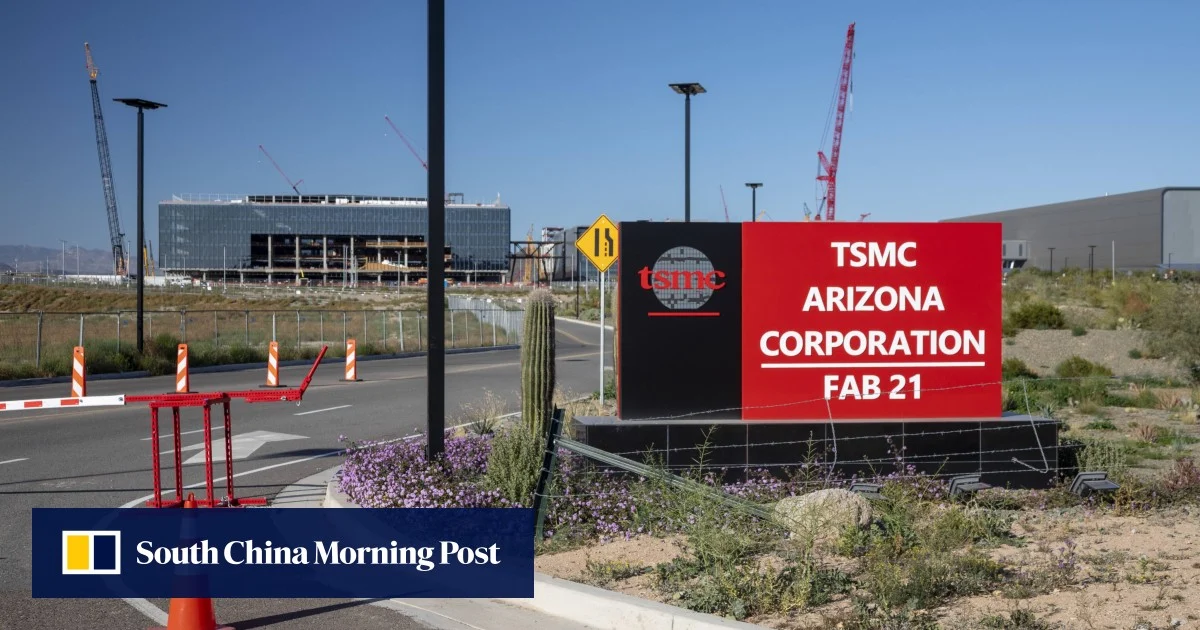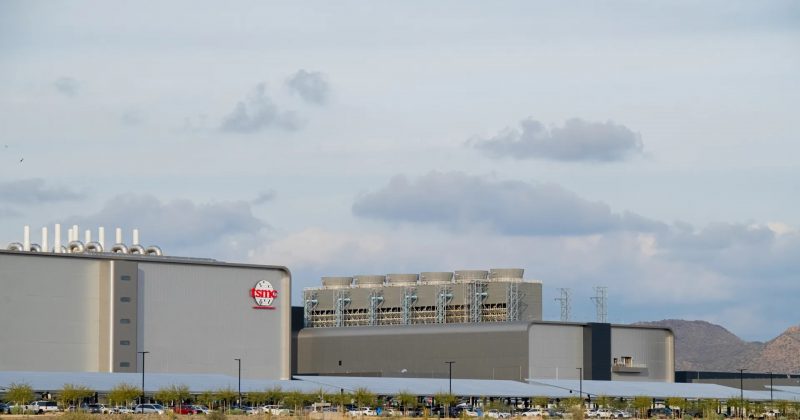
Taiwan Semiconductor Manufacturing Co. (TSMC) is expanding its investment in the United States with an additional $100 billion investment commitment to its Arizona operations, reflecting growing confidence in the future of artificial intelligence (AI) and the increasing demand for advanced semiconductors.The announcement comes as AI continues to drive significant growth across the global technology sector.The latest investment will take TSMC's total spending in the U.S. to around $265 billion, making it one of the largest foreign investments in the country's semiconductor industry.The expansion is expected to strengthen local chip manufacturing while helping the company meet rising customer demand for AI chips and other advanced processors.Key Highlights TSMC expands Arizona investment to meet rising global AI chip demand TSMC boosts US semiconductor manufacturing with $100 billion investment AI growth drives TSMC expansion of advanced chip production in ArizonaAI demand drives expansionThe new investment will support the expansion of TSMC's Arizona campus with four additional semiconductor fabrication plants, subject to market demand. These facilities are expected to manufacture advanced chips using leading-edge process technologies, including 2-nanometer and future-generation nodes used in AI, high-performance computing, and next-generation electronic devices.The announcement follows another strong financial quarter for TSMC. The company reported record earnings as demand for AI chips continued to rise, with major technology companies increasing orders to support data centres, cloud services and generative AI applications. TSMC also raised its capital expenditure forecast, showing its confidence in long-term market growth.Company executives said AI has become the biggest growth driver for the semiconductor industry. Businesses across sectors are investing heavily in AI infrastructure, creating strong demand for advanced chips. TSMC expects this trend to continue over the coming years as AI adoption expands worldwide.Boosting US semiconductor productionThe investment also supports the United States' efforts to strengthen domestic semiconductor manufacturing and build a more resilient semiconductor supply chain. Arizona has become the centre of TSMC's overseas manufacturing strategy and plays an important role in serving customers outside Taiwan.The additional fabrication plants are expected to produce chips for leading technology companies developing AI processors, smartphones, networking equipment and high-performance computing systems. The project is also expected to create thousands of jobs in construction, engineering and advanced manufacturing while supporting the growth of the local semiconductor ecosystem.Although manufacturing chips in the U.S. remains more expensive than in Taiwan, TSMC believes the long-term benefits justify the investment. Producing chips closer to customers, improving supply chain resilience and reducing geographic concentration have become increasingly important as governments and businesses seek greater stability in semiconductor production.The expansion highlights TSMC's long-term strategy to grow alongside the rapid adoption of AI technologies. As demand for advanced computing continues to increase, the company is investing in additional manufacturing capacity to ensure it can support customers developing the next generation of AI-powered products and services.Also Read: Sony Chairman Says Human Bonds Will Define Asia's AI-Powered FutureWith this latest commitment, TSMC is strengthening both its global manufacturing network and its position as the world's leading contract chipmaker. The investment also reinforces the growing role of the United States in advanced semiconductor production, while helping meet the rising demand for the chips that power the AI economy.
TSMC Expands US Investment by $100B to Power AI Chip Demand Surge
TSMC is investing an additional $100 billion in Arizona to expand advanced chip production, strengthen US semiconductor manufacturing, and meet growing AI demand.
521 words~2 min read