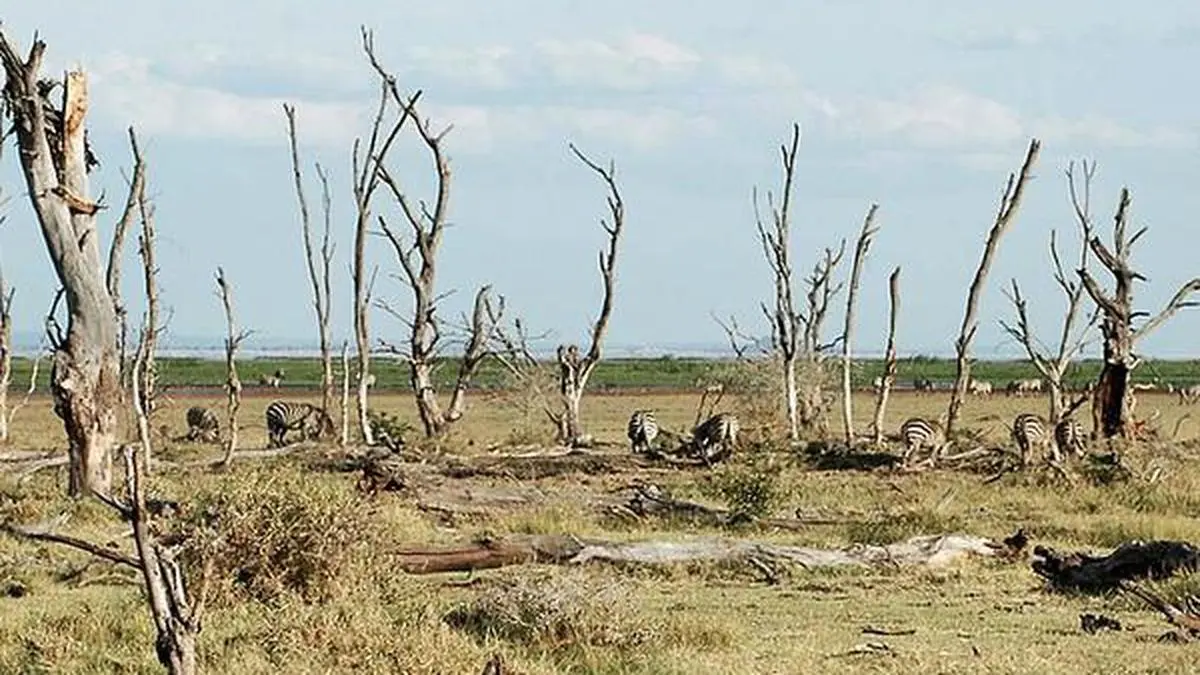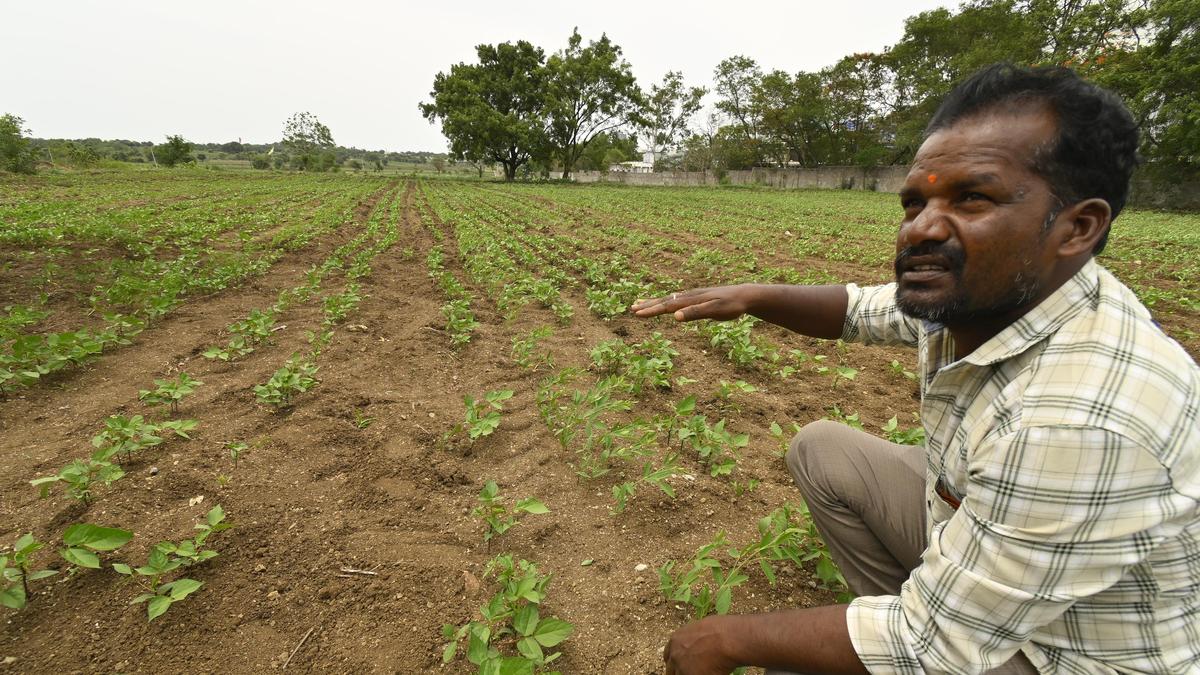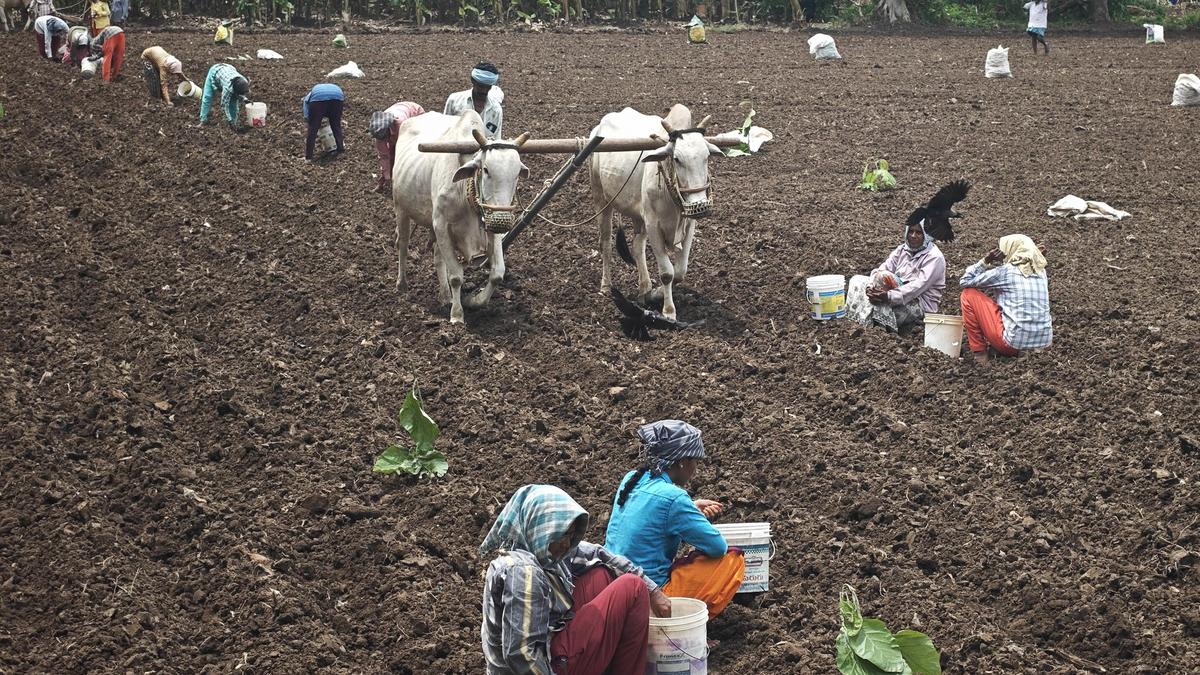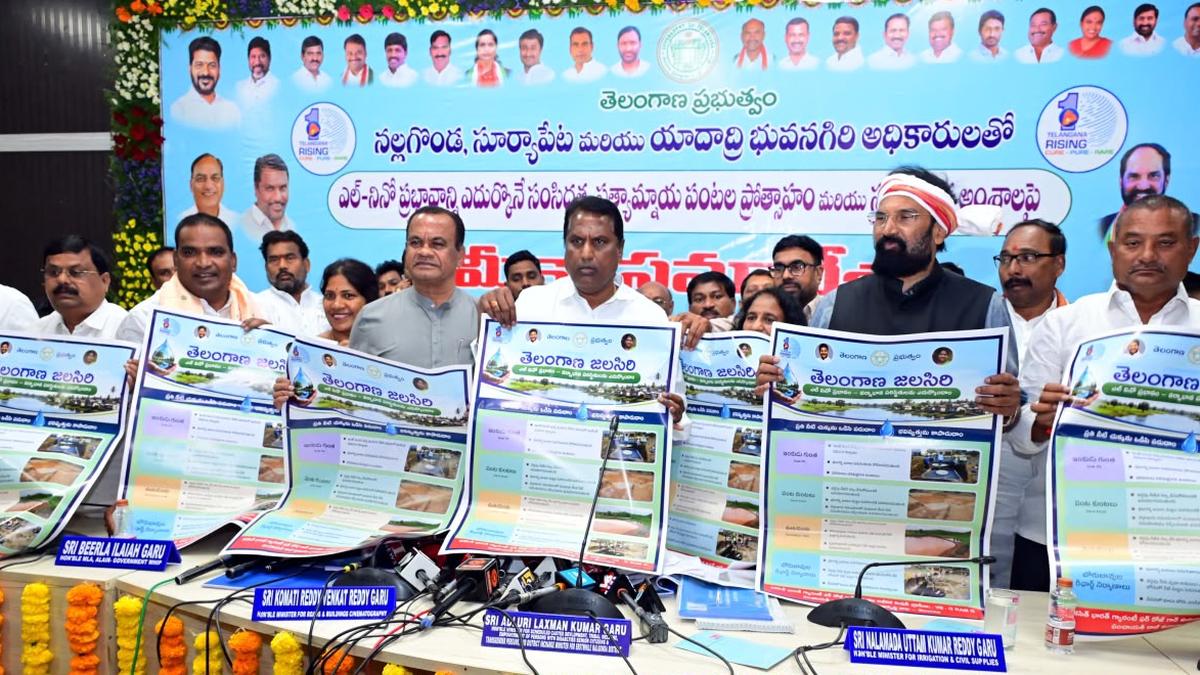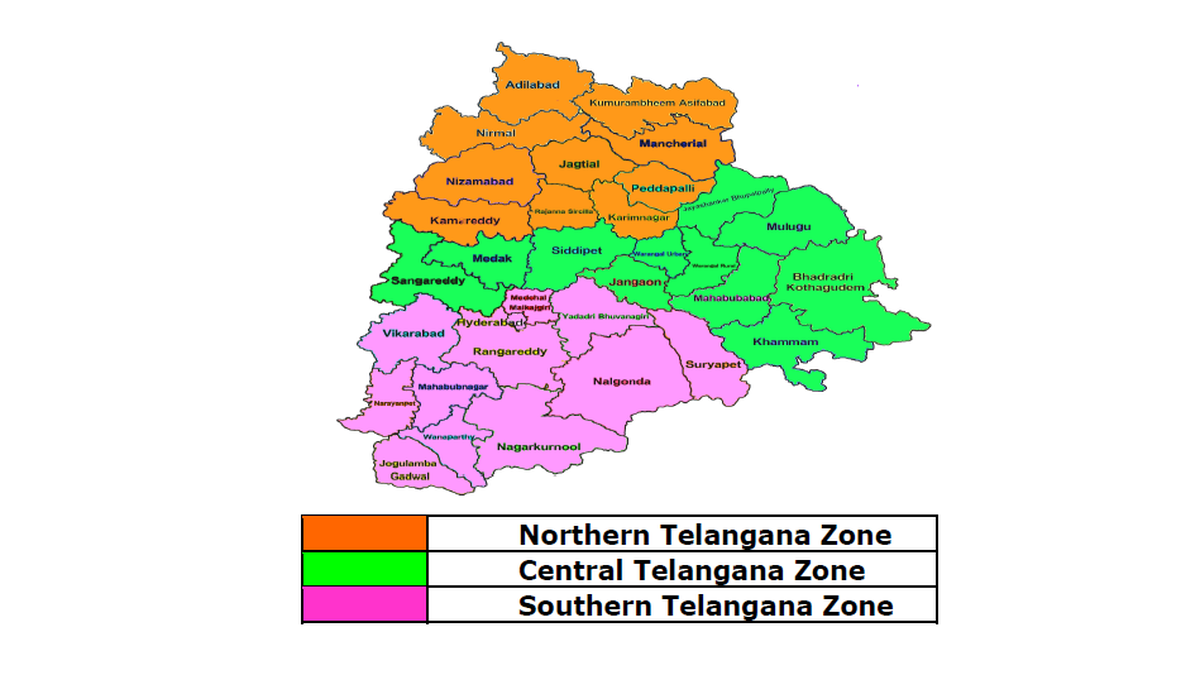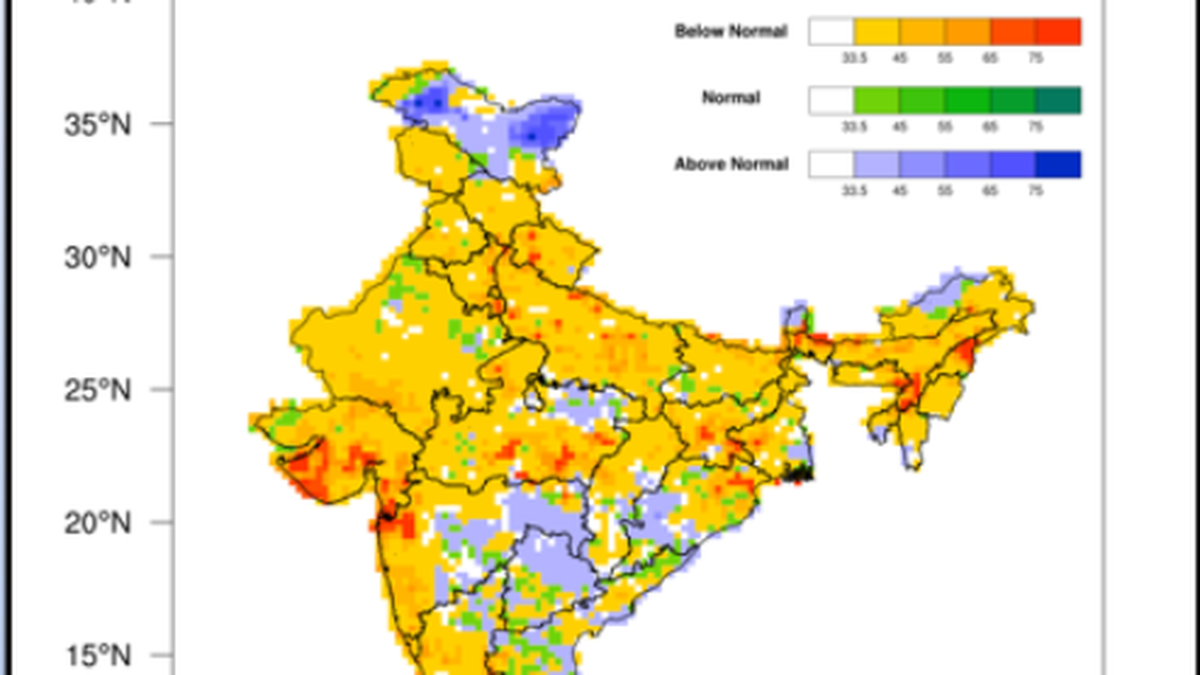
Only five districts in Telangana received normal rainfall from June 1 to July 14, 2026. While 27 districts received deficit rainfall, one district was in a ‘large deficit’ category. The ground water levels in 18 districts fell in June, 2026, compared to the corresponding month of the previous year and they are predicted to plummet further with 30% rainfall till August, 2026. Citing the deficit rainfall, groundwater levels, low reservoir levels and predicted impact of El Niño on Telangana, the ‘El Niño Contingency Plan Vanakalam 2026’, released by State Agriculture Minister Tummala Nageswara Rao on Thursday (July 16, 2026), lists some critical suggestions to the farmers. What should farmers do in El Niño conditions?Farmers in the State were urged to opt for less water-intensive crops, avoid expanding the area under water-intensive crops, and opt for short duration and drought tolerant crops varieties. They were also requested to harvest rain water and regularly monitor weather forecasts and advisories issued by India Meteorological Department and State government. Key information in Telangana’s Contingency PlanBesides the concerning observations on key resources (water and rainfall) needed for key crops the State farmers rely on, the document suggests contingency crops for each of the districts, management practices for major crops to mitigate impact of El Niño and advisory to farmers. The contingency plans were jointly developed by the Department of Agriculture, ICAR-CRIDA, and the State Agricultural UniversitiesSW monsoon contributes to 80% annual precipitationAs per the document, agriculture in Telangana is highly dependent on the performance of the southwest monsoon, particularly in rainfed areas where crop productivity is closely linked to the timely onset, distribution, and quantity of rainfall. “The southwest monsoon is the principal source of rainfall over Telangana, contributing nearly 80% of the annual precipitation,” it states.Impact of El Niño“Climate variability, especially during El Niño years, often results in delayed onset of monsoon, prolonged dry spells, uneven rainfall distribution, early withdrawal of monsoon, or episodes of intense rainfall, adversely affecting crop establishment and productivity,” as per the document. The State is expected to receive normal to slightly below-normal rainfall overall. Considerable spatial variability is anticipated, with below-normal rainfall likely in parts of the northern and southern Telangana zones.Critical factors to minimise impactTo bring down the impact of the climate-related risks and ensure sustainable agri production during the ongoing vanakalam (Khariff) season in view of the expected rainfall variability and intermittent dry spells, the document states that district-specific contingency crop planning, promotion of short-duration and drought-tolerant crops, crop diversification towards pulses, oilseeds and mil-lets, efficient water management, soil moisture conservation, and timely advisories based on IMD weather forecasts are critical.Storage position concerningExpressing concern over the present storage position in reservoirs across the State, it stated that majority of the major, medium, and minor irrigation reservoirs are presently at, or very close to, their Minimum Draw Down Level (MDDL).Sufficient for drinking water supply, constrained for irrigation“In Godavari basin all major and medium reservoirs are having only 27.69 TMC utilizable storage and in Krishna basin all projects are having only 14.81 TMC utilizable storage. At these storage levels, the available live storage is limited and is sufficient primarily to meet essential requirements such as drinking water supply. Consequently, the scope for providing irrigation releases from many reservoirs is severely constrained unless substantial inflows are received during the remaining monsoon period,” it states.
Ground water levels fall in 18 districts; Telangana releases agriculture contingency plan for Vanakalam 2026
Telangana faces groundwater decline in 18 districts; Telangana's agriculture contingency plan advises farmers to adopt drought-resistant crops for Vanakalam 2026.
554 words~3 min read