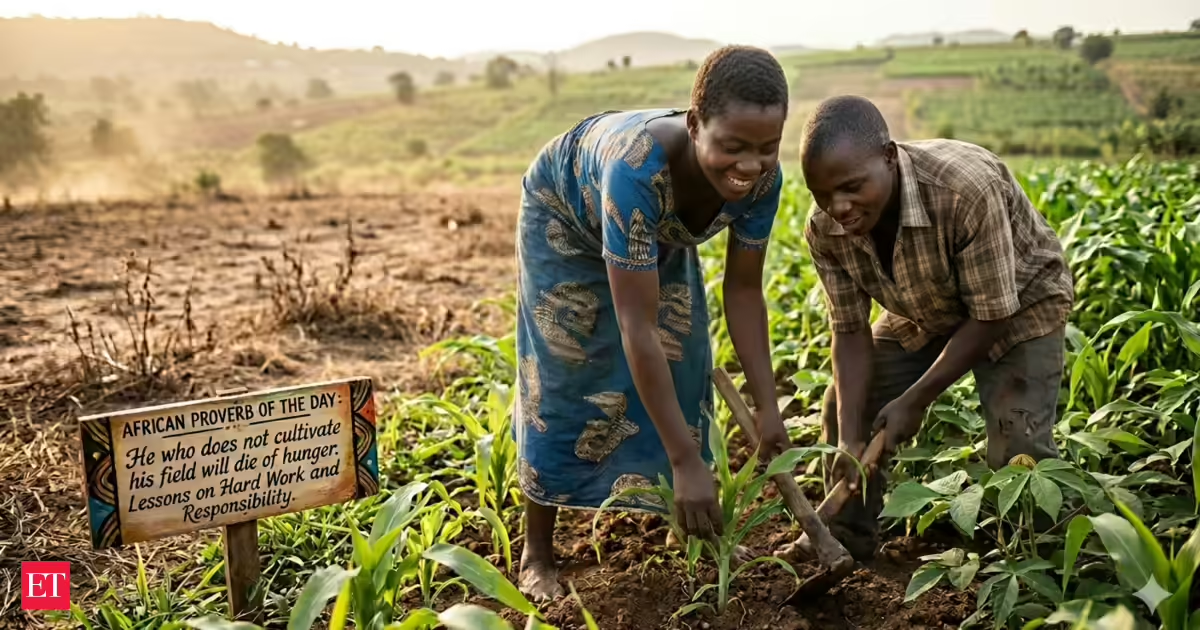
African Proverb of the Day highlights a traditional saying that reflects the importance of personal growth, self-reliance, and taking responsibility for one's own journey through life. The proverb, “No matter how tall your grandfather is, you have to do your own growing,” offers insight into the idea that while family, mentors, and previous generations can provide guidance, opportunities, and support, no one can achieve personal success or development on another person's behalf. Many people turn to such proverbs for practical wisdom that applies across different stages of life. Rooted in cultural observation and passed down through generations, these sayings continue to inspire people to embrace hard work, build their own character, and create a legacy through their own efforts rather than relying solely on the achievements of others.African Proverb of the Day — Why success is earned, not inherited. “No matter how tall your grandfather is, you have to do your own growing”African Proverb of the Day highlights a timeless idea about personal growth, self-reliance, and the responsibility each individual has for shaping their own future.The first part of the proverb, “No matter how tall your grandfather is,” symbolizes the achievements, wisdom, influence, or status of previous generations. It acknowledges that people may inherit opportunities, guidance, or a strong family legacy, but these advantages are only a starting point. They cannot replace personal effort or determine an individual's success.The second part, “you have to do your own growing,” emphasizes that growth is a personal journey. Whether it involves education, career, character, or emotional maturity, no one else can learn, improve, or overcome challenges on your behalf. Real progress comes from taking responsibility, working consistently, and gaining experience through your own actions.Together, the proverb teaches that while family, mentors, and role models can provide support and inspiration, they cannot live your life for you. Lasting success and personal fulfillment come from embracing responsibility, developing your own abilities, and creating a path that reflects your own dedication and perseverance.Why you must stand on your own feetStanding on your own feet is one of the most valuable skills you can develop because true confidence and success come from personal effort, not dependence on others. While family, friends, and mentors can provide encouragement, advice, and opportunities, they cannot make your decisions or achieve your goals for you. This African proverb reminds us that independence is built through learning, perseverance, and taking responsibility for our actions. Every challenge you face teaches resilience, and every accomplishment earned through hard work strengthens your character. Relying too heavily on someone else's achievements may provide temporary comfort, but lasting fulfillment comes from creating your own path. By trusting your abilities, embracing continuous growth, and accepting responsibility for your future, you build a life defined by your own purpose, achievements, and integrity.Life lessons from the proverbThe proverb carries practical lessons about self-growth, responsibility, and the importance of building a life through personal effort rather than relying on the achievements of others.1. Your success depends on your own efforts Family background, privilege, or connections may create opportunities, but lasting success comes from your own hard work, determination, and willingness to grow.2. Learn from others, but build your own path Parents, grandparents, teachers, and mentors can offer valuable guidance, but every individual must gain experience, make decisions, and overcome challenges independently.3. Personal growth is a lifelong journey Developing knowledge, character, confidence, and resilience takes time. No one can grow emotionally, intellectually, or professionally on your behalf.4. Create your own legacy Honoring the accomplishments of previous generations is important, but every person has the opportunity—and responsibility—to contribute something meaningful through their own actions and achievements.Why this proverb is still relevant todayIn modern life, this proverb extends beyond family heritage and inherited success. It applies to education, careers, entrepreneurship, and personal development, where opportunities may be influenced by one's background, but achievement ultimately depends on individual effort. While some people begin with greater advantages than others, everyone must develop their own skills, make their own decisions, and learn from their own experiences.The proverb encourages self-reliance, perseverance, and continuous learning. It reminds us that mentors, parents, and role models can offer guidance, but they cannot do the work on our behalf. Whether building a career, pursuing higher education, or overcoming personal challenges, genuine growth comes through consistent effort and resilience. Ultimately, it teaches a timeless truth: the foundation laid by previous generations is valuable, but every person must take responsibility for creating their own future.English equivalent and related expressionsOther English expressions that reflect similar thinking include:“God helps those who help themselves.”“Every man is the architect of his own fortune.”“You can lead a horse to water, but you can't make it drink.”You reap what you sow.Each of these emphasizes that while support and opportunities may come from others, personal growth, success, and achievement ultimately depend on one's own actions, determination, and willingness to learn.
African Proverb of the Day: “No matter how tall your grandfather is, you...— Life lessons on independence, hard work, perseverance, personal growth and why no one can do your homework for you
African Proverb of the Day highlights the meaning of “No matter how tall your grandfather is, you have to do your own growing.” The saying emphasizes that while family, mentors, and past generations can provide guidance, opportunities, and inspiration, personal growth is ultimately an individual responsibility. It reminds us that success, wisdom, and character cannot be inherited—they are earned through our own efforts, choices, and perseverance.
808 words~4 min read