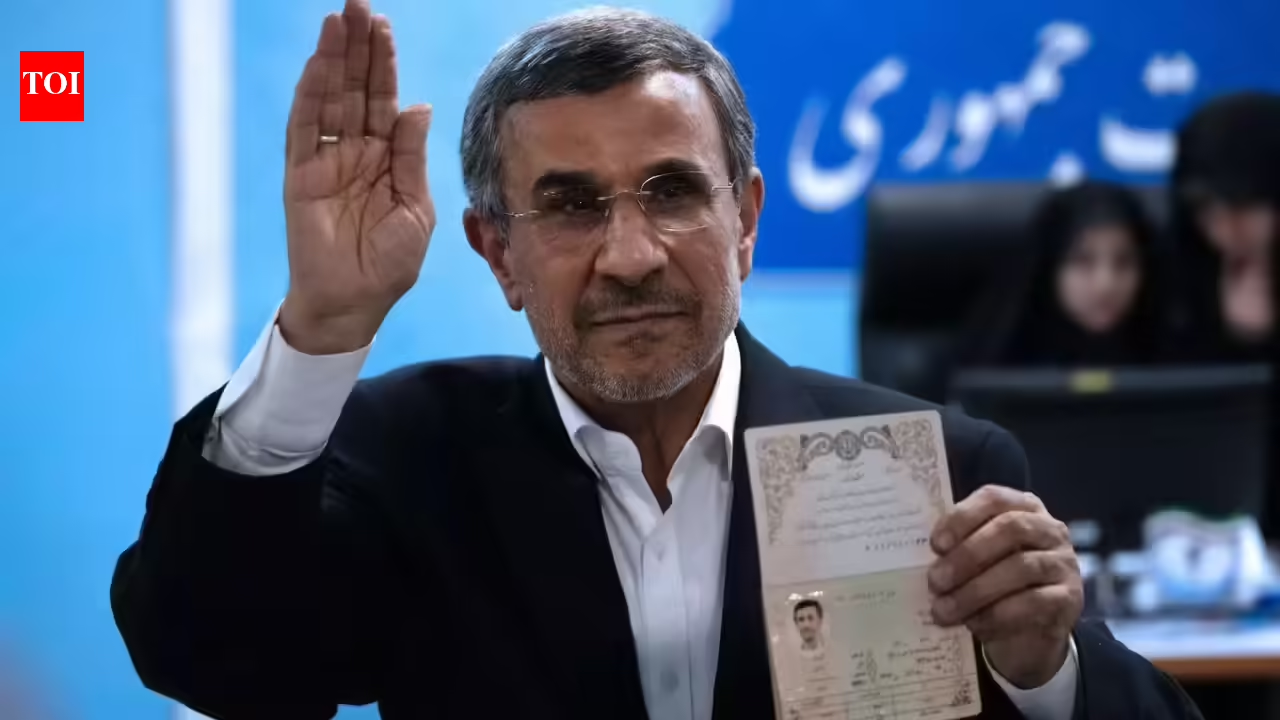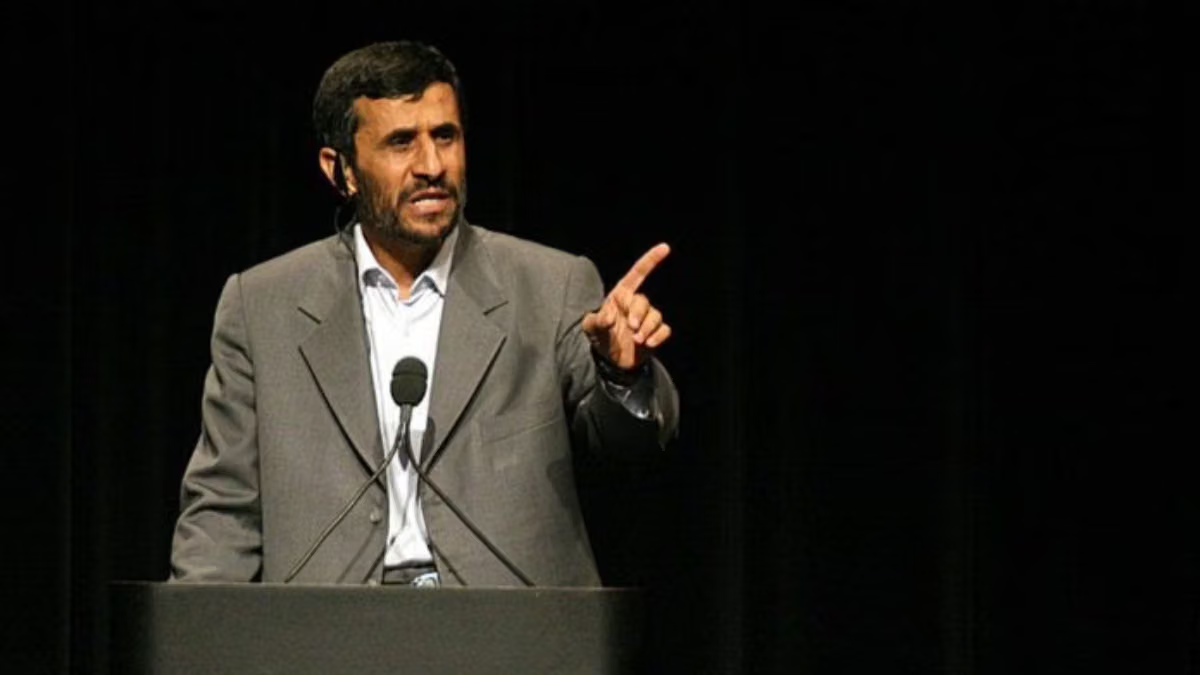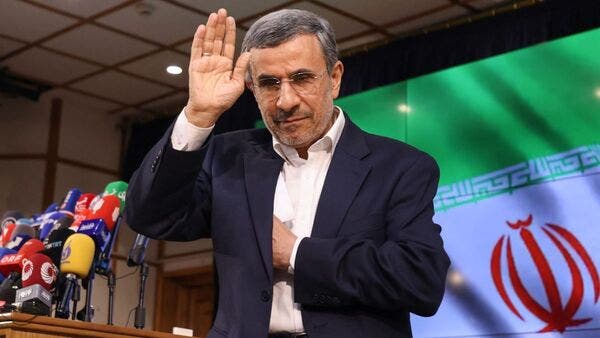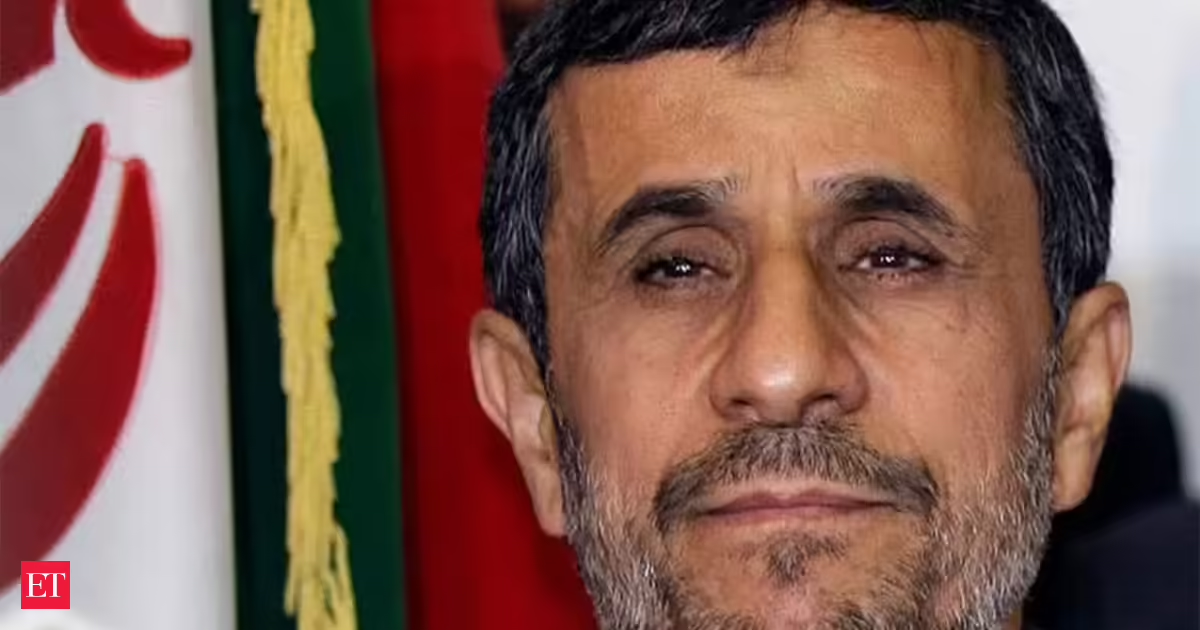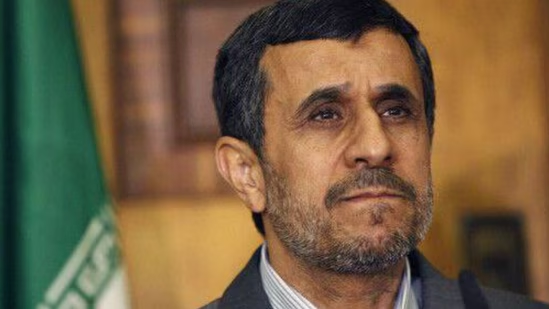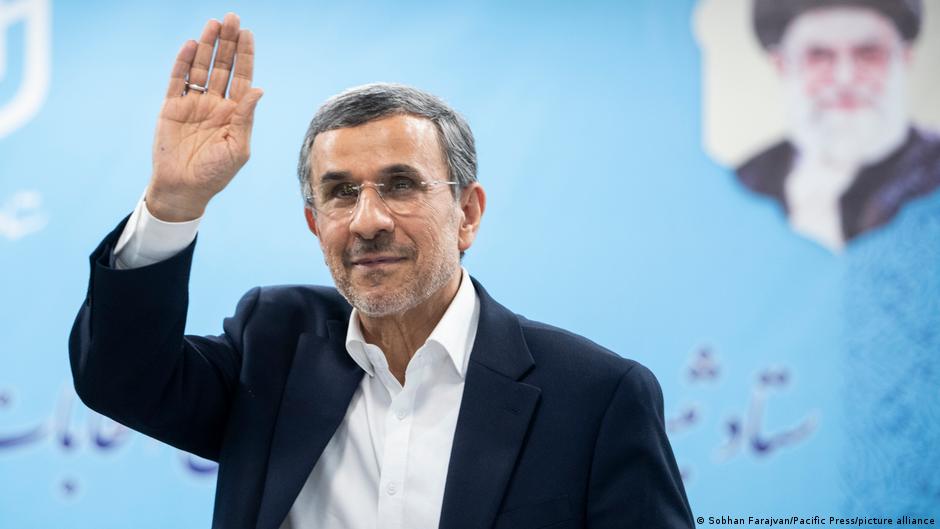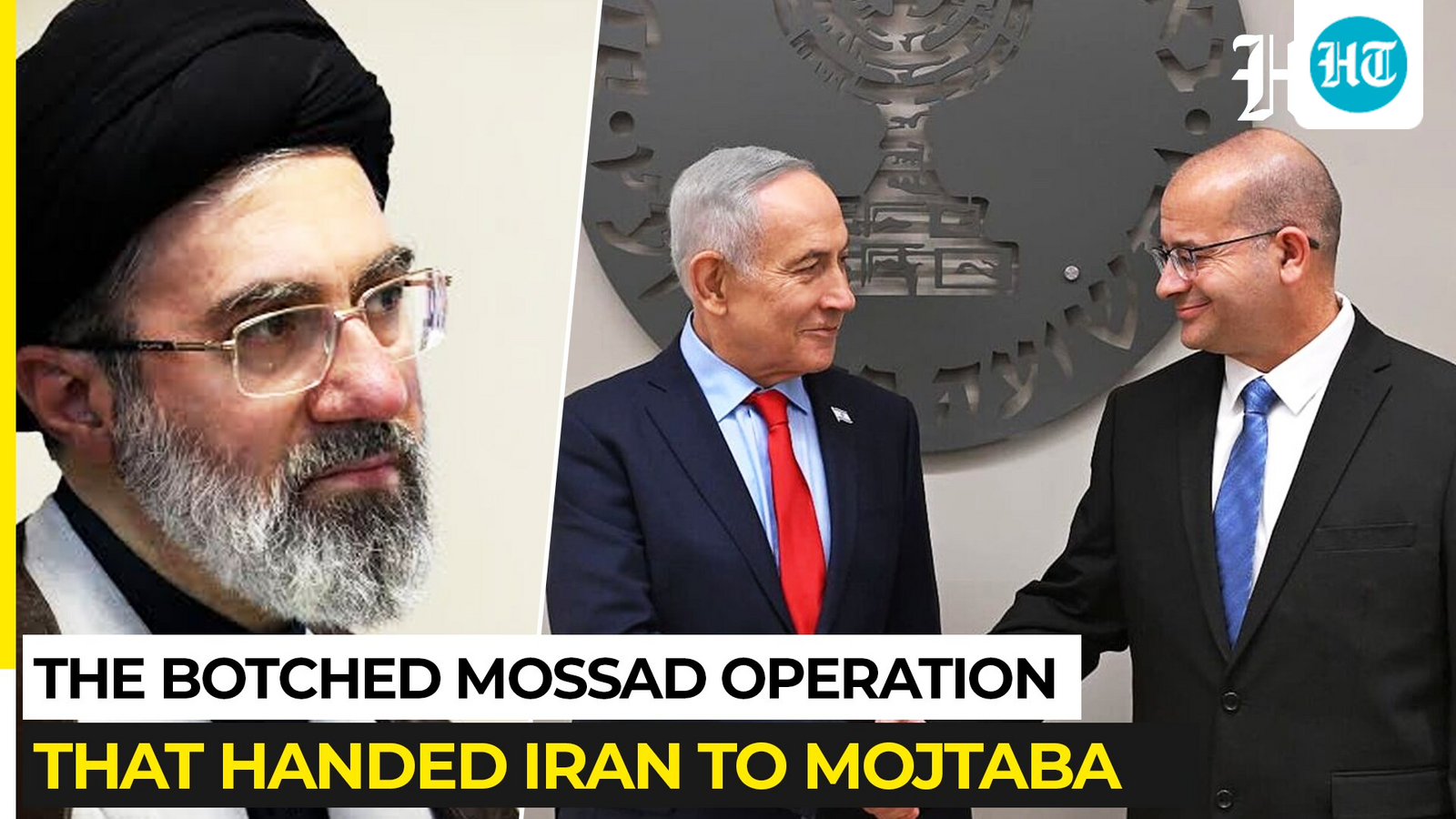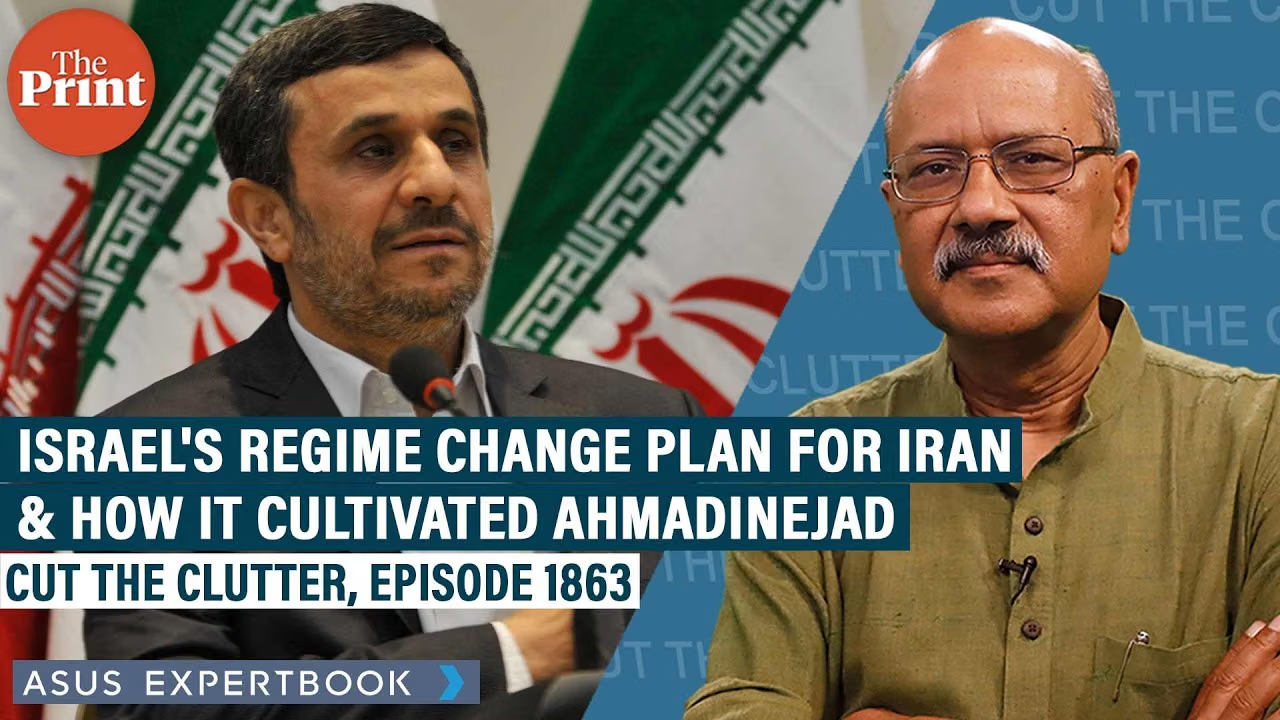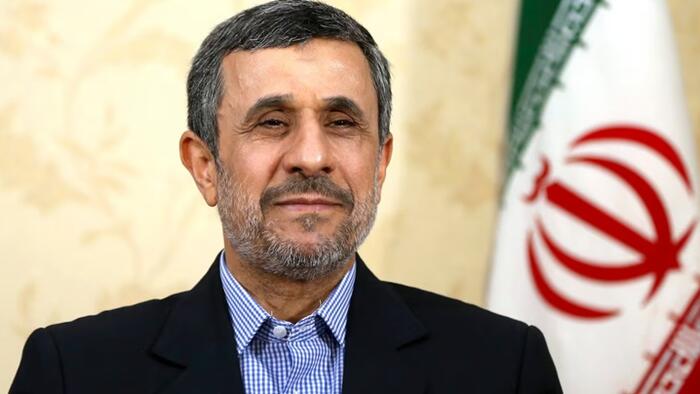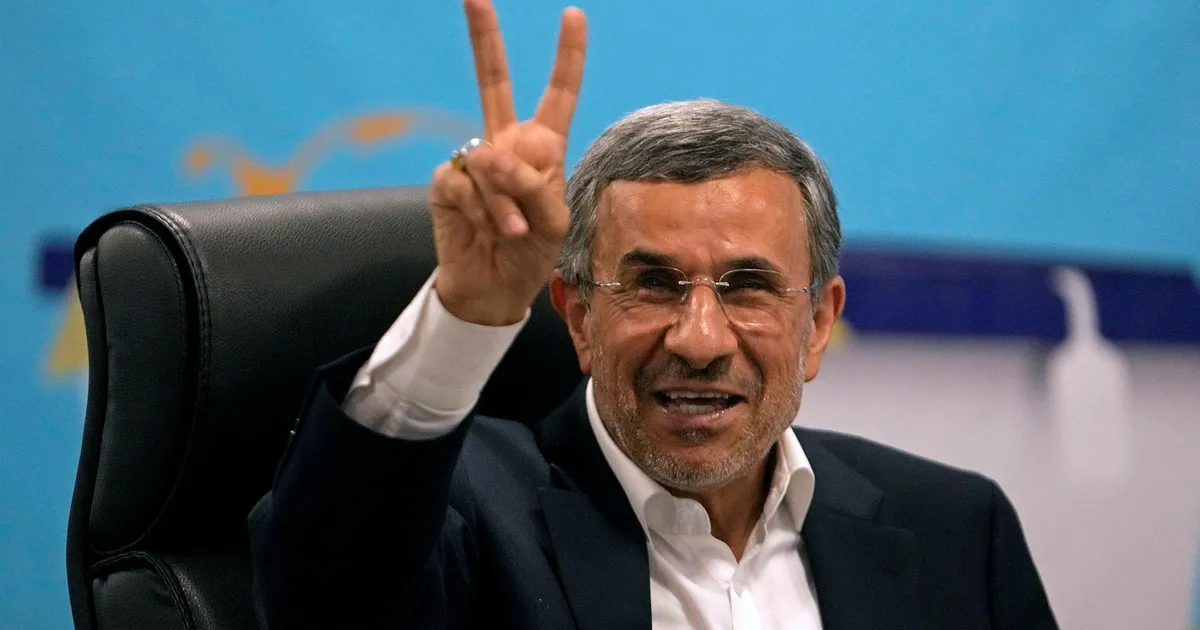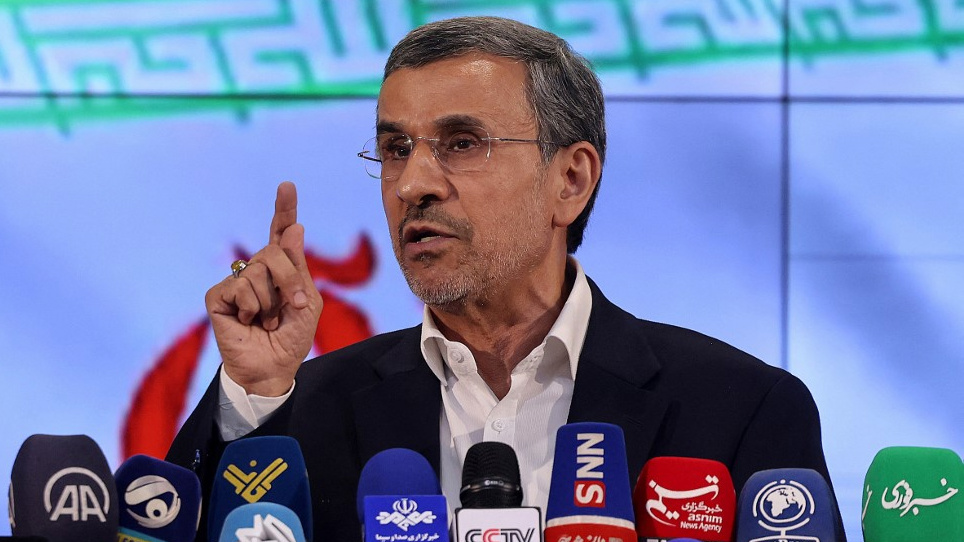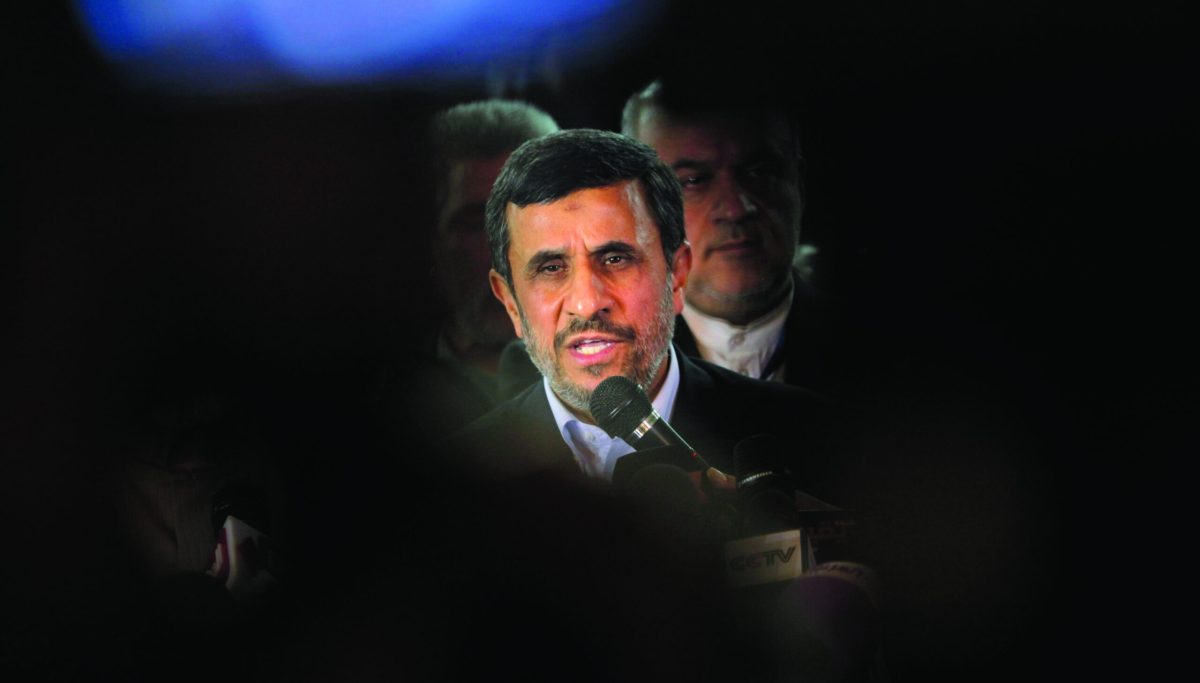
On Monday, the New York Times reported that Israel spent years trying to recruit former Iranian President Mahmoud Ahmadinejad — secret meetings in Budapest, financed travel, a personal sit-down with the Mossad chief, and a failed plan to extract him from Tehran on the first day of the war and install him as the face of a new regime.Ahmadinejad’s office called it completely false. Israeli intelligence veterans called it implausible. One of them said the most useful thing anyone has said about the entire affair: the motive for the disclosure matters more than the disclosure itself.He is right. And the motive is not hard to find.
WHY IS IRAN SUDDENLY DESPERATE TO KILL TRUMP?Ahmadinejad is an unlikely centerpiece for any of it — a Holocaust-denying hardliner who spent his presidency calling for Israel’s destruction, and who in recent years turned on Iran’s clerical establishment, was disqualified from running again, and surfaced only briefly last week at Khamenei’s funeral. That estrangement is precisely what makes him useful to the story, whether or not the story is true.The purpose of a leak
Operations of this sensitivity rarely reach the front page without someone deciding the disclosure serves a purpose. A years-long effort involving a former head of state, a sitting foreign government, and a European university does not surface in the New York Times because a reporter got lucky. It surfaces because someone let it.The question is not whether the story is true. For the purpose it serves, that barely matters. The question is what the story does to the people who read it inside Iran.Consider the position of a senior Iranian official this week. He now knows — or believes he knows — that one of the most recognizable figures in the Islamic Republic, a two-term president, spent years meeting Israeli intelligence in Budapest. He cannot verify it. He cannot disprove it. He can only look around the table and wonder who else.That is the weapon. Not the recruitment. The doubt.Doubt is cheaper than a bomb