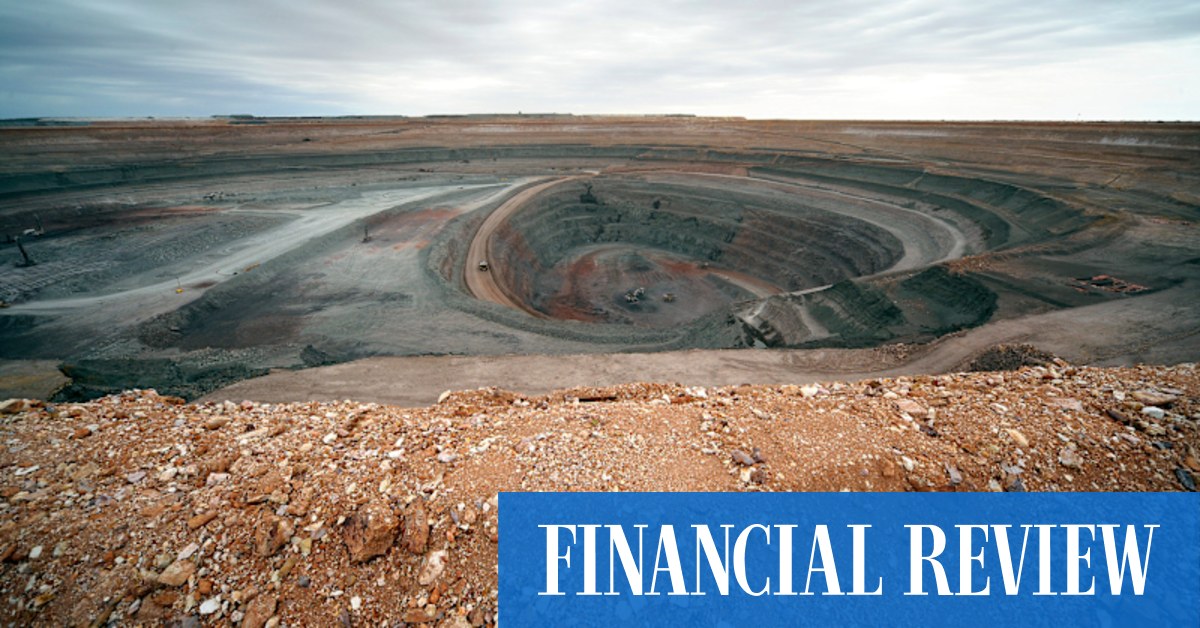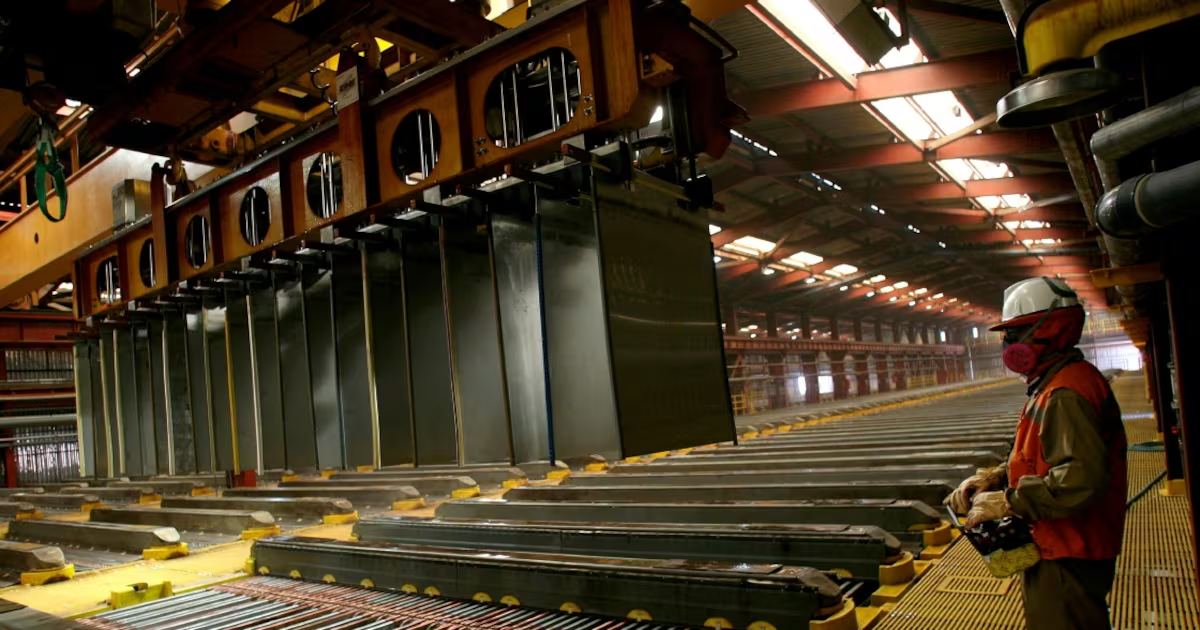
BHP is bracing for a decline in copper grades across its South American mines, which will see annual production of the metal fall 7%-15% in the next year.Shares in the miner fell by more than 2.5% in morning trading, extending a 6.2% decline over the past month as the forecast added to fears that geopolitical tension in the Middle East could hurt demand for copper in the coming months, narrowing profit margins for the world’s largest listed miner.BHP produced 1.95-million tonnes of copper in the year to end-June, down 3% from the previous 12 months, the group said in an operational update on Thursday.(Dorothy Kgosi) In the current financial year, production is expected to fall to between 1.65-million and 1.8-million thanks primarily to lower forecast grades at the Chilean Escondida mine.The operational headwinds come as BHP has placed copper at the centre of its growth strategy, betting on the metal’s role in the global transition to renewable energy, electric vehicles and AI.In recent months, the Big Australian has taken significant steps to boost executive oversight of its copper mines, including by splitting its “Americas head” role into two separate positions that oversee North America and South America separately.Meanwhile, Brandon Craig, the former head of the Americas region, has taken over the reins as CEO this month, bringing more South American tenure to the top job.The biggest asset in BHP’s copper profile is Escondida, in which it holds a 57.5% stake. It is the biggest copper mine in the world, producing about 1-million tonnes a year and responsible for about 6% of global supply.In recent months, however, inflation concerns have spooked some copper investors. Markets are increasingly anxious about cooling demand for industrial commodities as the Iran war threatens to keep prices elevated and force central banks to hike rates.This would discourage investment in new mining projects and squeeze demand for copper, which is used primarily in construction and large infrastructure projects.Inflation from geopolitical tension and tariffs last year has also dealt a $2bn blow to funding costs at the group’s Canadian potash project, which is expected to start producing crop nutrients next year.The group will recognise a hefty $2.3bn impairment on the project when it publishes annual results — more than half the company’s annual revenue for the latest financial year.Craig reassured investors on Thursday that the group continues to see strength in the US and Chinese economies, “even as the global economy adjusts to evolving trade dynamics”.“We remain confident in the demand for our core commodities, supported by the long-term trends shaping the world, including industrialisation, urbanisation, digitalisation, the energy transition, population growth and food security.”Business Day
BHP flags significant drop in copper output
Shares slide as investors weigh geopolitical risks and operational headwinds
438 words~2 min read