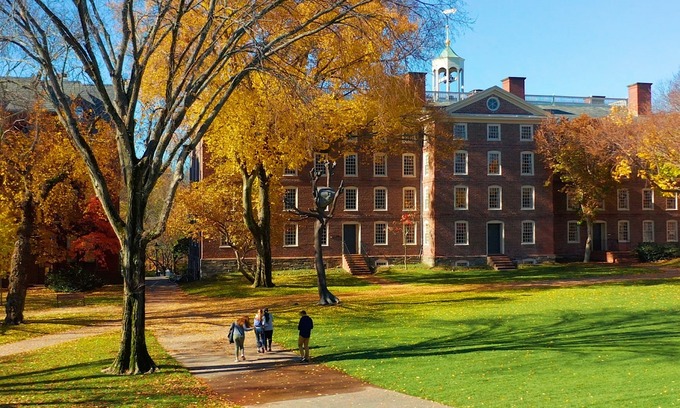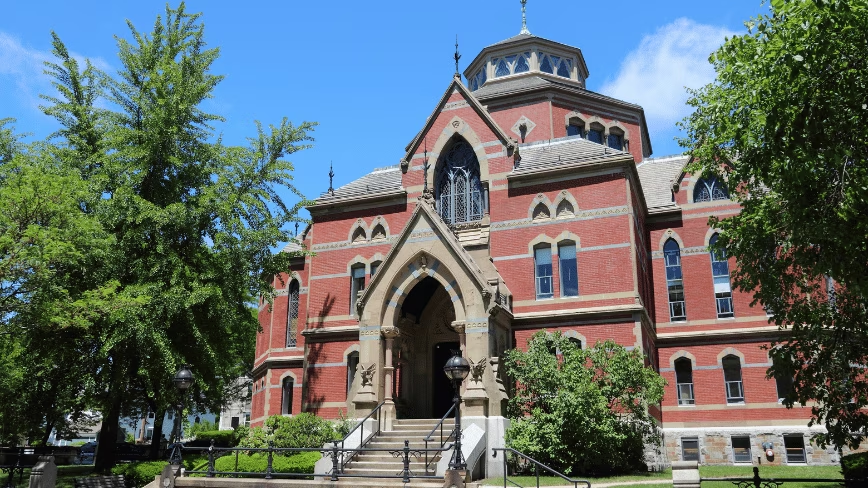
It's a startling case sparking chatter in academic circles.After a deadly on-campus shooting last December, a professor switched to take-home exams for the first time, hoping to alleviate stress for his students. Roberto Serrano's advanced undergraduate economics course's typically small enrollment skyrocketed and students scored an average of 96 per cent on his mid-term — higher than any previous cohort, with nearly half earning a perfect score. Many submitted answers remarkably similar to what his marking assistants found after running the exam through ChatGPT.A suspicious Serrano flipped the final back to an in-person format and vowed to void the mid-term if those results prove inconsistent with the final. Enrollment dropped, with the remaining students scoring an average of 48 per cent on that last exam.Cheating is a perennial struggle for universities and colleges, yet amid rising student usage of generative AI, stories like the one out of Brown University are becoming more common — including in Canada, according to educators and post-secondary staffers.Work is needed from students, instructors and institutions alike, they say, to spell out what academic integrity means and emphasize its value in this moment of technological disruption. Is cheating on the rise?When gen AI and specifically ChatGPT burst onto the scene in 2022, there was a steep rise in referrals of students involved in academic misconduct to UBC Okanagan's Academic Integrity Matters (AIM) program. The program's work includes teaching students school policies and the importance of academic integrity, explained Rina Garcia Chua, who manages the program.Depending on the circumstances of an "academic integrity violation case or process, we are there as an intervention," she said from Kelowna, B.C. FRONT BURNERAI cheating runs wild on campus"Most are students who are confused. There's miscommunication. They're overwhelmed," she said, noting that most tend to be first-year students. After students complete a course, since updated to incorporate generative AI, "we have a one-on-one meeting with them ... and process all of these learnings together."Students involved in academic misconduct incidents are often first-year students, overwhelmed with school or confused about policies, said Rina Garcia Chua, academic integrity program manager at the University of British Columbia Okanagan campus. (Richelle Matas)Students who cheat are generally motivated by pressure, rationalization and opportunity, says Rahul Kumar, an associate professor of education at Brock University in St. Catharines, Ont., who researches academic integrity and AI. The rising student usage of gen AI is making that path easier to take than before, he said. Stressed over a difficult class or heavily weighted exam, for instance, a student may justify an AI shortcut having seen classmates already using it.WATCH | Students on how they're using AI — or why they're avoiding it:Is using AI in university cheating? We asked studentsOctober 20, 2025|Duration 2:10More Canadian students are turning to AI for schoolwork, but also worried about whether it's cheating and impacting their critical thinking.
A U.S. prof suspects most of his students used AI to cheat. It's a growing concern here, too | CBC News
A Brown University professor has gone public about what appears to be a large-scale case of cheating using generative AI. The case isn't uncommon, according to Canadian educators and academic integrity experts, with the issue require attention from students, profs and institutions.
1,241 words~6 min read