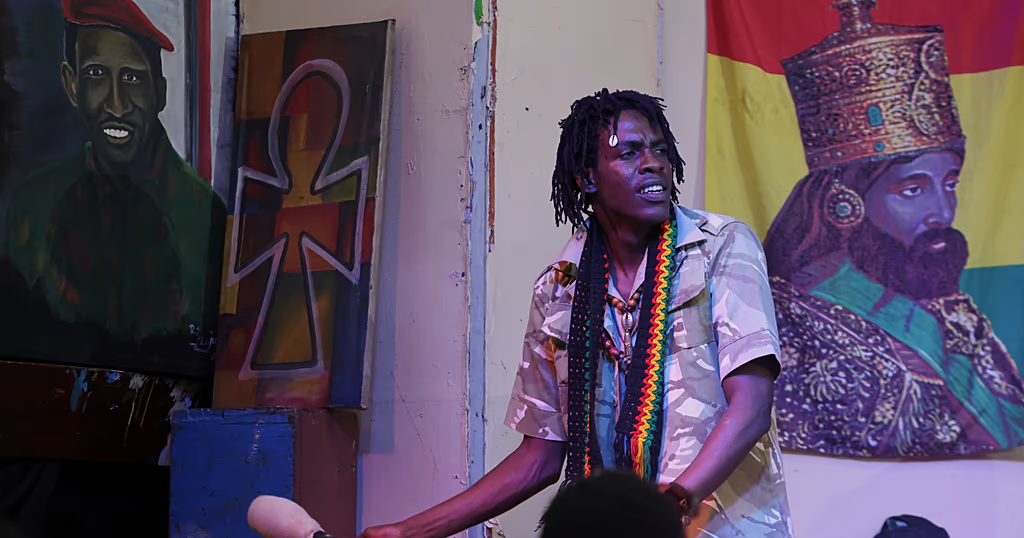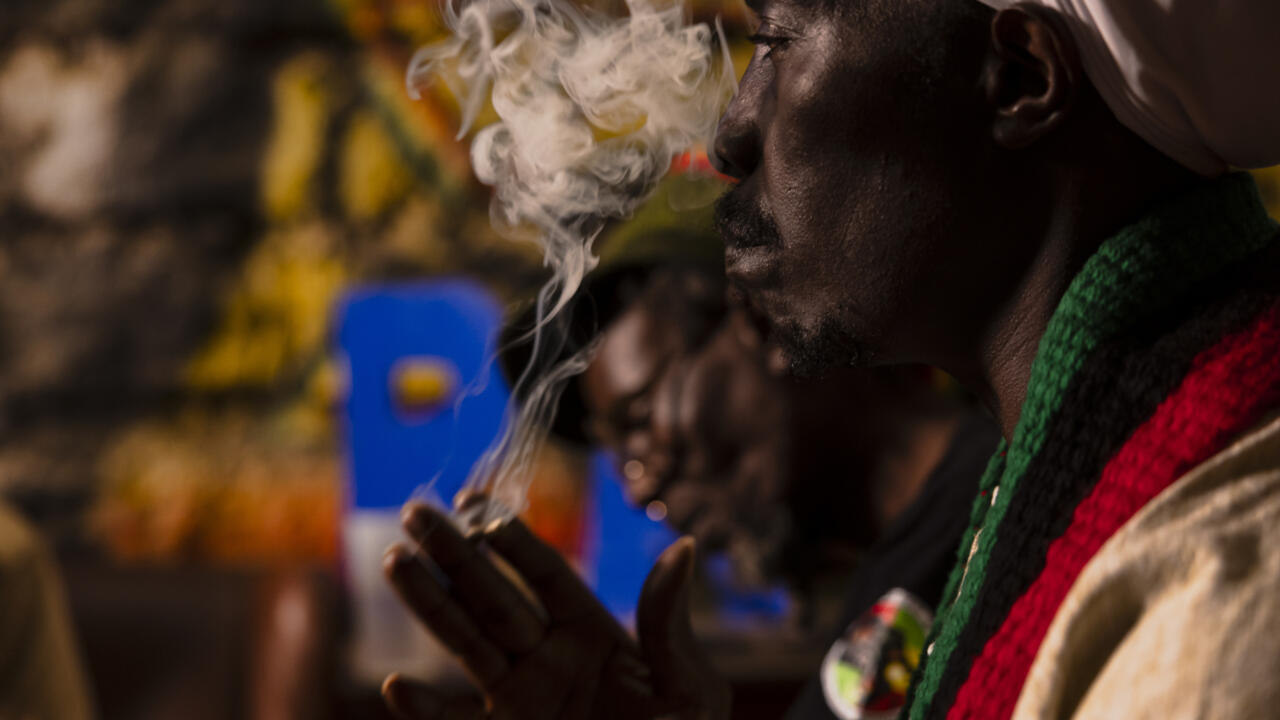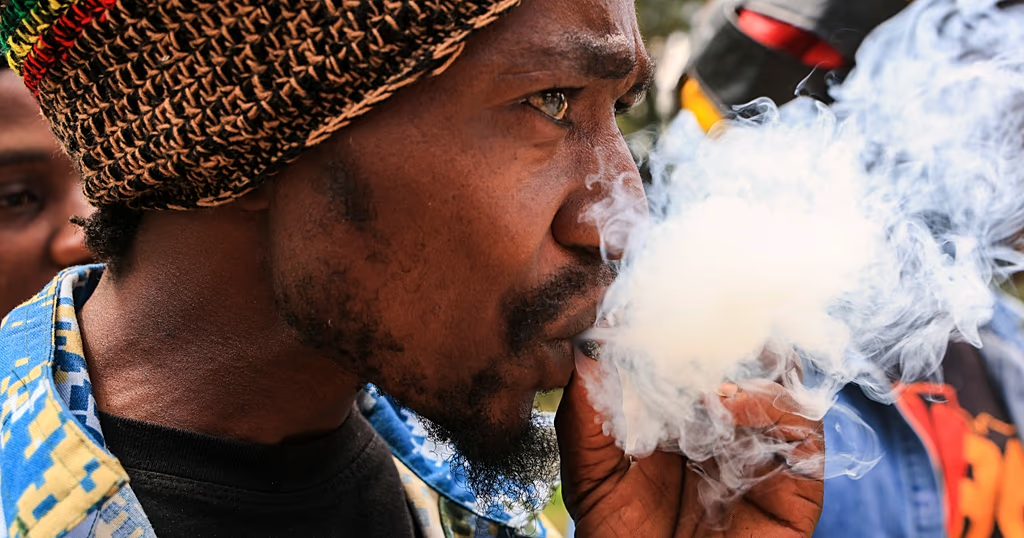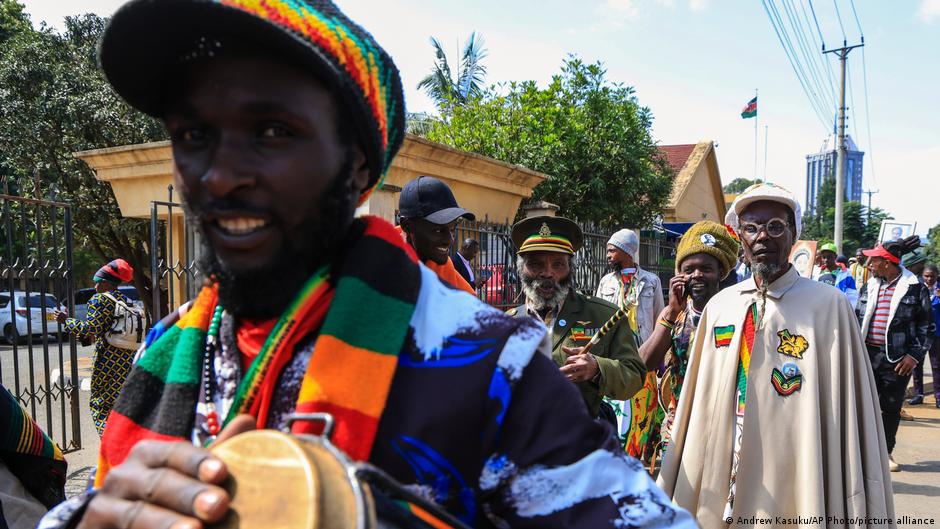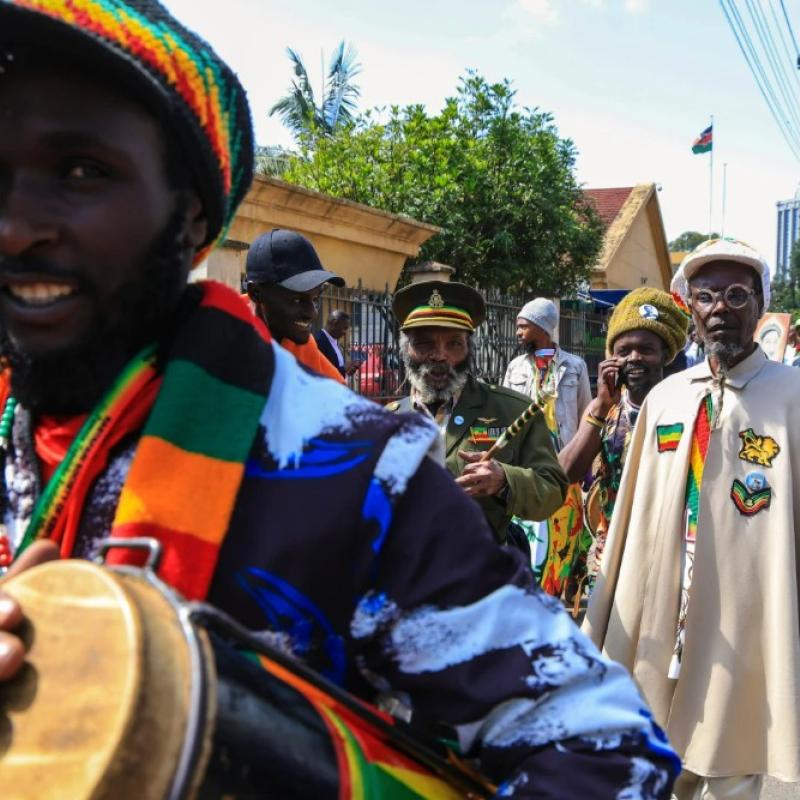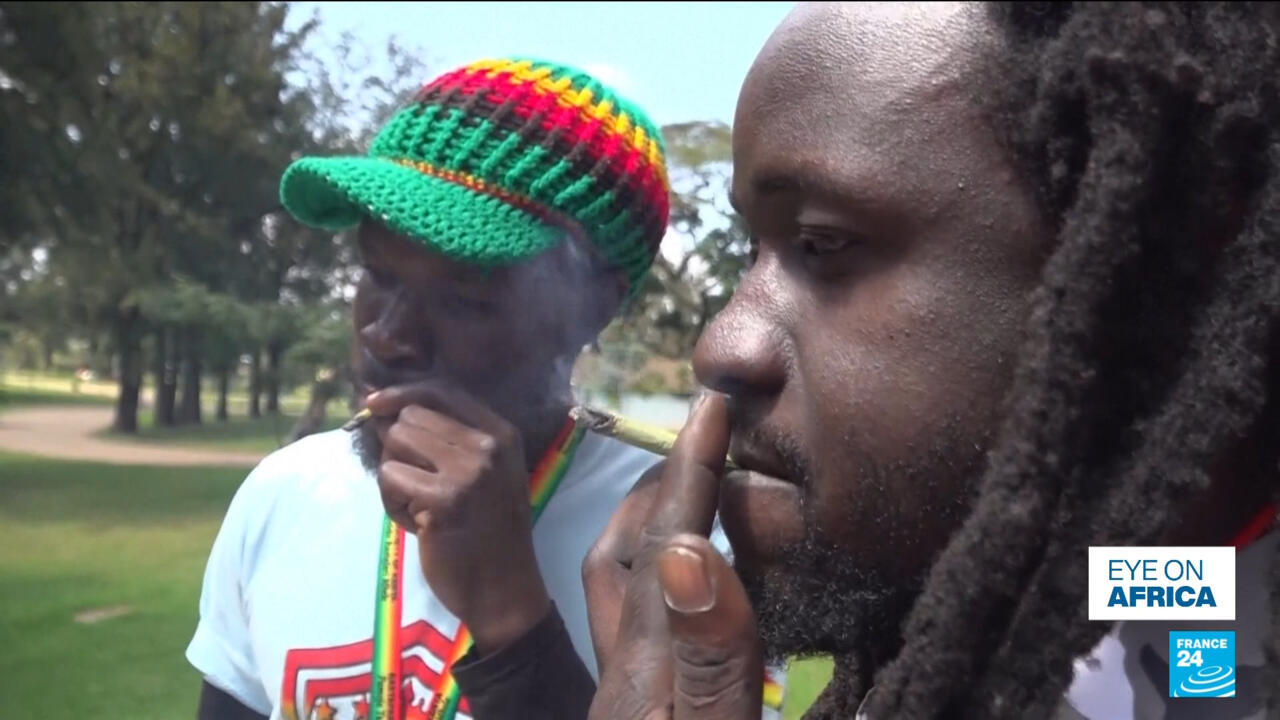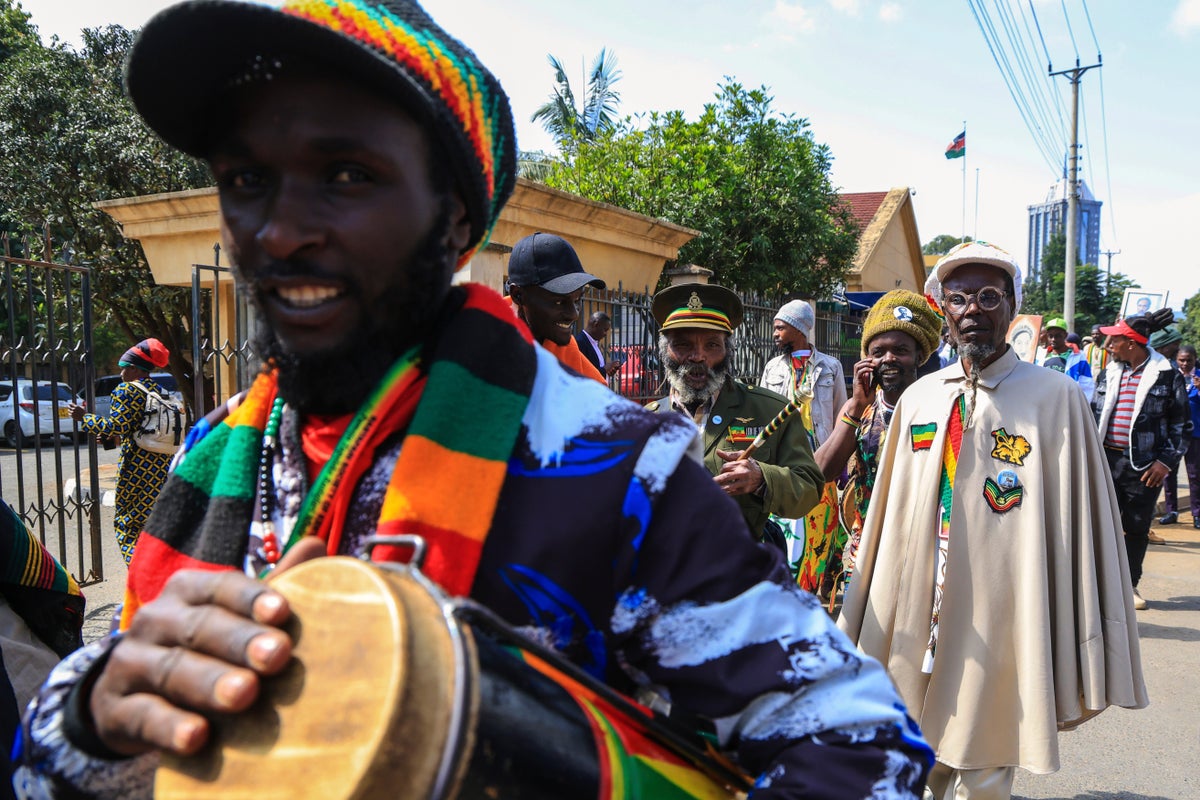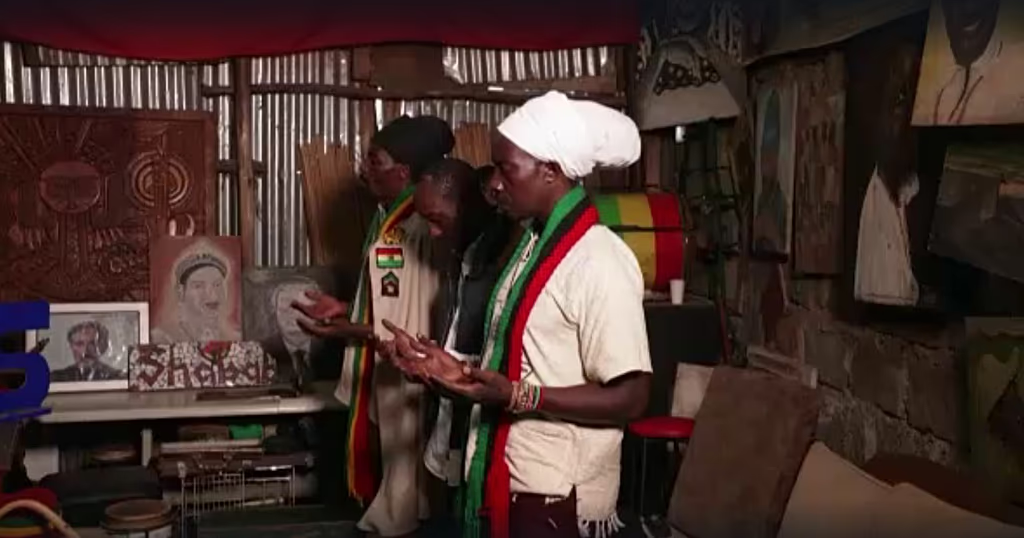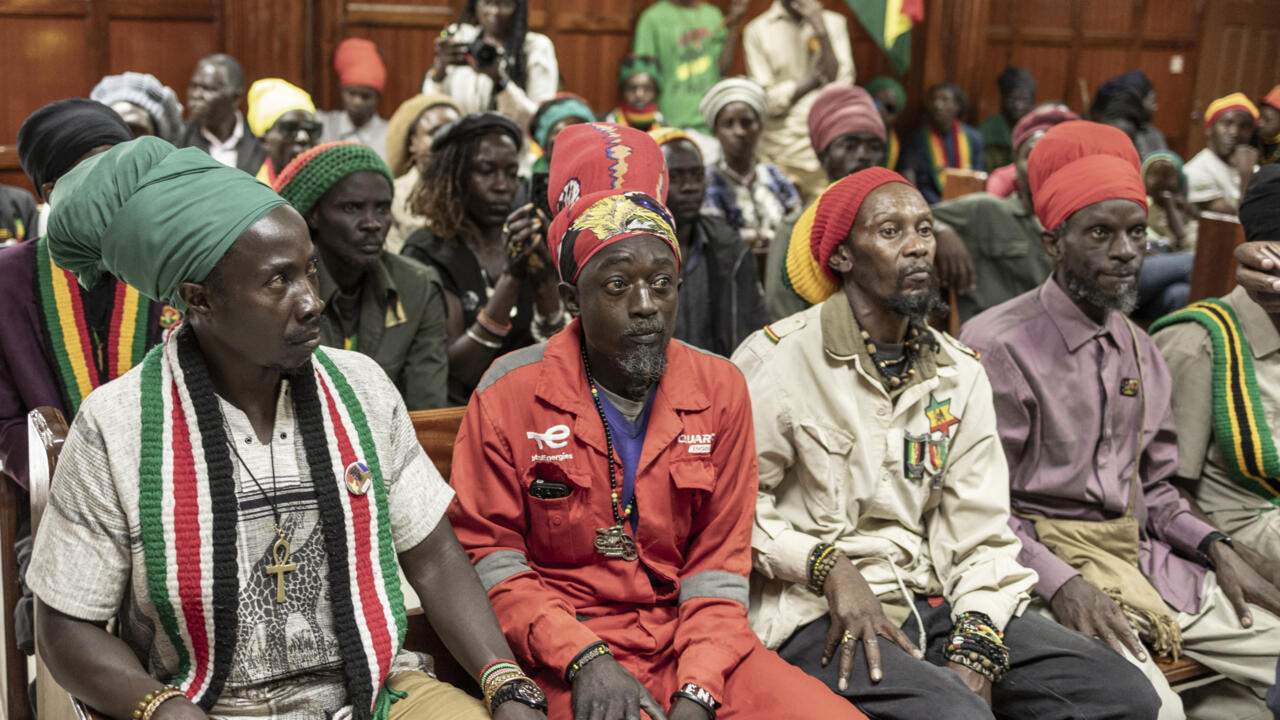
In a long-awaited ruling, Kenya's High Court has rejected a bid by Rastafarians to be allowed to smoke cannabis as part of their religious worship. But lawyers say the fight continues and the case has opened up debate on the country's drug laws and what constitutes religious freedom.
Members of the Rastafari Society of Kenya have been pushing Kenyan courts for nearly six years to let them use cannabis (bhang) as part of their religious meditation. In a petition launched in 2021 they argued that Kenya's ban on cannabis use infringed on their rights to freedom of religion and belief, guaranteed under the country's constitution. They did not advocate for the drug to be legalised, but requested a derogation for religious purposes in private homes and designated places of worship, arguing that cannabis is not a recreational drug but a sacred sacrament used to aid meditation and spiritual reflection. "It's a little like Communion in the Catholic faith," said lawyer Duncan Okatch during the hearing. "If other religions are allowed to practise their faith as they see fit and those practices are respected, then Rastafarians should be respected too." However, in a landmark judgment on Wednesday, Justice Bahati Mwamuye said the community had failed to show cannabis was a necessary part of their practice, meaning they could not bypass Kenya's drug laws. Under the Narcotic Drugs and Psychotropic Substances (Control) Act, possession of cannabis is a criminal offence, punishable by up to 10 years in prison and a large fine. Judge Bahati said the petition was "dismissed in its entirety".