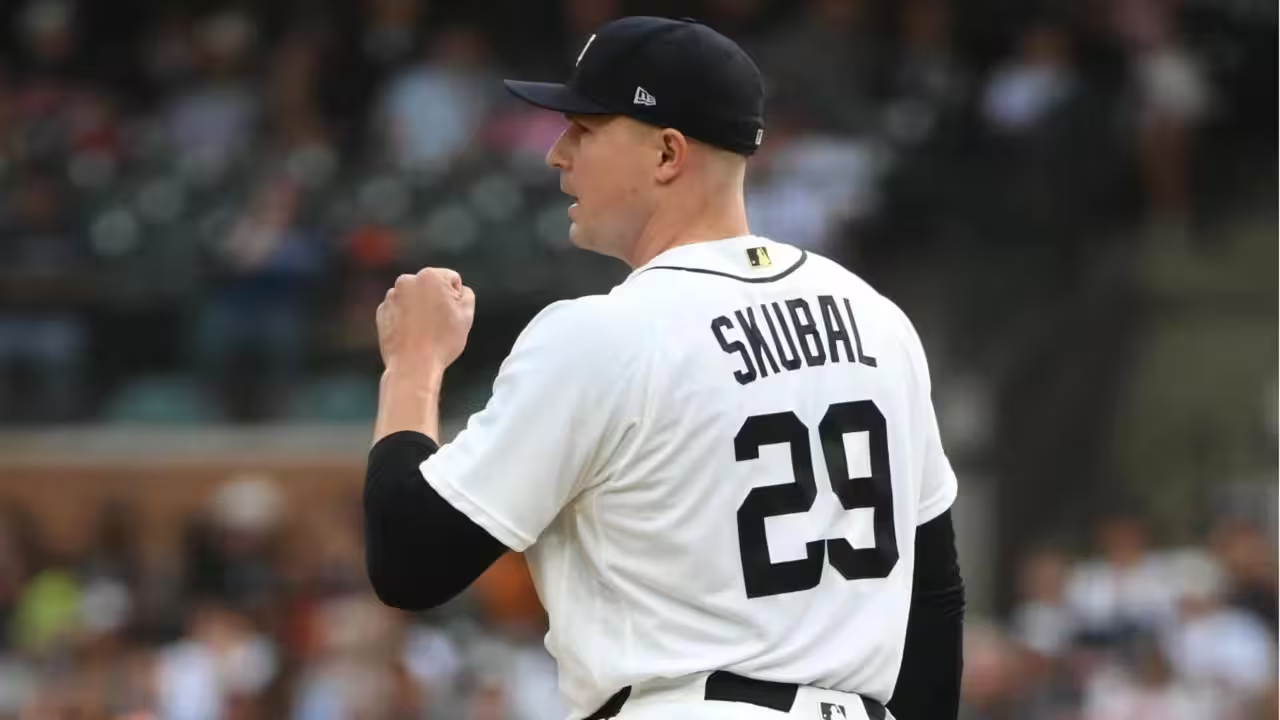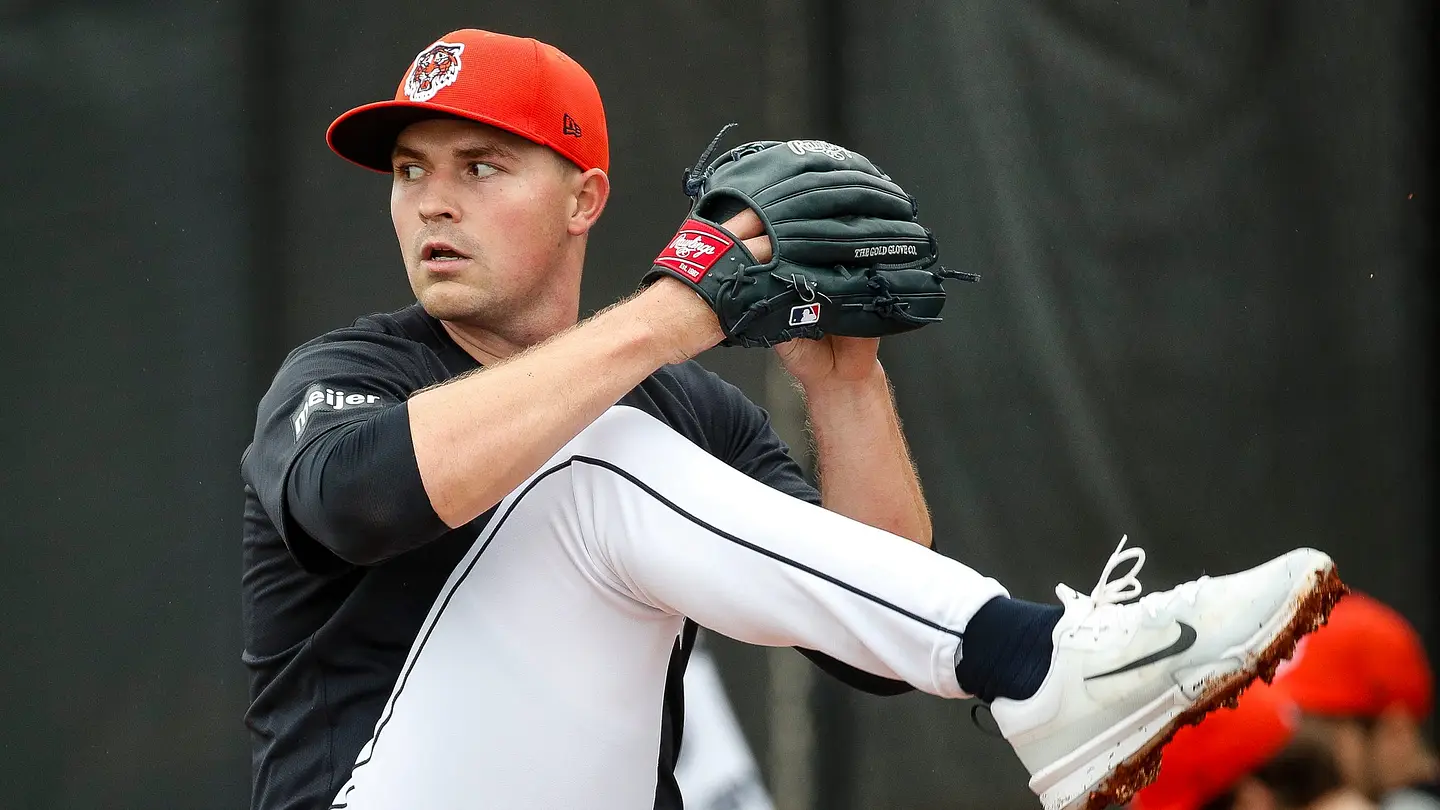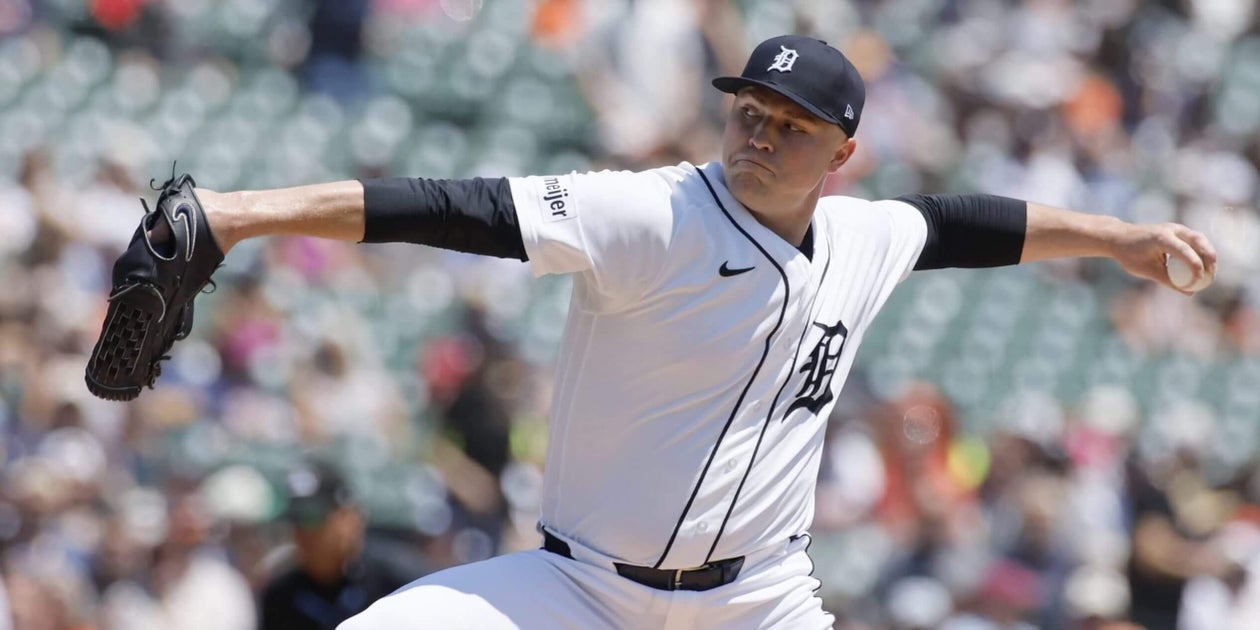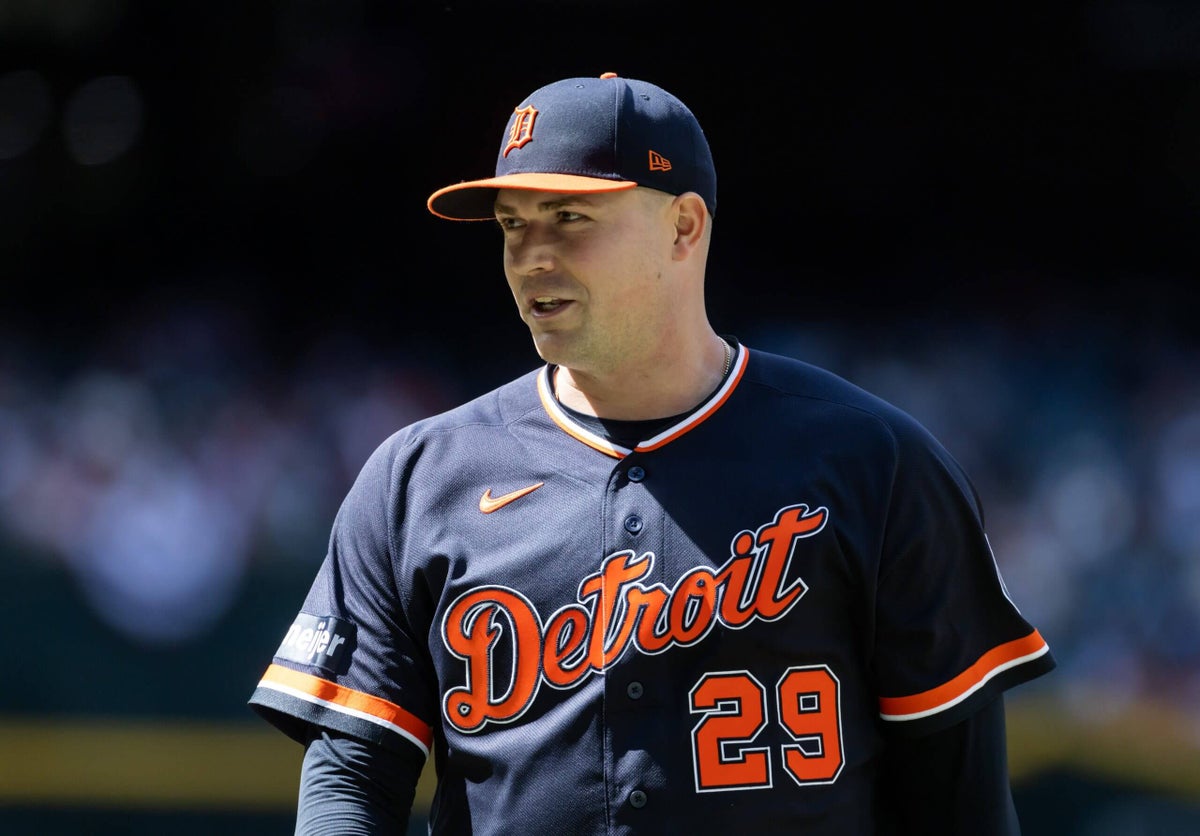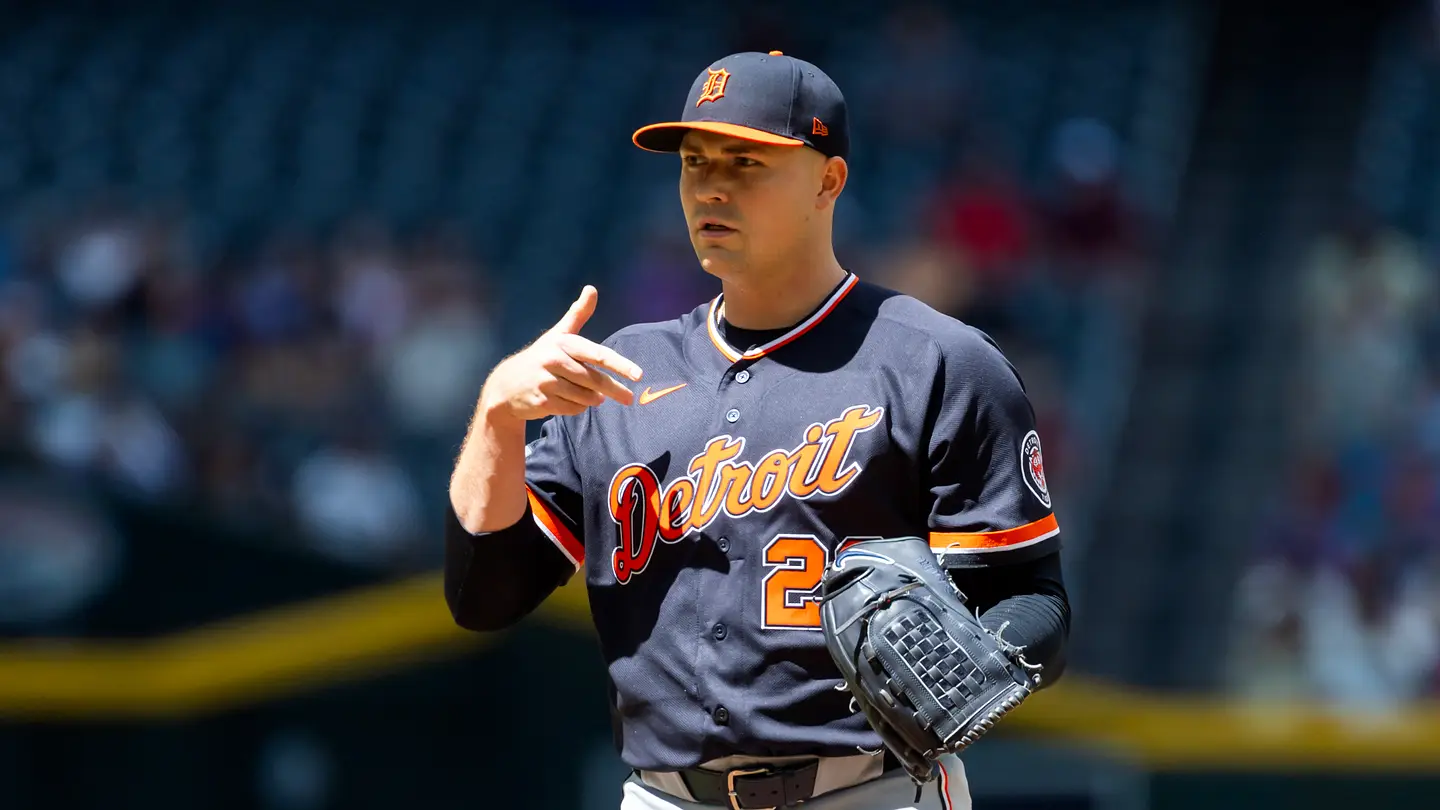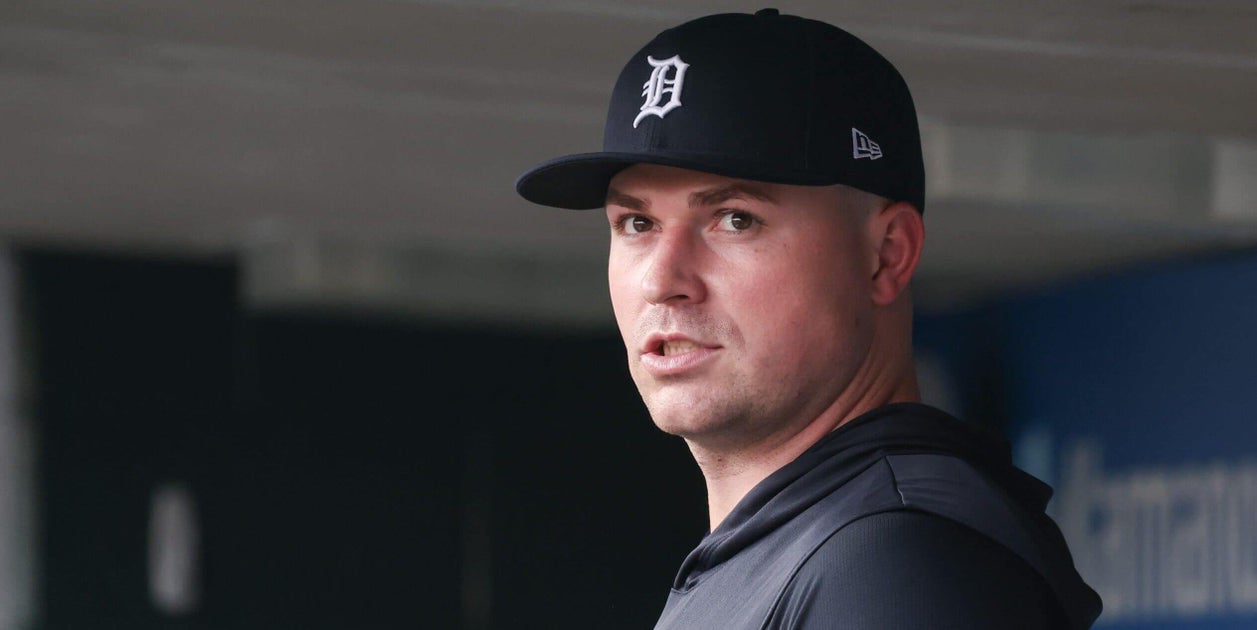
The trade deadline is a last-chance saloon for clubs to make outside additions, and this year’s market could feature the kind of prize that would energize a fanbase dreaming of winning the World Series: Detroit Tigers ace Tarik Skubal.But when it comes to the kind of big swing required to acquire a back-to-back Cy Young winner, most major-league executives have effectively become teetotalers. Billy Beane, the ex-player turned maverick executive who once reimagined the Athletics in ways that would challenge the sport’s Goliaths, recently used an equally boring description for himself and his peers as he discussed the changing nature of the trade deadline: Actuaries.“This is not a criticism. But by its nature, analytics generally are very conservative,” Beane said. “We sort of saw ourselves as actuaries, right? Actuaries from insurance companies.“In a very crude way, that’s what we were doing. Now, they’re doing it in an even more sophisticated way. And what do actuaries do? They mitigate risk.”The Aug. 3 deadline will still bring action. Though they’re not exactly taking on a gunslinger mentality, these traders are constantly reassessing their positions and exploring alternatives, working within a framework that should lead to a flurry of deals. But that more cautious approach comes with another consequence. The odds for the kind of jaw-dropping, what-just-happened deal that makes you squint at your phone to make sure you read that breaking-news alert right — in short, a blockbuster for a game-changer like Skubal — are dramatically reduced.A confluence of factors could inhibit Skubal’s market, if the Tigers decide to trade him. A lockout hangs over the sport. Expanded playoffs muddy the postseason picture. And as the trade deadline approaches, every front office is engaged in a form of groupthink in which blockbusters are much more the exception than the norm.A case for the Cubs to pursue Tarik SkubalEno Sarris and Derek VanRiper“Over time, the way teams have valued players and prospects and years of control have started to converge,” Cleveland Guardians president of baseball operations Chris Antonetti said. “Not to say that it’s homogenous and everyone looks at it the same way. But they’ve converged and it creates fewer opportunities.”For those reasons, club officials — including several who were granted anonymity to discuss the trade market in exchange for their candor — tempered expectations for this season’s deadline. Thanks to a particularly blurry playoff picture, many of the buyers and sellers remain undefined. All but seven of the 30 clubs reached the All-Star break in a leading playoff position or within four games of a playoff spot.The limited group of obvious sellers includes the Colorado Rockies (under new management with Paul DePodesta, a key figure under Beane in Oakland’s “Moneyball” era); the Los Angeles Angels (now run by interim general manager John Mozeliak after the June dismissal of Perry Minasian); and the San Francisco Giants (where Buster Posey’s impeccable resume as a player has not overcome his inexperience as an executive).Yet, the deadline again will be one of the biggest days on baseball’s calendar, a bazaar with such overwhelming fan and media interest that the wall-to-wall coverage begins months in advance. After the deadline, only minor leaguers not on 40-man rosters can be traded, a change the league instituted in 2019.“I’m going to be interested to see how this deadline plays out,” New York Yankees general manager Brian Cashman said. “There are so many teams in it, even sub-.500 teams. Everybody’s in it, which creates, in theory, a paralysis. No one wants to trade from their big club. They’re all trying to add. But the sellers are few, in theory. And trying to make major-league for major-league deals is really difficult.“But it feels like the last number of deadlines there have been a s—load of transactions. It feels like transactions have gone through the roof.”Cashman is correct: Last year’s deadline day produced 36 trades, a record number. Between July 24 and July 31, clubs executed 63 deals involving 179 players.Most of those deals, however, were marginal in nature.Think about the risk in acquiring Skubal, which would be considerable. The left-handed ace will be a free agent at the end of the season, just before he turns 30. Six starts into his return from an innovative elbow surgery, he has yet to go beyond six innings. And, as a potential free agent, he will amount to a rental that costs his new team nearly $10 million in remaining salary, plus a strong package of young talent.With certain exceptions, most notably the San Diego Padres’ A.J. Preller, baseball’s modern-day decision-makers likely would shy away from risks. Indeed, most executives recoil from the question one of Beane’s disciples, Theo Epstein, asked when he acquired Aroldis Chapman for the Chicago Cubs in 2016.It is the same question an executive would need to ask before making a run at Skubal.“If not now, when?”Beane distilled the game in a way that made sense to Major League Baseball’s owners as well as Hollywood producers. Eventually, all 30 clubs would play some version of “Moneyball.”That best-selling book was published in 2003, and the movie in which Brad Pitt portrayed Beane was released in 2011. But the “Moneyball” concepts stay relevant because the entire industry is trying to exploit market inefficiencies and unearth hidden value.
Blockbuster summer? Why buying and selling at MLB’s trade deadline is more complicated than ever
Officials from teams throughout the league are tempering expectations of major deals at this season's deadline.
2,679 words~12 min read