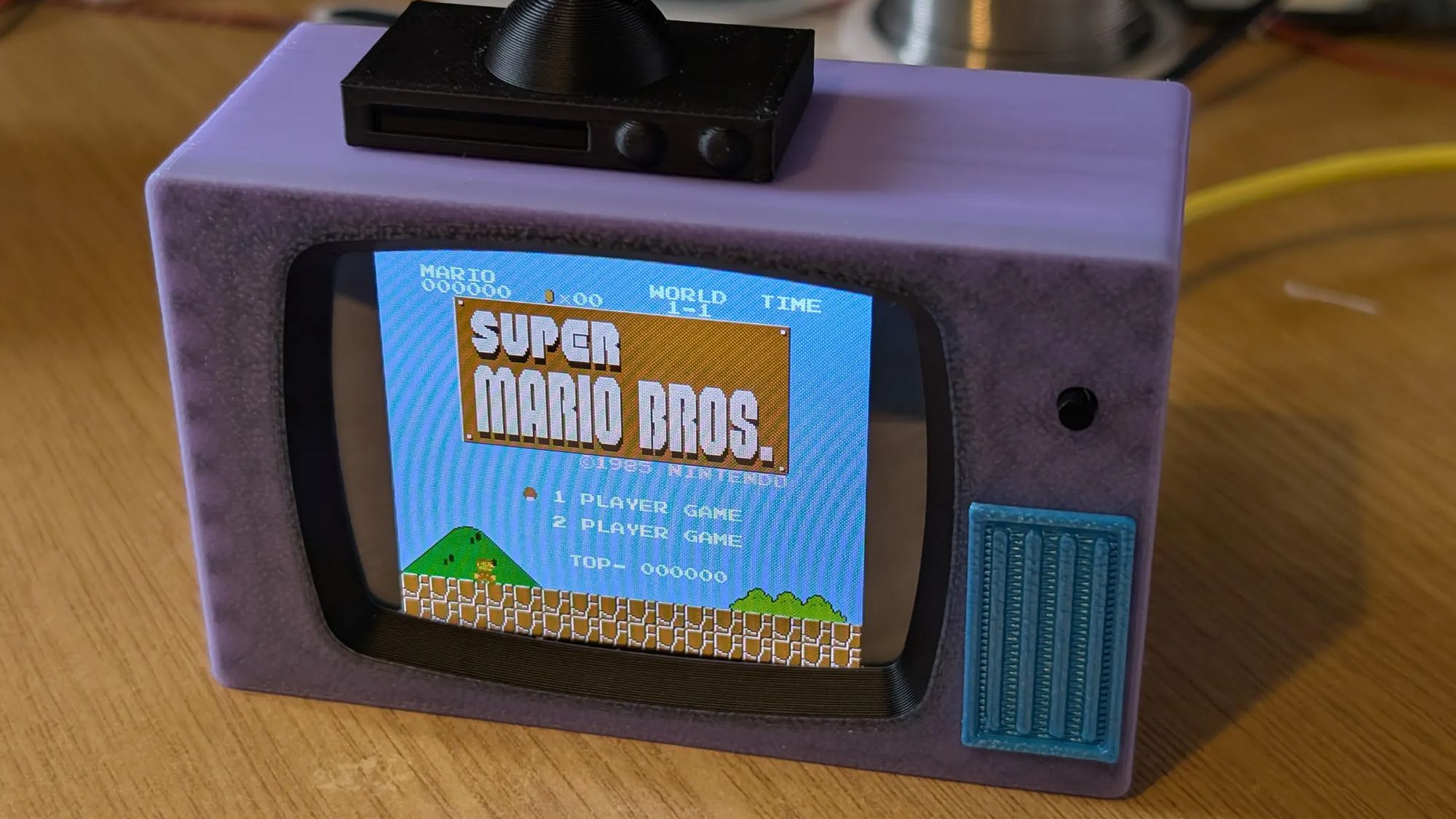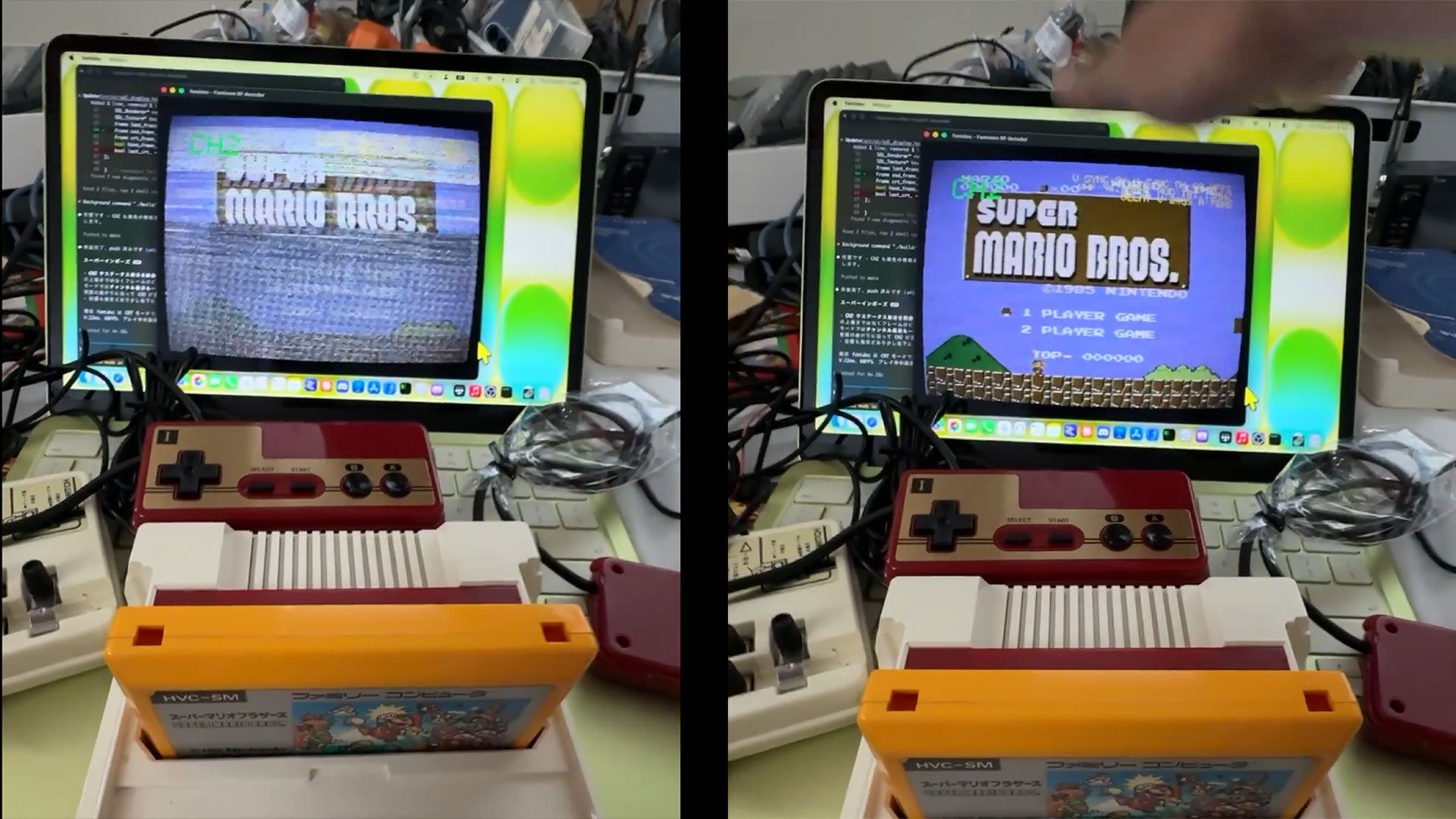
An ex-Sega engineer has created a CRT emulator for macOS so realistic that it even supports screen tapping to fix the notoriously sketchy performance of the technology. On Tuesday, a developer showcased a CRT emulation project which some commenters complained was more like a CRT damage simulator. In other words, the CRT effects like flickering, noise, and aberrations were judged by the masses to be somewhat overdone. Today, @GOROman has followed up by demonstrating that the famicom-rf-hackrf-decoder software’s CRT rendering can be improved via an old-school whack to the top of the monitor. See it with your own eyes, in the video embedded below.皆様の要望にお応えして、テレビ画面叩きに対応しました! https://t.co/Bg75IsbW28 pic.twitter.com/DJJjhuOC7xJuly 14, 2026The developer of this CRT emulator, GOROman, is an ex-Sega and ex-Facebook software engineer. They explain that the famicom-rf-hackrf-decoder software receives VHF RF output (NTSC-J) from their Famicom (Nintendo NES) via an open-source SDR (software-defined radio) solution dubbed the HackRF One.With the software running and the NES plugged into the HackRF One, the console’s RF-modulated video can be displayed on VHF channel 1 or 2. However, here you can see it on a modern LCD, in a window on the desktop. Thus the GOROman project is performing a full NTSC-J color decode in software and displaying the result on the desktop in real time via SDL2.It is further explained that the Famicom “is not broadcast-compliant (non-interlaced 240p, chroma phase advancing 120° per line, one short line per frame).” Therefore, the decoder has to run several processes in the background to avoid quirks like drifts, wobbles, and color burst instability.
Ex-Sega engineer creates 'super realistic' CRT monitor emulator — incredible retro offering even includes TV screen tapping to fix picture
Physically satisfying retro simulation tech is the brainchild of an ex-Sega employee.
484 words~2 min read