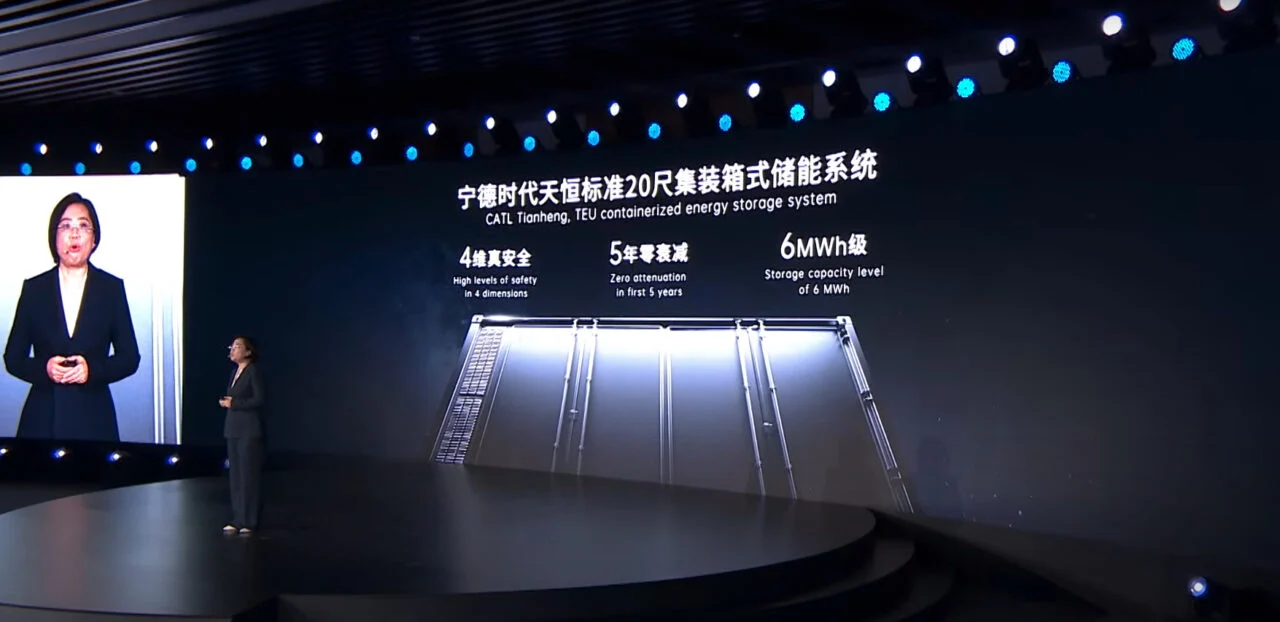
Croatian EV and BESS technology company Rimac also announced a ‘zero-degradation’ product later that year, promising a shorter two-year window with no capacity fade.
Sacrificial additives behind ‘zero degradation’
When sacrificial additives are added to the electrode, it means that there is more lithium to lose before the cells lose capacity beyond their rated capacity. This gives the illusion that no capacity has been lost, but instead, the additives have been depleted instead of the active lithium ions that move between the electrodes. A similar approach is used in BESS installations where the BESS container is overbuilt with more capacity than the rated capacity―so when the capacity does degrade, it does not drop below the rated capacity and gives the illusion of no degradation in the BESS unit for a long period of time.
The CATL approach, however, is different to overbuilding. The mechanisms are entirely different; it’s just a similar principle to adding more resources which stops the capacity fading over time. That’s where the similarities end.
The zero degredation mechanism starts with the first charge cycle and the formation of the SEI. When the battery first charges, lithium ions migrate to the surface of the anode and react with the electrolyte to form the SEI layer. This is a critical process in any battery because it is a protective layer that stops the electrolyte from continually reacting with the electrode (which would cause rapid degradation).