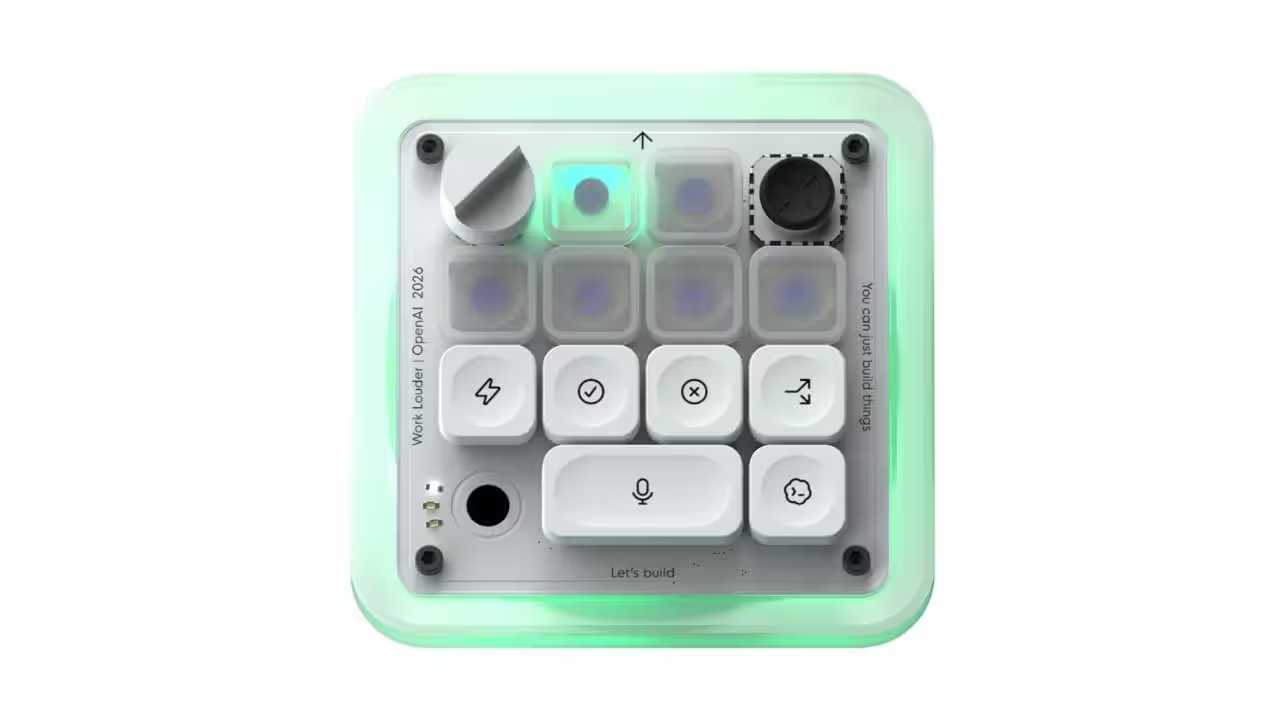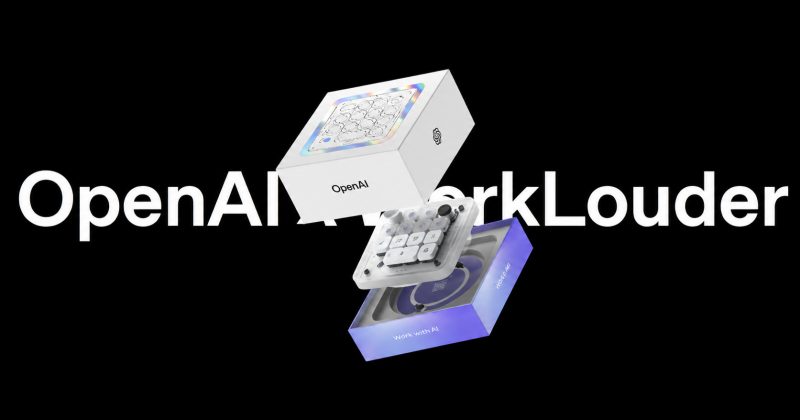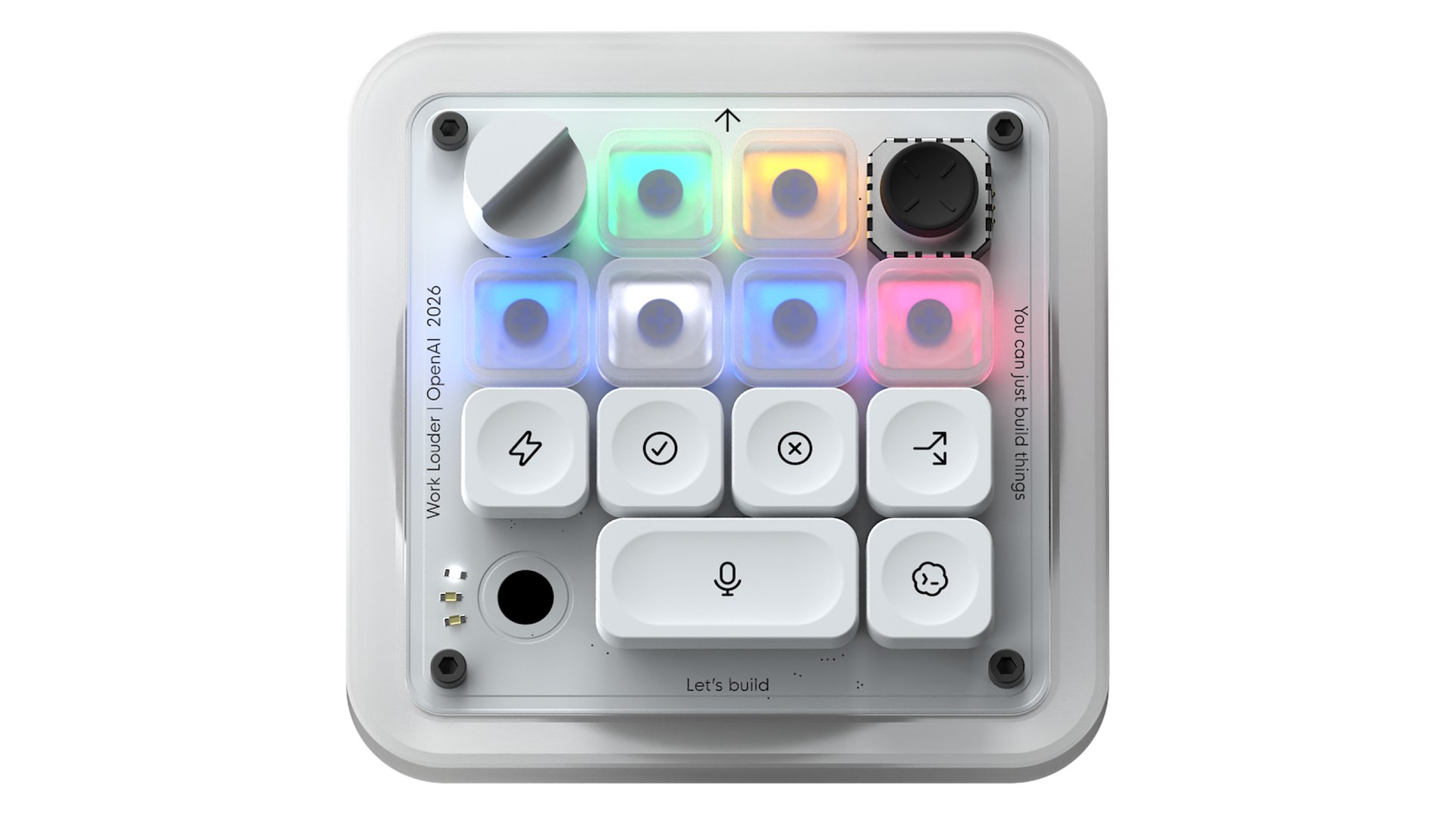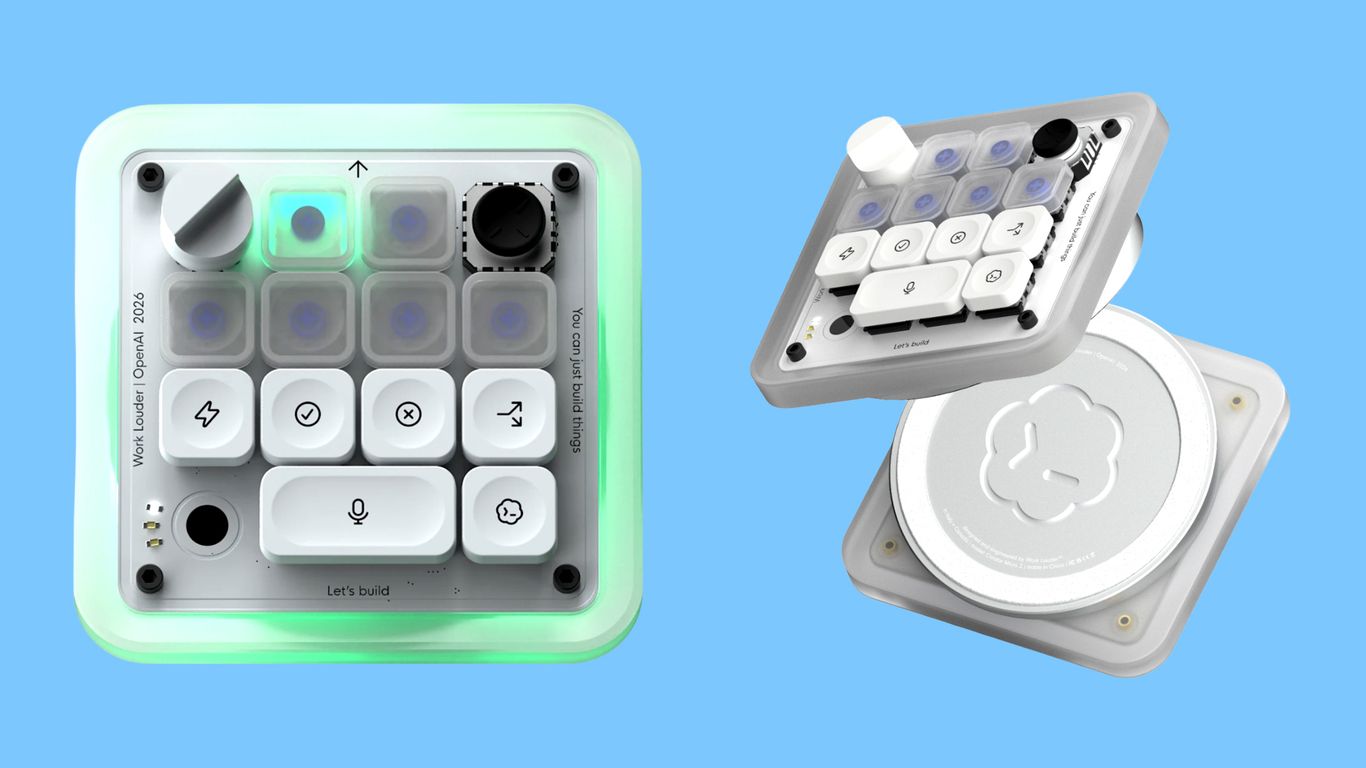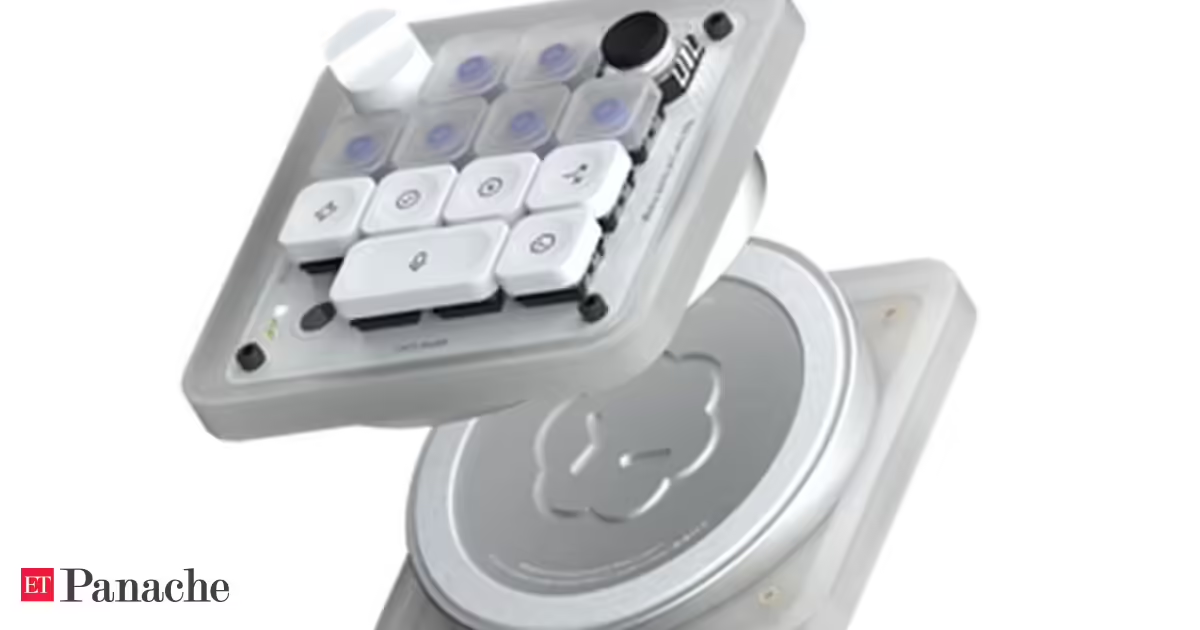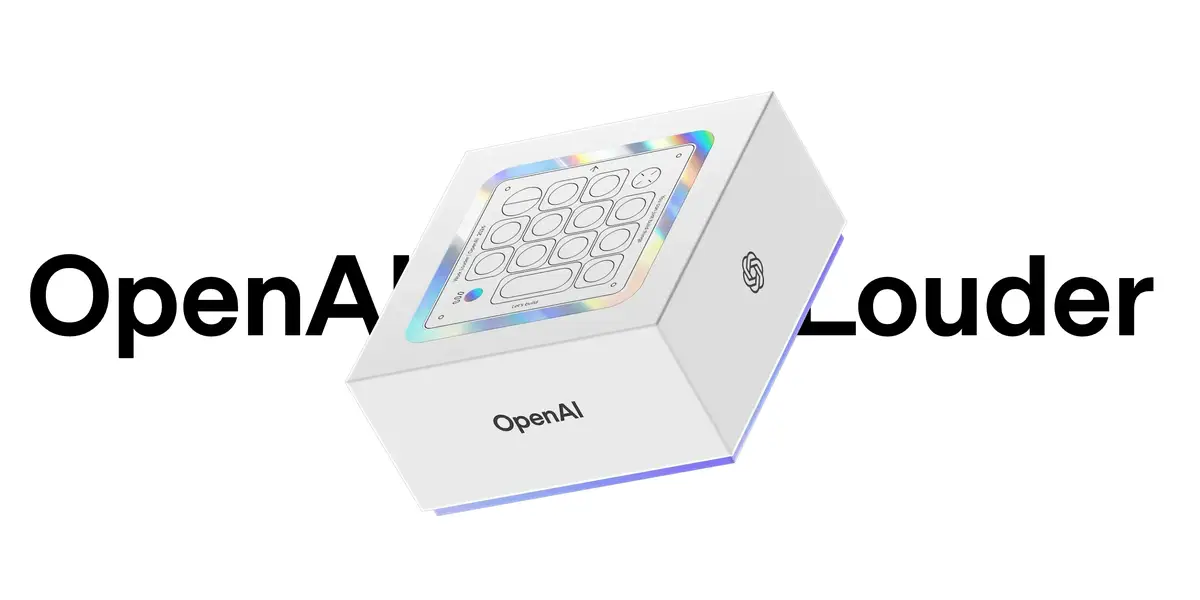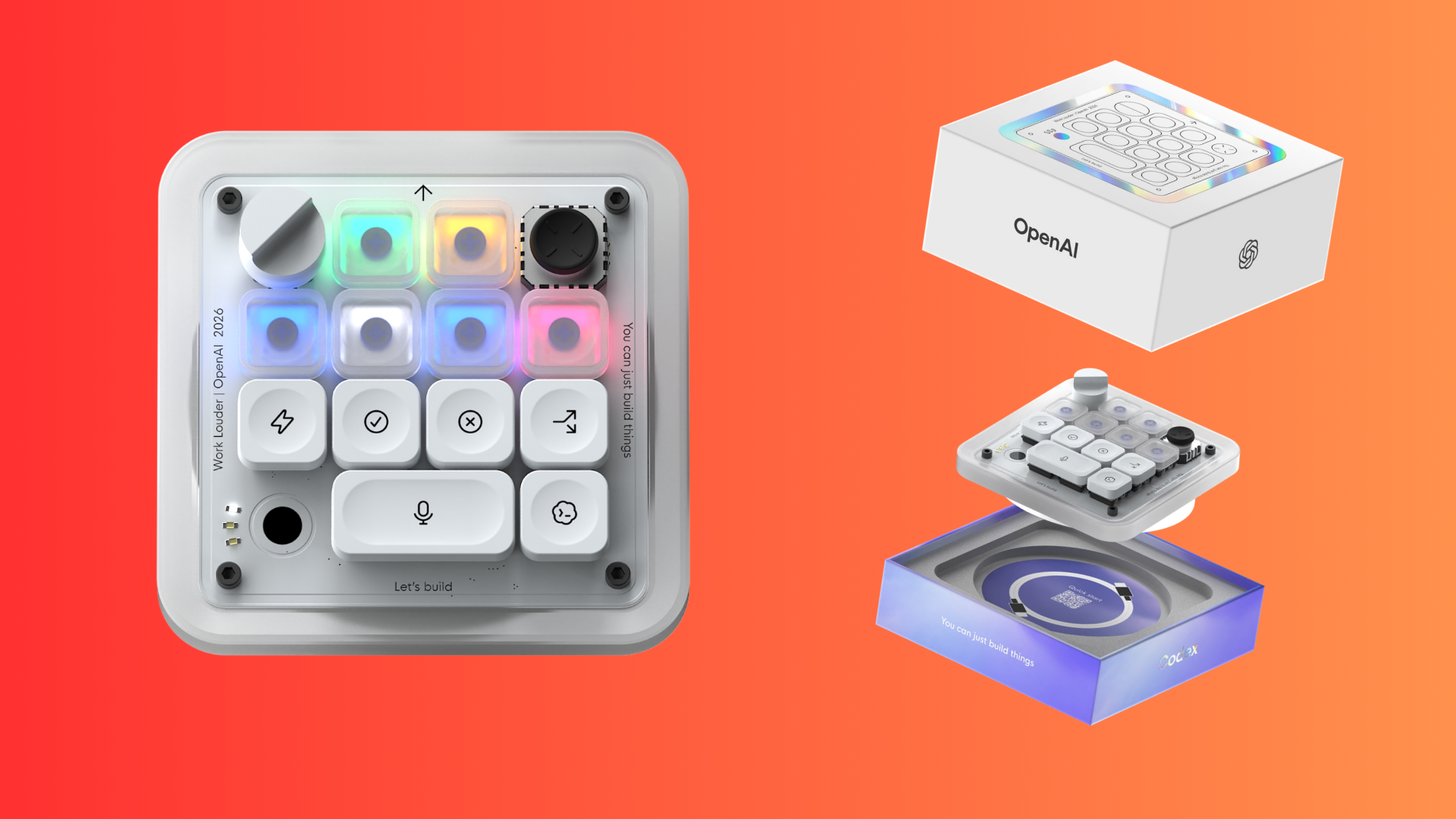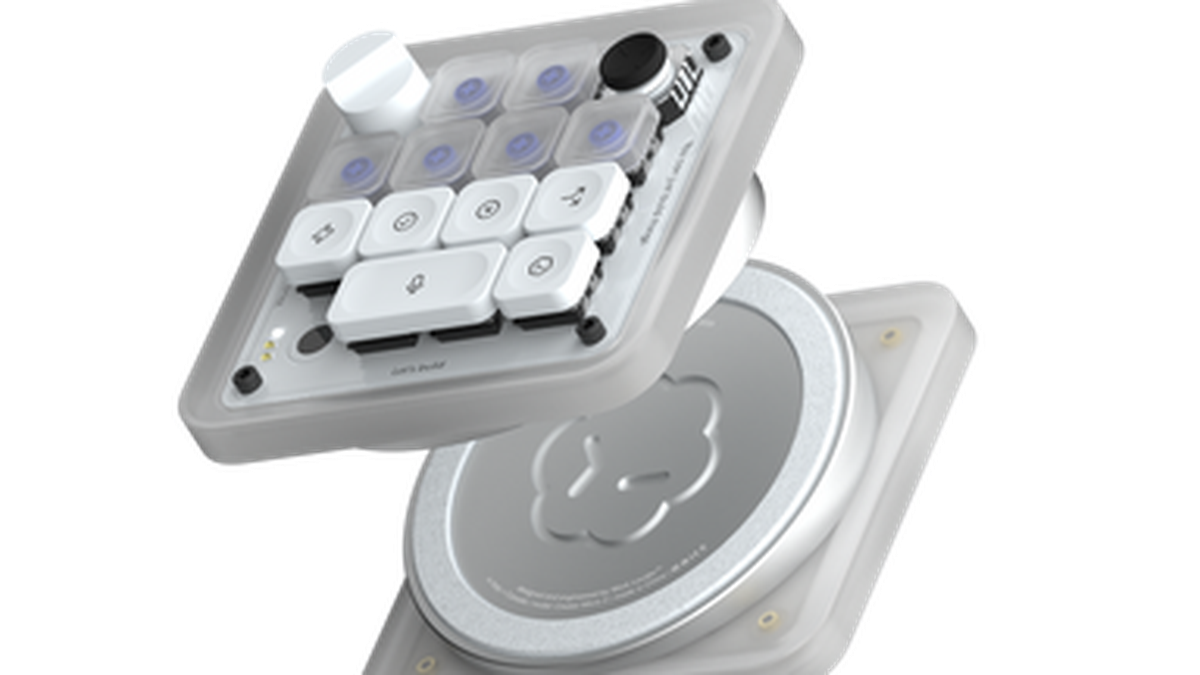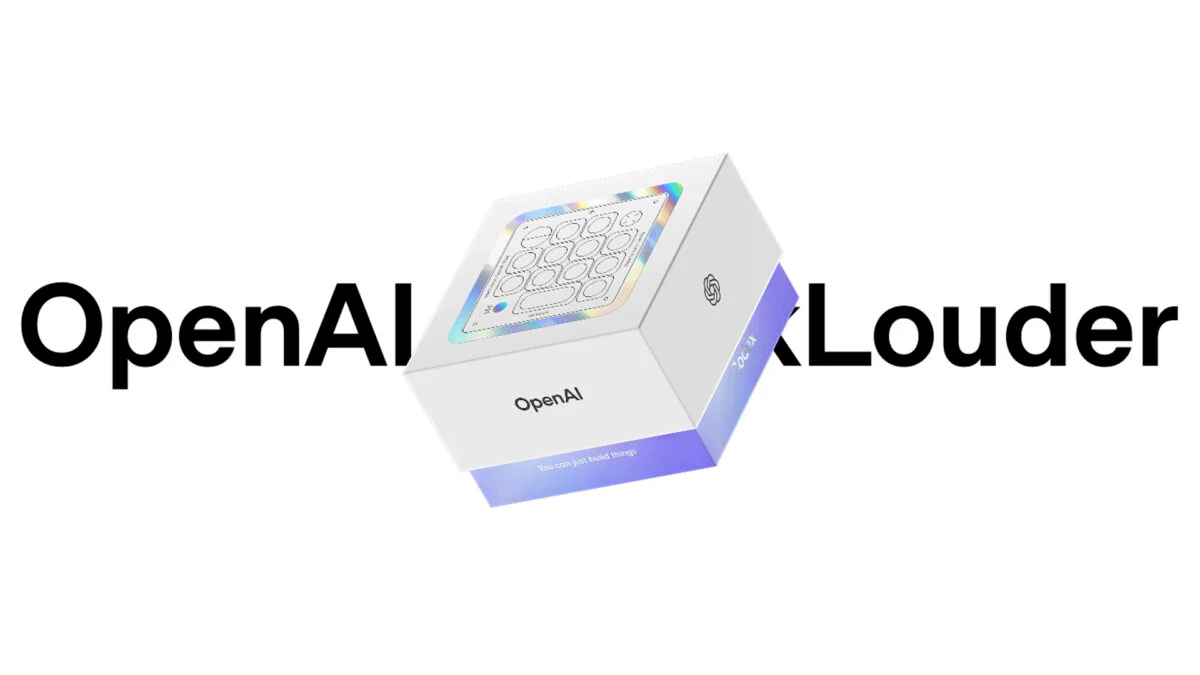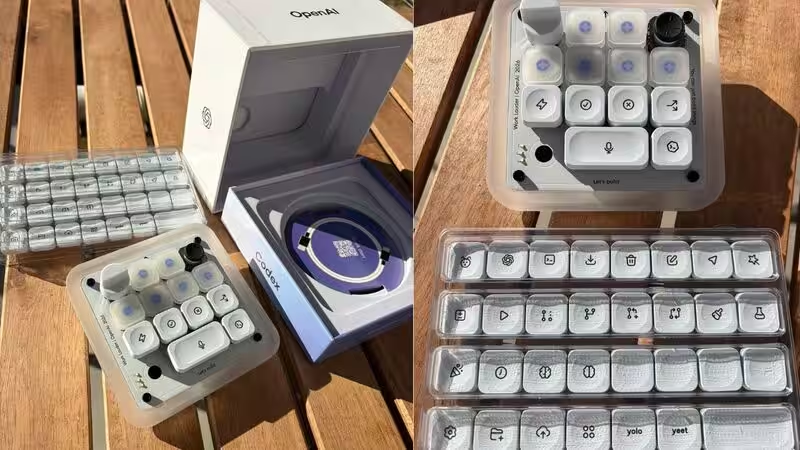
OpenAI Launches Codex Micro: A Dedicated Keypad To Control AI Coding AgentsOpenAI has unveiled Codex Micro, a sleek and compact desktop controller designed for AI coding agents. Collaborating with Work Louder, this innovative hardware accessory features customizable keys, a rotary dial, and a joystick, enhancing user control. With visual indicators for agent status and workflow progress, Codex Micro marks OpenAI's exciting entry into the realm of hardware products.OpenAI has released Codex Micro, a compact desktop controller built to help developers work more smoothly with AI coding agents. It came together through a partnership with Work Louder, a company that specializes in hardware accessories, and it's really aimed squarely at people already using OpenAI's Codex coding platform.This isn't meant to replace your keyboard or your computer though. Think of Codex Micro more as a dedicated physical control surface built specifically for AI assisted programming work. It gives developers quick access to commands, agent status updates and workflow controls, so they're not stuck bouncing between software menus and browser tabs the whole time.About The AuthorHey there, i am a technology enthusiast with a deep passion for gadgets, consumer electronics, emerging technologies, and the fast-paced world of digital innovation. Constantly exploring the latest tech trends, product launches, and industry developments, I enjoy translating complex technological advancements into engaging and accessible stories for readers. My interests span smartphones, wearables, artificial intelligence, smart devices, and the broader technology ecosystem. As I begin my journey as a Tech Journalist at Gadgets Now, I am excited to contribute to a platform that informs millions of readers, combining my passion for technology with storytelling to deliver insightful, accurate, and timely tech coverage.This limited edition device comes packed with programmable mechanical keys, RGB status lights, a rotary dial and a joystick, all built around managing AI driven coding tasks. It's technically OpenAI's very first hardware release, though the company's bigger hardware ambitions are still focused more broadly on finding new ways for people to actually interact with AI.Codex Micro Features: A Physical Control Surface for AI AgentsOpenAI's own description calls Codex Micro a "command centre" for agent based development work. It's built for developers who already lean on AI coding assistants and want a quicker way to keep tabs on, and actually control, whatever tasks are running.FeatureDetailsDevice typeA compact desktop keypad built for Codex AI coding workflowsKeys13 mechanical switches with fully programmable controlsCustomisationRemappable keys plus multiple shortcut layersControlsRotary dial, joystick and touch controlsVisual feedbackRGB lighting paired with agent status indicatorsConnectivityBluetooth and USB-CCompatibilityWorks with Mac and WindowsVariantsAvailable in clicky and silent versionsPartnershipBuilt together with Work LouderThere are also dedicated "Agent Keys" on the device that give visual feedback through changing light patterns. These indicators can show off different states an AI agent might be in, whether it's actively working, waiting on input, wrapping up a task, or running into an issue somewhere along the way.OpenAI's First Released Hardware ProductCodex Micro is technically OpenAI's first officially released piece of hardware. That said, it's really a specialized accessory built for developers, not some mainstream consumer gadget like a phone, laptop or smart home device.OpenAI built this alongside Work Louder, a company already known for making programmable productivity hardware. Teaming up with them let OpenAI put out a dedicated AI interface without having to build an entire hardware ecosystem completely from scratch.People watching the industry see Codex Micro as an early glimpse into how AI companies might start experimenting with physical interfaces going forward. Rather than trying to replace the computer you already have, this device just adds a hardware layer that gives people more direct, hands on control over AI systems.More articles by AuthorTrending StoriesThis launch also fits into a broader trend happening across tech right now, companies increasingly exploring dedicated tools and interfaces built specifically around AI.OpenAI's Wider Hardware PlansEven though Codex Micro is squarely aimed at software developers, OpenAI's shown real interest in exploring what future hardware experiences could look like beyond just traditional apps. Some reports have suggested the company's been looking into consumer AI devices too, possibly even ChatGPT powered products down the line.Those projects are separate from Codex Micro though, this keypad is built for professionals working with AI coding tools, not everyday consumers picking up a gadget at a store.If OpenAI keeps pushing into hardware, future products could end up focusing on entirely new ways to interact with AI assistants, natural conversation, personal AI tools, maybe even dedicated computing experiences built around AI from the ground up.Apple Legal Dispute and OpenAI's Hardware AmbitionsThis launch comes amidst reported legal issues between Apple and OpenAI over confidential information and trade secrets regarding hardware development.It’s understood Apple is seeking clarification over concerns about mishandled sensitive information and has faced pushback from OpenAI.Worth noting, this dispute isn't specifically tied to Codex Micro, and there's no evidence suggesting the device uses any Apple technology or is meant to compete directly with Apple's own products.This legal situation will likely keep drawing attention as OpenAI continues building out its hardware efforts, but Codex Micro itself really sits in a completely different category from Apple's consumer hardware lineup.What Codex Micro Means for DevelopersFor developers, Codex Micro is really a new way of interacting with AI assistants altogether. Instead of leaning entirely on chat interfaces or browser based tools, people can now control AI agents through dedicated physical controls sitting right on their desk.It's built for developers who spend a lot of time working with AI driven processes, writing software, debugging, testing, that sort of thing. Physical shortcuts, status lights and dedicated controls could genuinely help cut down on interruptions during complicated programming sessions.That said, how useful this actually turns out to be will really depend on how deeply it integrates with existing Codex workflows, and whether developers actually find physical controls faster than the software based methods they're already used to.Realistically, this is probably going to appeal mostly to power users and developers who live and breathe AI tools, rather than casual programmers just dabbling.Availability and PricingCodex Micro is launching as a limited edition product priced at $230, putting it firmly in premium accessory territory.It comes in both clicky and silent versions, and supports customization through programmable keys along with included icon keycaps. Connectivity wise, it works over Bluetooth or USB-C, and it's compatible with both Mac and Windows machines.OpenAI hasn't said how many units it's actually producing for this limited run. That restricted availability suggests the company might be using this launch mainly to gather developer feedback and gauge real interest in dedicated AI hardware before going any further.Whether this sticks around long term will likely come down to how people respond and how much demand there actually is.What Could Be OpenAI's Next Hardware Product?Codex Micro might be an early experiment within OpenAI's broader hardware exploration, but it doesn't necessarily mean the company's about to jump headfirst into consumer electronics as a whole.Future hardware from OpenAI could end up centered around AI assistants, voice interaction, or entirely new forms of human computer communication. There've been reports suggesting the company's exploring possible consumer devices too, though details on that front remain pretty limited for now.For the time being, it's probably best to think of Codex Micro as an extension of OpenAI's existing software ecosystem, a specialized tool built to give developers a more direct, hands on way of managing their AI coding agents. FAQsWhat is OpenAI Codex Micro?Codex Micro is a compact desktop keypad designed to control and manage AI coding agents using OpenAI’s Codex platform.Who developed Codex Micro?OpenAI developed Codex Micro in partnership with hardware accessories maker Work Louder.What features does Codex Micro include?The device includes programmable mechanical keys, RGB lighting, a rotary dial, joystick controls and AI agent status indicators.How much does Codex Micro cost?The limited-edition Codex Micro is priced at $230.end of article
OpenAI Launches Codex Micro: A Dedicated Keypad To Control AI Coding Agents
OpenAI has unveiled Codex Micro, a sleek and compact desktop controller designed for AI coding agents. Collaborating with Work Louder, this innovative hardware accessory features customizable keys, a rotary dial, and a joystick, enhancing user control. With visual indicators for agent status and workflow progress, Codex Micro marks OpenAI's exciting entry into the realm of hardware products.
1,292 words~6 min read