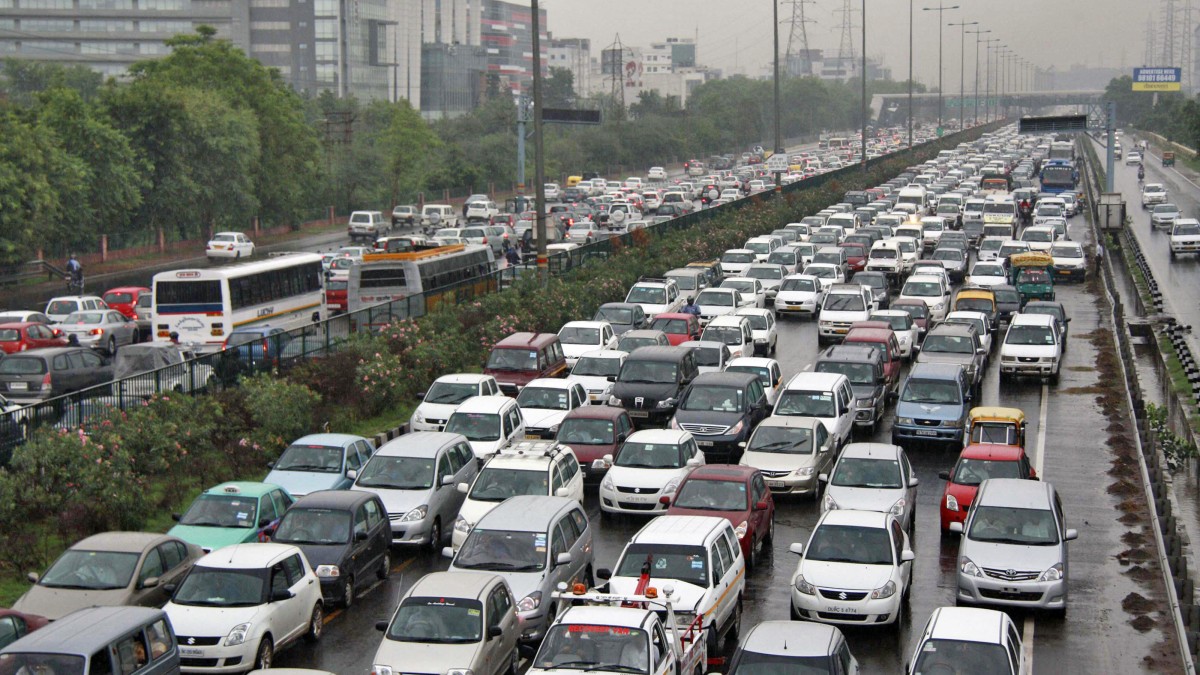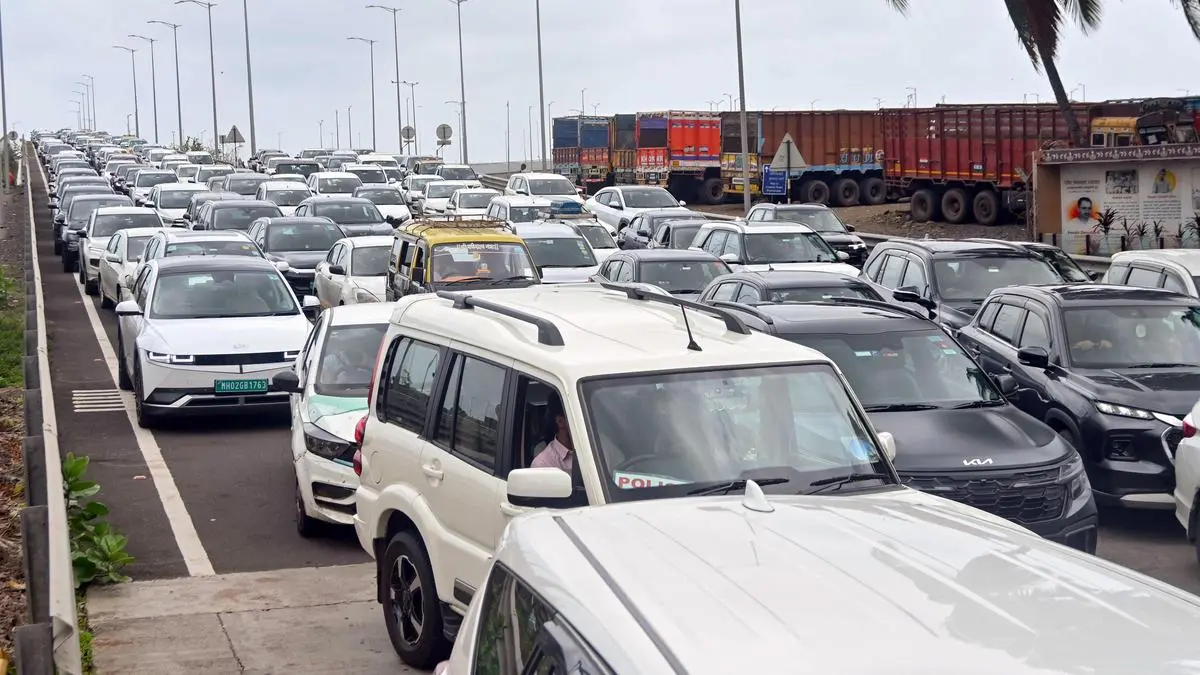
The norms are proposed to be applicable to M1 category passenger vehicles manufactured or imported for sale in India during 2027-28 to 2031-32, the Ministry of Power said in a statement.
| Photo Credit:
The Ministry of Power on Thursday released Draft Corporate Average Fuel Economy 2027 Norms (CAFE-III) and sought suggestions from stakeholders.The new norms, which aim to progressively reduce vehicle emissions, will replace the existing CAFE-II norms that are likely to come to an end on March 31, 2027.The norms are proposed to be applicable to M1 category passenger vehicles manufactured or imported for sale in India during 2027-28 to 2031-32, the ministry said in a statement.Passenger vehicles that have up to eight seats, in addition to the driver's, fall in the M1 category.The ministry said stakeholders and the public can mail their suggestions and feedback or send them to the under secretary, energy conservation.The last date for receipt of suggestions and feedback is August 6, 2026.The draft norms shall also be uploaded on the websites of the Ministry of Power and the Bureau of Energy Efficiency shortly, the ministry said.According to an official, compliance to the proposed CAFE III norms will be assessed over an initial block of three years, followed by a second block of two years.The fuel consumption targets are proposed to be progressively tightened, from 3.996 litres/100 km (94.76 gCO₂/km) in 2027-28 to 3.3273 litres/100 km (78.90 gCO₂/km) in 2031-32, the official said.The phased tightening of targets will provide original equipment manufacturers (OEMs) with a clear and predictable regulatory pathway, enabling them to progressively develop and deploy more fuel-efficient vehicle models.The official said the new CAFE III norms, once implemented, will for the first time, recognise the carbon-neutrality of ethanol, bio-fuel and compressed bio-gas (CBG) by permitting specified reductions in declared tailpipe carbon dioxide emissions before compliance assessment.For present levels of ethanol, an 8 per cent carbon neutrality factor (CNF) shall be considered, while for CBG and bio-fuel, the reduction shall be based on the prevailing actual blending level, the official said.Manufacturers will be eligible to claim up to 9 gCO₂/km of compliance benefit for approved fuel-saving technologies, subject to a maximum benefit of 1 gCO₂/km per technology.Published on July 16, 2026