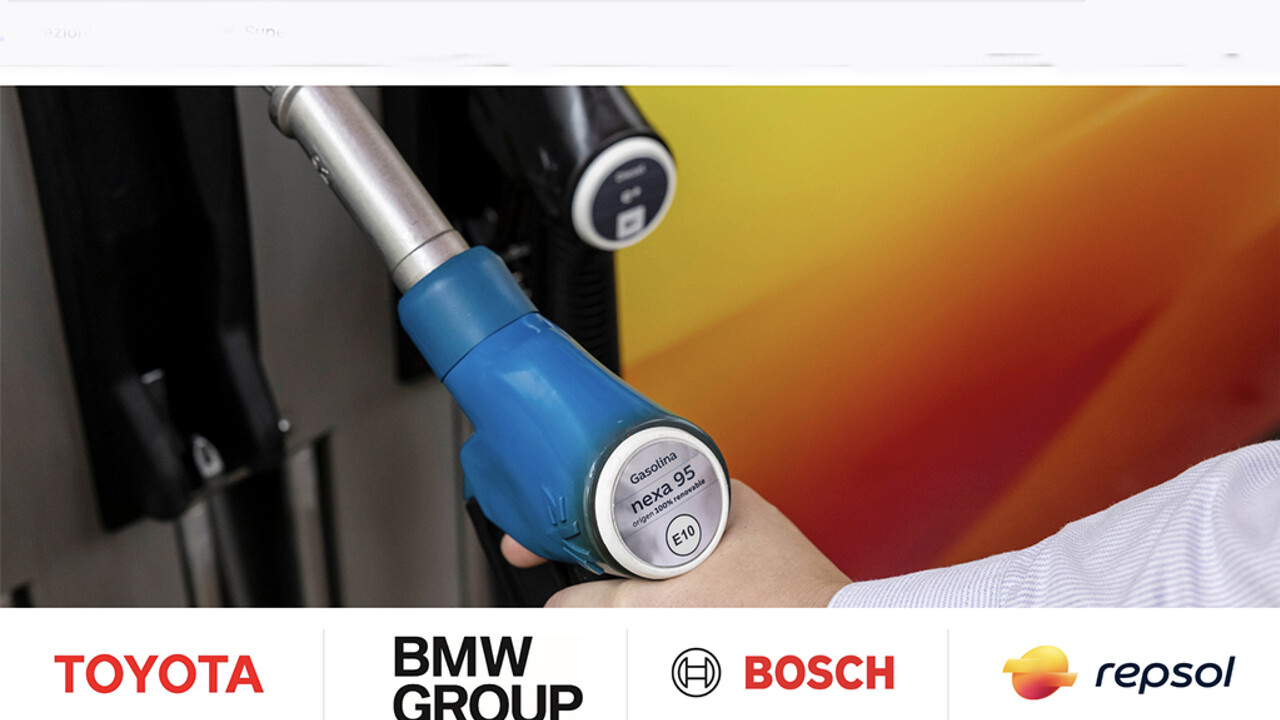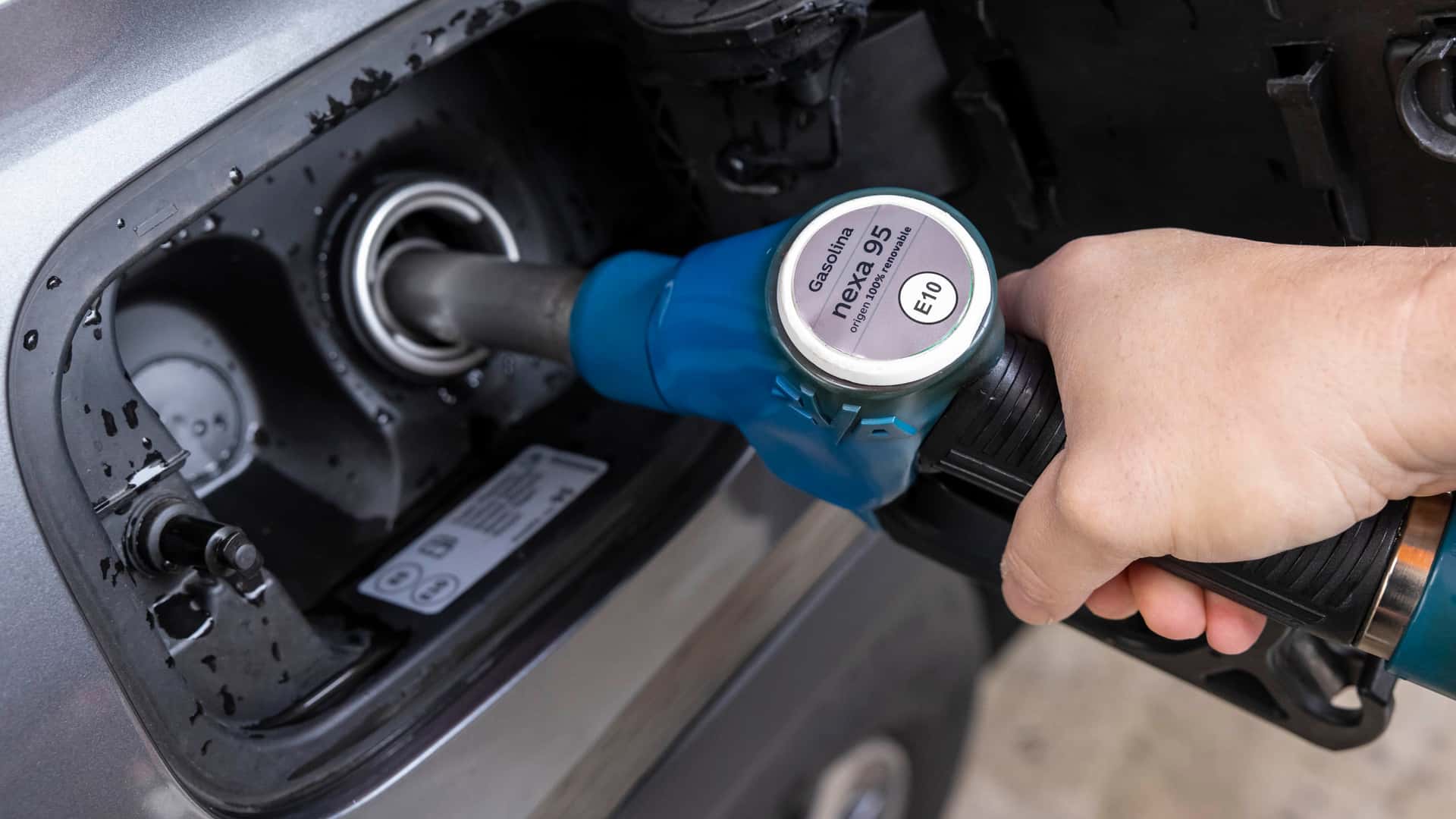
Toyota, BMW, Repsol, and Bosch are trialing renewable gasoline in the real world.
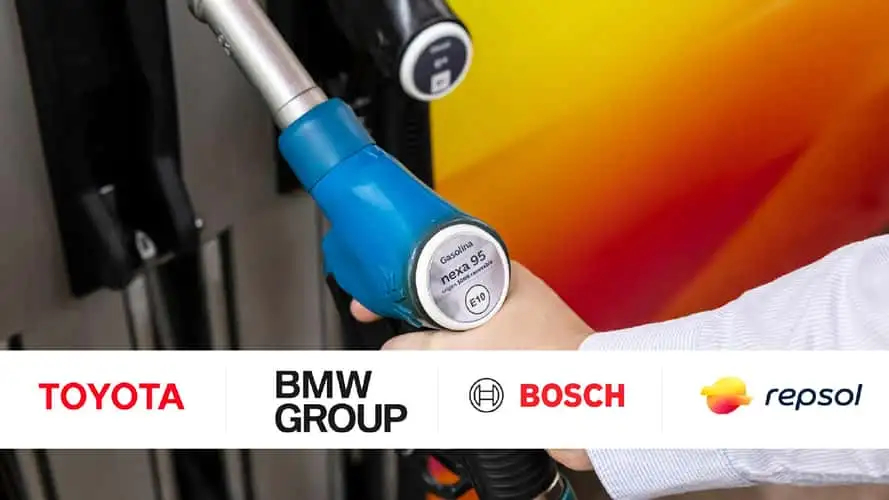
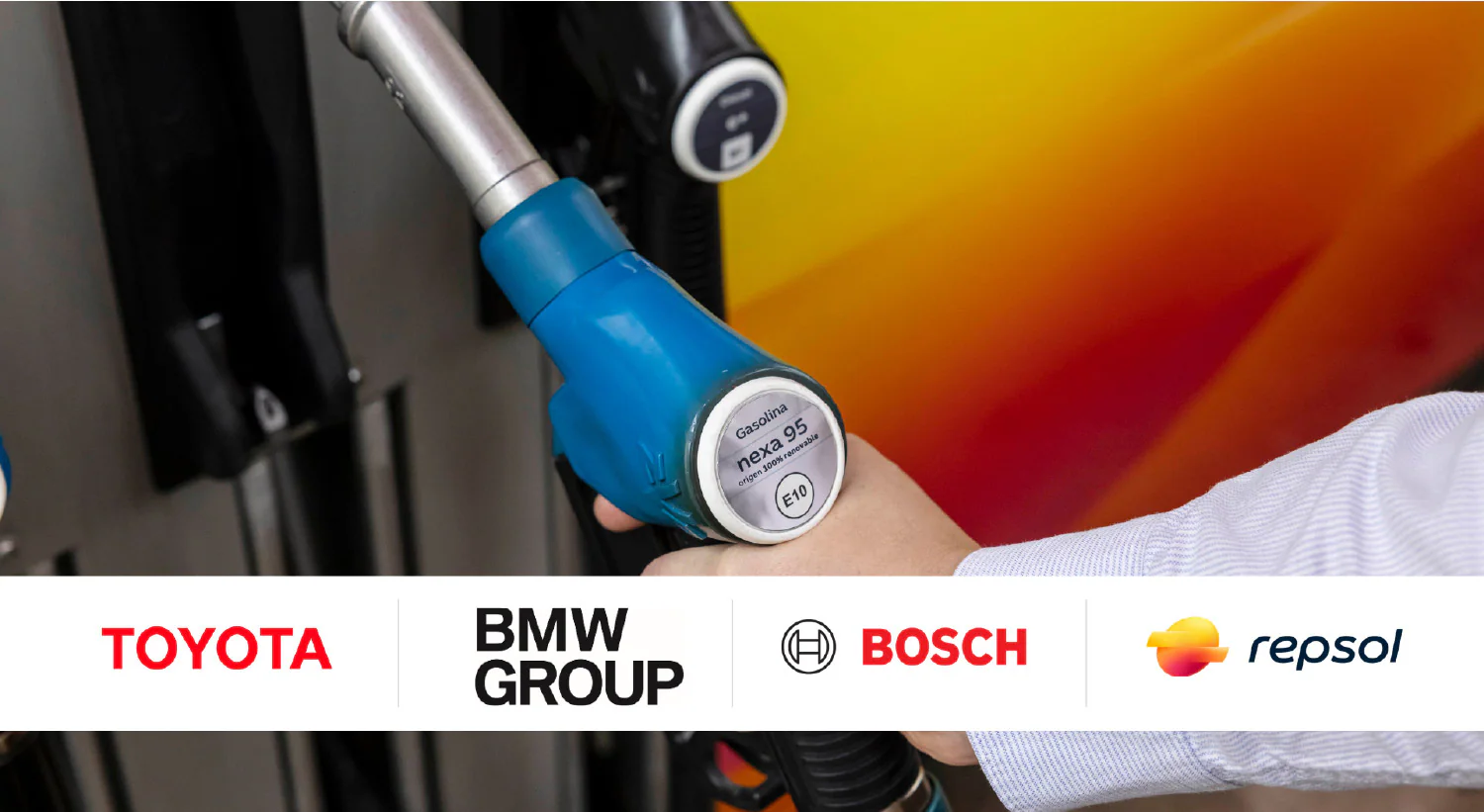
The two automakers will test around 20 cars on Repsol’s renewable gas for a six-month period.
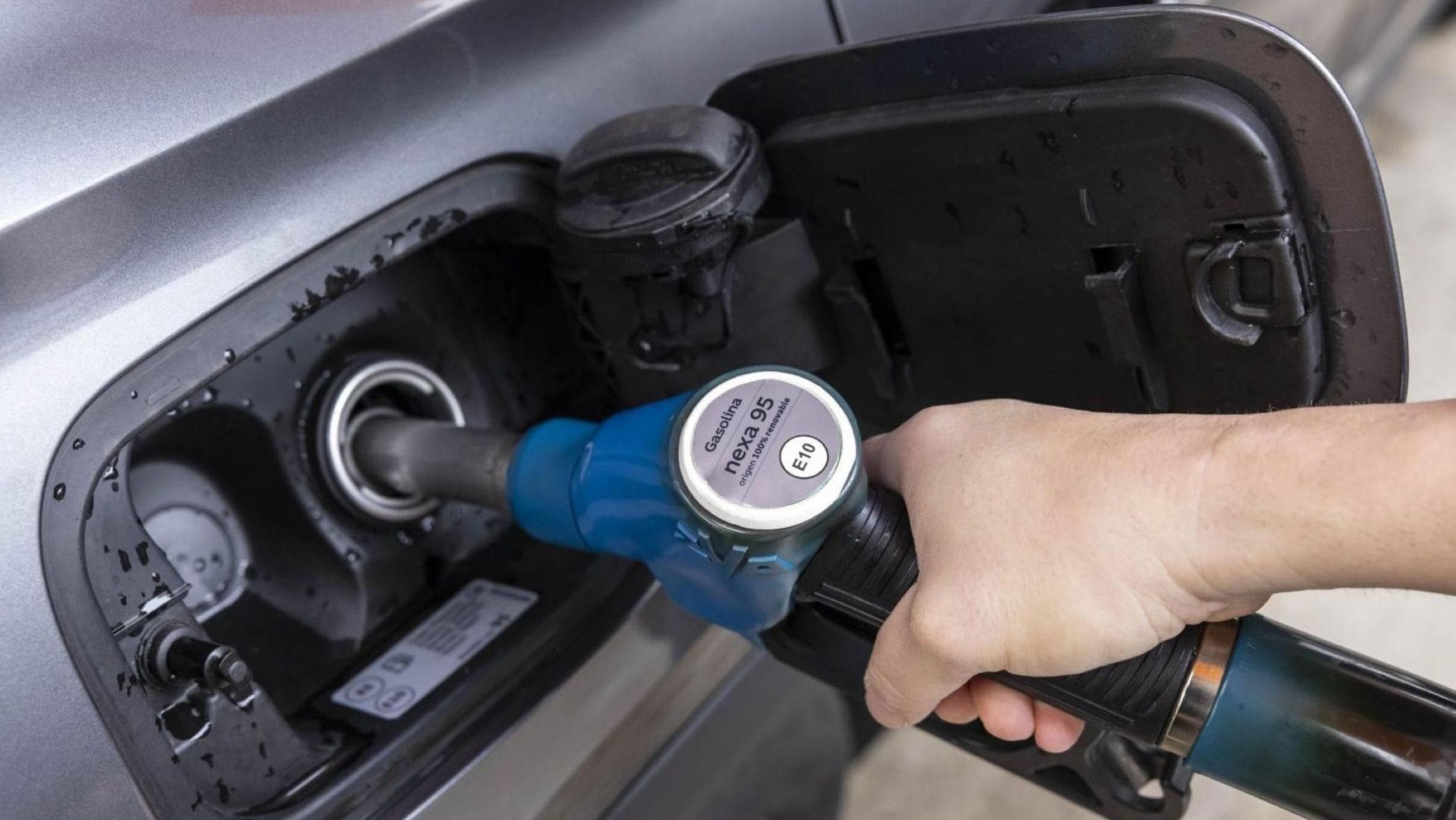
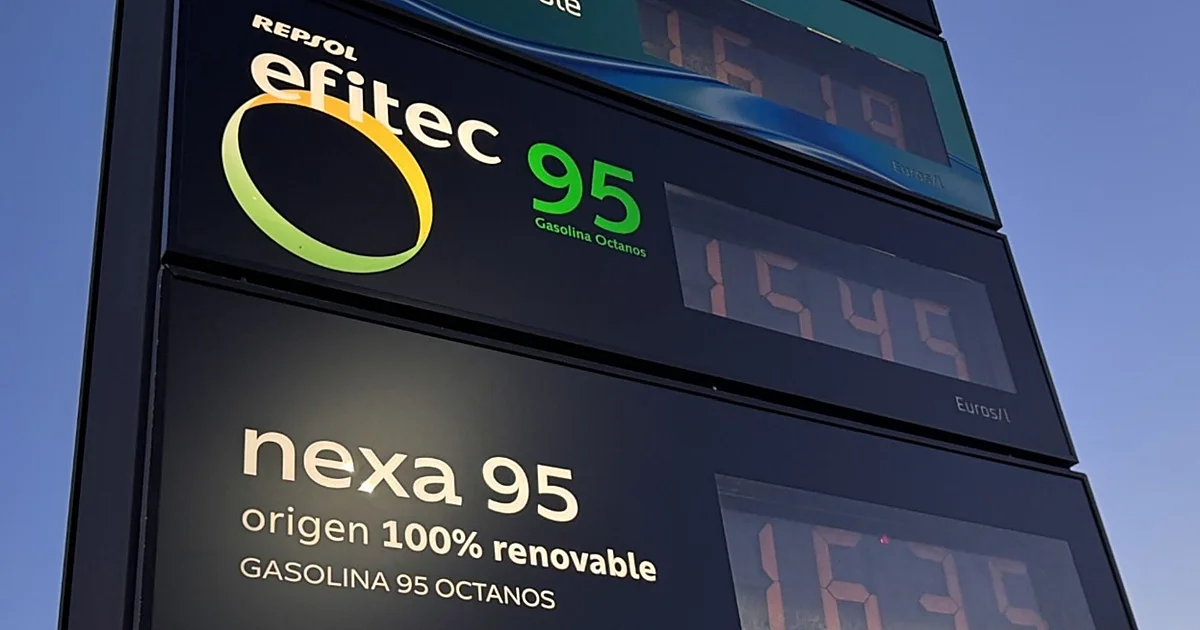
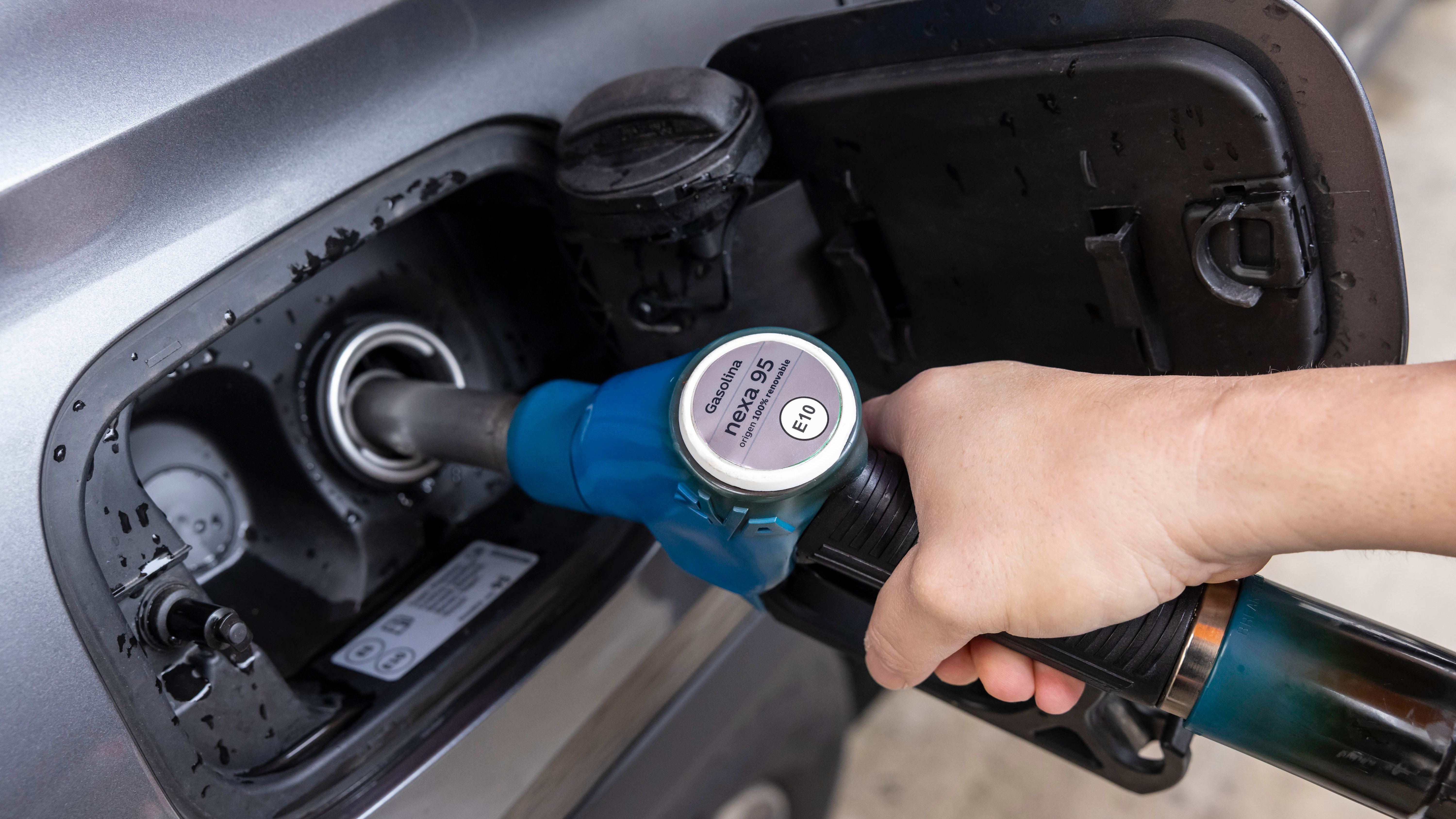
Repsol claims its Nexa 95 fuel, which is made from renewable feedstocks, reduces carbon dioxide emissions by more than 70% compared to regular gas.
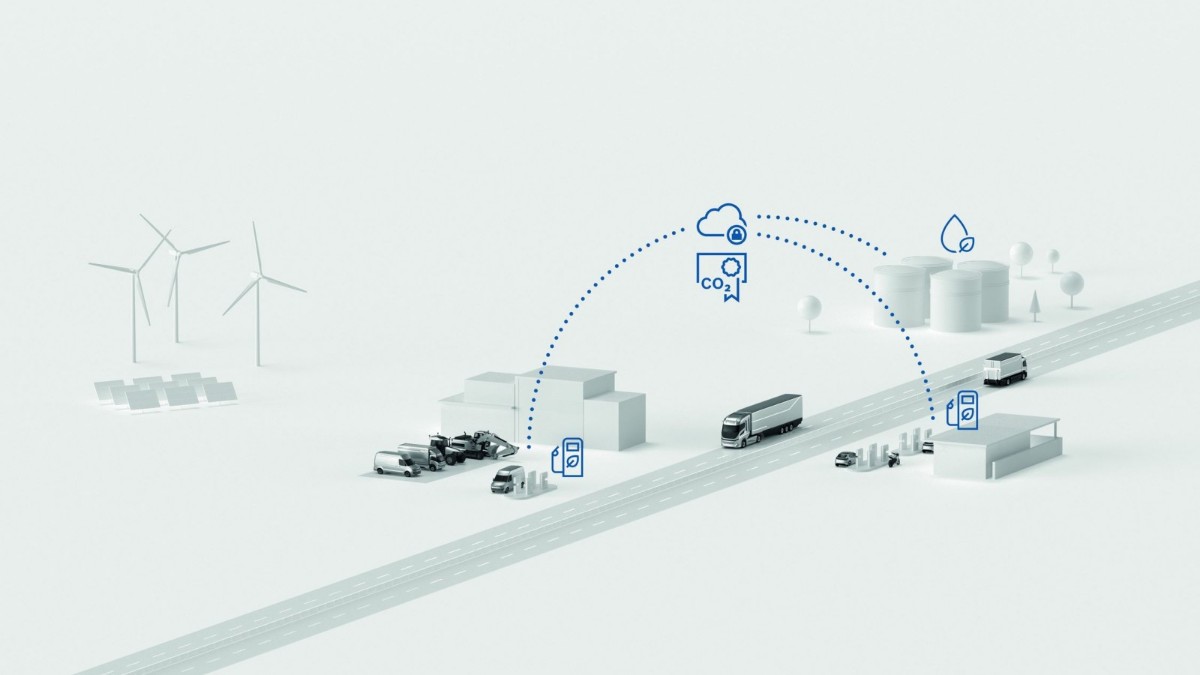
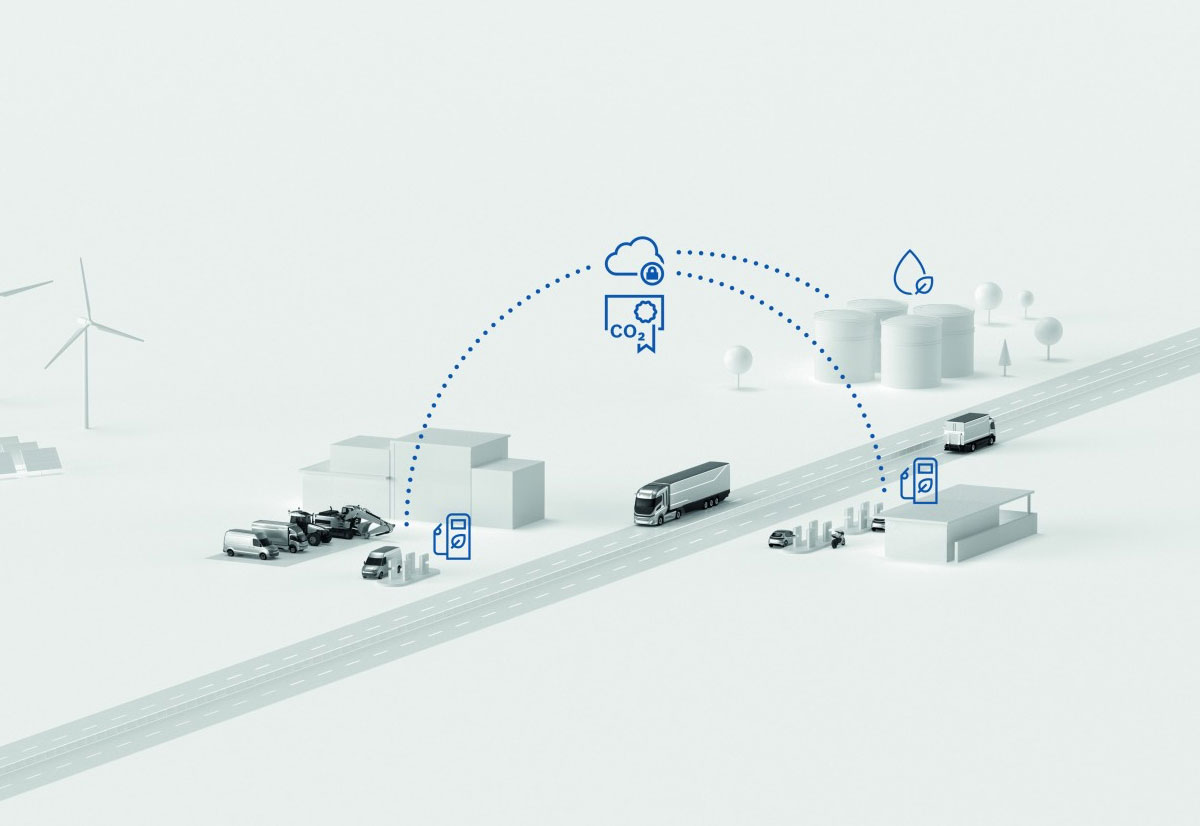
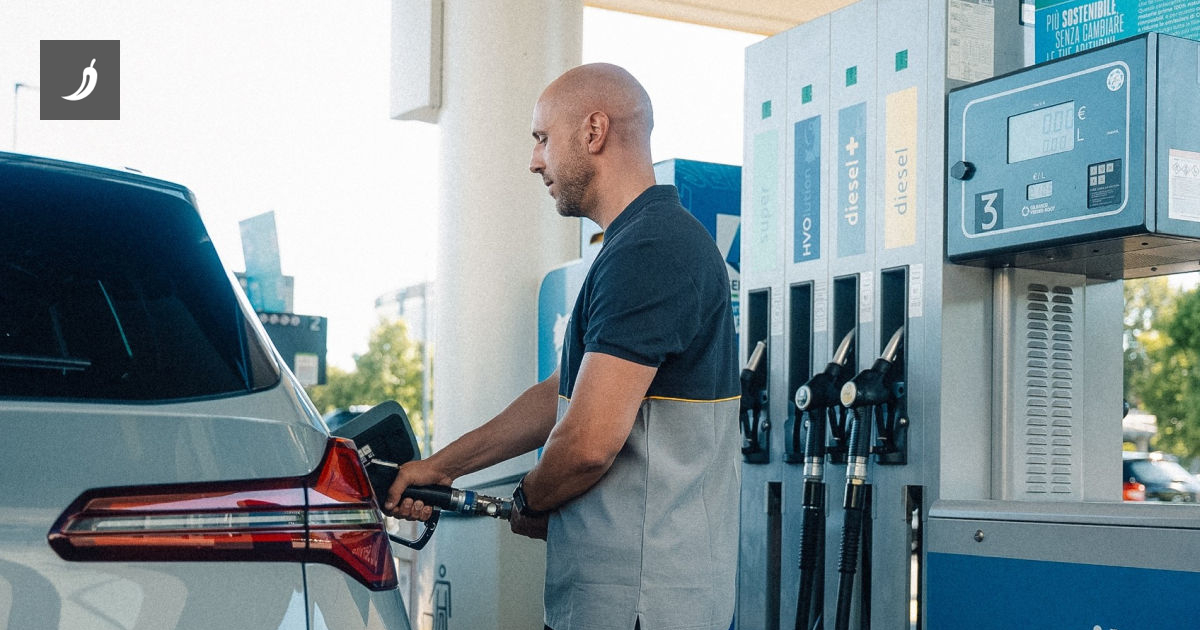
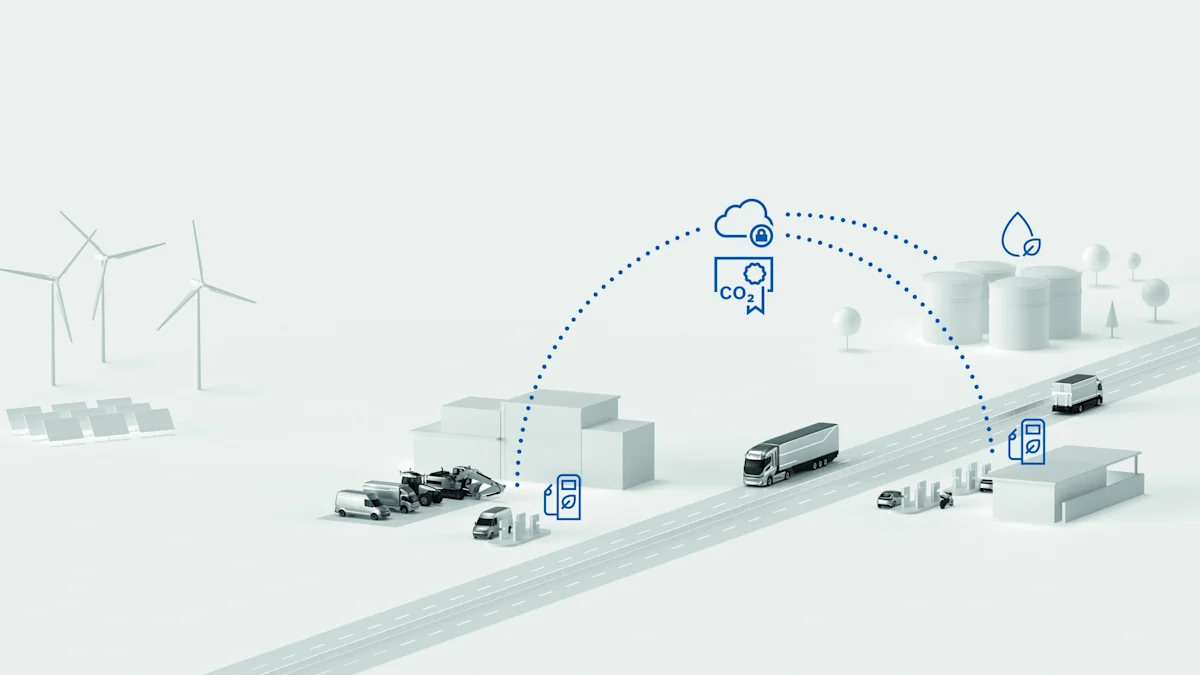
Toyota and BMW are testing renewable gasoline, which promises to slash harmful emissions by over 70%, compared to conventional gas. The two automakers have partnered with Repsol and Bosch to deploy a fleet of roughly 20 cars that will run on Repsol’s Nexa 95 fuel exclusively for the next six months. Meanwhile, Bosch will provide a digital fuel tracking system.
The experiment began this month in Spain, where Repsol prides itself on being the country’s only supplier of 100% renewable gas at public service stations. Compared to e-fuels, which are synthetic fuels manufactured using captured carbon monoxide or carbon dioxide, as well as hydrogen obtained from water splitting, renewable fuels are produced from organic waste.