Goldman Sachs booked $3.4bn in investment banking fees in the second quarter, a record, up 55% on a year earlier. Its chief executive has a name for what is driving it.
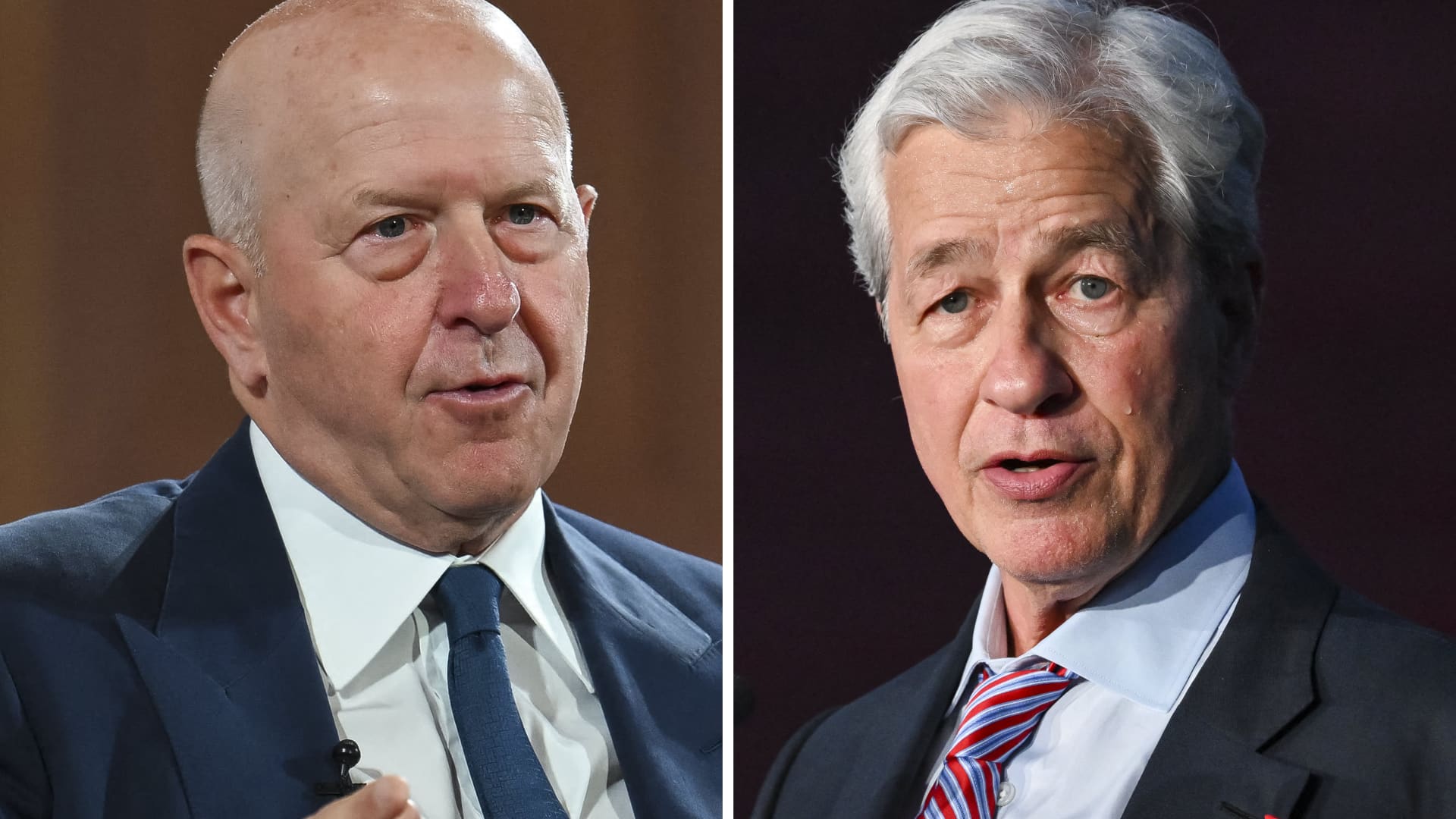
“We are in the middle of an AI CapEx super cycle where there are demands on financing into every single financing instrument, in every region of the world and across every single industry,” David Solomon told analysts on the firm’s 14 July earnings call.
Within the total, equity underwriting rose 130% to $985m and debt underwriting rose 75% to a record $1.03bn. It is the same demand that pulled eight banks into SoftBank’s $40bn OpenAI loan.
The pattern held across the street. JPMorgan reported $3.3bn in investment banking fees, up 30% and its highest since 2021. Morgan Stanley was up 58% to $2.44bn, Bank of America up 50% to $2.14bn, and Citigroup up 44% to $1.55bn, though Citi switched from reporting fees to reporting revenues this quarter, so its line is no longer like-for-like with peers.
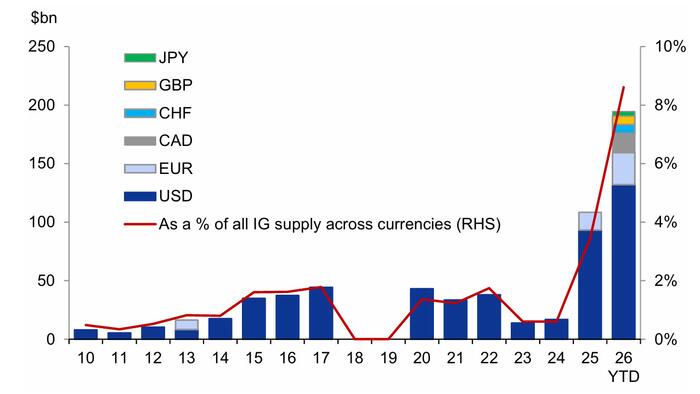
Ted Pick, Morgan Stanley’s chief executive, put a number on where the cycle sits. “You’re basically looking at us being around 10%-15% of the way through the investment cycle,” he said on 15 July, citing his own firm’s research forecasting data centre capital expenditure of roughly $850bn this year, $1.3trn in 2027, and possibly $1.5trn in 2028.