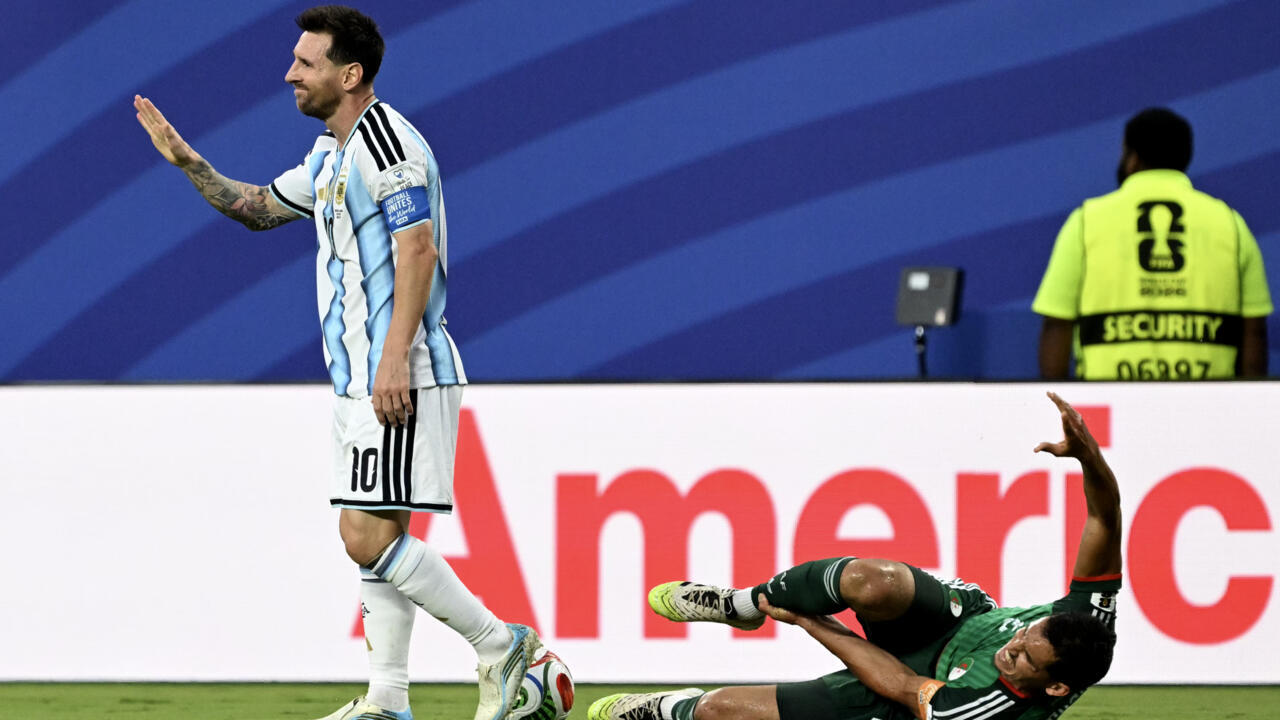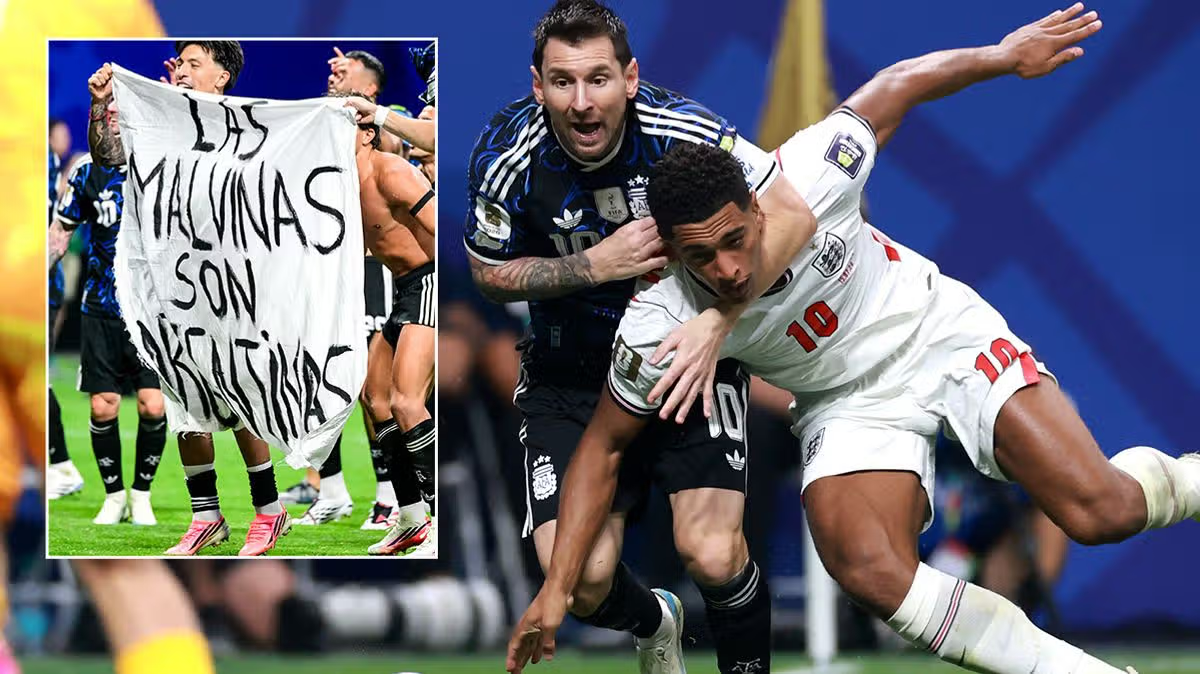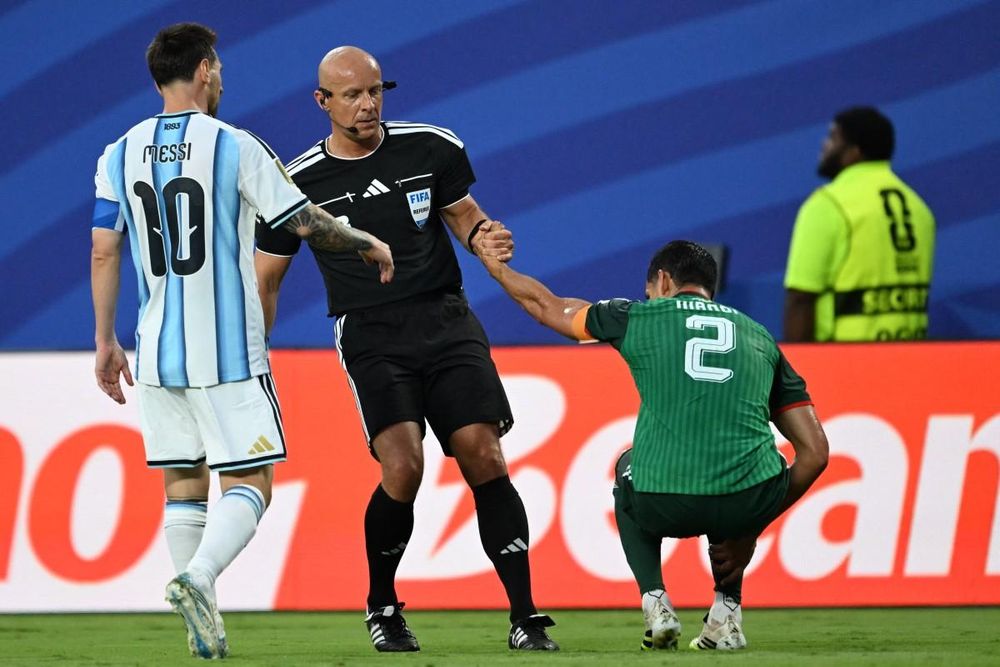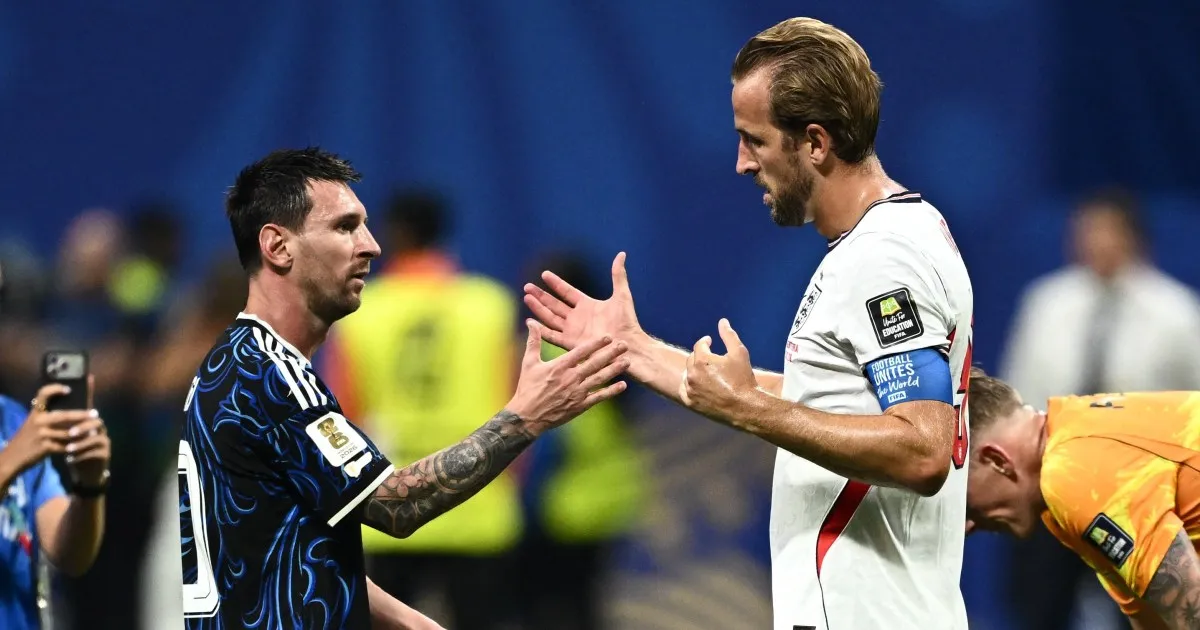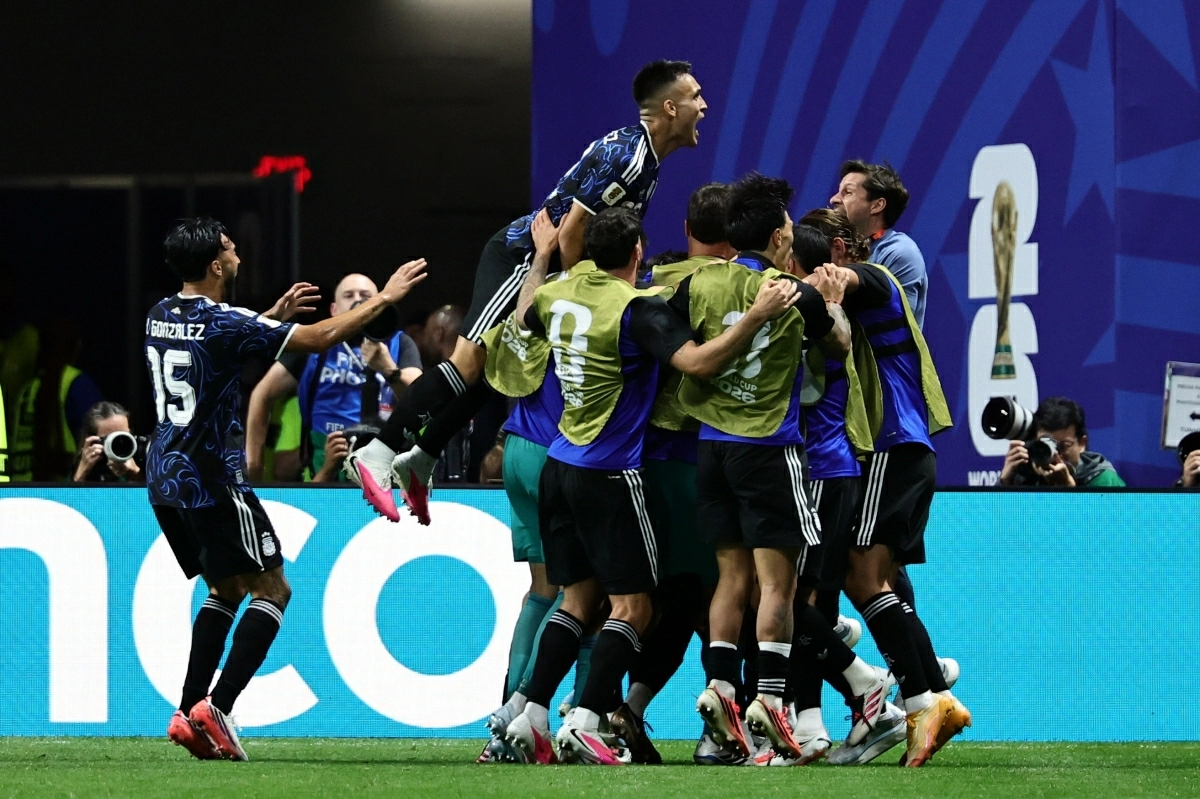
Argentina live to fight another day. The defending champions came from behind, once again, in the FIFA World Cup 2026 to seal a place in the final. Led by Lionel Messi, Argentina trailed 0-1 before they overtook England 2-1 and went on to headline Sunday's final against Spain. Messi was once again named Player of the Match, providing two assists and reminding everyone why he is regarded as the best player in the world.Argentina defeated England to book their ticket for the FIFA World Cup final (AFP)Honestly, the contest had a bit, and then some, of everything – goals, fouls, tackles – but once again, the spotlight fell not on the players, but on referee Ismail Elfath and the VAR decisions. Throughout the FIFA World Cup 2026, Argentina have been the subject of persistent speculation on social media. Many fans have claimed the tournament is rigged in their favour, arguing that Messi's side consistently benefits from marginal VAR decisions.Within minutes of Argentina's hard-fought victory over England in the World Cup semi-final, X (formerly Twitter) and Instagram were flooded with freeze frames, slow-motion clips and side-by-side comparisons of Argentina's two goals, scored by Enzo Fernandez and Lautaro Martinez.Also Read: 26 fouls, 4 yellow cards and on-field clashes: England-Argentina's ugly display adds political tension to FIFA World CupThe hashtags erupted first, followed by accusations. Soon came the familiar conclusion from thousands of fans: FIFA had done it again. Whether those claims carry any weight is ultimately a matter of interpretation. The semi-final between England and Argentina has breathed fresh life into one of football's most enduring narratives: that when the stakes are highest, Argentina somehow end up on the favourable side of the biggest refereeing decisions.All you need to knowThe first controversy centred on Argentina's opening goal, scored by Enzo Fernandez. To many viewers, the move appeared razor-close. Some fans on social media argued that Fernandez had drifted beyond England's last defender before the decisive pass was played. What further fuelled the debate was the perception that the goal was awarded without the prolonged VAR review fans have become accustomed to.It is important to note that every goal is automatically checked by the video officials, even if that process is not always shown on the broadcast. Without a visible review or the familiar calibrated offside graphic appearing on television, however, suspicion spread quickly across social media. In the court of public opinion, the absence of visible evidence was enough for many to conclude that something was amiss.If that lit a spark, Argentina's second goal poured fuel on the fire. The move began with Messi battling for possession deep inside England's half. To many England supporters, the challenge appeared to be a foul that should have brought the attack to an end before it ever gathered momentum. Others viewed it as a perfectly legitimate contest for the ball, the kind of physical duel that defines knockout football. For many England supporters, however, the most contentious moment had come long before either goal.Barely three minutes had elapsed when Enzo Fernandez flew into a challenge that immediately split opinion. Some argued it denied England a promising attack and warranted a straight red card, while others felt it was a firm but fair challenge. The referee, however, saw no reason for a dismissal, allowing play to continue without showing Fernandez a card.The incident began with England midfielder Elliot Anderson battling Messi before Fernandez stepped in with a crunching challenge on Anderson. The tackle sparked a heated confrontation, with players from both sides rushing in. After speaking at length with Fernandez and several others, the referee decided not to issue a card to the Argentine midfielder.It is important to note, though, that none of these moments provide a definitive proof of institutional bias. Conspiracy theories are rarely built on a single incident. Ever since Argentina's triumph in Qatar four years ago, every contentious decision involving the Albiceleste has been viewed through an increasingly sceptical lens. Whether that narrative reflects reality is another debate altogether. After another dramatic Argentina victory, football's most enduring World Cup conspiracy theory has found fresh believers – and fresh moments to scrutinise.At the same time, while the key refereeing and VAR decisions in the England vs Argentina semi-final were consistent with the officials' interpretation of the Laws of the Game, it is also true that some earlier decisions involving Argentina in this tournament have generated significant debate among fans.
‘Bias FIFA and VAR’ allegations: Why Argentina vs England has reignited football's biggest World Cup conspiracy theory
Argentina defeated England to book their ticket for the FIFA World Cup final. However, conspiracy theorists are now taking fresh aim at the global body. | Football News
736 words~3 min read