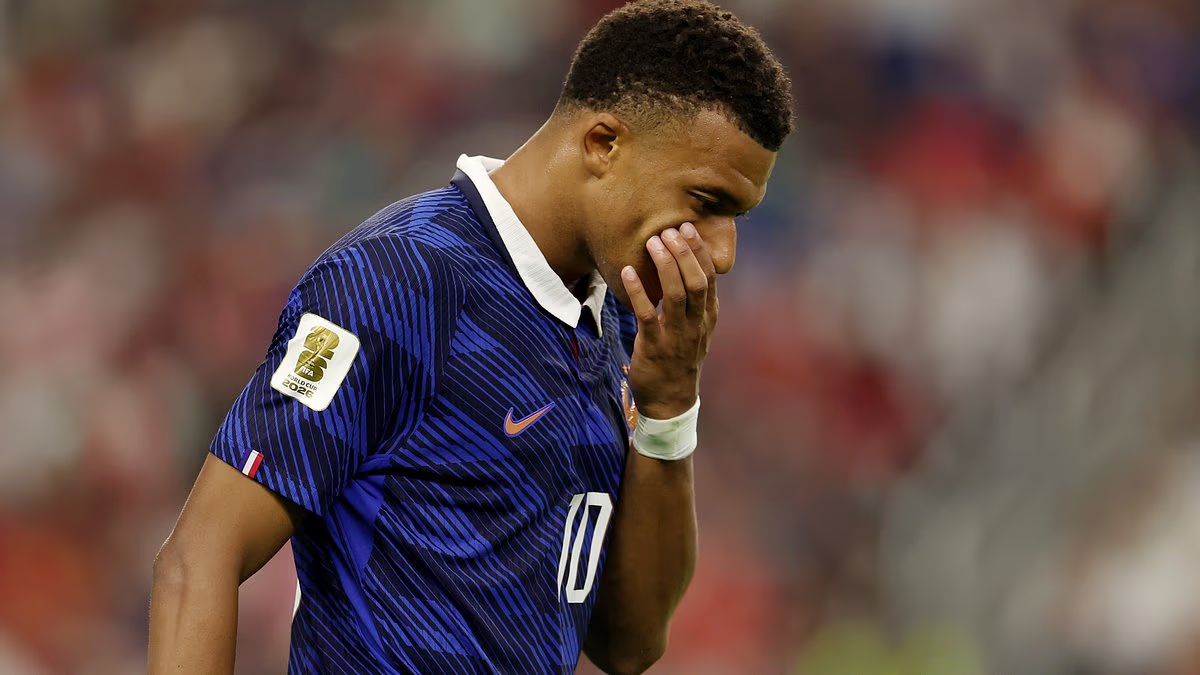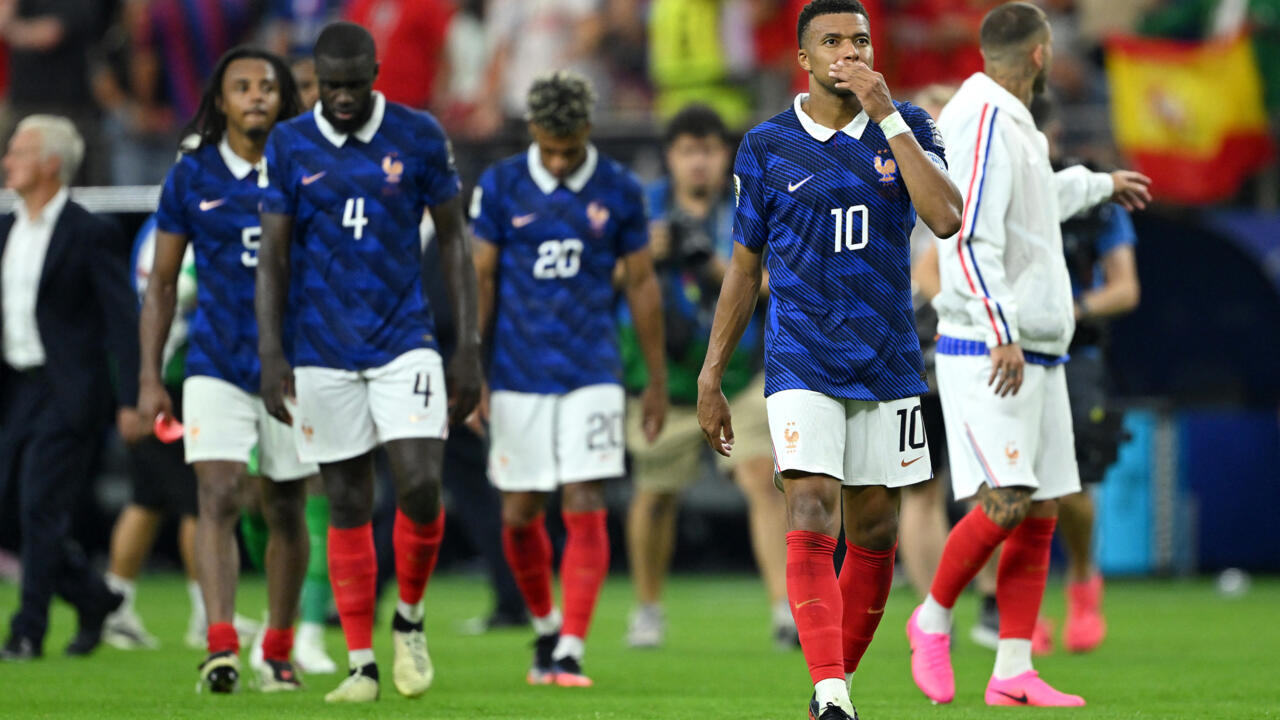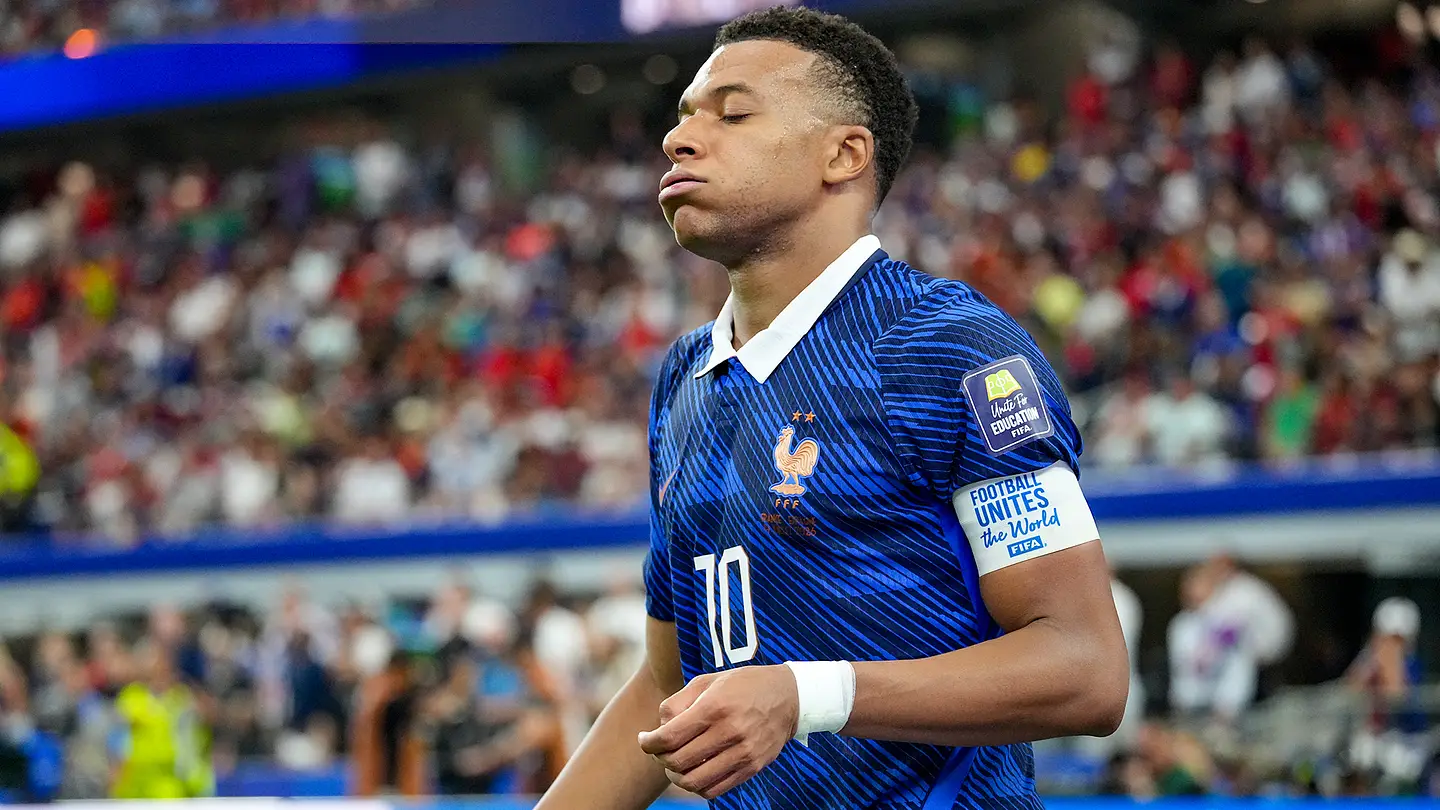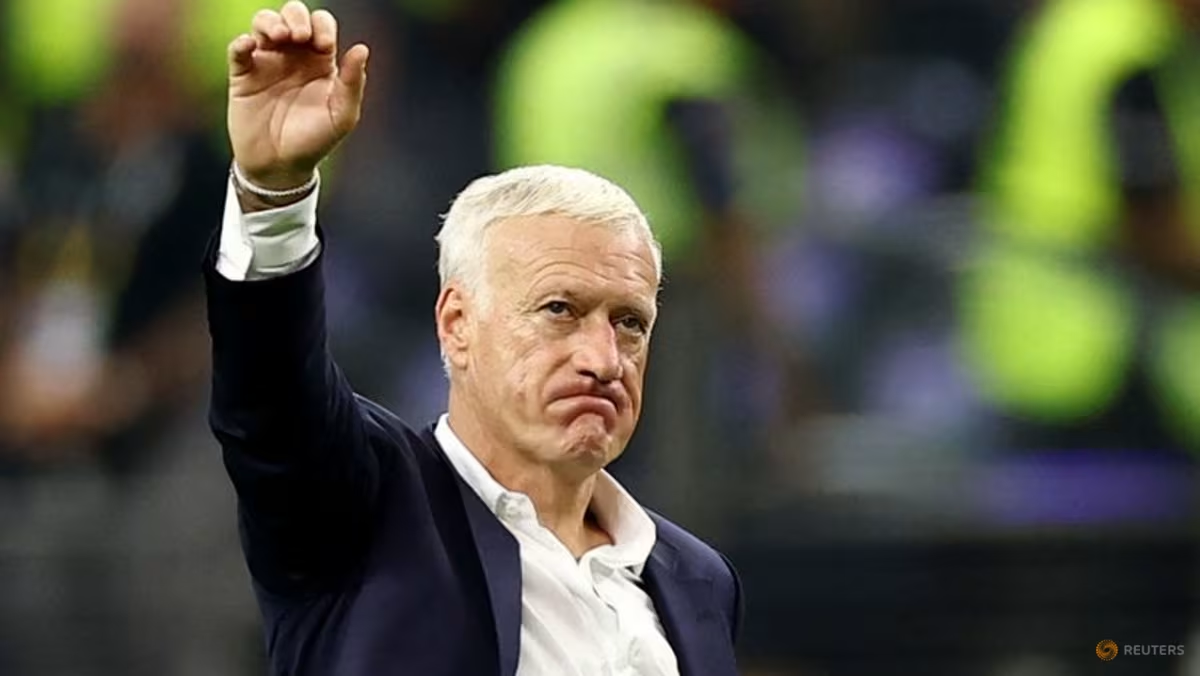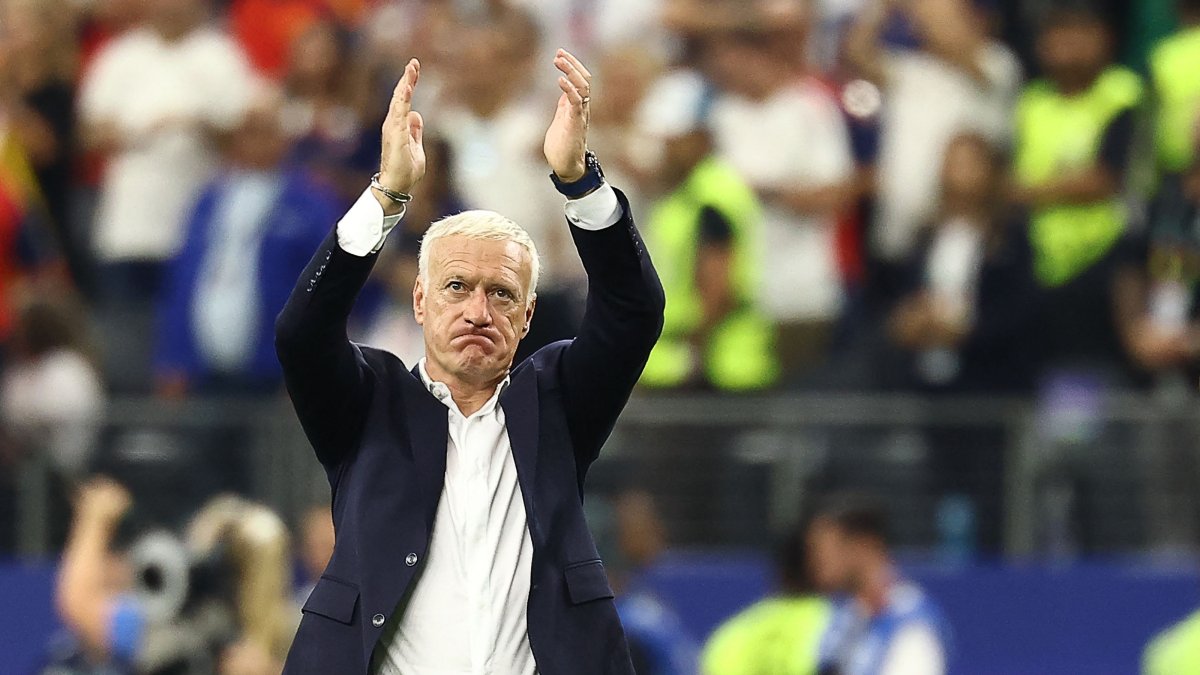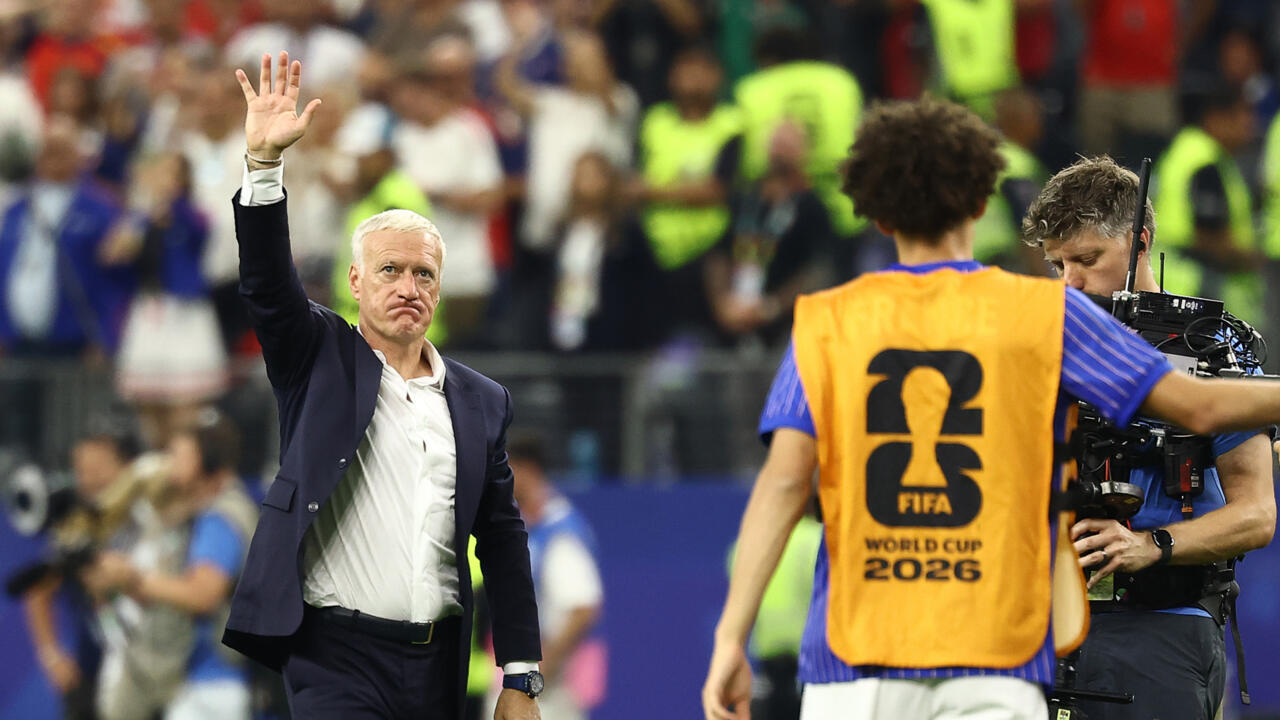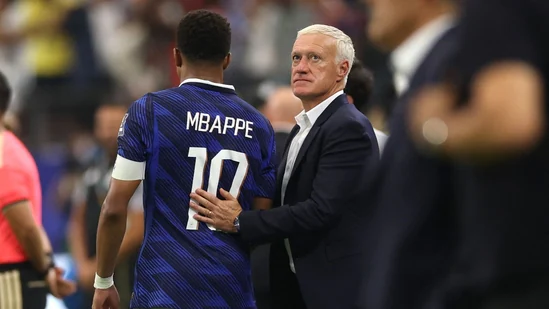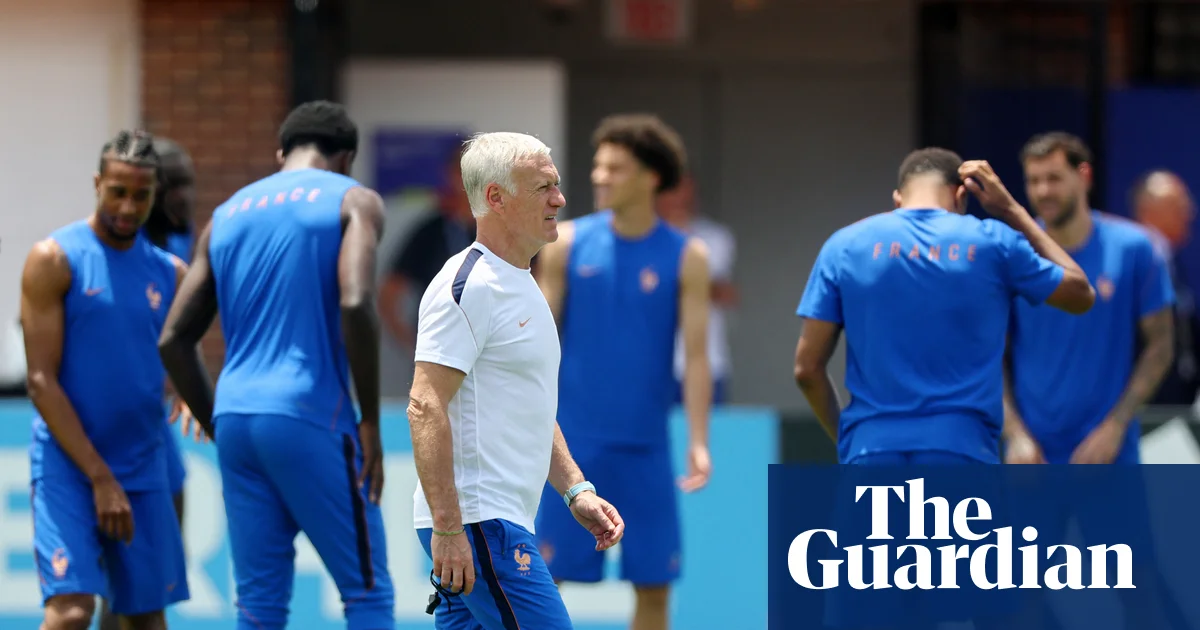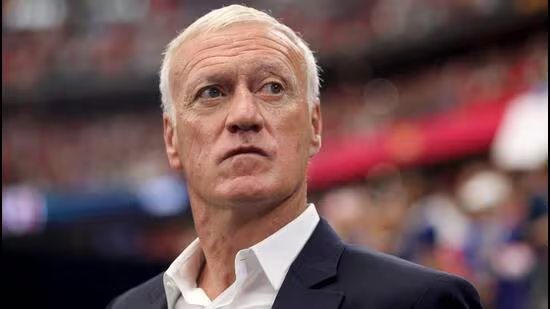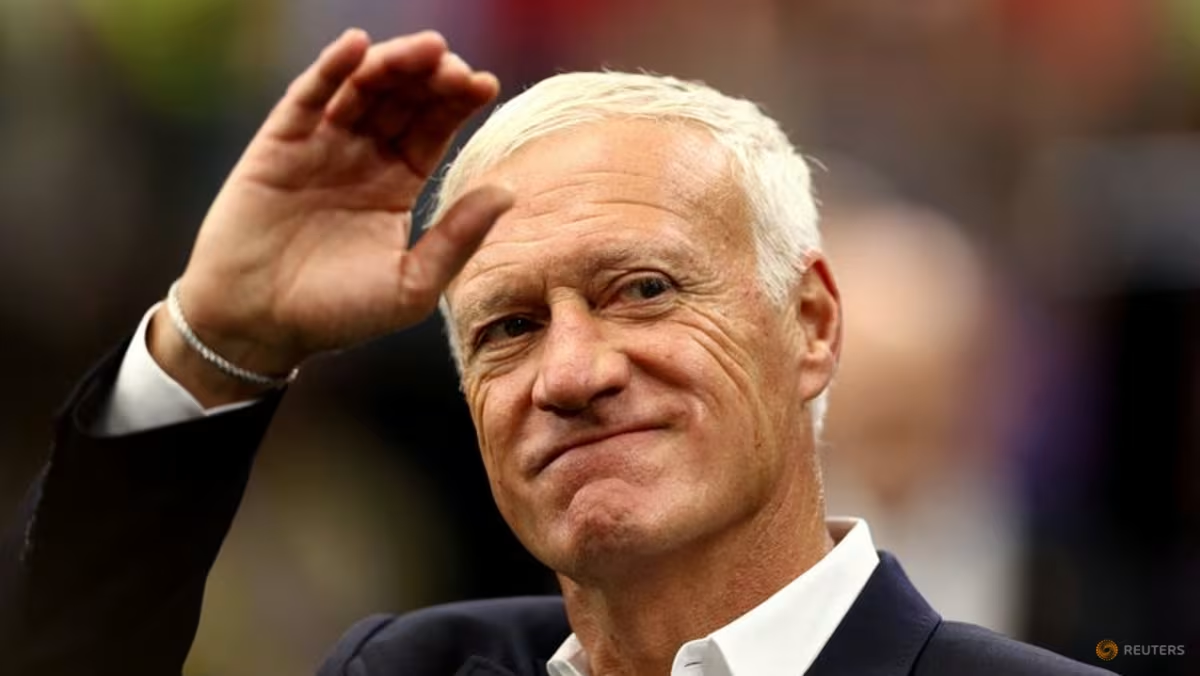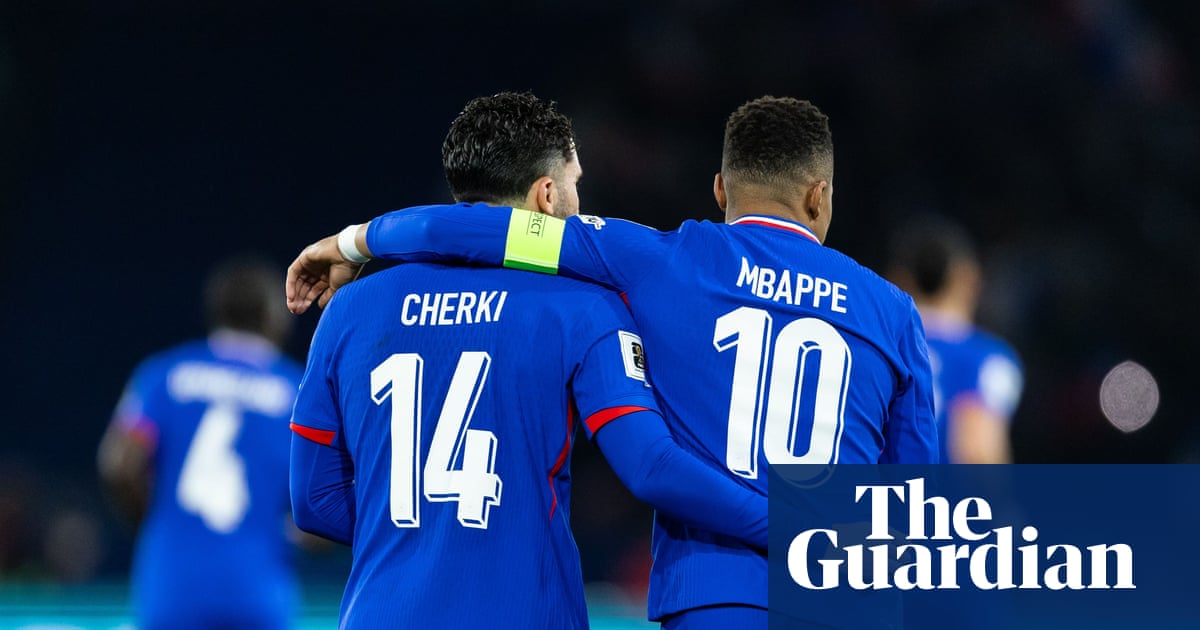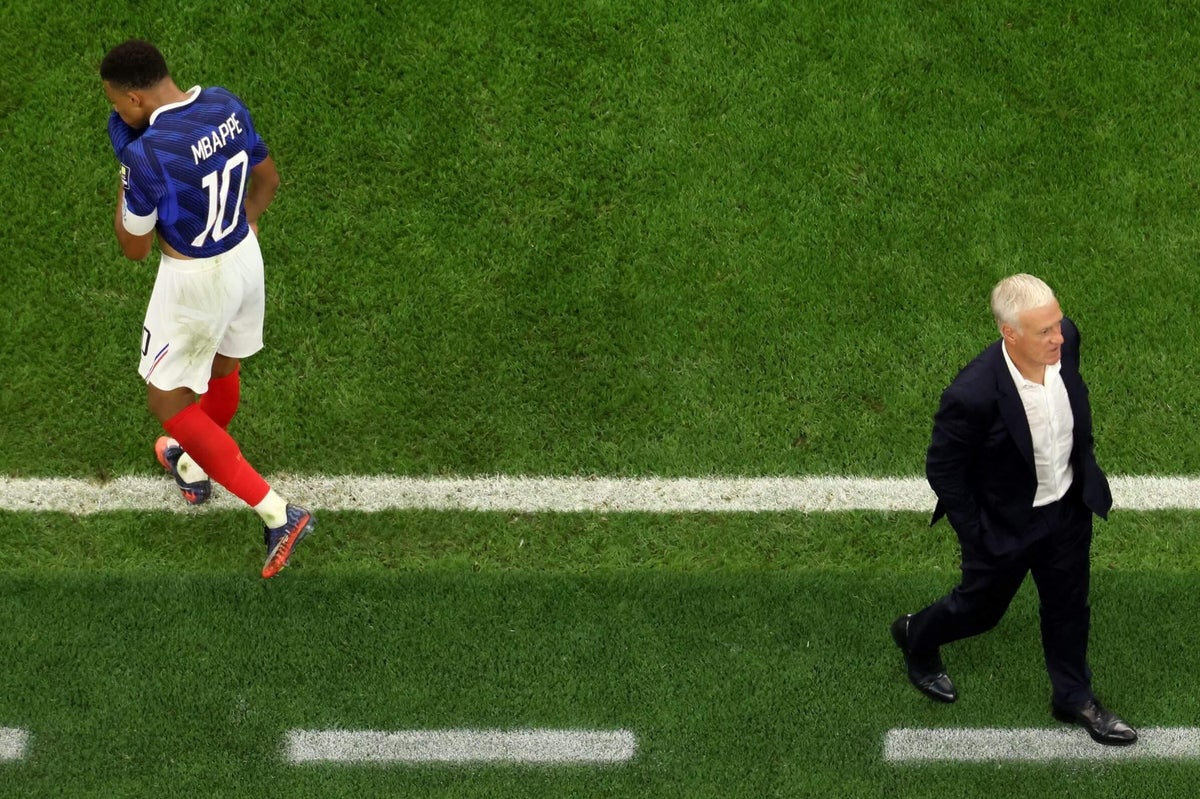
Get free access to the most comprehensive World Cup coverage in The Athletic app.France manager Didier Deschamps and his assistant Guy Stephan called it “oxygenation”. After defeat in the World Cup final in 2022, it was time to refresh a squad that lifted the trophy in Russia in 2018 but came up short against Argentina four years later.World Cup veterans Hugo Lloris, Raphael Varane, Antoine Griezmann and Olivier Giroud brought down the curtain on their international prominence. In their place, a group of young, extraordinarily talented players arrived: in came William Saliba, Michael Olise, Desire Doue, Bradley Barcola and Rayan Cherki to supplement already established headline acts including Kylian Mbappe and Ousmane Dembele.This talent pool, combined with France’s record at the previous two World Cups, created clear expectations: Deschamps’ team entered this tournament in North America as many people’s favourites to win it. That was not only fans, or media; the former France World Cup winner Patrick Vieira said as much repeatedly on UK broadcaster ITV.The group phase and early knockout rounds only enhanced this notion. France were the joint-highest scorers in at that point, securing maximum points from games against Senegal, Iraq and Norway, and then breezed past Sweden, Paraguay and Morocco to reach the semi-finals without conceding a knockout goal. Mbappe, with eight goals, was — and still is — the tournament’s top scorer alongside Lionel Messi.Then came the Dallas afternoon which stunned the world: France were not only beaten but resoundingly so by an outstanding Spain performance. In the aftermath, the French newspaper L’Equipe claimed barely a word was spoken in the immediate aftermath in the dressing room. The newspaper described a stunned silence, save for a short speech by Deschamps in which he told his players to try to contextualise their defeat and not forget how well they had played for much of the tournament.For Deschamps, this is the end of the road, his team exiting with an unforeseen whimper at the culmination of his 14 years in power. His likely successor, the soon-to-be-anointed Zinedine Zidane, is arguably the most famous French footballer of all time.France captain Kylian Mbappe puts on a brave face following his team’s semi-final loss to Spain (Charly Triballeau/AFP via Getty Images)In an interview with The Athletic in March, Deschamps’ assistant Guy Stephan said: “People like change and Zizou is very well-known.” When a media assistant grinned, Stephan laughed, saying the president of the federation Philippe Diallo had all but hinted at Zidane’s appointment in previous days. In an interview with French newspaper Le Figaro, Diallo had said he already knew the name of Deschamps’ successor, having spoken to five French candidates, and was described as having smiled when asked if it would be Zidane.For Deschamps and Stephan, there was no shortage of blame after Spain’s Luis de la Fuente outwitted the French coaching staff for the third time during his tenure. A three-man midfield of Fabian Ruiz, Rodri and Dani Olmo bamboozled them, whose gaps between the lines were frequently exposed. For Deschamps, there was some mitigation. He lost Saliba, France’s best defender, in the first half of the game to a back injury. Arsenal’s Saliba had been playing through the pain, missing at least one training session prior to the semi-final and following a managed training schedule.“I’ve had some minor niggles for several months,” Saliba said before the group-stage match against Iraq. “I’ve been gritting my teeth because there was the Champions League and the Premier League. But the coaching staff are handling it very well.“The World Cup comes round only once every four years, so you’ve got to grit your teeth. I’m not at 100 per cent but there are plenty of players who aren’t at 100 per cent either — you can’t make excuses.”A breaking point came 29 minutes into the game against Spain, Saliba going down in an innocuous moment with the ball at his feet. He lowered himself to the turf, kicked it out of play and called for medical attention. He will not play in the third-place play-off against England in Miami this weekend and Arsenal fans will anxiously await a full prognosis.Deschamps’ problems on the day came throughout the spine of his team. His stretched midfield forced Adrien Rabiot, who had played every minute of the competition (except for a rotated team in a group game against Norway), into two poor challenges, meaning he was already booked and at risk of a second yellow card. France therefore entered the second half without Deschamps’ most trusted centre-back and first-choice central midfielder. Michael Olise, the creative hub of the French team, was dominated by Rodri to the extent he was withdrawn after 72 minutes. Mbappe and Olise exchanged a pass only once against Spain compared to 66 times across their first six matches of the tournament. Dembele, the Ballon d’Or winner, was peripheral.It was the ultimate vindication of the Spanish game plan but also represented a piecemeal demolition of Deschamps’ approach. He wanted his players to go man-for-man to combat Spain’s style but their opponents played around them at will. “There was a lack of communication in our pressing,” Mbappe said, diagnosing that his team had messed up in their execution of the plan.
The inside story of France’s World Cup: Why did the favourites fall short?
This was not a tournament of in-fighting, but rather one where injuries, under-performance and tactical naivety cost them dear
2,226 words~10 min read